
A simple haircut is a shape you can wash, air-dry, and walk out the door with, no second-guessing required. Right now, that means soft face-framing layers and curtain bangs that move with you, not a rigid line that demands a round brush every morning.
This Simple Haircuts Tutorial covers 33 cuts and styles, from long layers you can throw into a ponytail to pixies that need a trim every six weeks. Whether your hair falls flat at the roots or you are managing a visible grow-out line, each option works with your texture and your schedule.
Long Layers With Face-Framing Shape
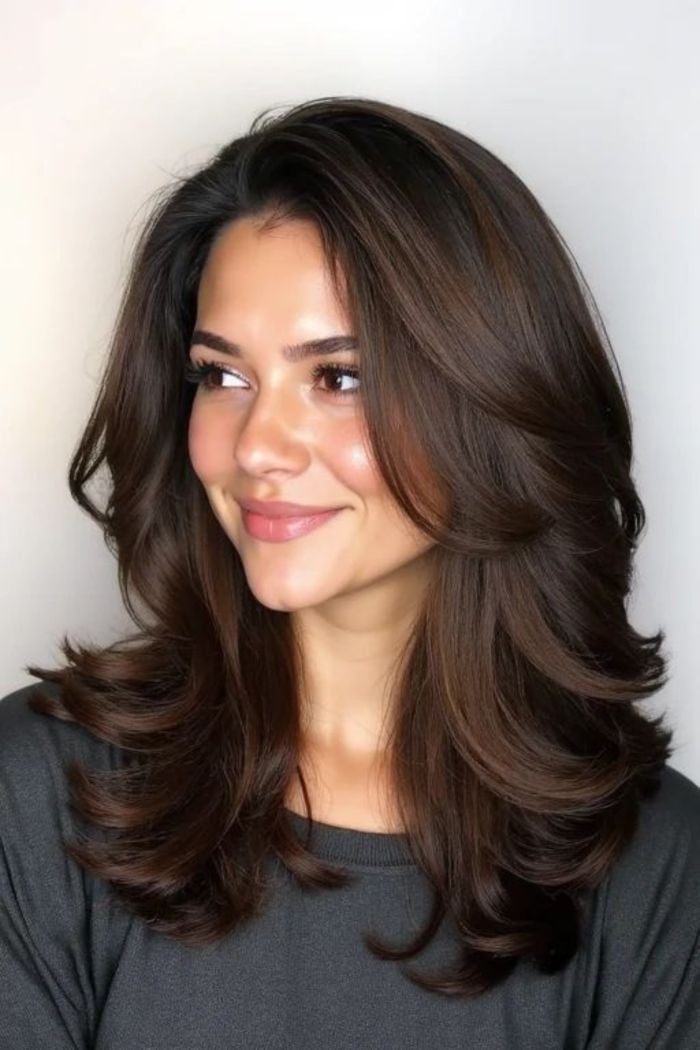
Thick, wavy hair has a tendency to sit like a heavy blanket, but long layers starting around the cheekbones change the math entirely. This cut keeps the mid-back length while removing enough weight to let the natural wave move, and the side part adds a deliberate sweep that breaks up the density. The glossy blowout finish here is optional, though it does make the layers look deliberate.
The real question is whether you have the texture to carry it. Thick, wavy hair starting at shoulder length or longer is the ideal candidate; anything finer or straighter will struggle to hold the shape between trims. Ask your stylist for: long layers with face-framing pieces, side part. A round brush during the blowout will emphasize those front sections, and you will want a trim every eight to ten weeks to keep the ends from forming a single triangle.
Mid-Back Shag With Curtain Bangs
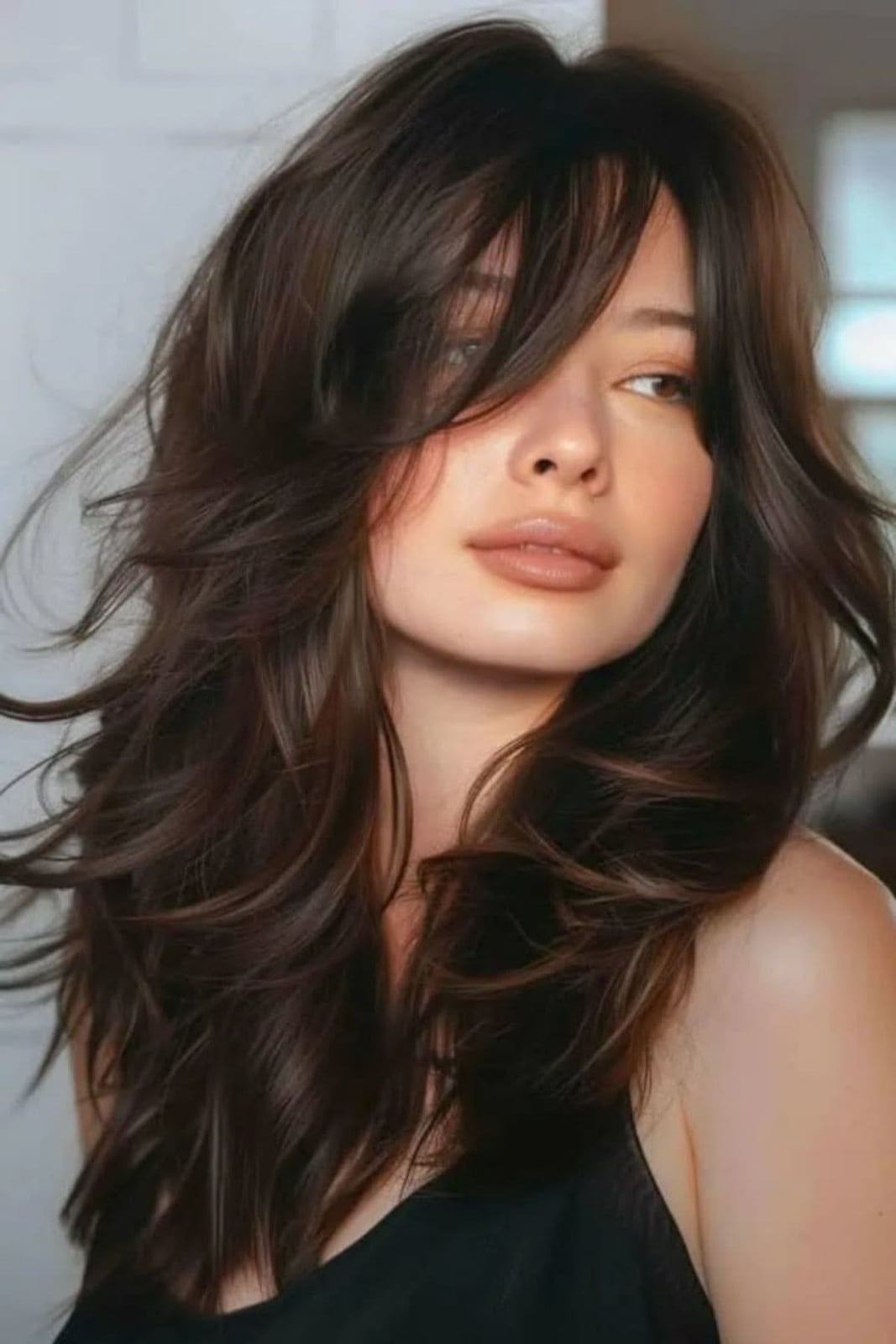
A long shag keeps its modern edge with curtain bangs. This cut stays at mid-back with layers throughout the interior, so the hair moves as one piece rather than a stack of disconnected chunks. The side parting and subtle lighter highlights add dimension.
This cut suits thick, wavy hair of medium to long length. The curtain bangs soften round and square face shapes, but only if the stylist cuts them long enough to blend into the layers. Ask your stylist for: mid-back shag, face-framing curtain bangs. Bring a photo of the exact curtain bang placement you want, because vague descriptions yield vague results. A texturizing spray on damp hair will encourage the lived-in feel the shag is built for.
Collarbone Layers With Curtain Bangs

A collarbone-length cut is the sweet spot between having enough hair to work with and not having so much that styling becomes a chore. The layers here are cut soft and blended, so the ends do not look chopped, and the curtain bangs are long enough to tuck behind the ears or let fall forward. The side parting keeps the weight slightly off-center, which helps the subtle waves hold their shape.
This is a work-friendly cut that also cleans up nicely for evening. Medium density hair starting at collarbone length will get the most lift from the layering. Ask your stylist for collarbone layers, soft curtain bangs, side part. A large round brush used to blow-dry the face-framing sections away from the face will set the shape for the day.
Collarbone Layers With Curtain Bangs Middle Part

A middle part changes the game on a collarbone-length cut. Where a side part creates asymmetry and swing, a middle part pulls everything into balance, making the face the focal point. The long blended layers here are cut to hit just below the collarbone, and the curtain bangs frame the eyes rather than the cheeks. The soft blowout keeps the texture smooth without flattening the volume.
This version suits longer face shapes that need width rather than vertical lines. Ask your stylist for collarbone length layers, curtain bangs, middle part. The middle part will also make your life easier on day two, because the hair falls evenly on both sides and does not require a re-blowout to look presentable.
Collarbone Bob With Face-Framing Layers

Calling something a bob does not automatically make it blunt, and this collarbone-length version proves the point. The face-framing layers start below the chin and blend into the cut, so the shape has movement without losing the bob’s clean perimeter. The curtain bangs and middle parting keep the front open, and the honey blonde highlights add dimension that a single flat color would not provide.
This cut softens square and round faces because the layers hit around the jaw and collarbone, creating vertical lines. Medium wavy hair starting at collarbone length will hold the shape best. Ask your stylist for collarbone bob, curtain bangs, face-framing layers. Apply a volumizing spray to the roots before blow-drying to give the crown the lift this shape needs. A trim every six to eight weeks keeps the bob defined.
Collarbone Layers With Soft Waves
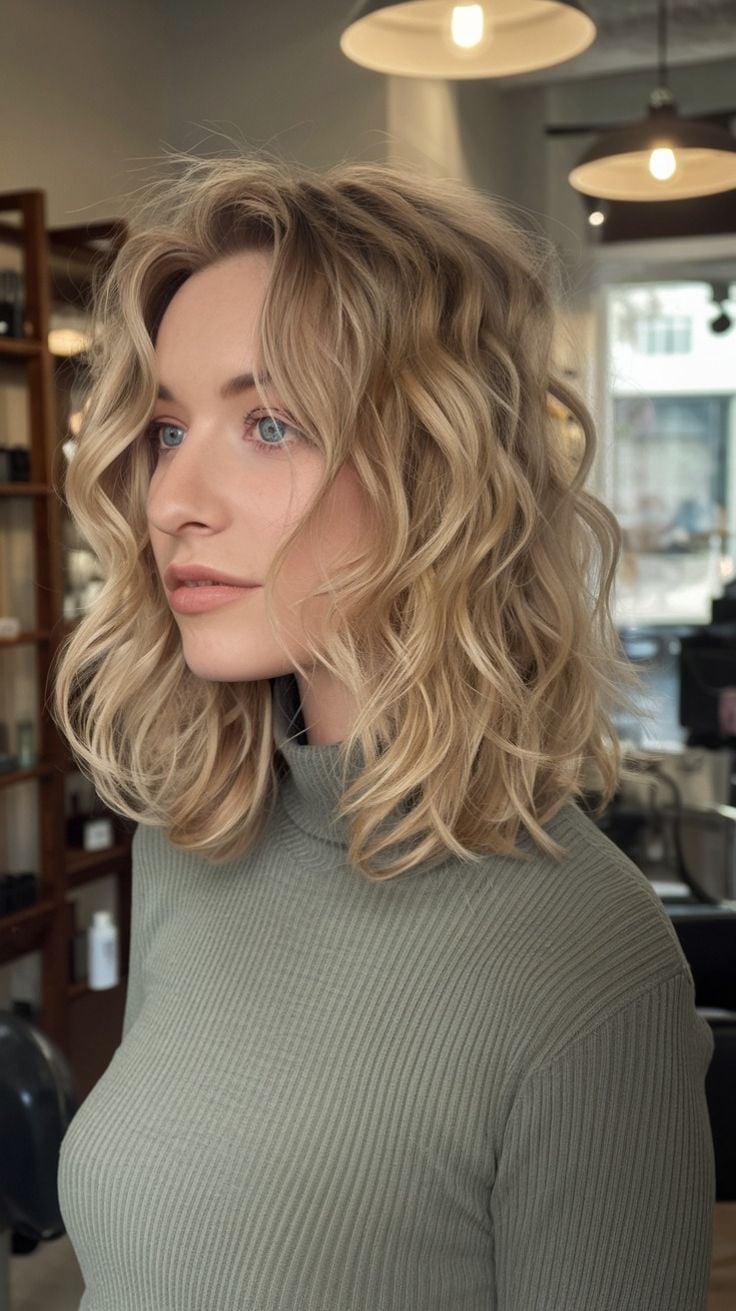
How does a collarbone cut keep its wave pattern past lunch? This one has soft curtain bangs and a side part, with ash blonde and lighter blonde highlights woven through the layers. The glossy blowout sets the shape, but the wavy texture does the real work.
Ask your stylist for: collarbone layered cut, soft curtain bangs. A smoothing serum on damp hair before blow-drying keeps the finish polished. Plan a trim every six to eight weeks to stop the ends from fraying. This works for medium-density wavy hair and suits most face shapes. The look is versatile enough for the office or a weekend dinner.
Mid-Back Layers With Side-Swept Bangs
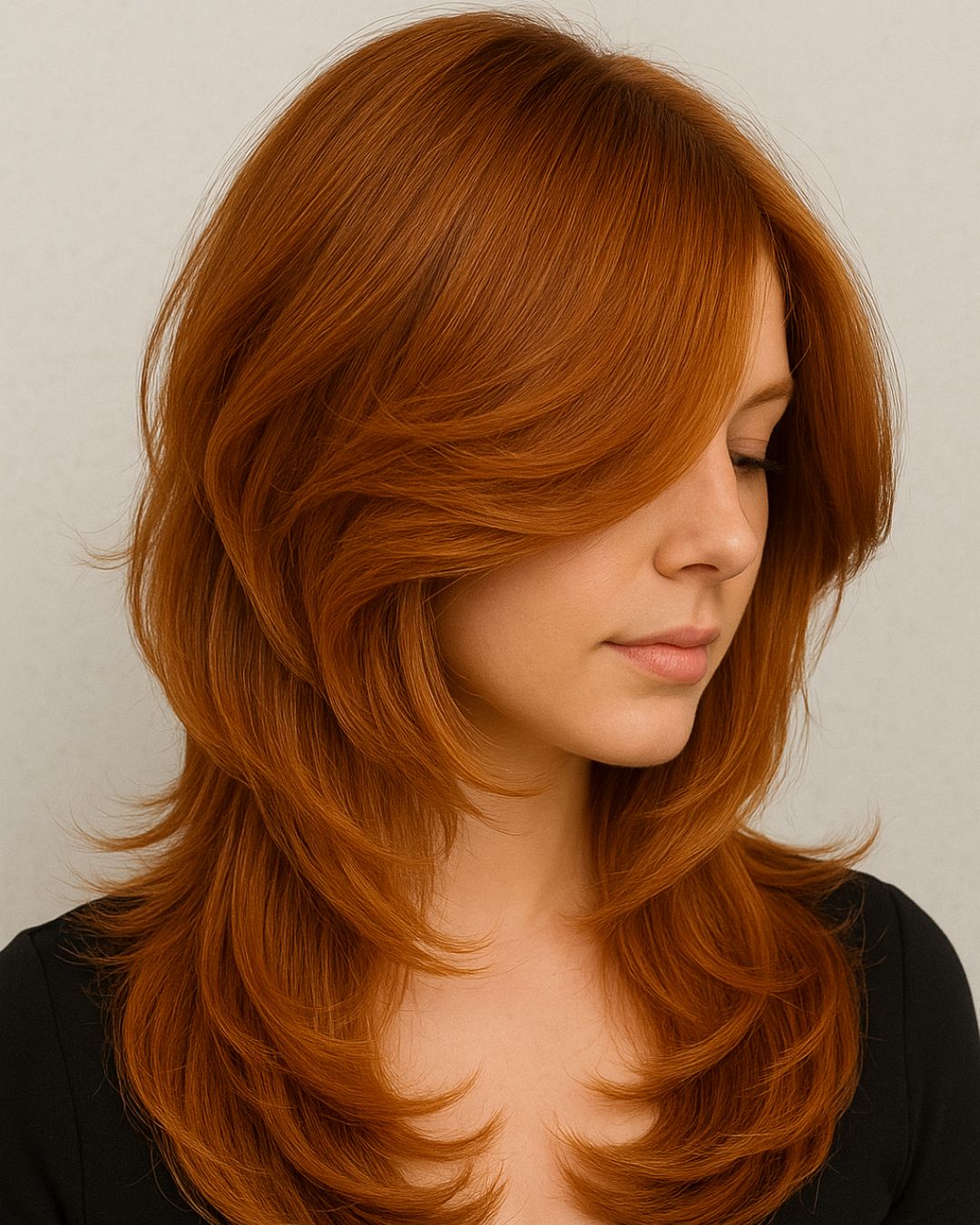
Copper red is one of the fastest-fading colors in the spectrum. This mid-back cut uses prominent layers and side-swept bangs to show off the rich tone from every angle, with a side part and smooth blowout finish. The thick, wavy texture holds the shape well.
The mistake people make is skipping a color-safe shampoo and cool-water rinses. Without them, the vibrant copper red dulls within three weeks. Ask your stylist for: mid-back layers, side-swept bangs, rich copper red. A large barrel brush during blow-drying smooths each layer. Trim every eight to ten weeks to keep the ends healthy. The honest drawback is the toning schedule: expect a refresh every four to six weeks to maintain the intensity. This cut softens angular face shapes but demands consistent color upkeep.
Mid-Back Layers With Curtain Bangs and Dark Blonde With Highlights
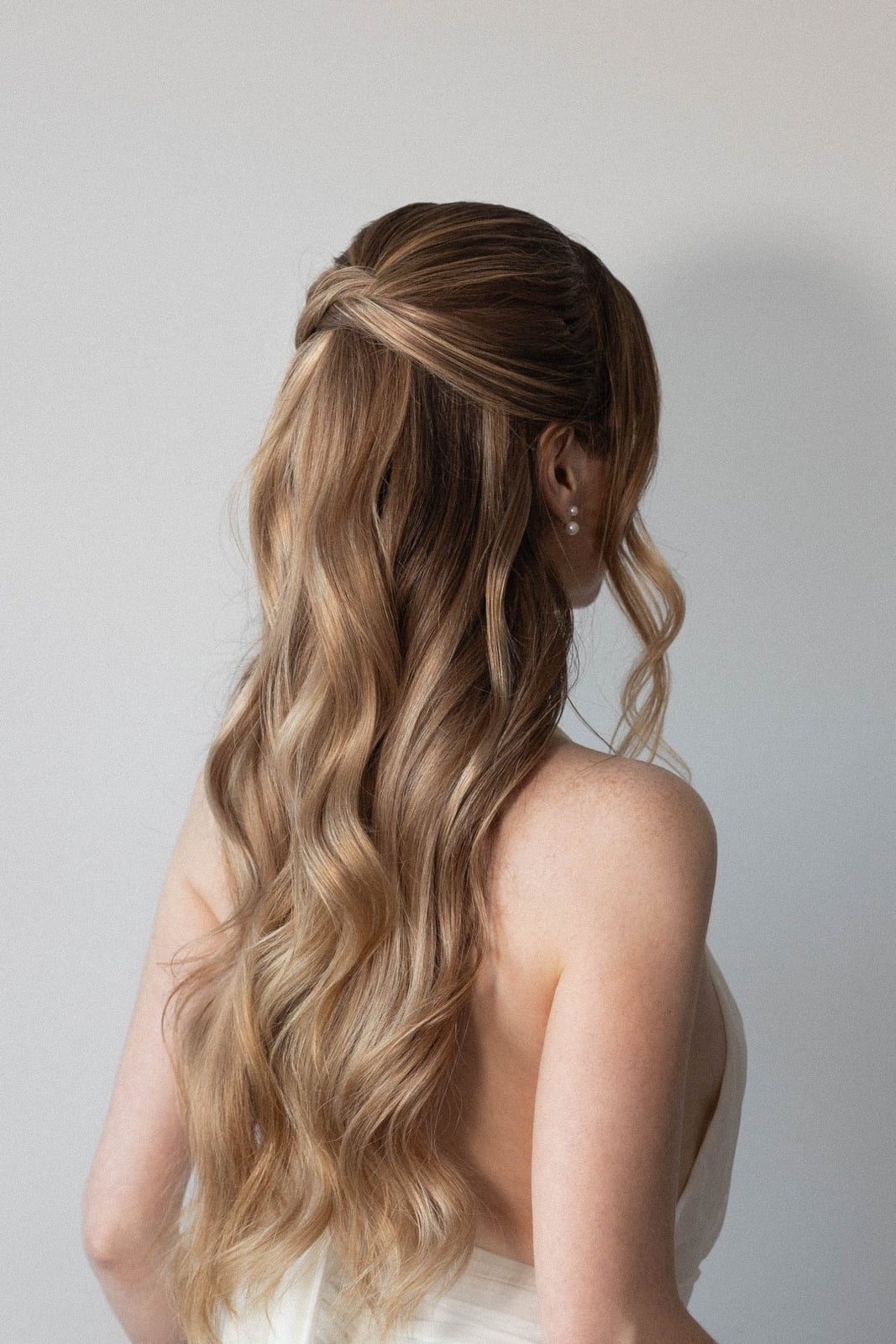
Curtain bangs on thick, wavy hair can read as accidental triangles if the stylist does not cut them with the wave pattern in mind. This mid-back length has long layers and a side part, with lighter blonde highlights against a dark blonde base for dimension. The soft blowout and loose waves keep the shape balanced.
Ask your stylist for: mid-back layers, face-framing curtain bangs. The trade-off is that curtain bangs need heat to fall correctly on thick wavy hair. A texturizing spray and a gentle scrunch after blow-drying enhance the wave without adding weight. Trim every eight to ten weeks to maintain the face-framing effect. This design balances round and square face shapes, but those who prefer wash-and-wear styling may find the bangs require more attention than expected.
Textured Pixie With Extended Fringe
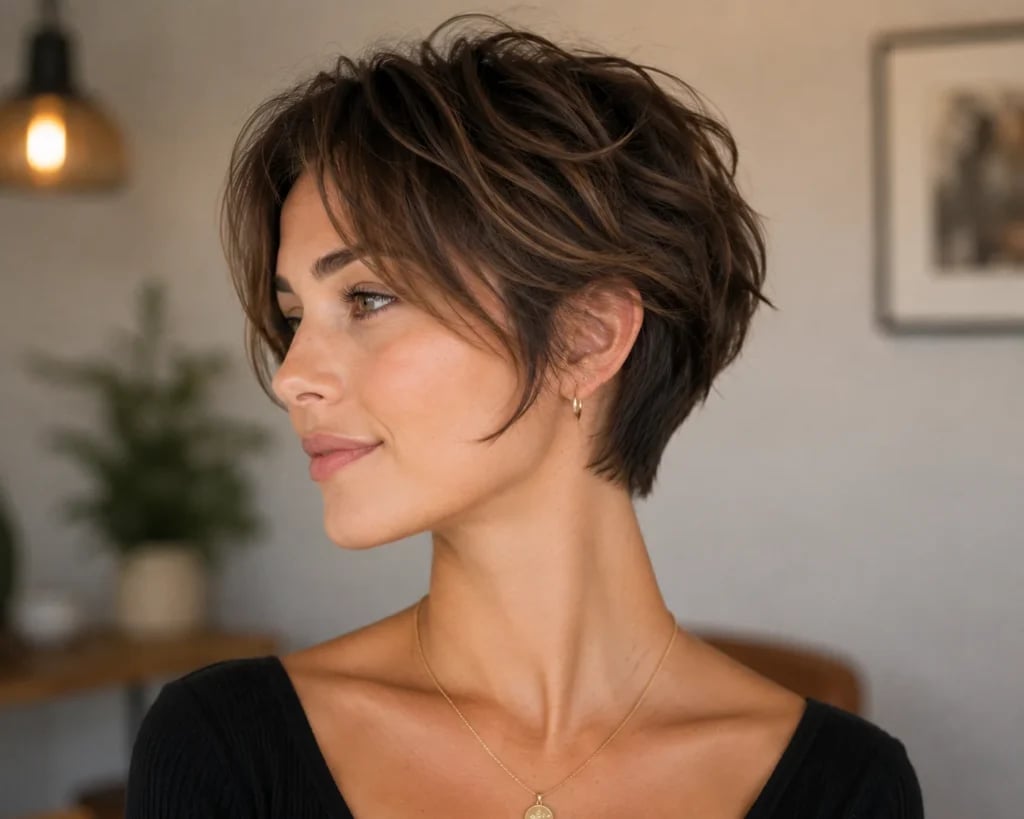
Does a pixie with an extended fringe work on fine hair? It does, because the choppy layers and sweeping fringe add the illusion of density. This ear-length cut has a dark brown base with subtle lighter brown highlights, styled to the side with a slightly tousled finish. Ask your stylist for: textured pixie, extended sweeping fringe. The fringe softens square and round face shapes, while the side-swept styling reveals the ear for a cleaner silhouette. Medium-density straight hair takes this cut best. A texturizing paste shapes the fringe in under two minutes.
Short Shag With Choppy Layers
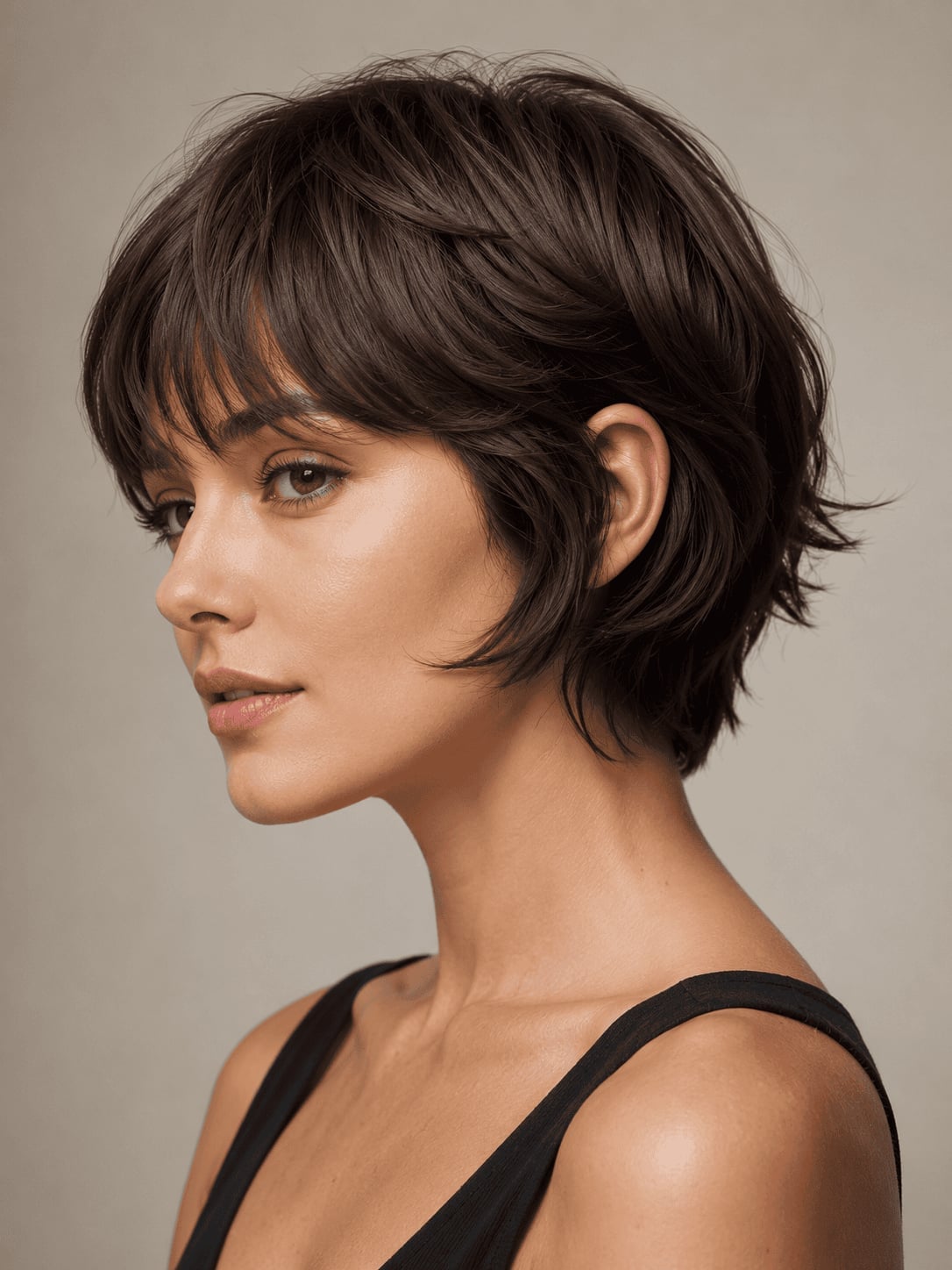
A short shag with choppy layers is one of the few cuts that looks better air-dried. This ear-length version has short bangs and a dark brown color, with a side view that shows the layers clearly. The fine, wavy texture gives the shag its lived-in shape without a blow-dryer. Ask your stylist for: short shag, choppy layers, short bangs. A sea salt spray and a quick scrunch are the only tools needed. Trim every six to eight weeks keeps the layers from growing into a shapeless blob. This is a salon-only cut, but the daily styling time is under five minutes.
Short Layered Pixie With Side-Swept Bangs

How do you get a short pixie to look like it has more going on than just short? Textured layers and a side sweep. This cut lands at ear length on thick, wavy grey hair, with short side-swept bangs and a side parting that push the shape forward instead of letting it sit flat. The highlights add dimension without extra effort.
Thick, wavy hair starting above the ear handles the layering best, and the cut suits most face shapes. Ask your stylist for: short layered pixie, side-swept bangs. A texturizing spray or pomade defines the layers and keeps the bangs in place. Plan a trim every four to six weeks to hold the shape.
Short Pixie With Face-Framing Bangs
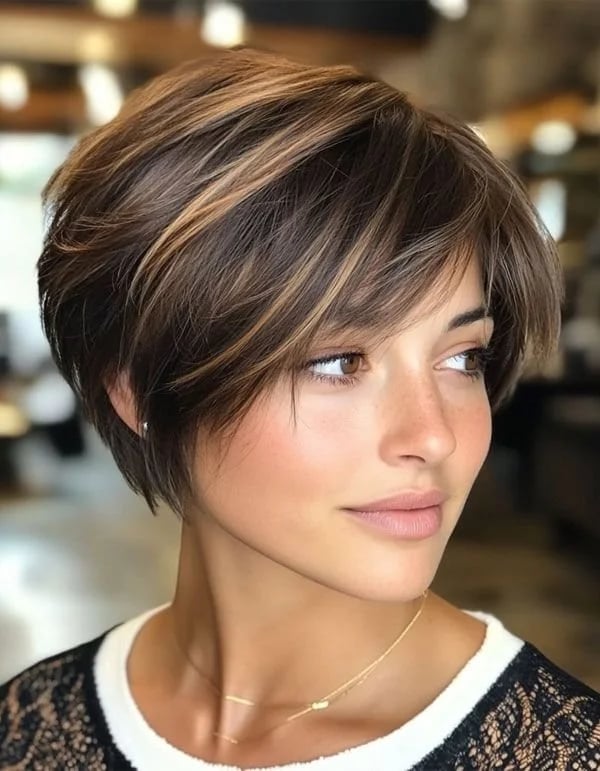
A pixie with long, side-swept bangs is not the same as one with short bangs. The long fringe lands around chin length on this version, with a side parting and a soft blowout over fine, wavy dark brown hair with blonde highlights. It softens round and square faces without committing to a full fringe. Ask your stylist for: short pixie, long side-swept bangs. The bangs need a small round brush and a blow-dryer to sweep properly, and a trim every four to six weeks keeps the length from sliding into awkward territory.
Short Pixie With Textured Side-Swept Bangs, Dark Brown
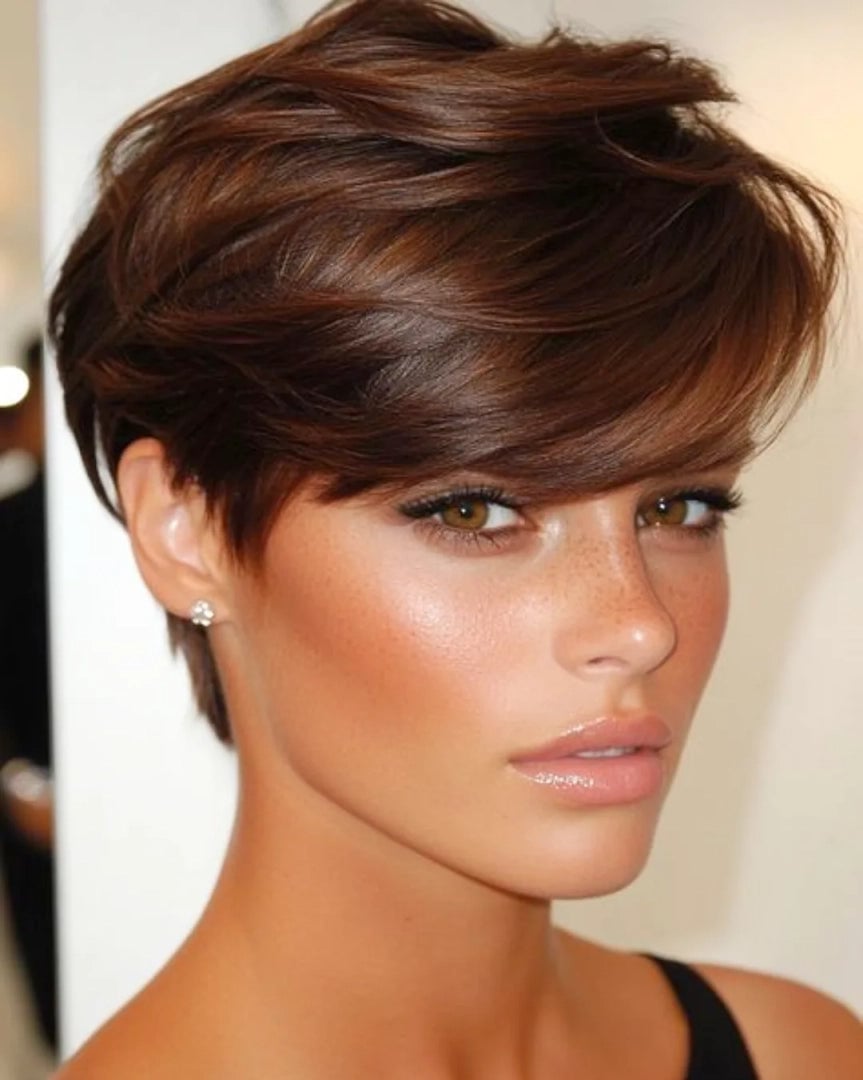
Volume on top of a pixie starts with the cut. The layers are stacked higher on the crown than the sides, and the side-swept bangs sweep forward to meet them. This dark brown version on thick, straight hair ends at ear length and uses a side parting to exaggerate the lift. Ask your stylist for: short pixie, textured side-swept bangs, volume on top. The volume relies on product. Without a volumizing mousse at the roots, the top can fall flat by midday. Trims every four to six weeks are required to maintain the shape.
Platinum Pixie With Side-Swept Bangs

Platinum on a short pixie is a commitment that results in a clean, modern shape not reliant on length for impact. This version sits at ear length on fine, straight hair, with a side part and side-swept bangs that break up the solid color. The cut suits fine, straight hair starting above the ear. Ask your stylist for: short pixie, platinum blonde, side-swept bangs. Upkeep requires a toning visit every four to six weeks to prevent yellowing, plus a trim at the same interval. A light hold wax defines the fringe and adds texture without weighing the hair down.
Ash Blonde Textured Pixie
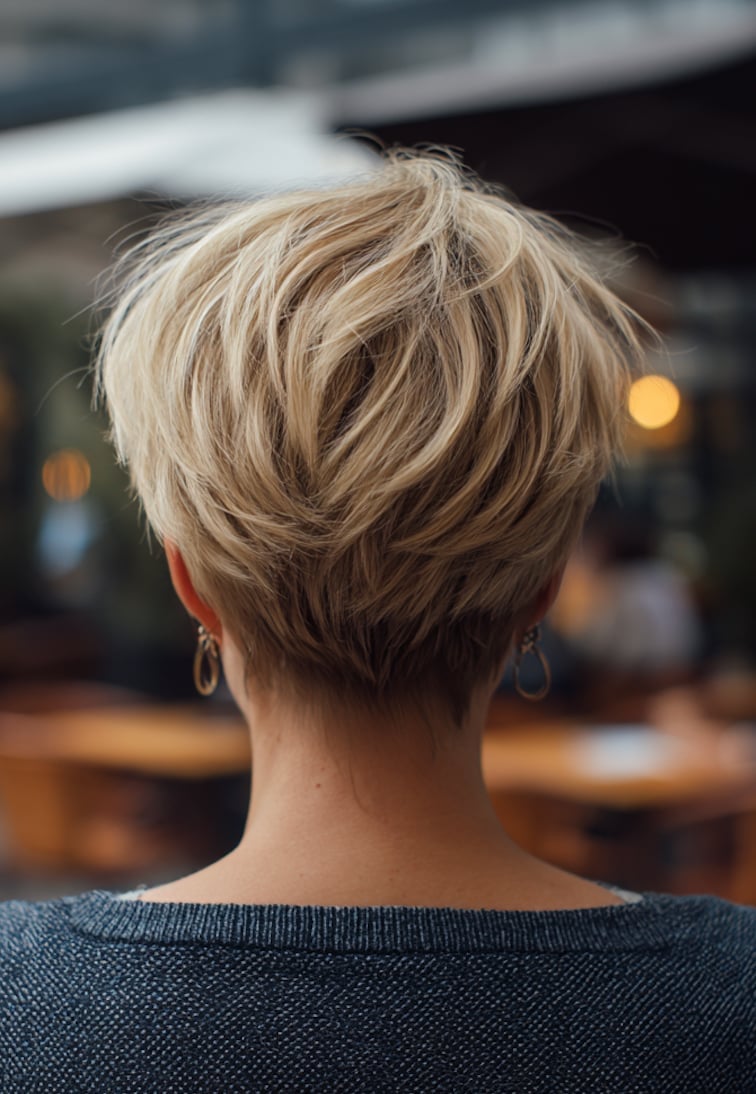
Does a pixie still work if you skip the bangs? This back view says yes. The ash blonde color sits on fine, straight hair cut to ear length, with layers styled upward and outward and a cleanly tapered nape. The shape relies on the longer top and the close-cropped back. Ask your stylist for: short textured pixie, ash blonde. Fine hair benefits from the vertical layering, which adds density. A volumizing spray and a dab of paste sculpt the texture without stiffness. The trim schedule is every four to six weeks, or the nape loses its definition fast.
Platinum Pixie With Textured Fringe, Short
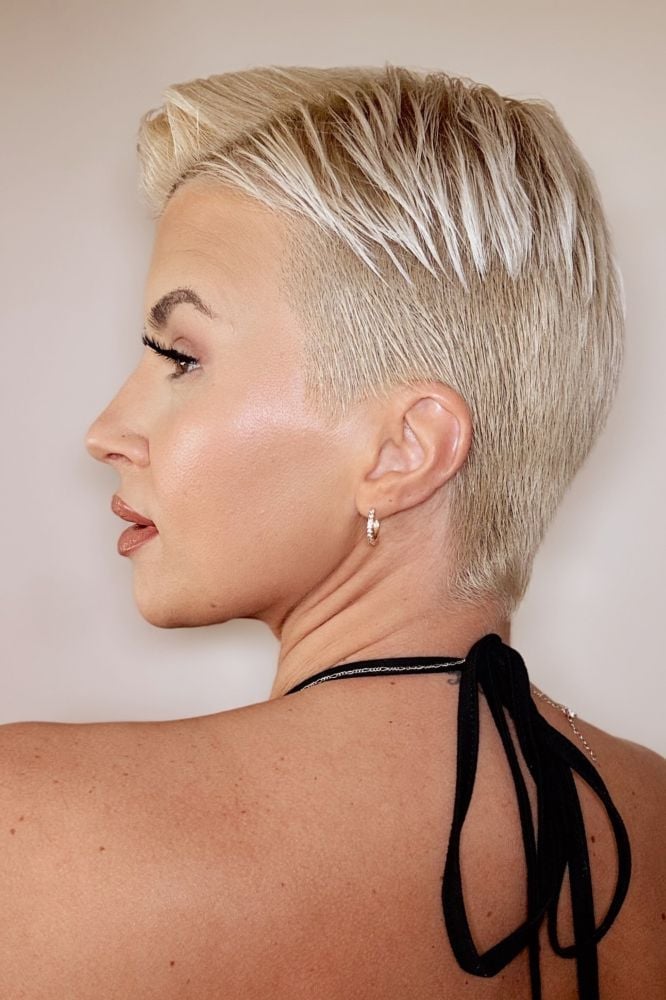
A short, sharp pixie gets its edge from a short, textured fringe swept to the side. The platinum blonde base stays fine and straight, with a slightly wet finish that defines each piece. Ask your stylist for: short pixie, platinum blonde, textured fringe. Apply a gel or pomade to damp hair and comb the fringe into place. This is a salon-only cut that needs a trim every four to six weeks to keep the shape crisp. A small list of styling steps: wash, apply product, sweep fringe, walk out the door.
Short Layered Pixie With Swept Bangs, Close-Up Take
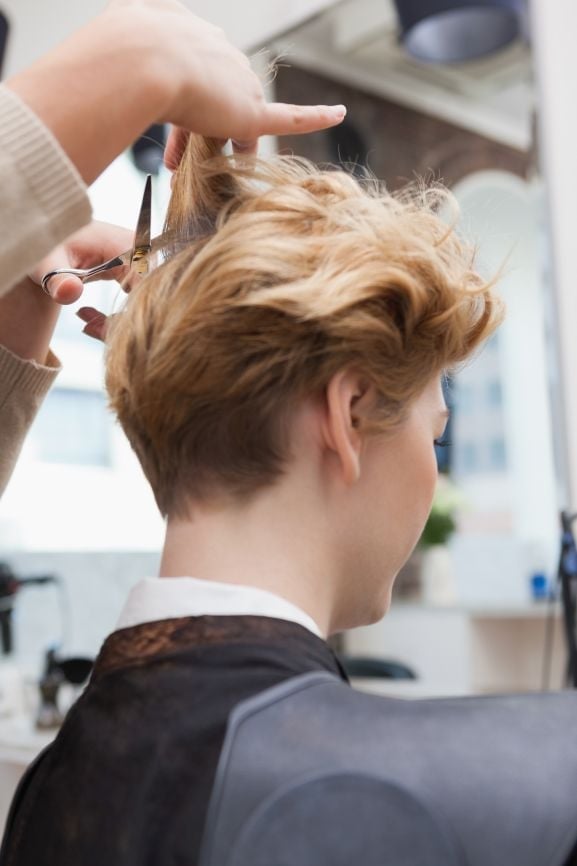
The shape adds movement to fine strands that can fall flat in a uniform crop. It suits wavy hair starting above the ear, where the natural wave gives the layers lift. If your hair is very curly or thick, the contrast between cropped back and longer top is harder to maintain.
Chin Length Bob With Curtain Bangs

A chin-length bob with soft curtain bangs and a middle part is built on gentle waves that keep the shape from looking severe. The light blonde base with subtle highlights adds dimension without a heavy color line. Ask your stylist for: chin length bob, soft curtain bangs, middle part. To create the waves, wrap sections around a large-barrel iron and let them cool before breaking them up with fingers. This cut works for everyday office life and casual weekends alike, offering movement without constant styling.
Chin Length Blunt Bob With Short Bangs
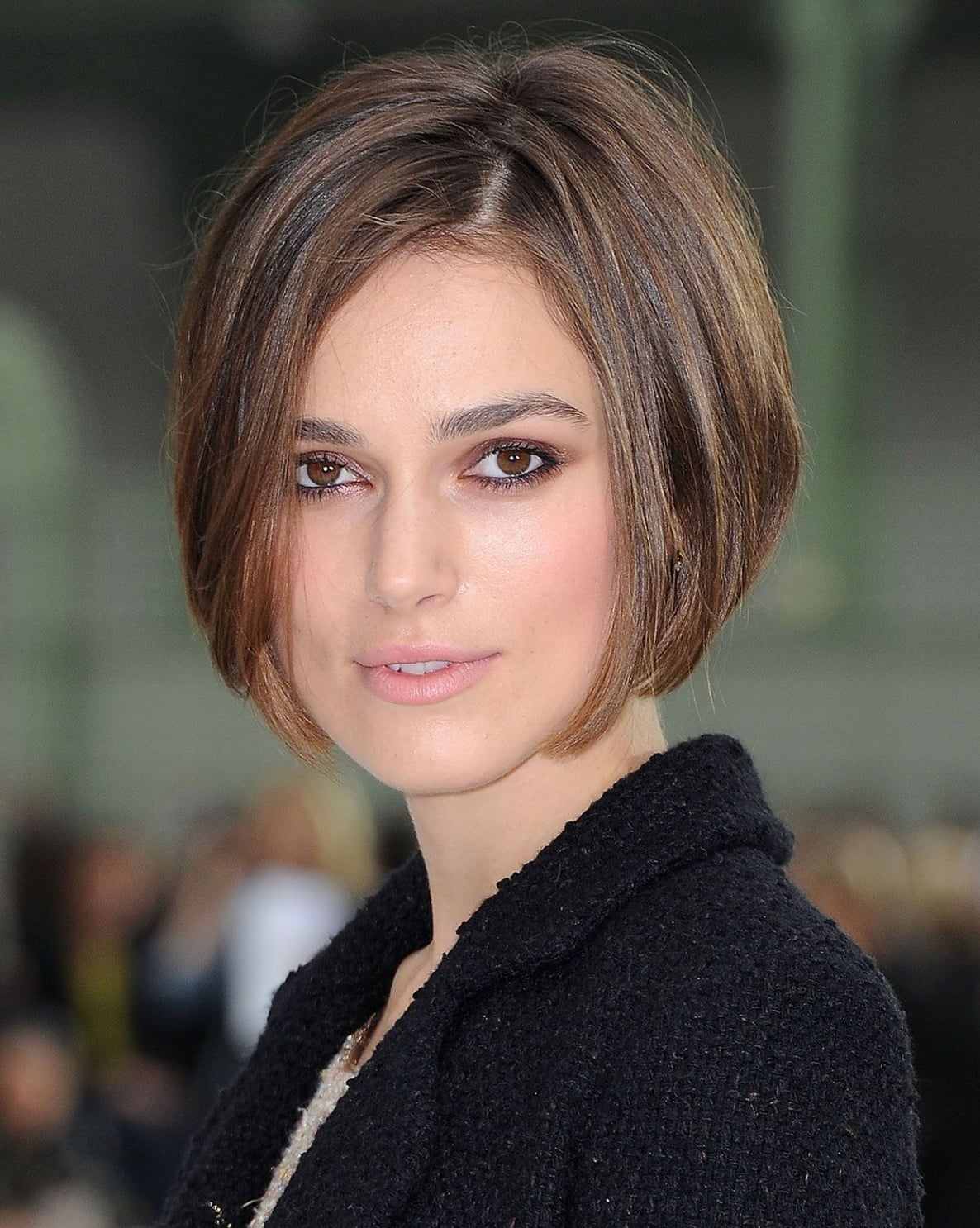
The dark brown base with subtle highlights keeps the shape from reading as flat. Ask your stylist for: chin length blunt bob, short blunt bangs. The sharp lines frame oval and long faces best, adding structure where softness might read as limp. Use a flat iron on dry hair and finish with a lightweight serum. The baseline needs a trim every six to eight weeks.
Angled Chin Length Bob
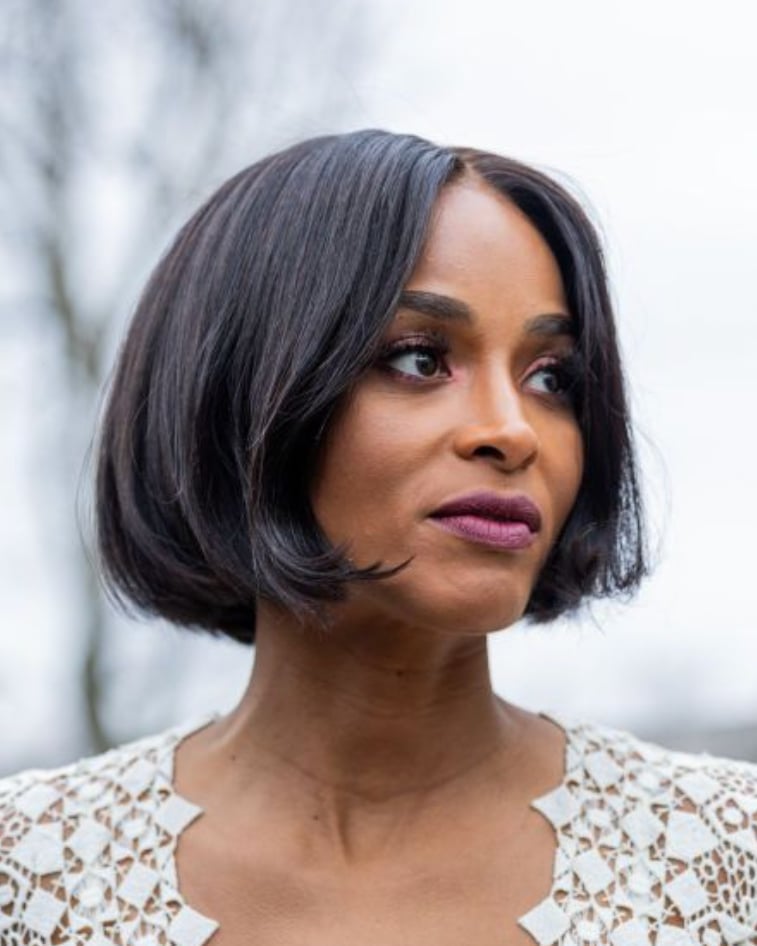
Does an angled bob always require a flat iron? Not exactly, but the sleek finish here comes from a smoothing serum and a paddle brush on damp hair. The cut hits the chin, shorter in the back and longer toward the front, with a side parting that adds asymmetry. Ask your stylist for: chin length angled bob, sleek finish. Thick, straight hair holds the shape best, and the angle helps elongate round faces. Blow-dry the front sections forward.
Daily styling takes about ten minutes: apply serum, blow-dry with a round brush, finish with a cool shot. The angled line stays sharp for about six weeks before the back catches up with the front. This is a cut that rewards consistency in upkeep.
Wavy Bob With Wet Look Styling
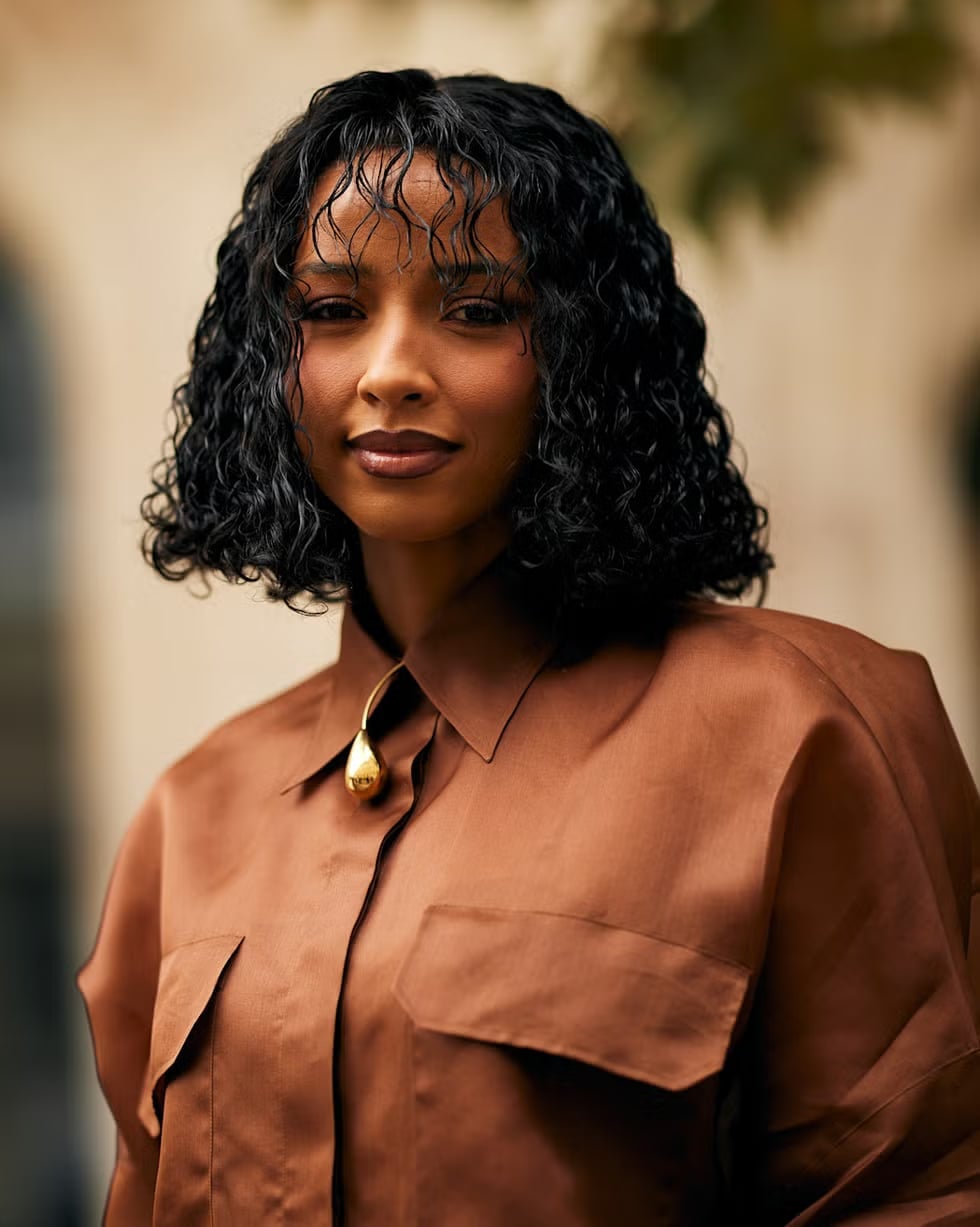
A chin-length wavy bob with a side parting and defined curls gets a glossy wet look finish. The black base and medium curly texture help the style hold its shape. Ask your stylist for: chin length wavy bob, wet look finish. This style needs a salon visit: the cut requires precise layering to keep the curls from forming a triangle, and the wet look needs a heavy gel or mousse applied to damp hair, then diffused or air-dried without touching. A trim every six to eight weeks keeps the line clean and the curl pattern springy.
Silver Grey Wavy Bob
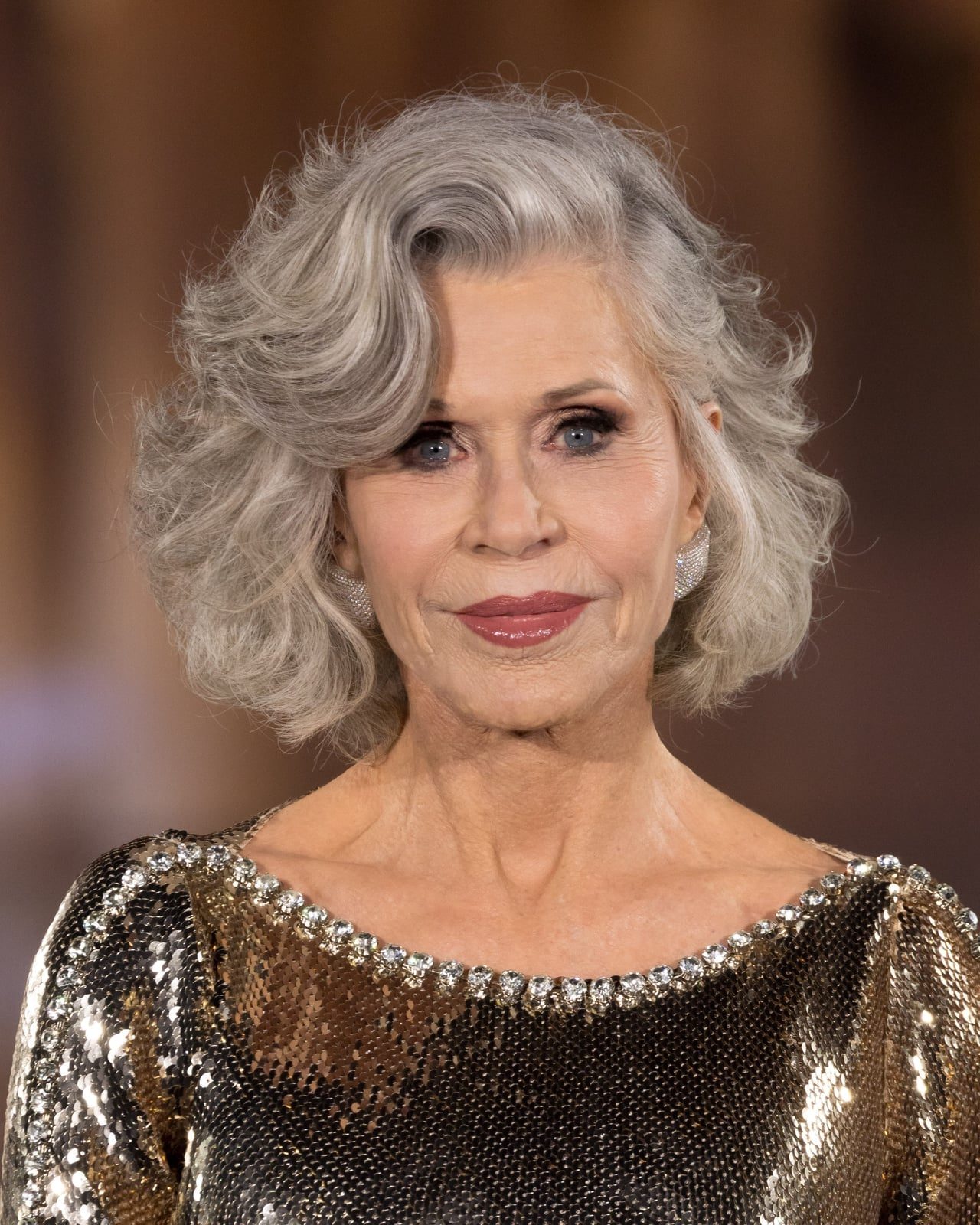
A silver grey wavy bob at shoulder length with a side part and soft blowout waves is not the same as a platinum bob. The difference is tone: silver grey sits cooler and more muted, which means it blends better with natural grays as they grow in. Fine wavy hair starting at shoulder length takes the soft shape well, especially on longer face shapes that benefit from the width at the sides. Ask your colorist for: shoulder length wavy bob, silver grey color. A texturizing spray on dry hair enhances the gentle waves without weighing them down. Expect a trim every six to eight weeks and a toning appointment every four to six weeks to keep the silver from shifting brassy.
Shoulder Length Shag With Curtain Bangs
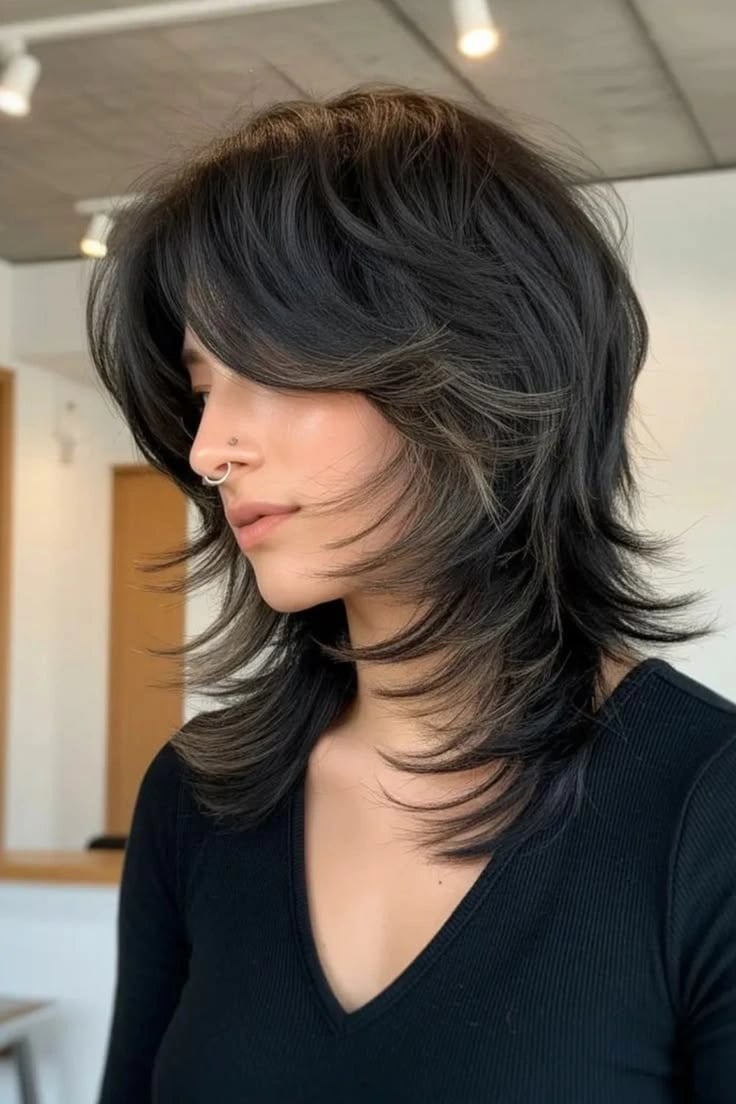
A shoulder-length shag with heavy layers and curtain bangs works the layers through the ends, leaving the top dense enough to hold the shape. The thick, wavy texture here means the layers land as distinct pieces and do not melt into one another. The ash-toned highlights against the black base add depth without looking stripey.
Ask your stylist for: shoulder length shag, heavy layers, curtain bangs. This cut is built for casual days when you want to wash and go: the layers do the work, and a bit of texture paste worked through dry hair sharpens the ends. A trim every six to eight weeks keeps the shag from becoming a shapeless blob.
Messy Bun With Darker Roots
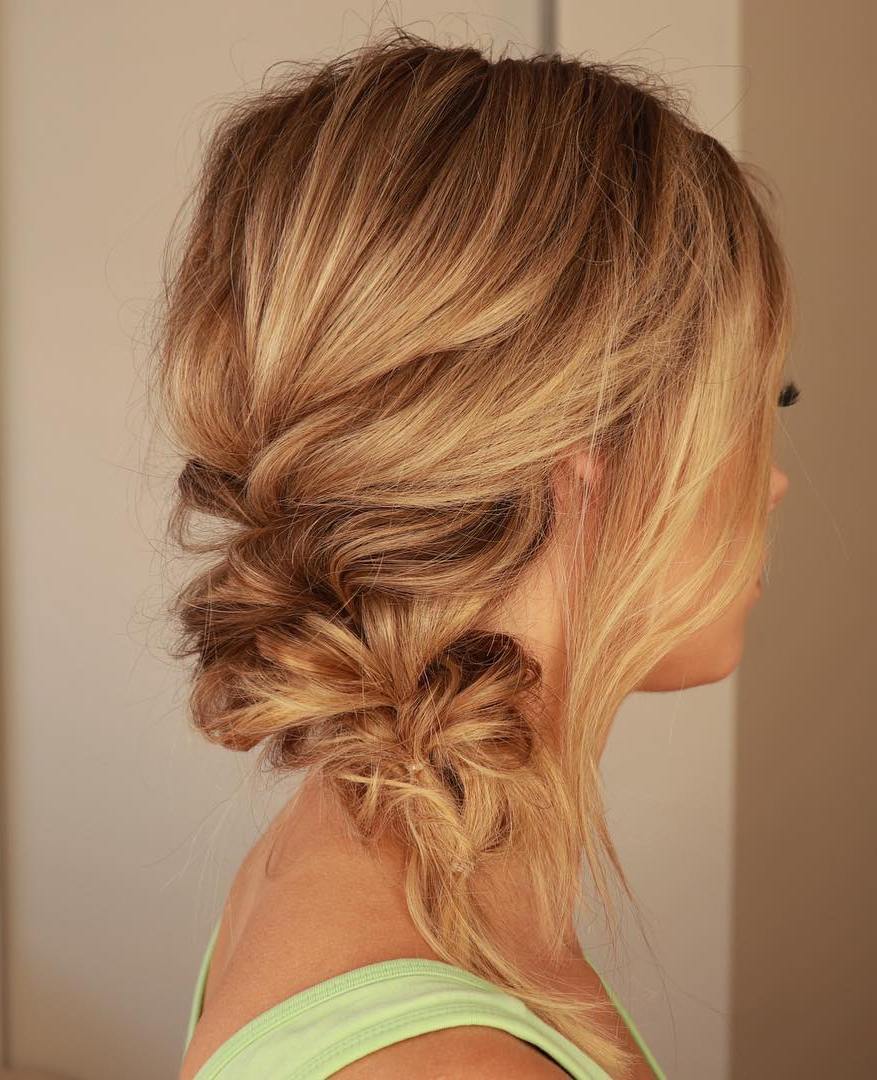
This is a DIY move: gather the hair loosely at the back, twist into a bun and secure with pins or an elastic. The style holds for a day or two with minimal touch-ups, and the darker roots mean you can skip the salon for an extra few weeks. A trim every eight weeks keeps the ends healthy enough to pull back cleanly.
Collarbone Blunt Bob
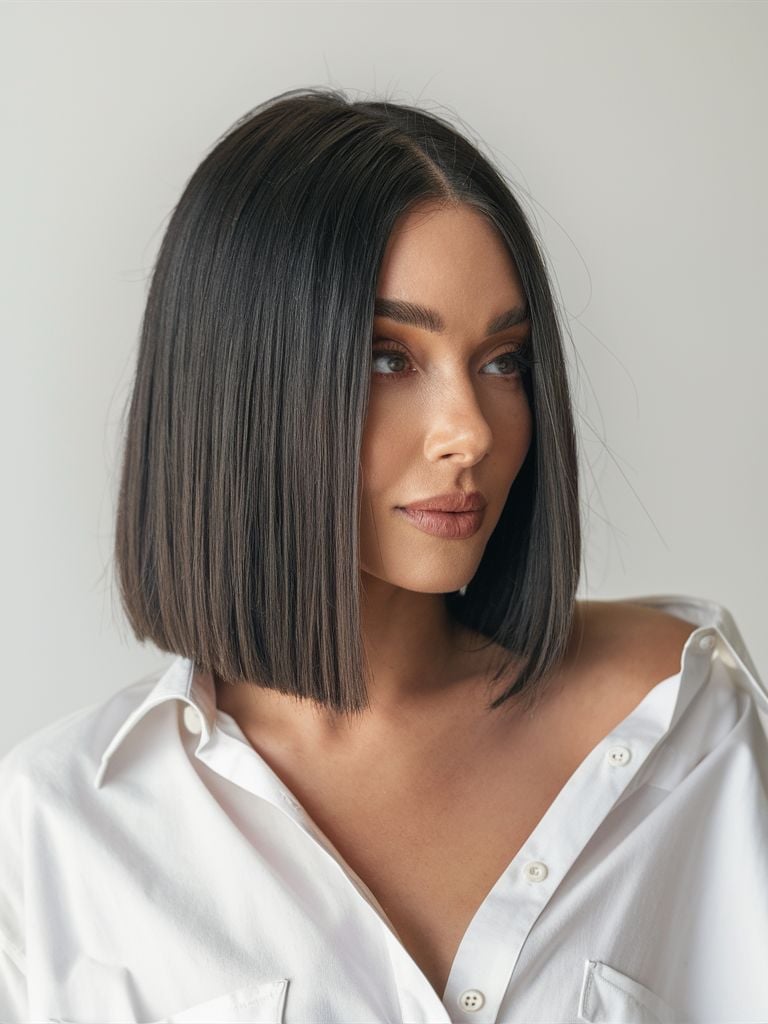
A collarbone-length blunt bob with a middle part and sleek straight styling creates a sharp, precise line that looks polished from every angle. The dark brown base with a subtle root shadow adds depth without competing with the cut’s geometry. Thick, straight hair starting at collarbone length holds the blunt edge best, especially on oval and long face shapes. Ask your stylist for: collarbone length blunt bob, middle part. A blunt cut shows every split end and uneven snip, so a trim every six to eight weeks is necessary. A flat iron gives the straight finish, but the real work is in the scissor work underneath.
Asymmetrical Blonde Bob

How do you get that sharp, angled line without it looking like a mistake in the back? This short blonde bob relies on a precise asymmetrical cut, shorter at the ear and extending longer toward the front. The side parting and sleek, straight finish make the angle the whole point. Fine, straight hair starting above the ear holds this shape best. Ask your stylist for: short asymmetrical bob, longer front, blonde. A smoothing cream and a paddle brush during blow-drying are all you need for the finish.
Layered Bob With Side-Swept Bangs
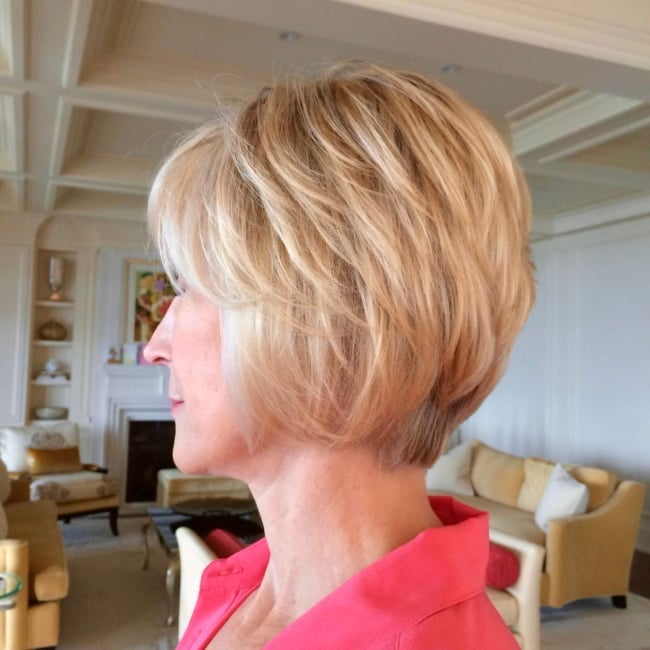
A layered bob that ends around the ear works because the layers add movement where a blunt line might sit flat. This version pairs that shape with side-swept bangs and a textured, wavy finish. Thick, wavy hair starting above the ear is the ideal candidate, since the natural volume gives the layers something to work with. A rounder face shape also softens nicely against the asymmetric bang sweep. Ask your stylist for: layered bob, side-swept bangs, textured waves. The side part keeps the bangs from falling into your eyes.
Shoulder Length Lob With Volume

The volume here comes from the blow-dry technique, not from layers alone. This shoulder-length lob uses subtle, cascading layers and face-framing pieces that curve away from the face, all lifted at the crown. Medium-density straight hair starting at collarbone length is the sweet spot. Ask your stylist for: shoulder length lob, face-framing pieces, volume on top. To recreate the lift, use a round brush at the roots and direct the front sections forward and away from the face. The middle part keeps the volume balanced on both sides.
Mid-Back Fishtail Braid
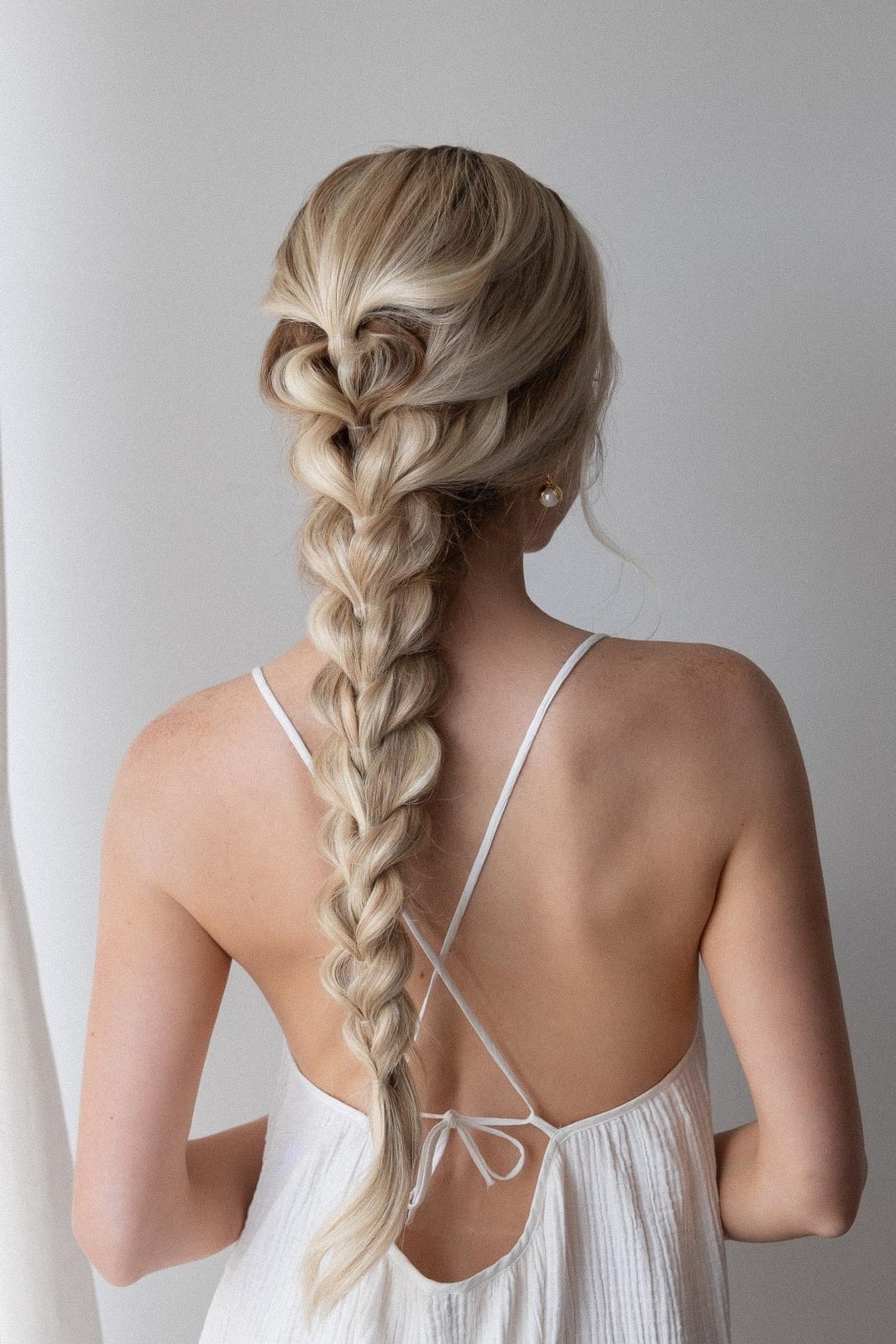
How long does a fishtail braid take on thick, wavy hair? About ten to fifteen minutes once you have the rhythm. This mid-back style uses a detailed fishtail weave that reads as intricate but is just two sections crossing over. The blonde highlights add depth to the pattern, making each twist visible. Thick, wavy hair of mid-back length or longer works best, as fine hair may not hold the tension. Ask your stylist for: mid-back fishtail braid, blonde with highlights.
For upkeep, gently pull on the woven sections to loosen them for a softer finish. The braid holds well for a full day and can be slept on for a second wear with a bit of dry shampoo at the roots.
Voluminous High Ponytail With Waves
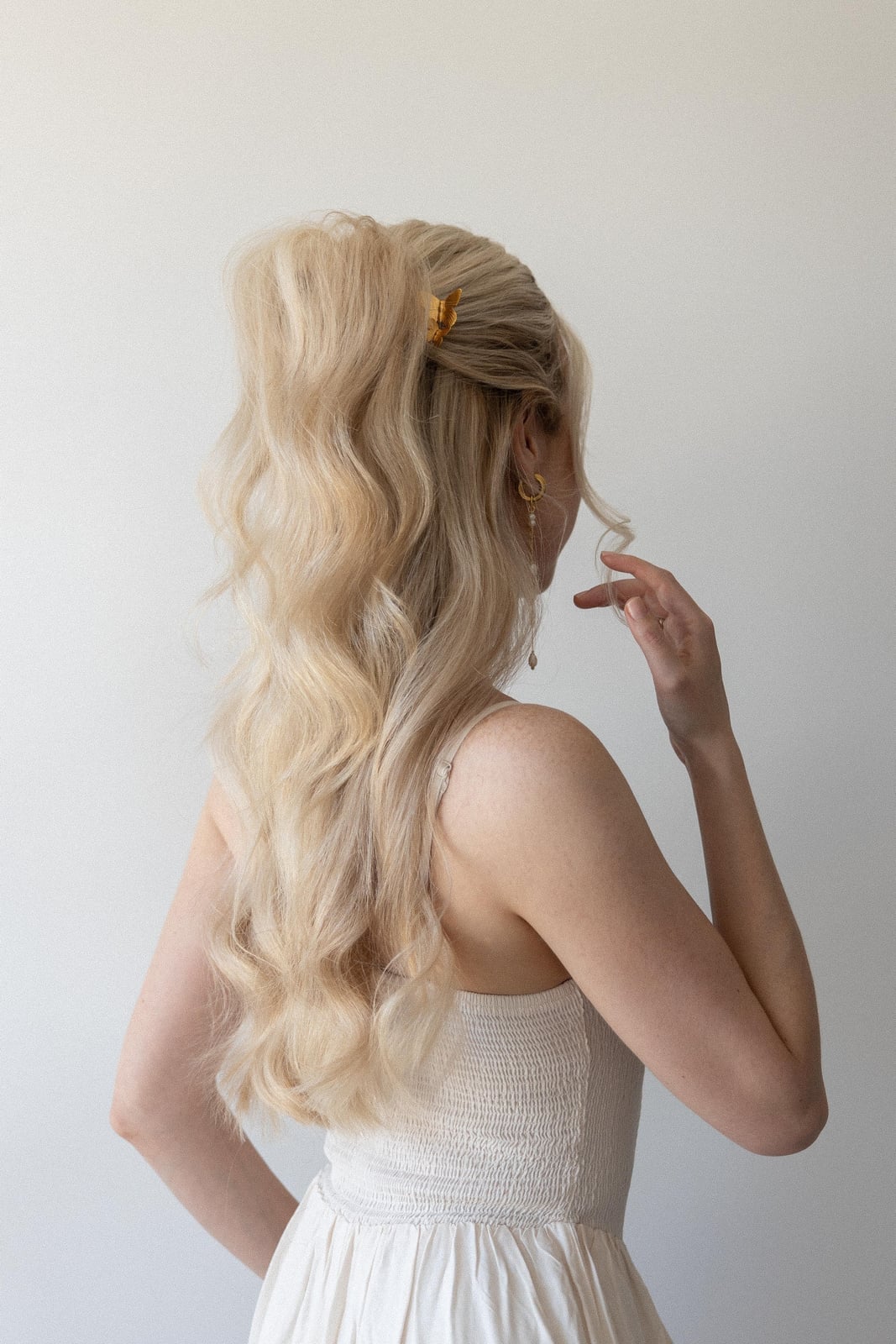
A high ponytail with loose waves and wispy face-framing pieces is the kind of styling that looks salon-level but is doable at home with the right prep. The key is teasing the crown before gathering the hair up, which gives the ponytail its height. This version works on mid-back length hair of any texture, though the wispy pieces soften the overall shape. Ask your stylist for: high ponytail, wispy face-framing pieces. The root shadow on the platinum blonde base adds depth and hides grow-out.
For a special occasion, curl the ponytail sections with a large-barrel iron before assembling. For everyday, a quick bend from a flat iron and a spritz of hairspray is enough. The face-framing pieces should be cut to hit just below the chin so they blend when the hair is down.
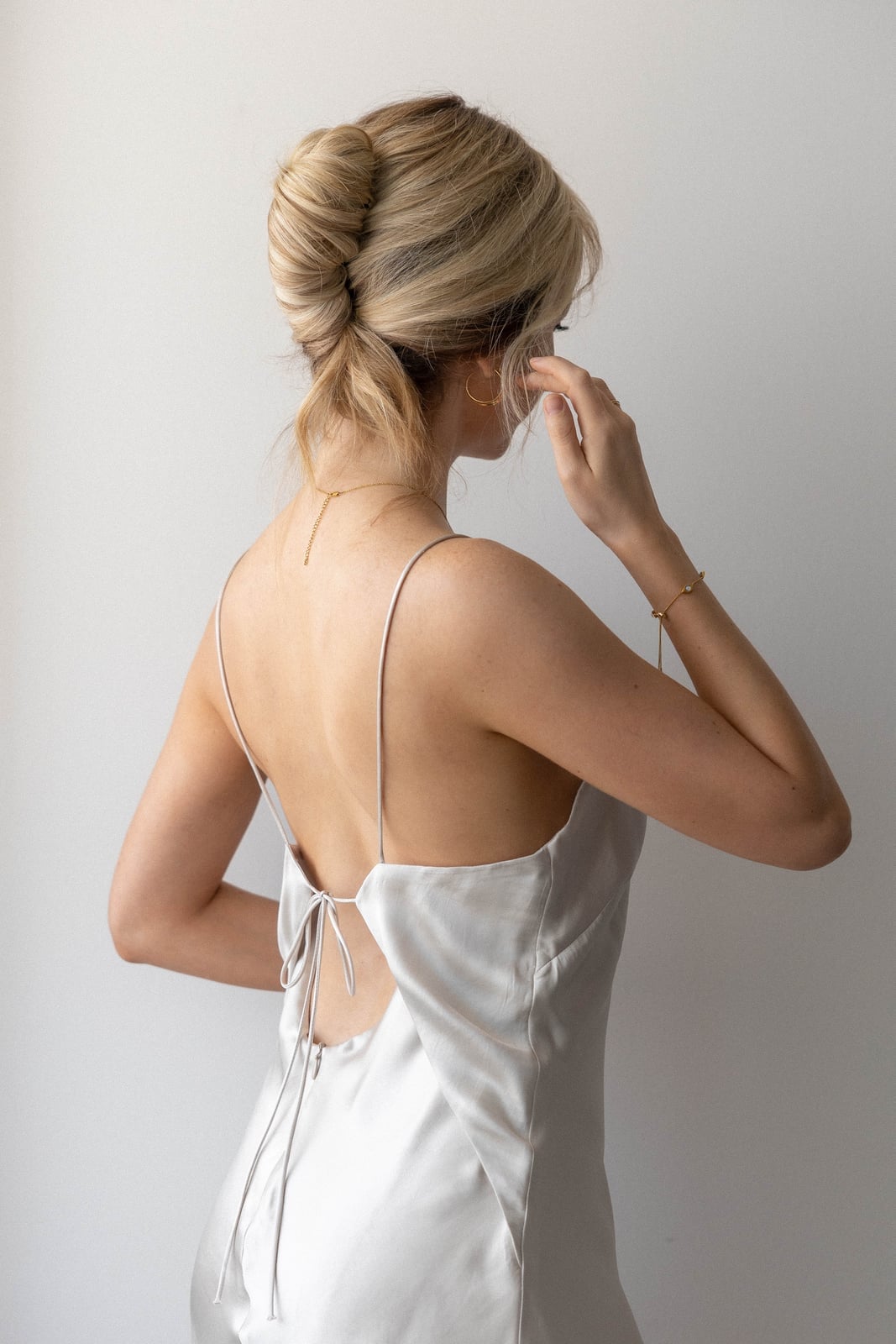
Honey Blonde Rolled Updo
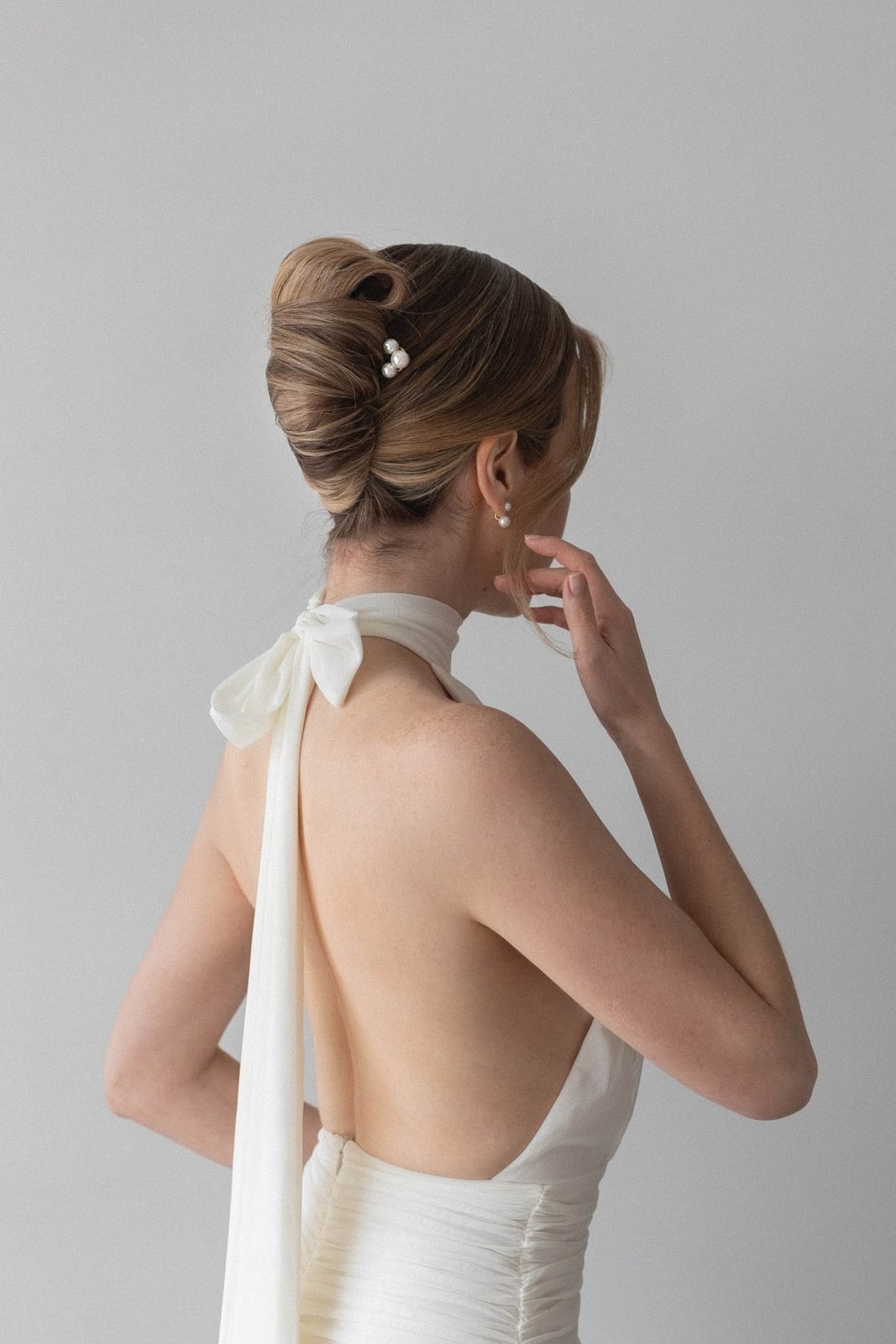
A rolled updo is the slightly less formal cousin of a sculpted chignon, trading hard edges for soft, rounded sections that stack neatly at the back. It suits fine to medium straight hair at collarbone length or longer, where the weight of a denser style would fight the smooth shape. Ask your stylist for: elegant rolled updo, soft fringe pieces. The soft fringe pieces left out around the face keep it from reading as severe, and a few bobby pins plus a firm-hold hairspray will hold the rolled sections in place through an evening. This is a salon build, not a bathroom-mirror job; the precision of the roll and the pin placement matter more than the product.
Ash Blonde Classic Bun
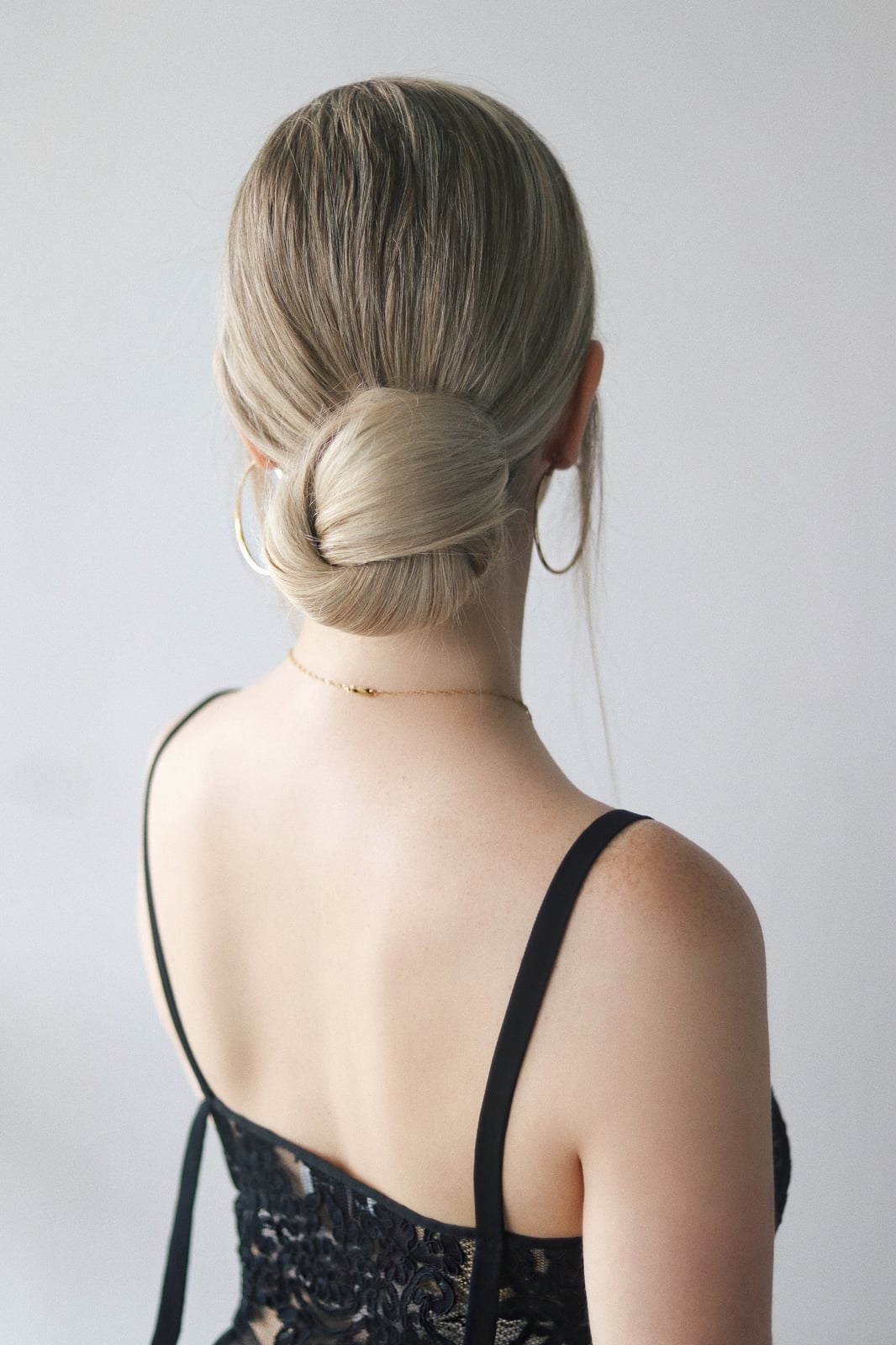
It works best on fine, straight hair at collarbone length or longer, where the texture cooperates with the taut pull. Ask your stylist for: sleek classic bun, ash blonde. The drawback is the time commitment; getting that flawless surface on fine hair often requires a smoothing brush, a boar bristle finish and several rounds of hairspray, and even then, a few flyaways may insist on making themselves known. The result is polished enough for a professional setting, but plan for a solid fifteen minutes of pinning.
Blonde Twisted Updo
An intricate twisted updo uses the hair’s own thickness as structure, with sections woven and pinned so the design holds itself together. It needs thick, straight hair at mid-back length or longer; anything less and the twists lack the heft to stay visible. Ask your stylist for: intricate twisted updo, blonde. The middle parting visible at the back gives the updo a symmetrical anchor point that keeps the twists balanced on both sides.
This finish looks best on day one, when every twist is crisp and the pins are fresh. By the next day, the tension relaxes and the pattern softens, so it is really a single-event style. A salon build is required here; the sectioning and pin placement need a second pair of hands and a practiced eye.
Final Thoughts
For fine hair, keep a blunt baseline and skip heavy layers so the ends look dense. For thick hair, longer layers or strategic internal thinning help the shape sit without puffing out. Find the simple cut that works for your lifestyle.
- Trim blunt bobs and pixies every six to eight weeks.
- Layered cuts may need trims every eight to ten weeks to maintain shape.
- Refresh color with glossing treatments between salon visits.
- Use heat protectant spray before blow-drying or heat styling.
- Wash hair two to three times a week to preserve natural oils.