
Curly hair is moving past simple definition into the territory of shape, color, and texture. The latest cuts favor soft face-framing layers, curtain bangs, and lived-in color that grows out gracefully, leaving the crunchy, scrunched look behind.
This collection of 29 ideas for a Trendy Curly Hair Routine spans from long, layered styles to short, structured cuts, with options for every curl type and maintenance level. Whether your hair is fine and falls flat or thick and prone to volume, you’ll find a cut and routine that works. Say goodbye to awkward grow-out phases and fringes that won’t sit right.
Mid-Back Length Layers With Face-Framing

Face-framing layers on curly hair do not just sit there; they redirect the curl pattern around the face, which is why this shape adds movement without losing length. The dark brown base with subtle caramel highlights gives the curls depth, while the middle parting keeps everything balanced. Medium density hair benefits most here, too fine and the layers can look sparse, too coarse and they might not fall as softly. Ask your stylist for: mid-back layers with face-framing, soft caramel highlights. Air drying with a curl-defining cream works well; a trim every 10 to 12 weeks keeps the shape from turning into a triangle.
Chin Length Cut With Curtain Bangs

Can a chin-length cut still read as soft? Only when it has curtain bangs and visible layers. The side parting and subtle blonde highlights break up what could otherwise feel like a blunt block of curl. The curtain bangs blend into the face-framing layers, so the transition from short fringe to longer sides is gradual rather than abrupt. Ask your stylist for: chin length layered cut, curtain bangs, subtle blonde highlights. The trick is keeping the bangs long enough to tuck behind your ear when they misbehave.
Long Layered Mid-Back With Balayage
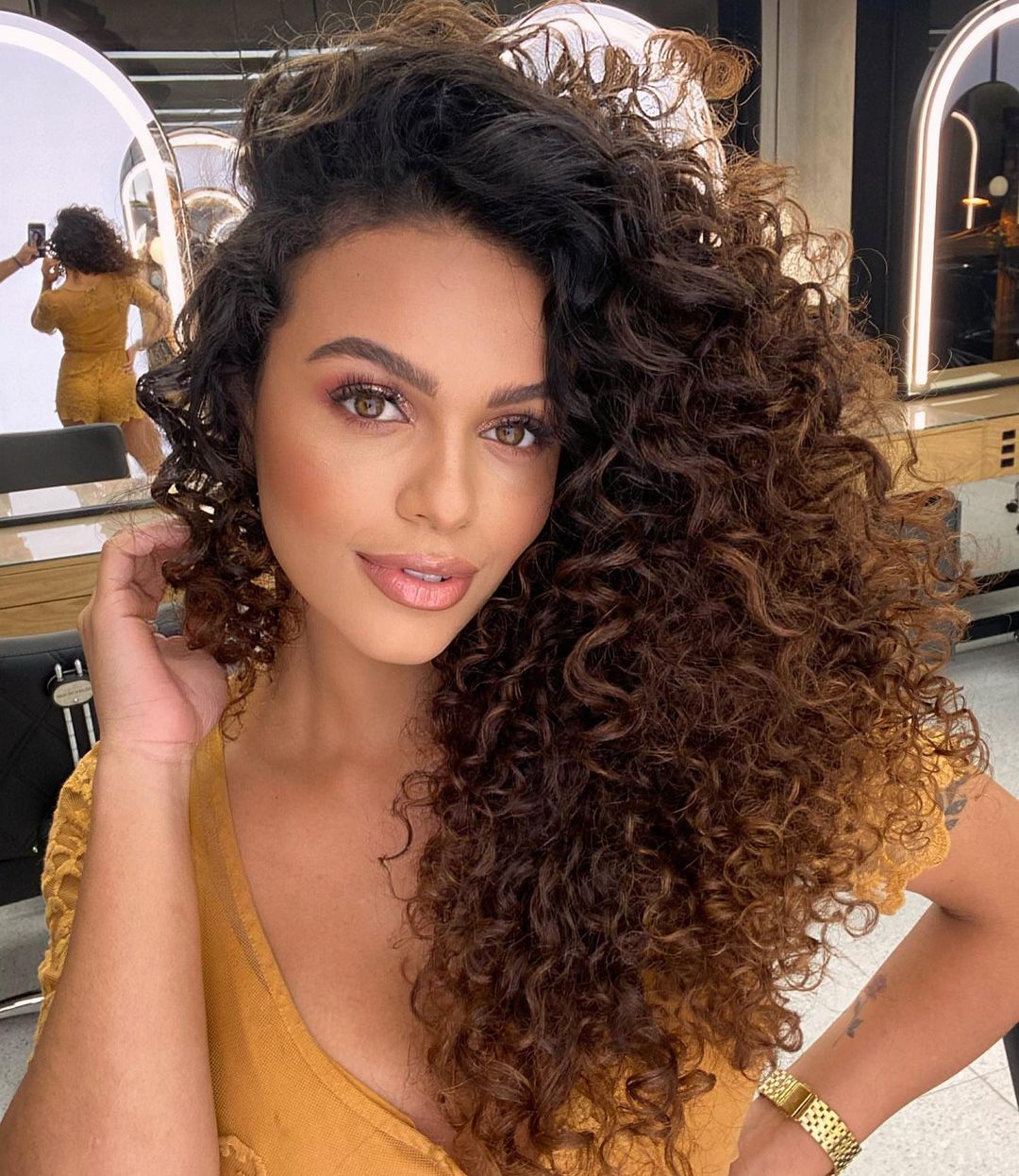
A blunt hemline on long curly hair can look heavy, whereas long layers let the curls stack without that shelf-like weight. The blonde balayage here starts lower on the dark brown base, so the roots stay natural and the grow-out phase is mercifully low-maintenance.
That middle parting and no bangs mean the face gets full exposure, which suits oval and heart shapes best. If your face is round, keep the layers starting below the chin to avoid adding width at the cheeks. Ask your colorist for: mid-back length layers, dark brown with blonde balayage.
Thick Mid-Back Curls With Caramel
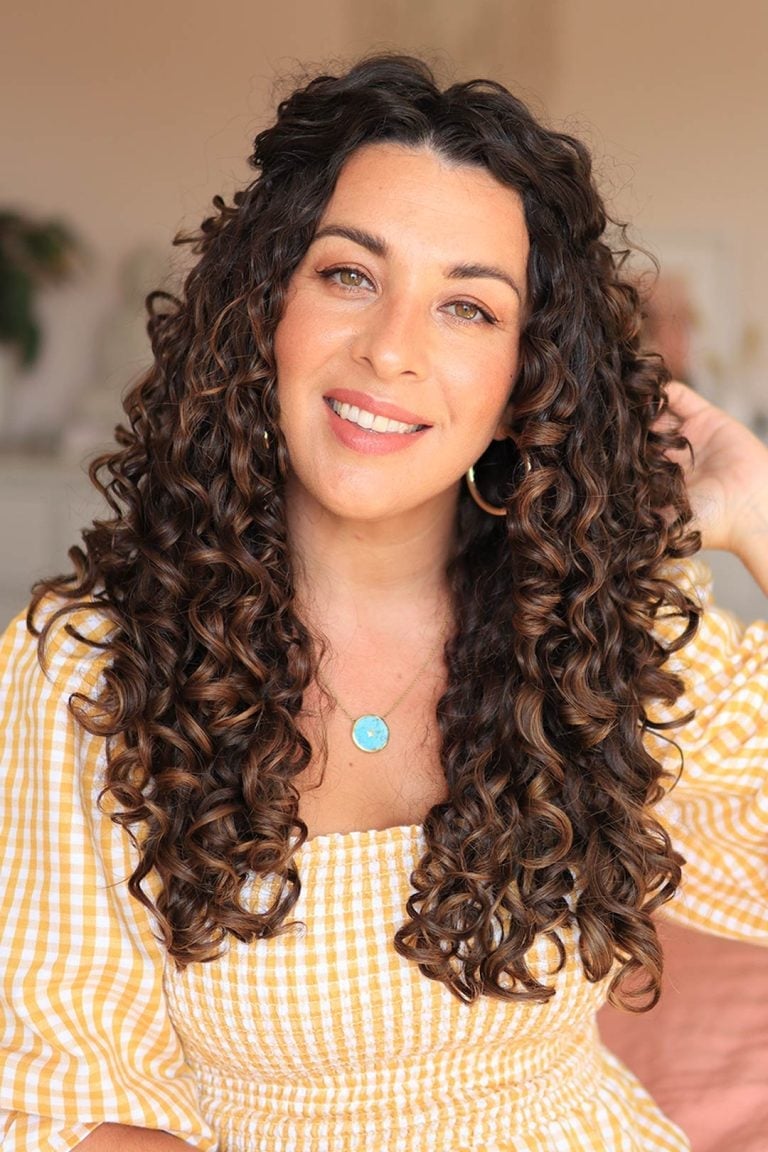
Thick curly hair at mid-back length has a tendency to get heavy, which is why the caramel highlights here are not just decorative. They create visual breaks that keep the shape from reading as one solid mass. The dark brown base anchors the warmth of the caramel, and the defined curl pattern means this style does not need much interference to look finished. Ask your colorist for: mid-back length, dark brown with caramel highlights, rich curl definition. A wide-tooth comb on wet hair prevents breakage, and air drying or diffusing adds volume without extra heat.
Long Dark Brown With Warm Balayage
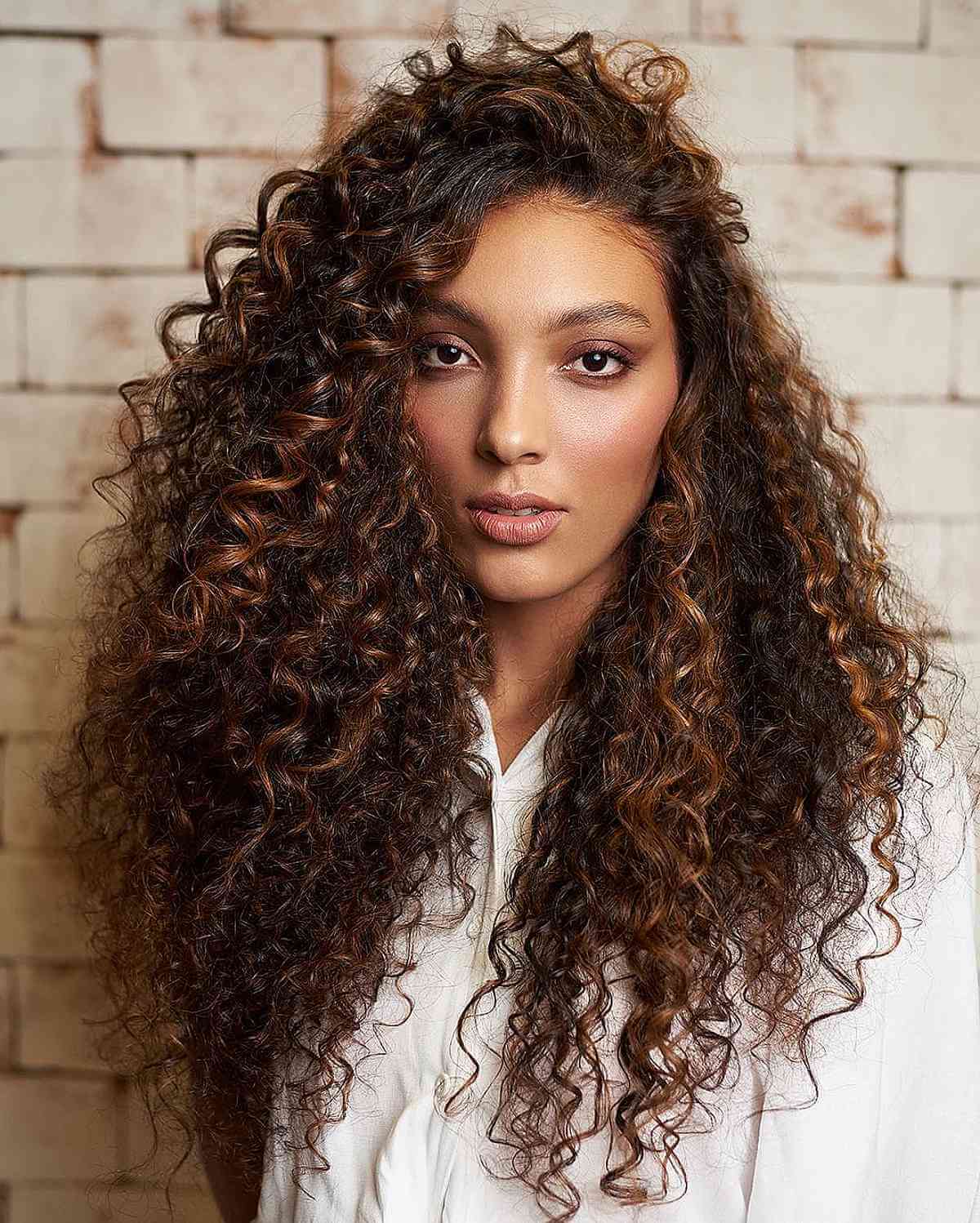
The warm balayage on this dark brown base is painted onto the mid-lengths and ends, not the roots, which creates a sun-kissed effect that looks grown out in a flattering way. Long layers are the structural choice here because they let the curl pattern spiral freely without the bulk that can flatten the top.
Thick texture carries the balayage well. The color lands on the surface of each curl, so the dimension shifts as the hair moves. No bangs keep the focus on that interplay of dark base and warm tone. Ask your colorist for: mid-back length, dark brown with warm balayage, defined curls. A sulfate-free shampoo extends the life of the color between toning appointments.
Short Layered Pixie With Curly Bangs
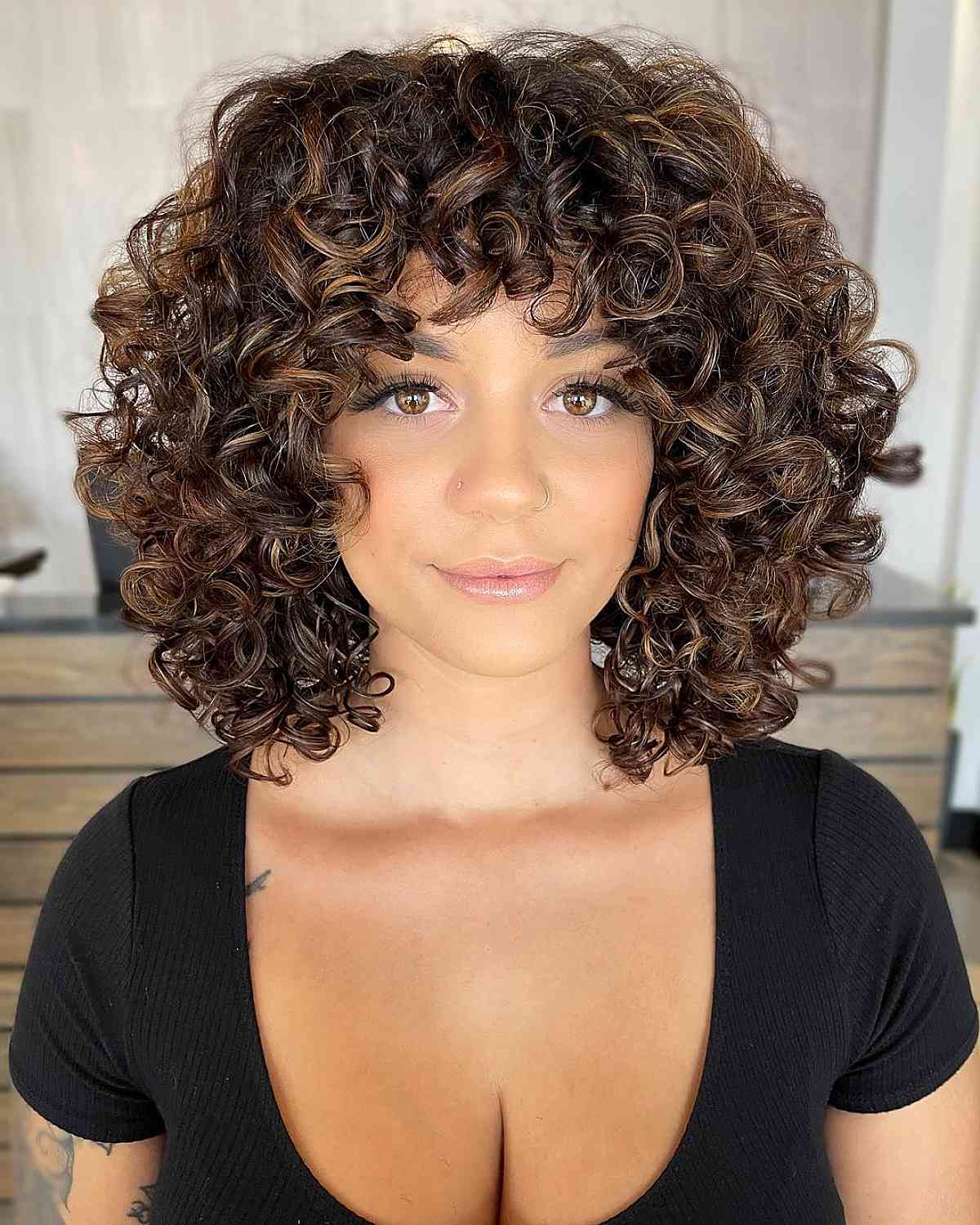
Can a pixie actually work when your hair refuses to lie flat? Yes, but only if the cut leans into the curl instead of fighting it. This short layered pixie ends around the ear, with fine curls and short curly bangs that give the shape its texture. The dark brown base carries subtle lighter tones, which keeps the fine strands from looking flat. Ask your stylist for: short pixie cut, short curly bangs. The trade-off is maintenance: those bangs need a trim every four to six weeks, or they start to feel like a curtain you forgot to hem.
Short Cut With Shaved Sides
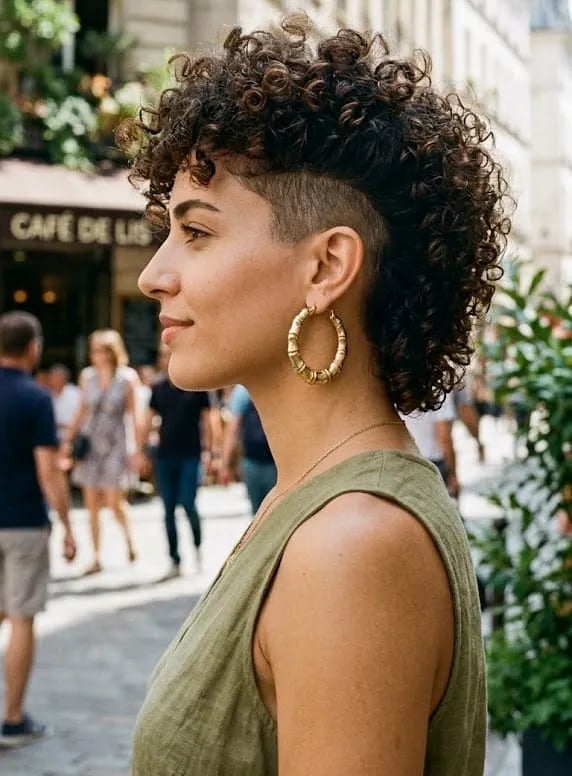
If a traditional curly cut feels too polite, this undercut is the louder sibling. The shaved sides contrast sharply with thick, naturally textured curls on top, styled away from the face and ending around the ear. It suits thick curly hair that can hold its own shape without product gymnastics. Ask your stylist for: short cut with shaved sides. This one is strictly salon territory, since keeping the undercut clean means regular barber visits, while the air-dried curls on top stay happily low-effort between trims.
Shag Style With Choppy Bangs
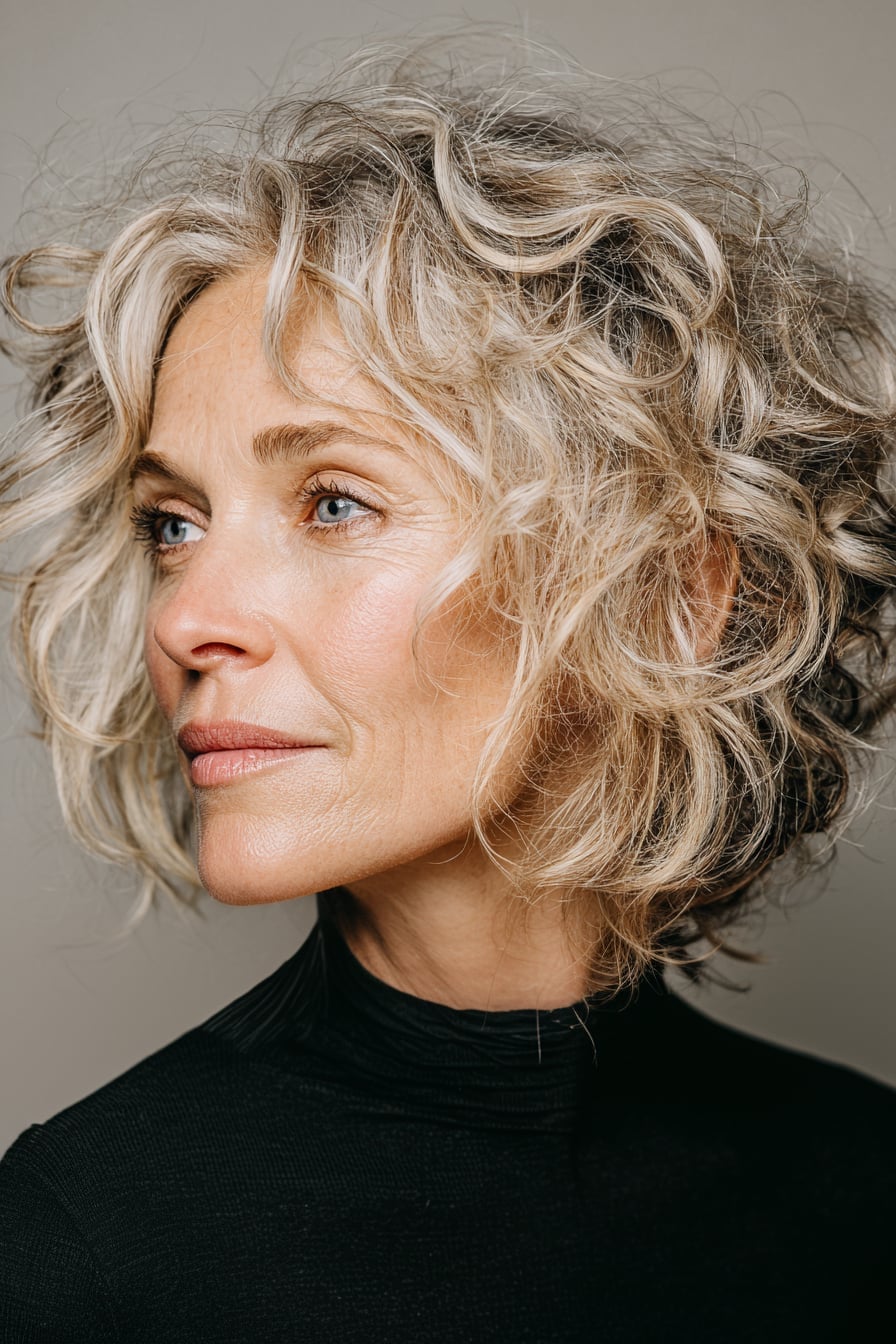
The ash blonde base with silver highlights adds dimension without looking painted on. Ask your stylist for: short shag cut, choppy bangs, ash blonde and silver blend. The key is specifying “choppy” rather than “soft,” because the uneven ends are what give the style its air-dried character. Dense curls take well to this cut, since the layers stop the weight from pulling the shape down.
Thick Mid-Back Layers With Balayage
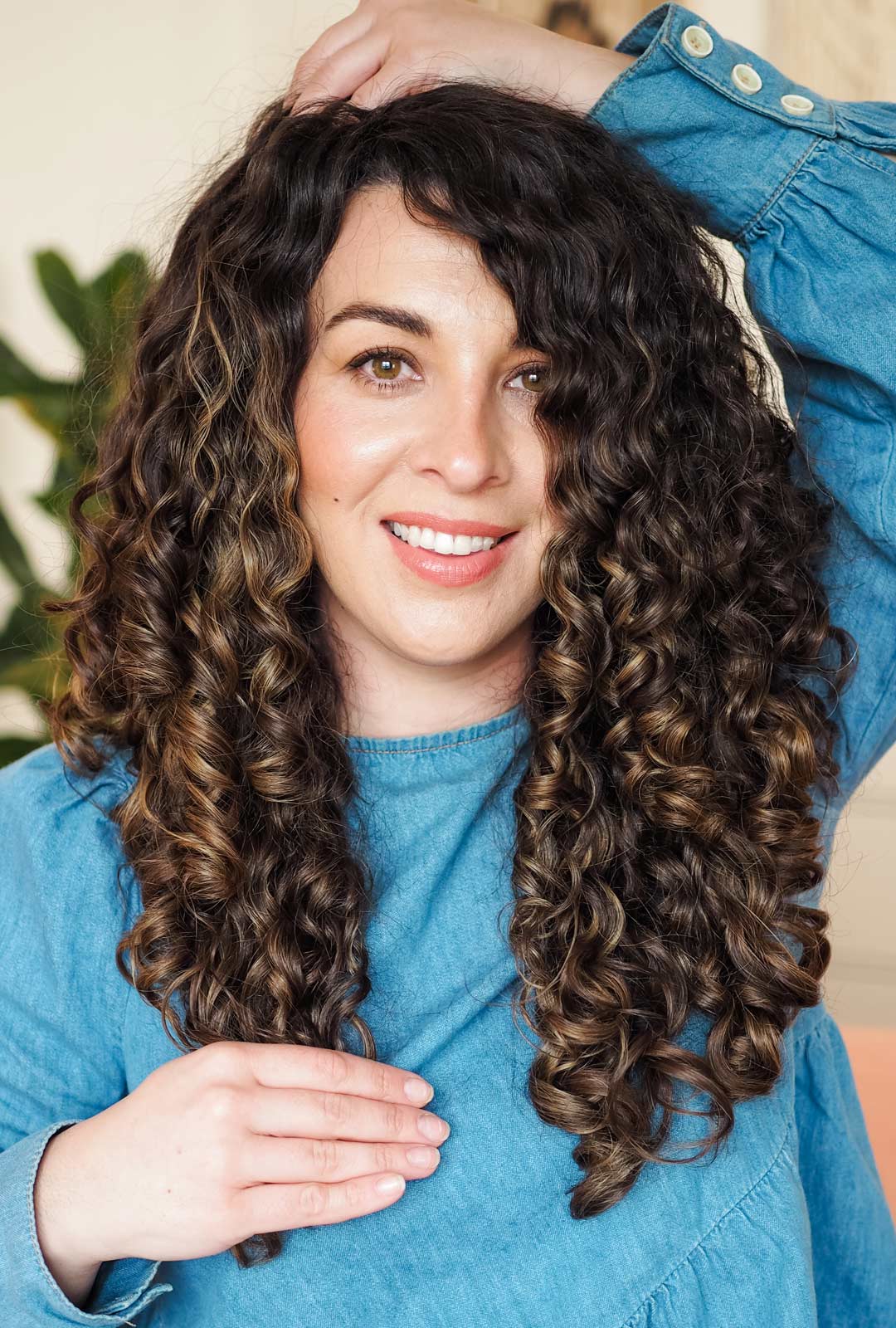
Thick hair has a habit of becoming a triangle if the layers aren’t doing their job. This cut keeps long layers through the mid-back length, with face-framing pieces that break up the volume. The dark brown base gets a warm balayage, which adds dimension without demanding a root touch-up every few weeks. Ask your stylist for: mid-back length long layers, warm balayage, face-framing pieces. A diffuser on low heat helps the defined curls hold their pattern, and a trim every ten to twelve weeks keeps the ends from getting see-through.
Mid-Back Curls With Caramel Contrast, Layers
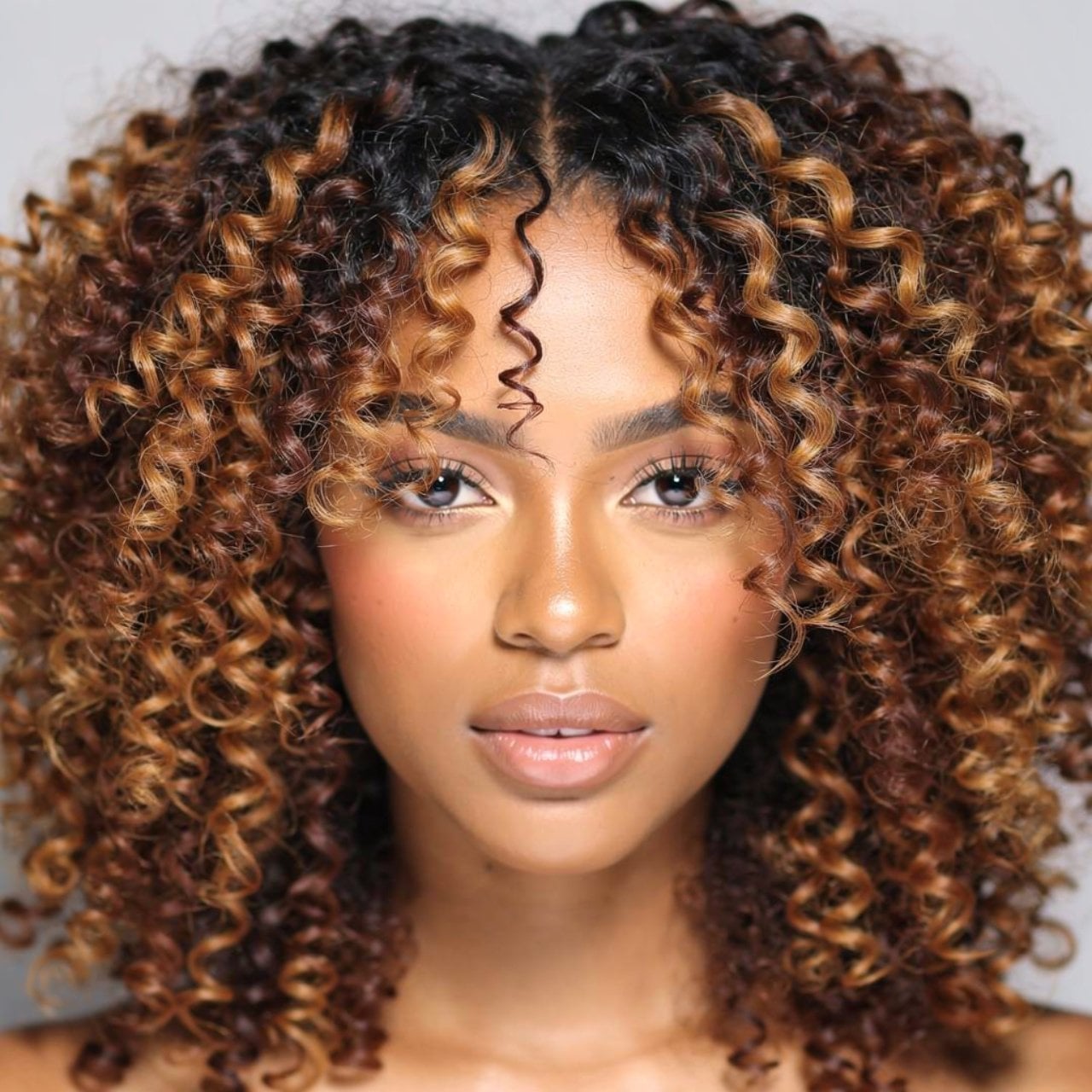
The trick here is contrast, not coverage. This mid-back cut keeps the dark brown base and lets caramel highlights land in scattered sections, so the color creates dimension. The layers work with the natural curl pattern, which is air dried to keep the volume honest. Ask your colorist for: dark brown with striking caramel highlights. The middle parting helps the curls fall evenly on both sides. The contrast makes the impact, so the cut itself can stay simple: layers through the mid-back length, no bangs, no extra drama.
Collarbone Layers With Auburn Tones
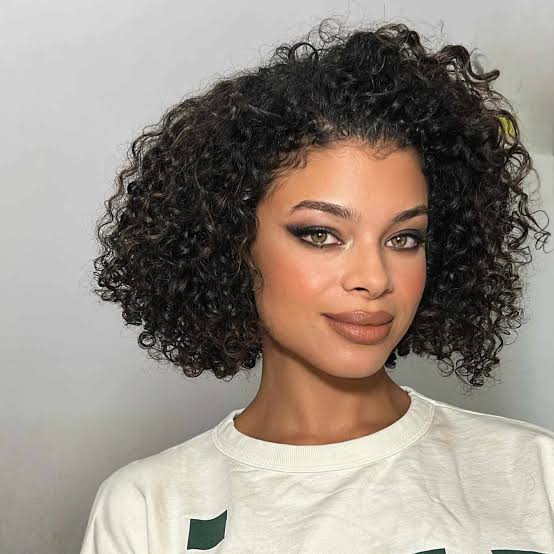
Who actually benefits from stopping at the collarbone instead of riding the length train all the way down? Anyone with medium density curls and a face that wants soft framing, since the short curly bangs cut the vertical line and the layers give the wave pattern somewhere to land. The dark brown base with auburn highlights adds warmth without demanding a full color commitment.
Ask your colorist for: collarbone length layers, short curly bangs, dark brown with auburn tones. A middle parting keeps the shape symmetrical, and defined curls that look air-dried are the whole point. The bangs need the most attention, so plan on refreshing them with a diffuser most mornings and a trim every six to eight weeks to keep them from turning into an accidental curtain.
Short Black Bob With Wispy Bangs
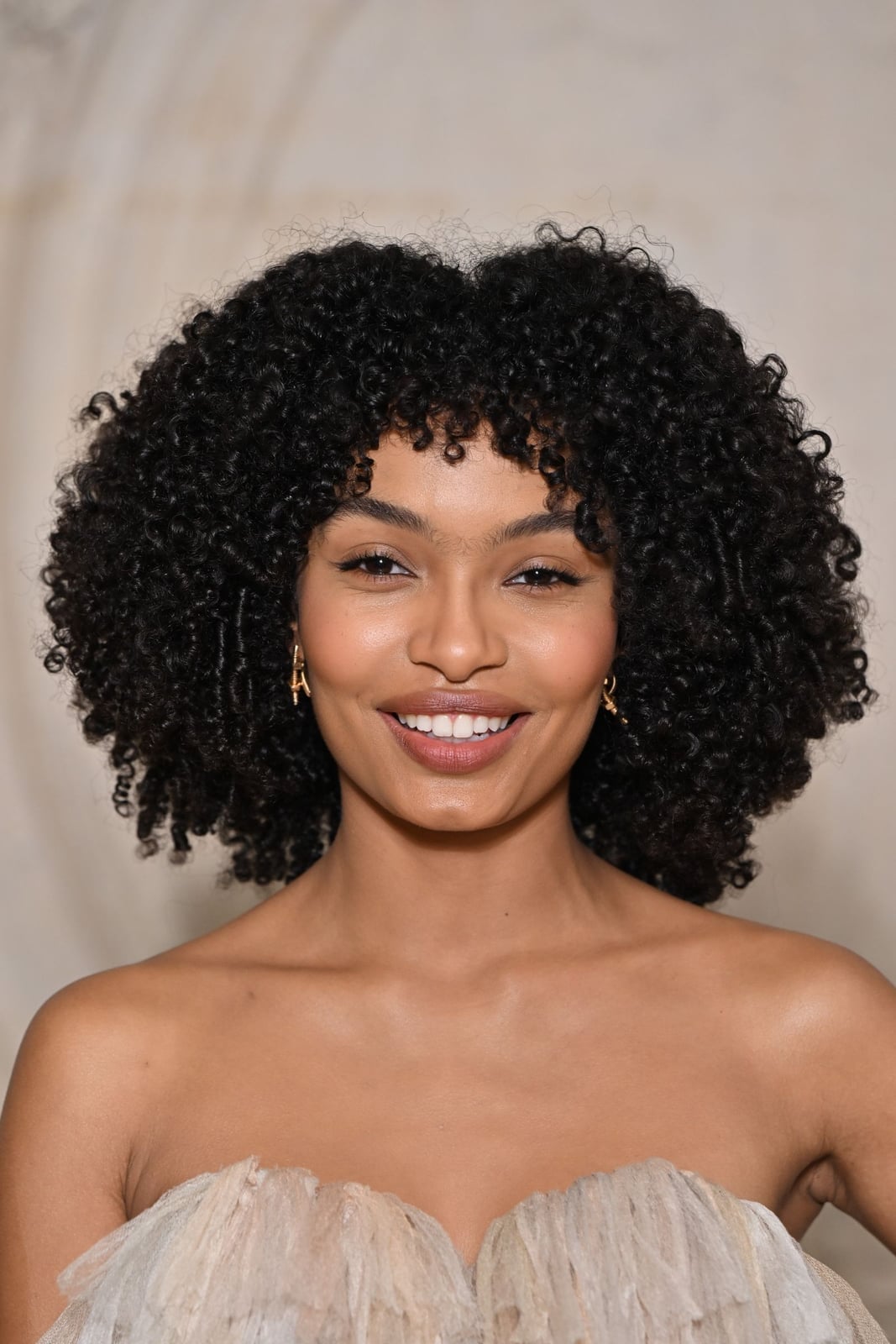
The clever part of this cut is that the wispy bangs do the heavy lifting while the ear length keeps everything compact. Ask your stylist for: short layered cut, ear length, short wispy bangs, black color. Dense curls take well to this shape because the layers remove enough weight to let the pattern spring up without poofing out. Keep the side parting and let it air dry, since the texture is defined enough that extra manipulation just invites frizz. It is a salon cut through and through, so bring a reference and be specific about the bangs being wispy, not blunt.
Thick Mid-Back With Subtle Highlights
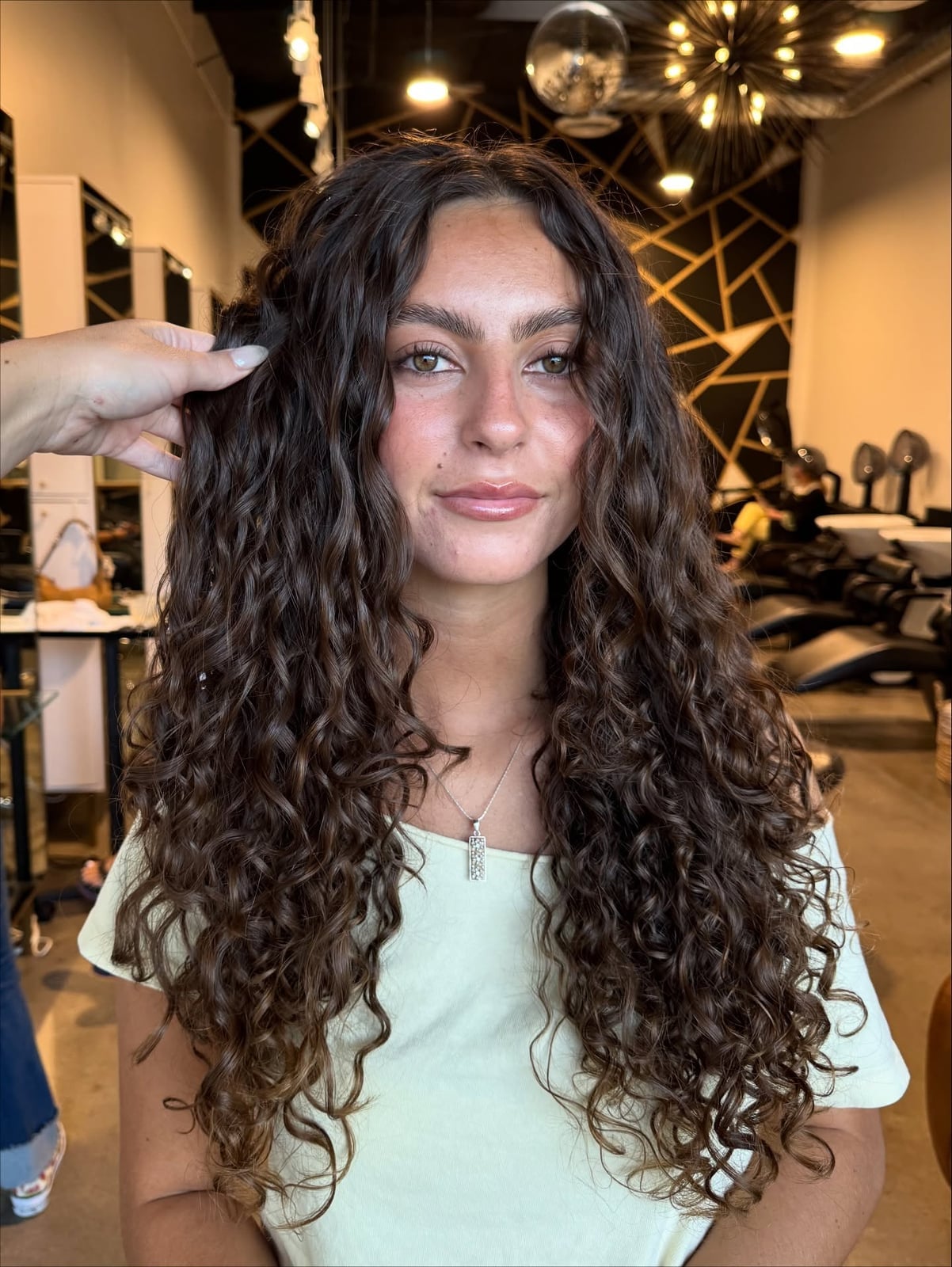
Long, thick curls to mid-back look low maintenance until you actually have to wash, dry and keep them from turning into one solid triangle. The subtle highlights are the smart part here, since they add dimension through the lengths without the root upkeep of a full balayage. Dark brown with lighter pieces woven through gives the eye somewhere to travel.
Ask your colorist for: mid-back length, dark brown with subtle highlights, side parting. The reality of this length is that it takes a while to dry, so a leave-in conditioner on damp hair and a patient air dry is the standard play. Trims land every ten to twelve weeks, because thick hair hides split ends until they are well past polite.
Collarbone Layers With Curtain Bangs
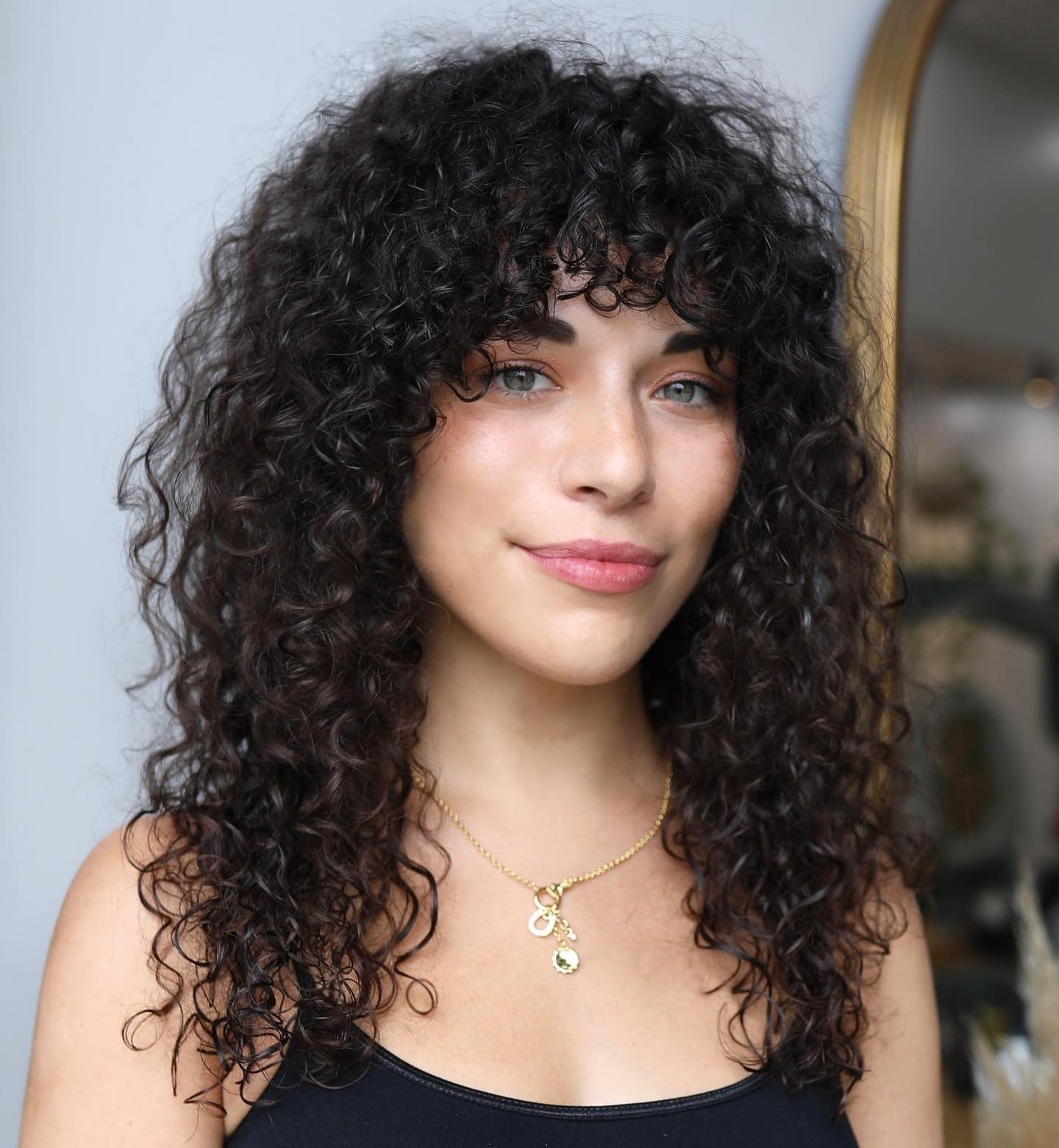
Thick curls at the collarbone with curtain bangs is a shape that flatters a middle parting, and the layers are what keep the density from weighing the whole thing down into a bell. This one is actually approachable at home if you are honest about your skill level: section damp hair, point-cut the layers vertically and keep the curtain bangs longer than you think you want them, because they shrink. Ask your stylist for: collarbone length layers, curtain bangs, middle parting. A curl cream on wet hair and air drying gets you most of the way, and the bangs need a trim every six to eight weeks to stay soft around the face.
Shoulder Length Layers With Defined Curls
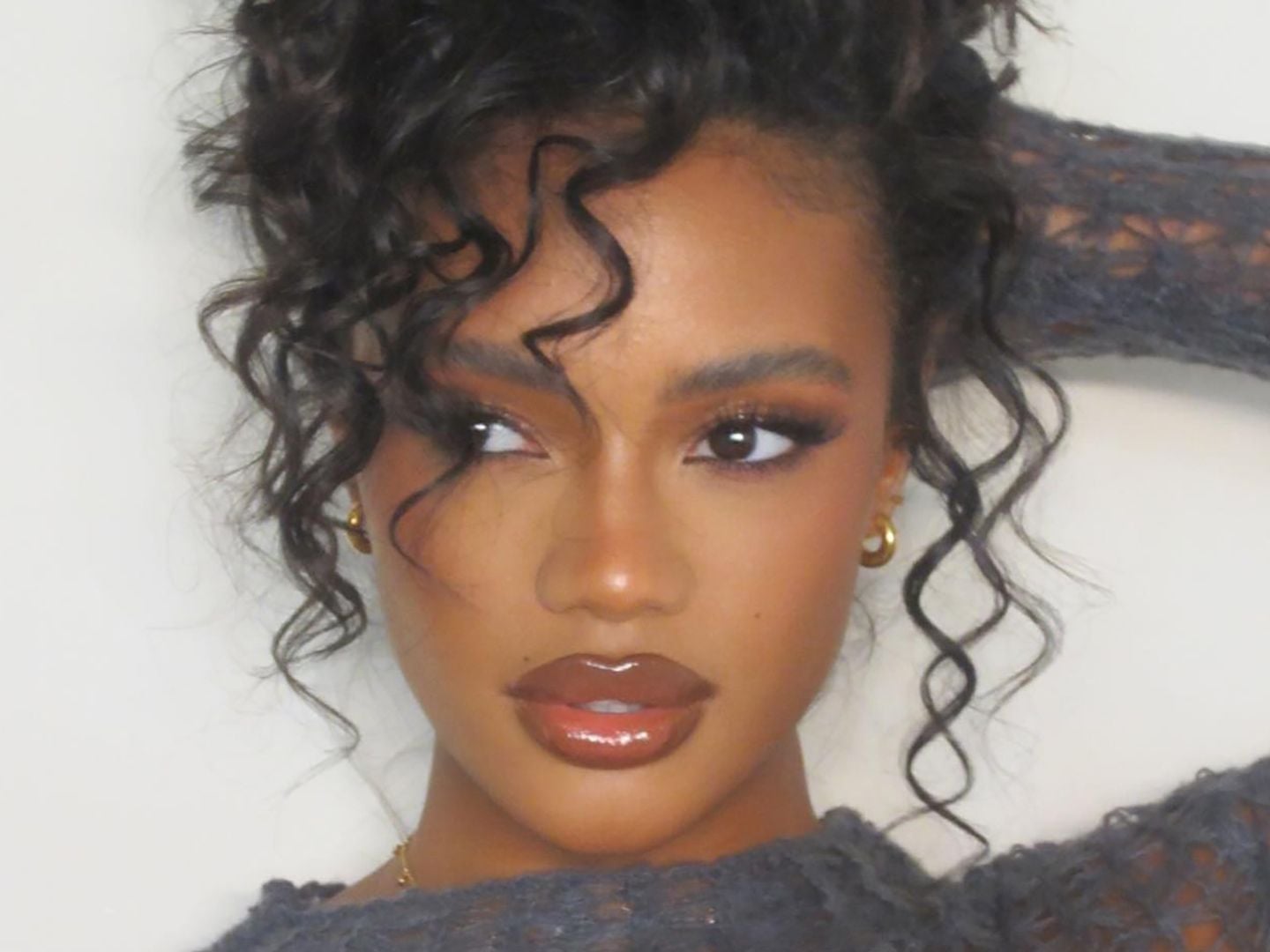
Shoulder length with no bangs is a straightforward shape, and the defined curls are what give it a finished feel. Medium density hair carries this cut well because the layers add movement without sacrificing volume. The daily styling requires effort: defined curls do not happen by accident, so a curl-enhancing gel and scrunching into an air dry is part of the routine, not an occasional event. Ask your stylist for: shoulder length layers, defined curls, side parting. If you are not up for refreshing the curl pattern most mornings, this one will appear messy instead of shaped.
Fine Collarbone Grey With Silver
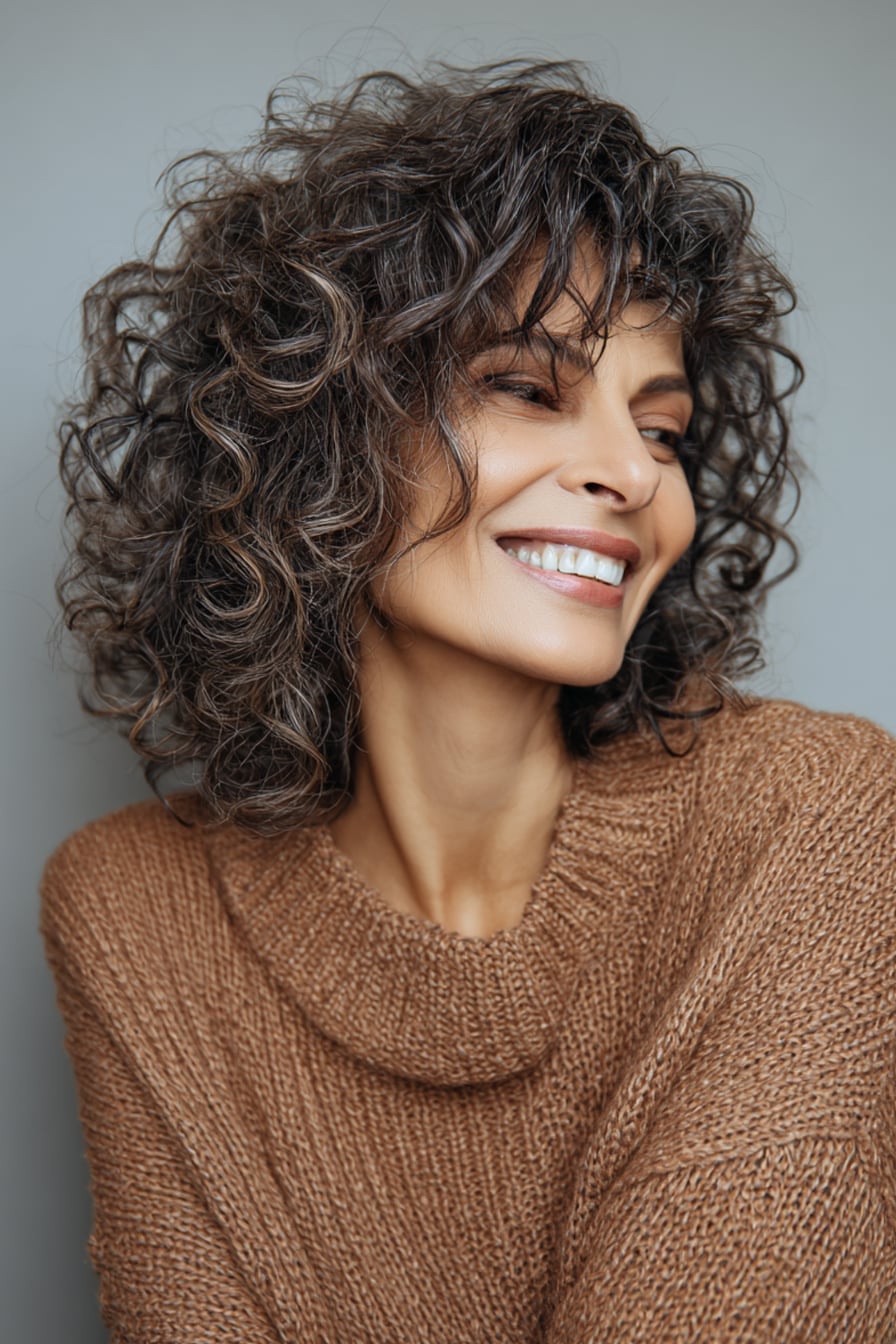
Silver highlights are painted through the grey base to mimic density, while the side part and blowout add lift at the root where fine hair needs it most. Ask your colorist for: collarbone layers, grey with silver highlights, blowout finish. A root lifting spray before drying keeps the shape from falling flat by midday. A toning appointment every six to eight weeks keeps the silver bright and the grey cool.
Mid-Back Curls With Curtain Bangs
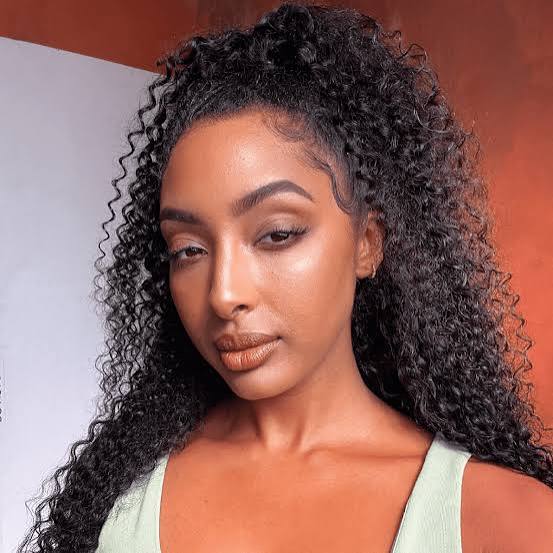
Is your hair thick enough to support a curtain fringe without it turning into two sad wisps? This cut answers that question with a yes. The dark brown base with subtle lighter pieces keeps the length from reading as one heavy block, and the soft, face-framing bangs break up the roundness of a fuller face. Ask your stylist for: mid-back length, curtain bangs, subtle lighter pieces. Shorter sides of the fringe suit medium to high density curls. A curl refresher spray revived the pattern in seconds. The bangs need a trim every six to eight weeks to keep their shape.
Mid-Back Half-Up Ponytail
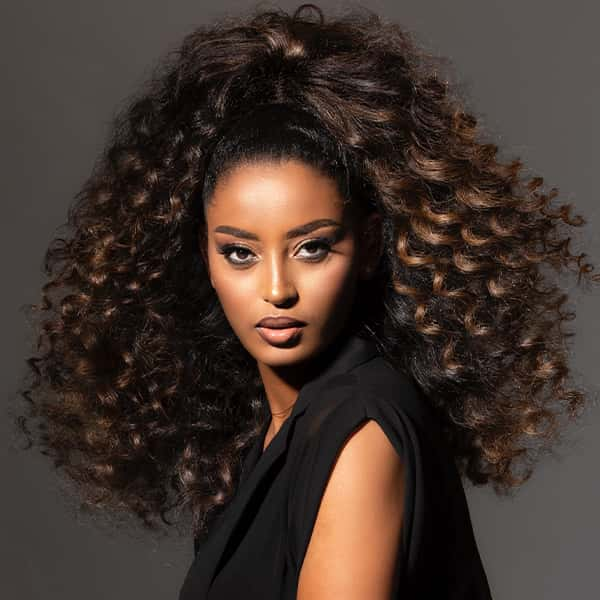
A high half-up ponytail on thick mid-back curls reads as purposeful, not lazy. The honey-toned highlights add dimension that a single-tone ponytail lacks, and the middle part keeps the volume balanced on both sides. Ask your stylist for: long layers, honey highlights, half-up ponytail. A snag-free elastic and a texture spray at the base give the style grip for an active day or a casual dinner. The layers in the cut prevent the ponytail from looking like a heavy lump at the crown.
Collarbone Blowout With Glossy Curls
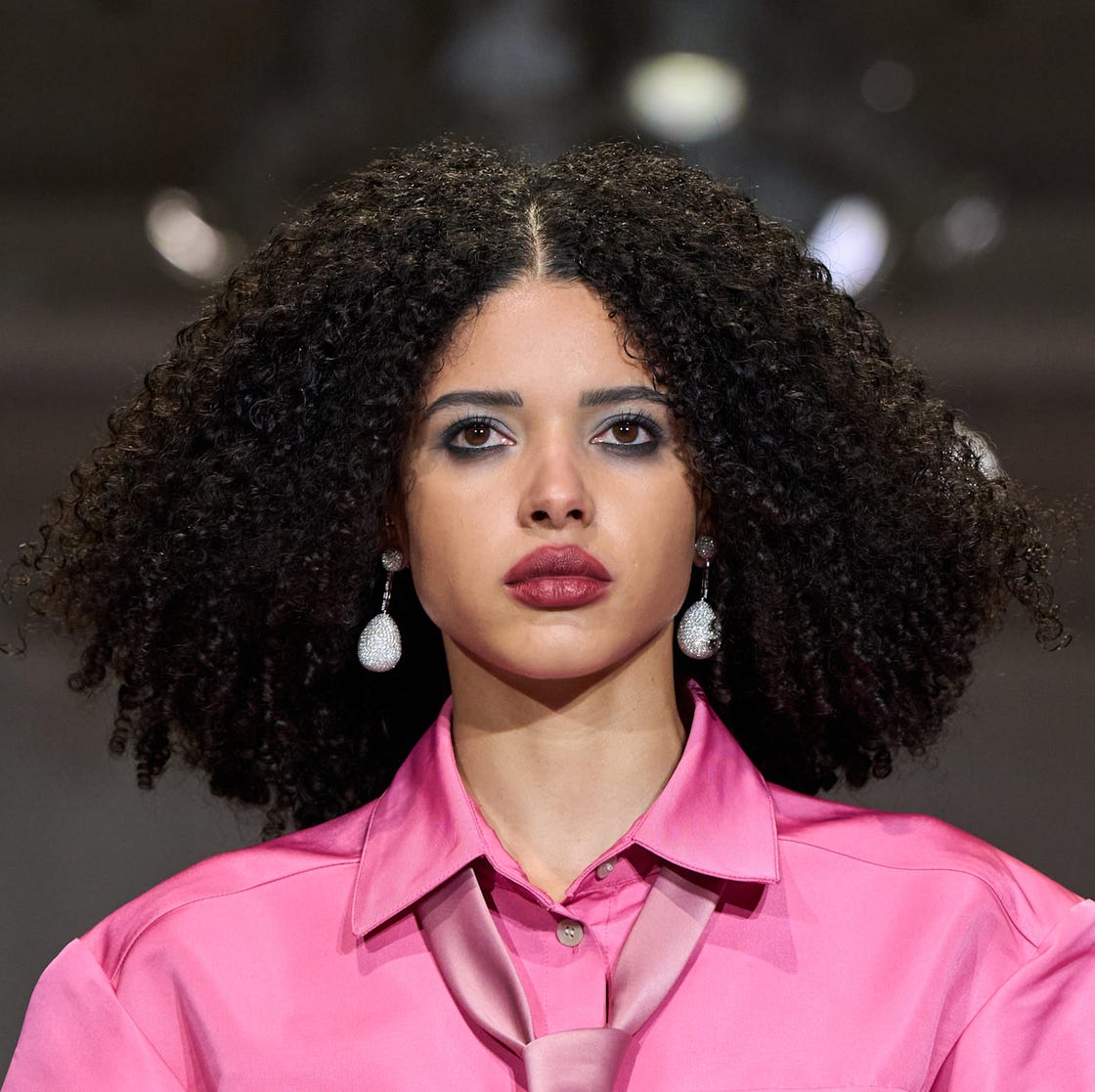
A blowout on thick collarbone-length curls delivers volume that lasts about a day and a half before the natural wave pattern reasserts itself. The subtle lighter highlights break up the dark brown base, so the gloss looks like shine, not grease. Ask your colorist for: collarbone layers, subtle highlights, blowout finish. Apply a heat protectant before using the round brush; a shine serum on the ends seals the look. The cut needs a trim every eight weeks to stop the ends from feathering and losing the polished shape.
Chin Length Bob With Curtain Bangs, Middle
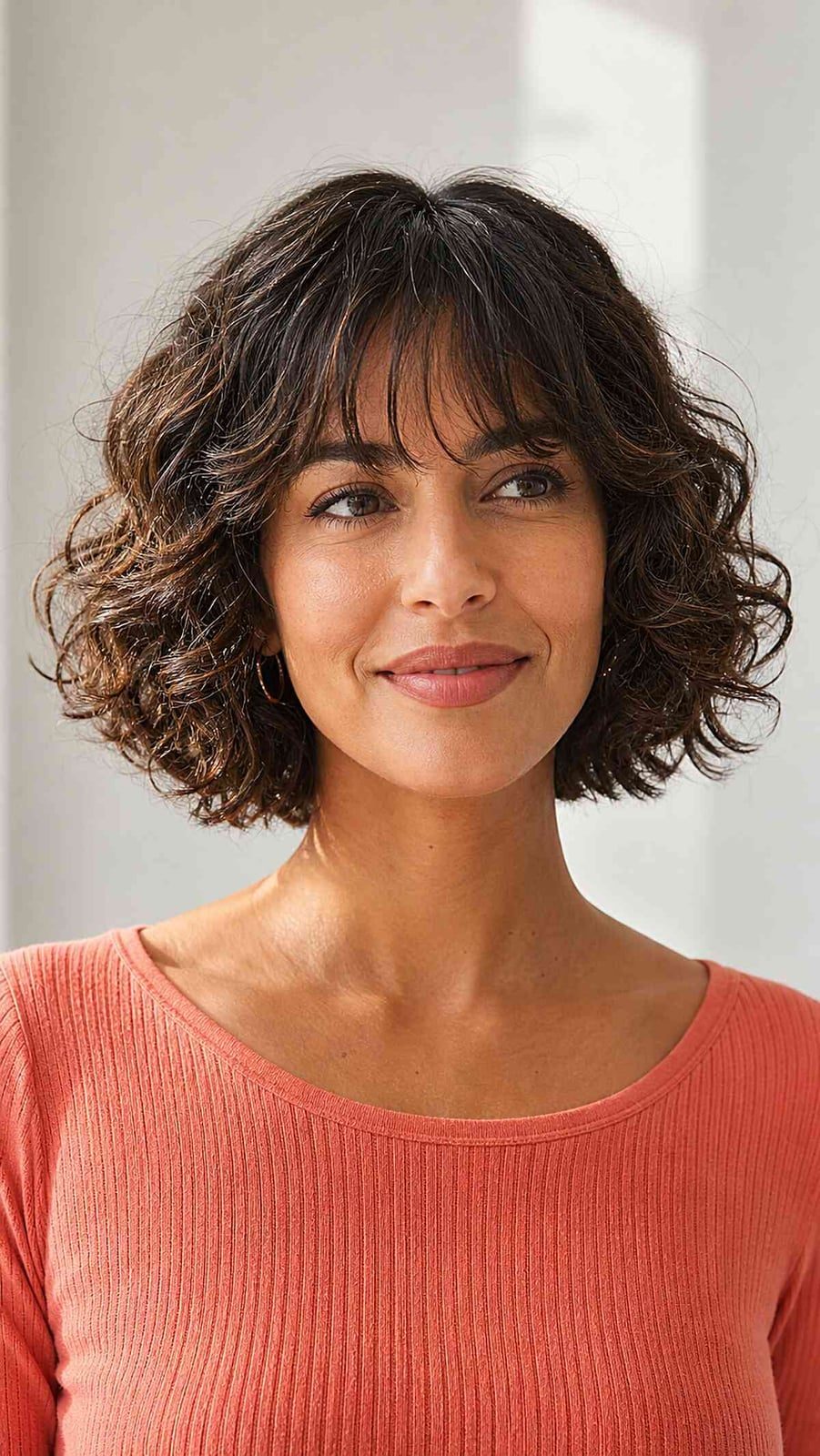
A chin-length bob with curtain bangs is a shorter commitment than a blunt bob that demands perfect precision every six weeks. The textured layers on medium-density curls keep the shape from looking helmet-like, and the lighter brown highlights add movement. Ask your stylist for: chin length bob, curtain bangs, textured layers, blowout finish. The middle part and the bangs frame the face without the weight of a full fringe. A round brush shapes the ends inward. This bob needs a trim every six to eight weeks or the bangs creep past the eyes.
Collarbone Blowout With Blonde Highlights

A blowout on thick, curly dark brown hair is a calculated gamble, and this collarbone-length version pays off because the blonde highlights are woven through the layers. The middle part and curtain bangs soften the transition from root to highlight, which means the grow-out is less of a hard line and more of a gradual fade. Ask your colorist for: collarbone length, dark brown with blonde highlights, voluminous blowout, curtain bangs. The technique demands a salon visit: a large round brush and a heat protectant are required to get that smooth, lifted curl without frizz. The result is a polished style that keeps the natural texture.
Collarbone Wavy Blowout

Is a collarbone wavy blowout a universal win? Not quite, and that is the honest answer. Wavy hair with a medium-to-thick density takes the blowout best, because the wave pattern has enough body to hold the shape without needing product overload. The curtain bangs and lighter highlights add dimension, but fine or limp waves may fall flat by midday. Ask your colorist for: collarbone length, dark blonde with lighter highlights, voluminous blowout, curtain bangs. A smoothing serum on the ends and a round brush at the roots give the lift, while a trim every eight weeks keeps the layers from losing their shape.
Shoulder Length Ash Blonde Curls
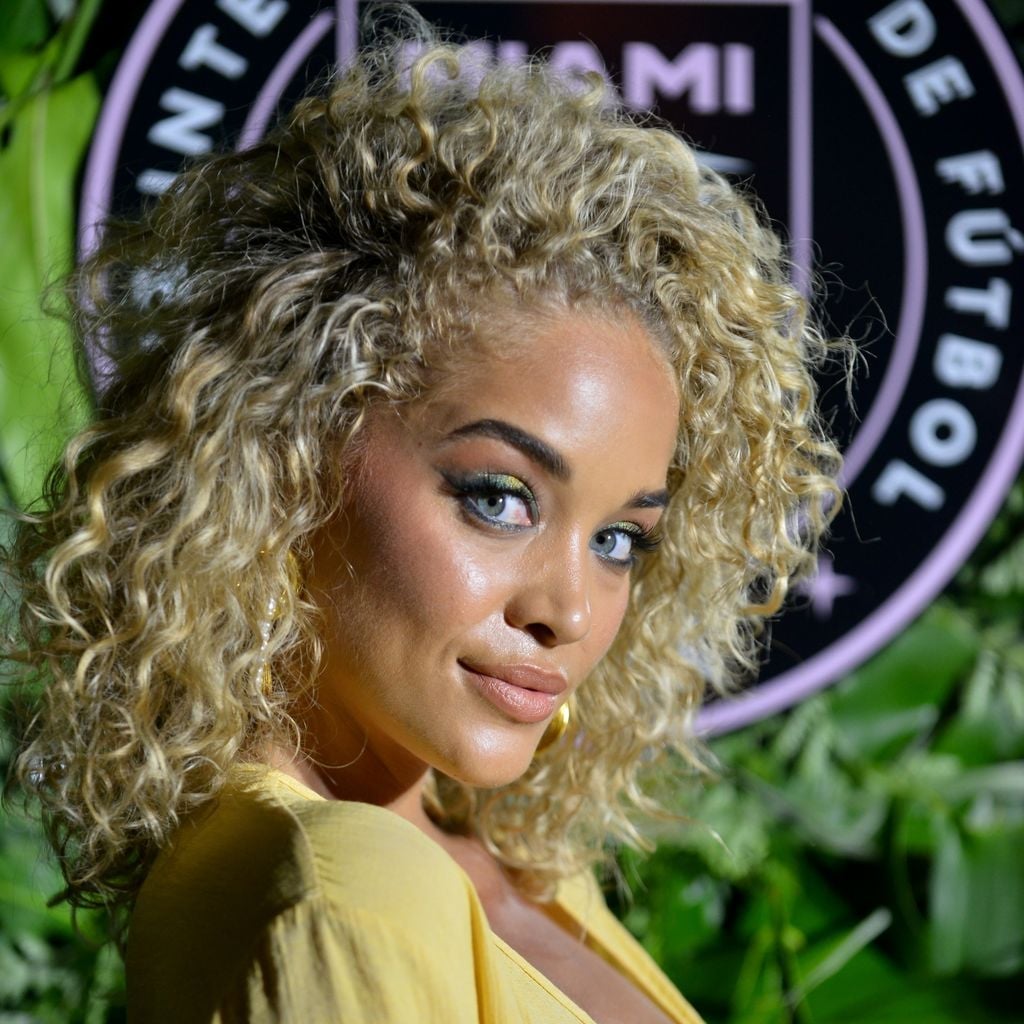
This is not a blonde that screams for attention; it is a cool-toned ash blonde that works with the natural curl pattern rather than fighting it. The shoulder length hits just above the collarbone, and the layers are cut to let the curls stack without creating a triangle shape. There are no bangs here, just a middle parting that lets the texture speak for itself. Ask your stylist for: shoulder length, ash blonde, natural air-dried curls. The air-dried finish means the styling time is minimal, but the shade demands a purple shampoo to keep the ash tone from drifting warm. A trim every eight weeks keeps the ends healthy and the curl spring intact.
Chin Length Bob With Caramel Highlights
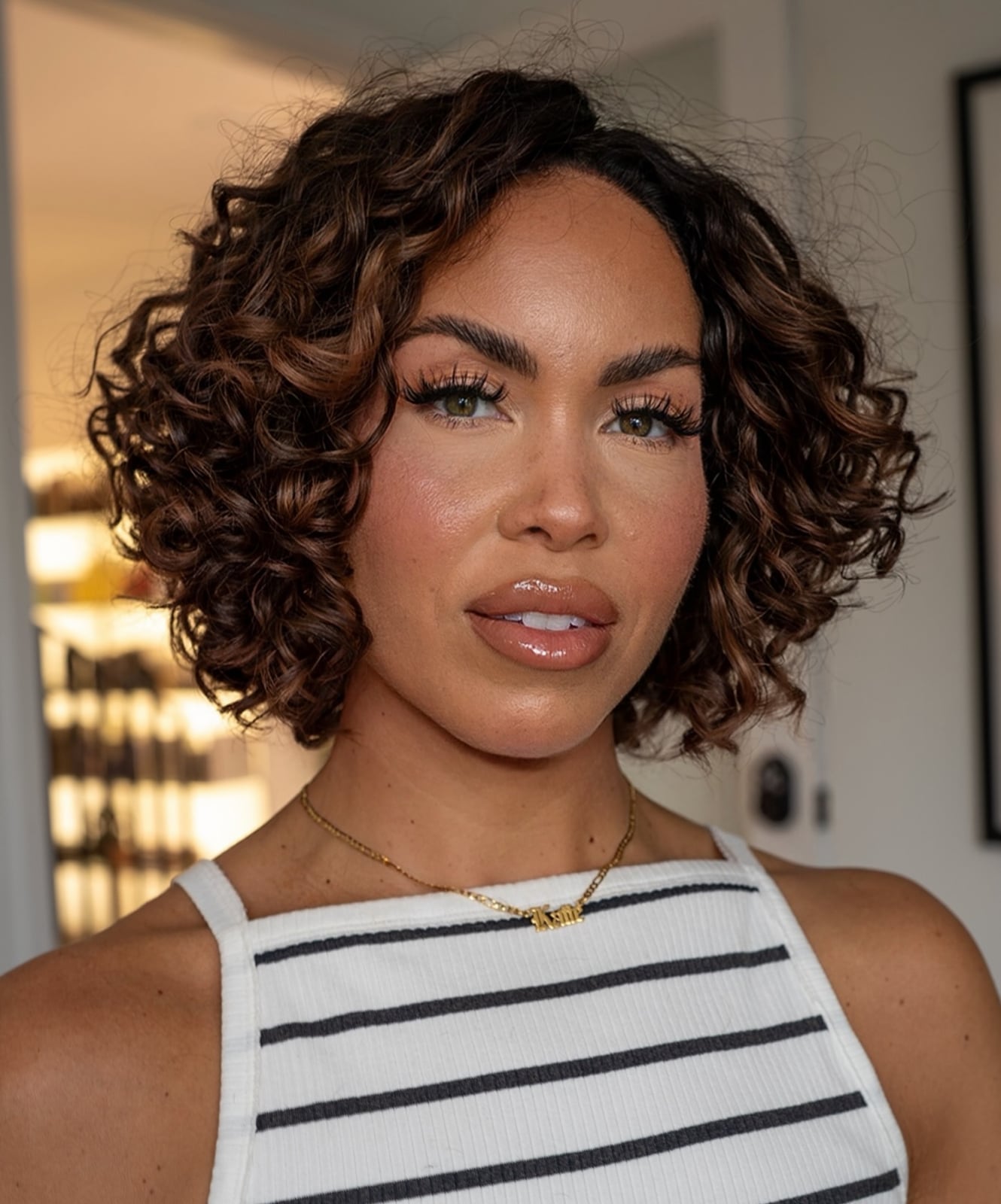
The caramel highlights against the dark brown base add warmth, and the side parting gives the bob a slightly asymmetrical feel. Ask your colorist for: chin length bob, dark brown with caramel highlights, glossy blowout. The glossy finish comes from a blowout with a smoothing serum, and the trim rhythm is a firm every six weeks because a bob this short shows every stray curl. The highlights mean a toning appointment every eight to ten weeks to keep the caramel from turning brassy.
Shoulder Shag With Curly Bangs
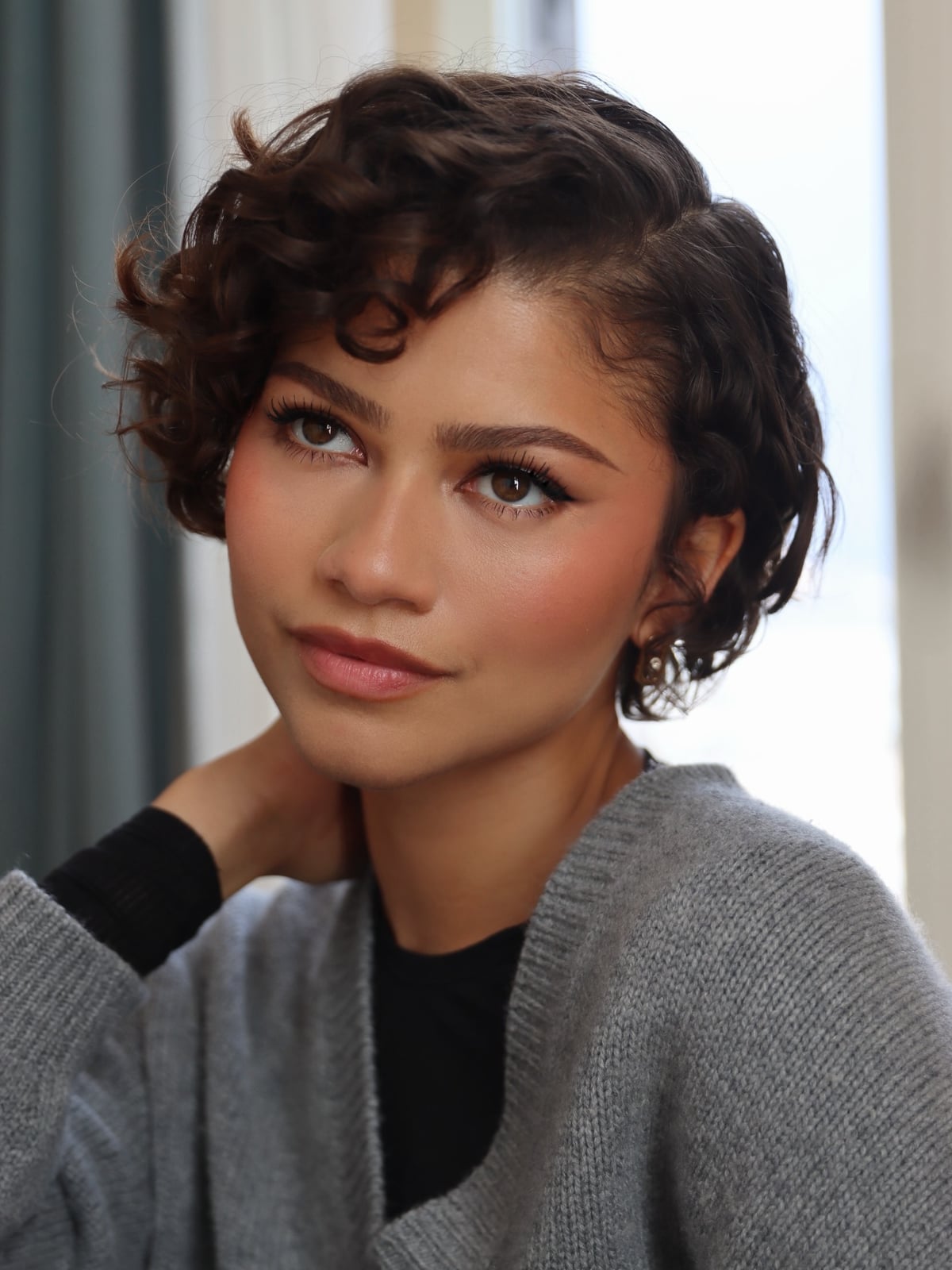
The shoulder-length shag with curly bangs is a great cut, but those short curly bangs need a trim every four weeks to avoid drifting into your eyes. The defined layers and side parting give the shape movement, and the blonde highlights against the dark brown base add the depth that keeps the shag from looking flat. Ask your stylist for: shoulder length shag cut, defined layers, short curly bangs, blonde highlights. A texturizing spray on damp hair helps the layers separate without crunch. Skip this one if you are not ready for a bang commitment, because the grow-out phase is not shy.
Shoulder Length Reddish-Brown Curls
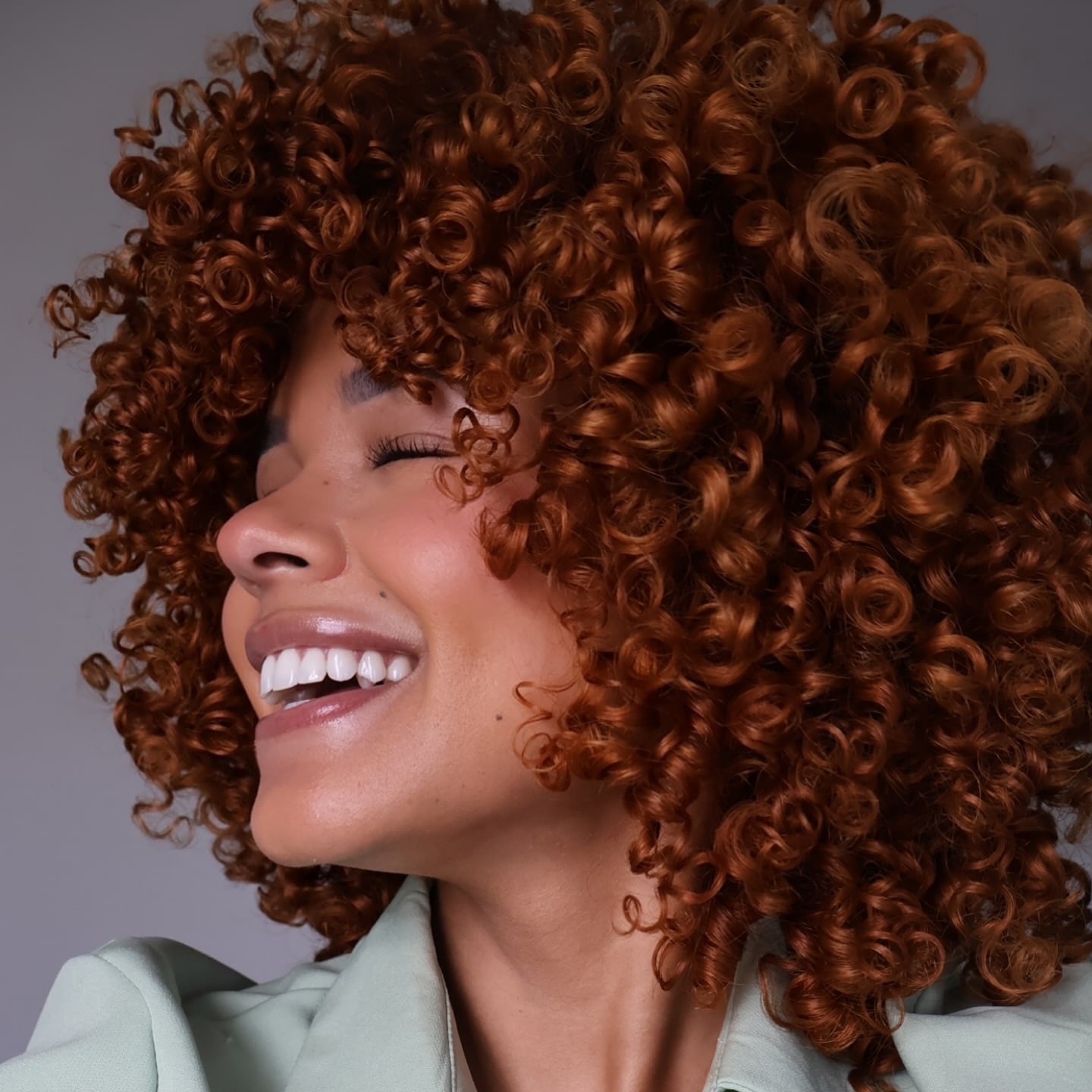
The side view catches the depth of this reddish-brown color, which relies on a rich base without a single flat tone. Ask your colorist for a vibrant reddish-brown, layered through the shoulder length so each curl catches light differently. The air-dried texture means the cut does the work, with layers that let the natural pattern spring up without extra heat. A side parting keeps the volume balanced, so the shape looks full but not heavy. This is a color that needs a gloss or toning appointment every six to eight weeks to keep the red from pulling orange, and a trim every eight to ten weeks to hold the line.
Short Ear Length Bob With Highlights
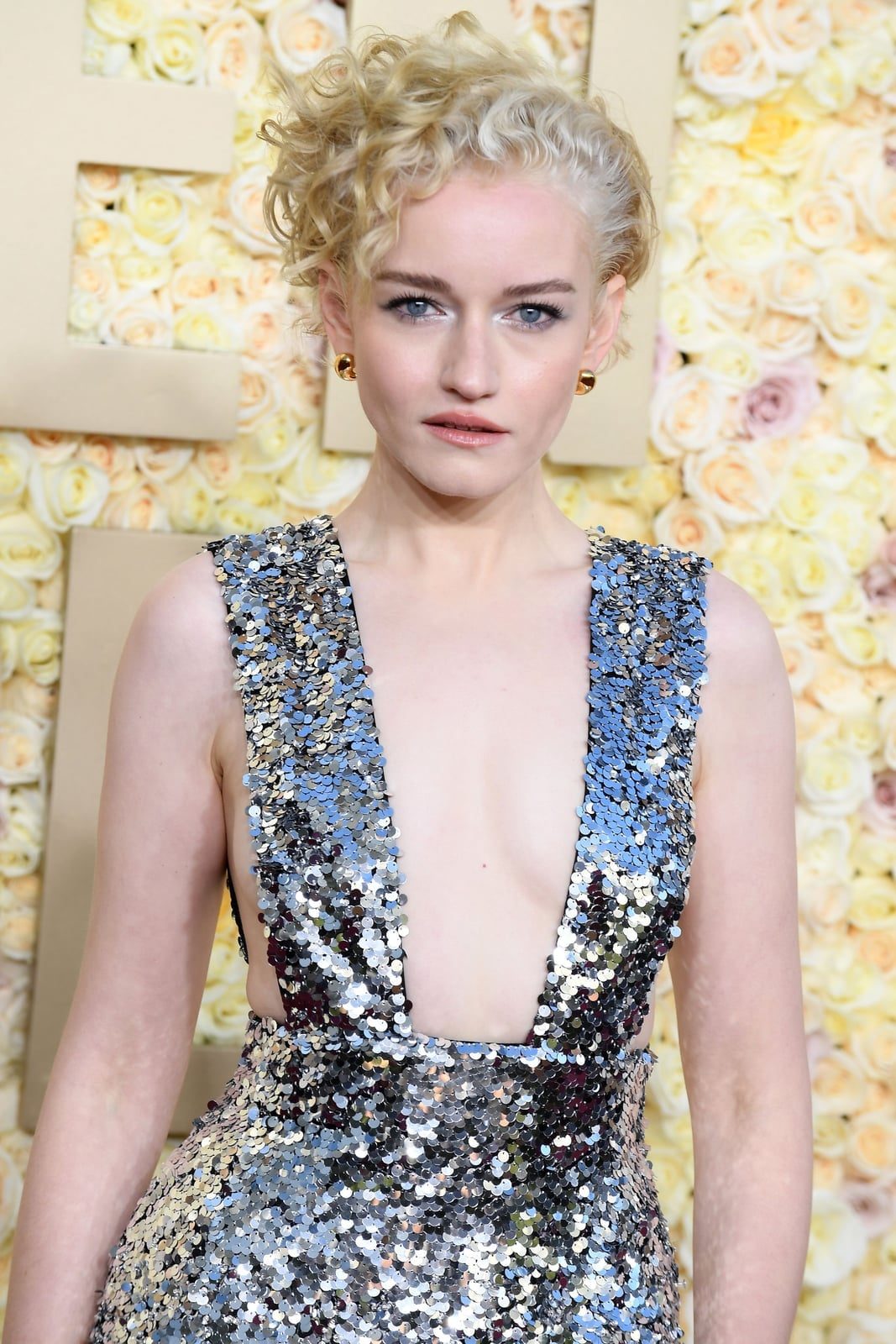
Who actually pulls off an ear-length bob with defined curls and short bangs? Anyone with a face shape that suits a shorter crop, especially round or oval, because the length skims the ear and the forward bangs shorten the forehead. The dark brown base with subtle blonde highlights adds dimension without demanding high maintenance. Ask your stylist for a short bob, ear length, with dark brown and blonde highlights and short bangs. The middle parting keeps the shape symmetrical, and the defined curls give it structure. Air-drying with a curl cream keeps the pattern intact, and a trim every six to eight weeks stops the bob from turning into a shapeless blob.
Chin Length Bob With Textured Bangs
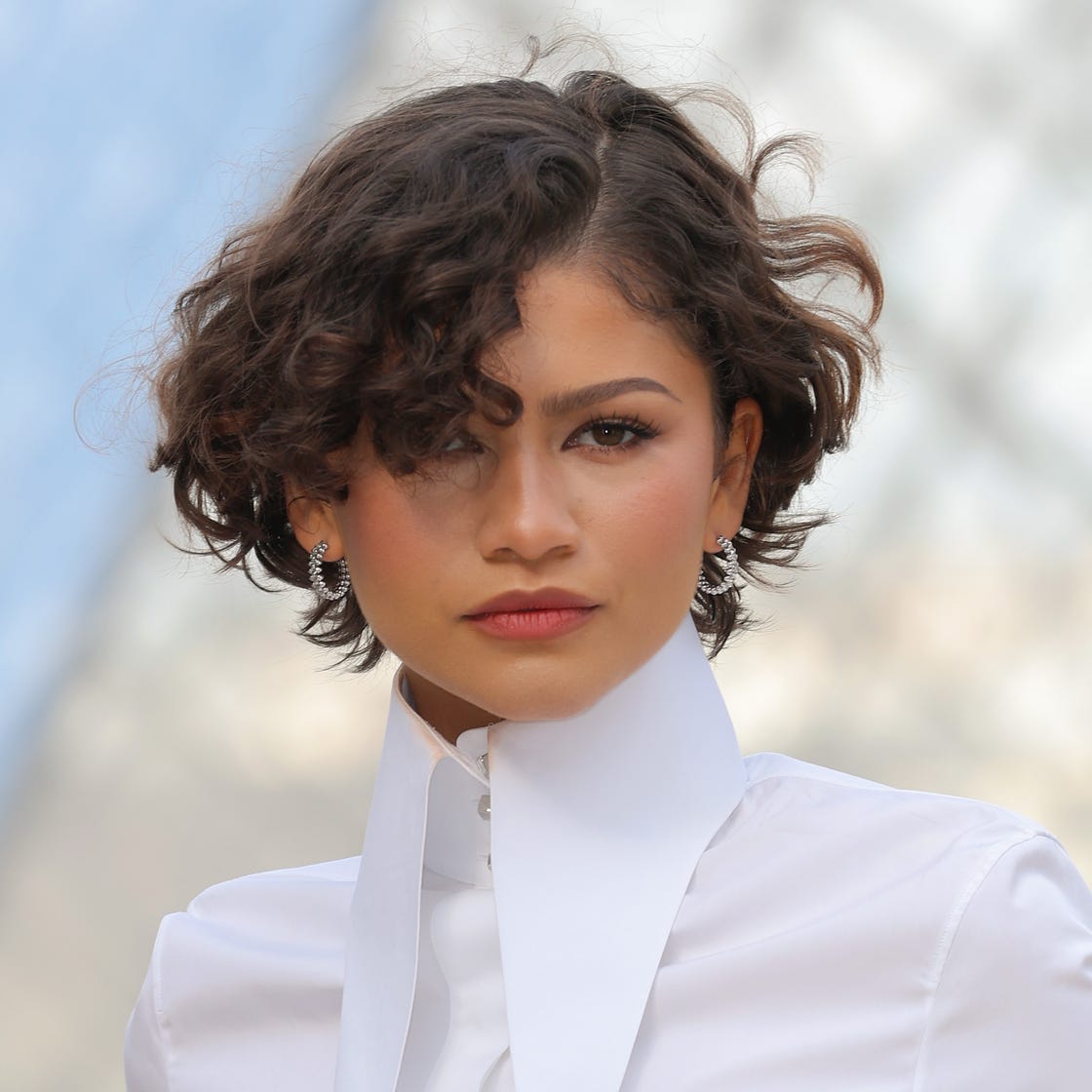
The practical rule is to name the shape and the finish, not just the length. Ask your stylist for a chin length bob with short textured bangs, and specify a thick, curly texture that air dries without fuss. The side parting opens up the face while the textured bangs add movement across the forehead, a combo that suits square or heart-shaped faces by softening the jaw. The cut relies on the natural curl to create the texture, so no heat styling is needed. To keep the bangs from growing into your eyes, a trim every six to eight weeks helps the bob hold its shape between washes.
Short Layered Cut With Volume

A short layered cut with volume is built on subtle layers that end around the ear, letting the curl pattern stack upward instead of hanging flat. Ask your stylist for a short layered cut, ear length, with volume built into the crown. The side parting adds asymmetry, which helps the shape feel modern and balanced. A volumizing mousse at the roots gives the lift without heat, and the layers mean you can skip the diffuser if you are in a hurry.
Upkeep is straightforward: a trim every six to eight weeks keeps the layers from growing out into a triangle, and the dark brown color needs minimal attention, just a gloss every couple of months to keep it shiny. The cut wears well on thick or coarse curls, where the layers prevent the weight from pulling the volume down. For finer textures, the same cut works but you will want to refresh the root lift with a bit of mousse on damp hair each morning.
Final Thoughts
For fine curls, keep a blunt baseline and skip heavy layers to maintain density; for thick curls, embrace face-framing layers and longer lengths to manage volume. Choose the cut and routine that celebrates your unique curls.
- Trim split ends every 8-12 weeks to maintain shape.
- Deep condition weekly to keep curls hydrated and defined.
- Use a microfiber towel or t-shirt to dry hair, avoiding frizz.
- Refresh curls with water and a leave-in product between washes.