
Parting braids rely on clean, deliberate lines along the scalp to create a structured look that reads as both polished and protective. This year the trend leans toward sharper, more geometric partings and smaller, more precise braid sections, moving away from loose or zigzag patterns.
This collection of 23 Classy Parting Braids spans from quick half-up styles to full-head installations, covering fine to thick textures and lengths from shoulder to mid-back. It solves the common problem of braids that look messy by week two: these styles are built to hold their shape and keep their parting crisp with regular maintenance.
Mid-Back Box Braids With Neat Middle Parting
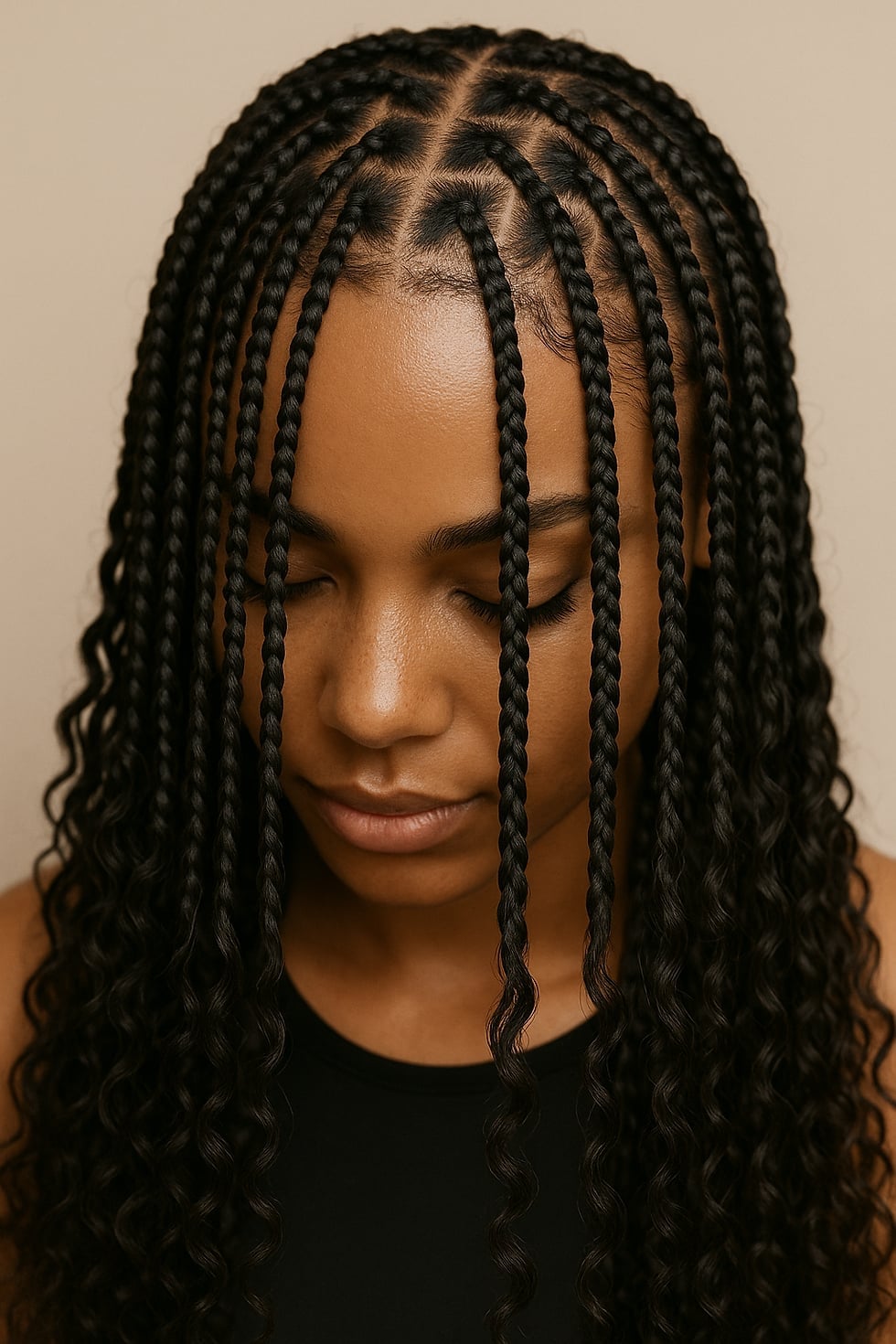
Fine density hair and a sharp middle parting are a surprisingly good match. The even part creates the illusion of more volume at the root, while the wavy ends keep the mid-back box braids from looking too severe. Ask your stylist for: mid-back box braids with a sharp middle part. A light serum on the part line keeps flyaways in check, and those wavy ends need a trim every six to eight weeks to maintain their shape.
Cornrows Into A Braided Bun
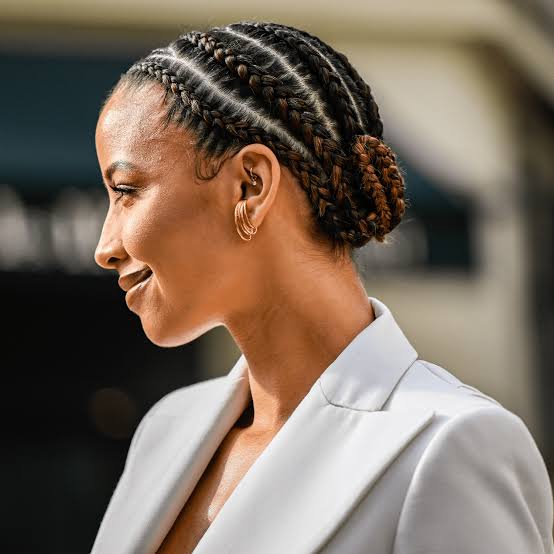
Think of it as a two-in-one: cornrows travel from the hairline to the nape, where they feed into a single braided bun. The transition relies on clean, even tension from start to finish. Ask your stylist for: cornrows from middle part into a low braided bun. Thick, straight hair holds the lines best, and the bun structure means this style stays put through a full workday.
Thick Dark Brown Parting Braids
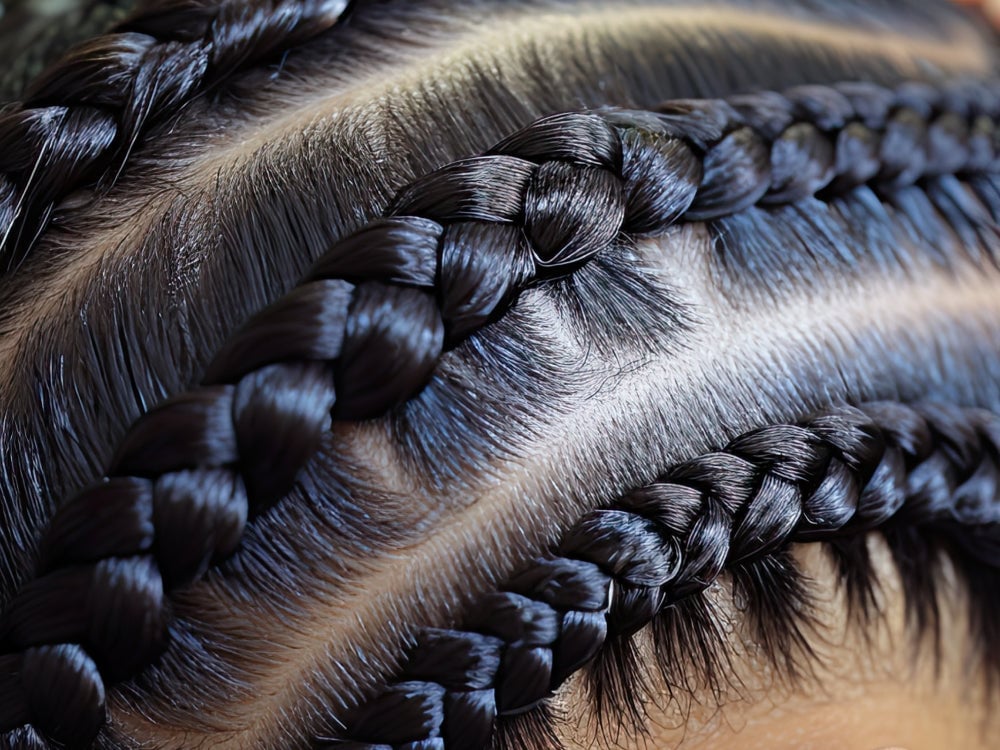
To get that scalp-exact, geometric look, ask for tightly parted braids where every row sits parallel to the next. Ask your stylist for: tightly parted braids with a clean middle parting. The visible scalp between each braid is the point. It is what gives the pattern its precision. Thick, dark brown hair shows the part lines most clearly, so the design looks deliberate.
Geometric Cornrow Partings With Curly Braids
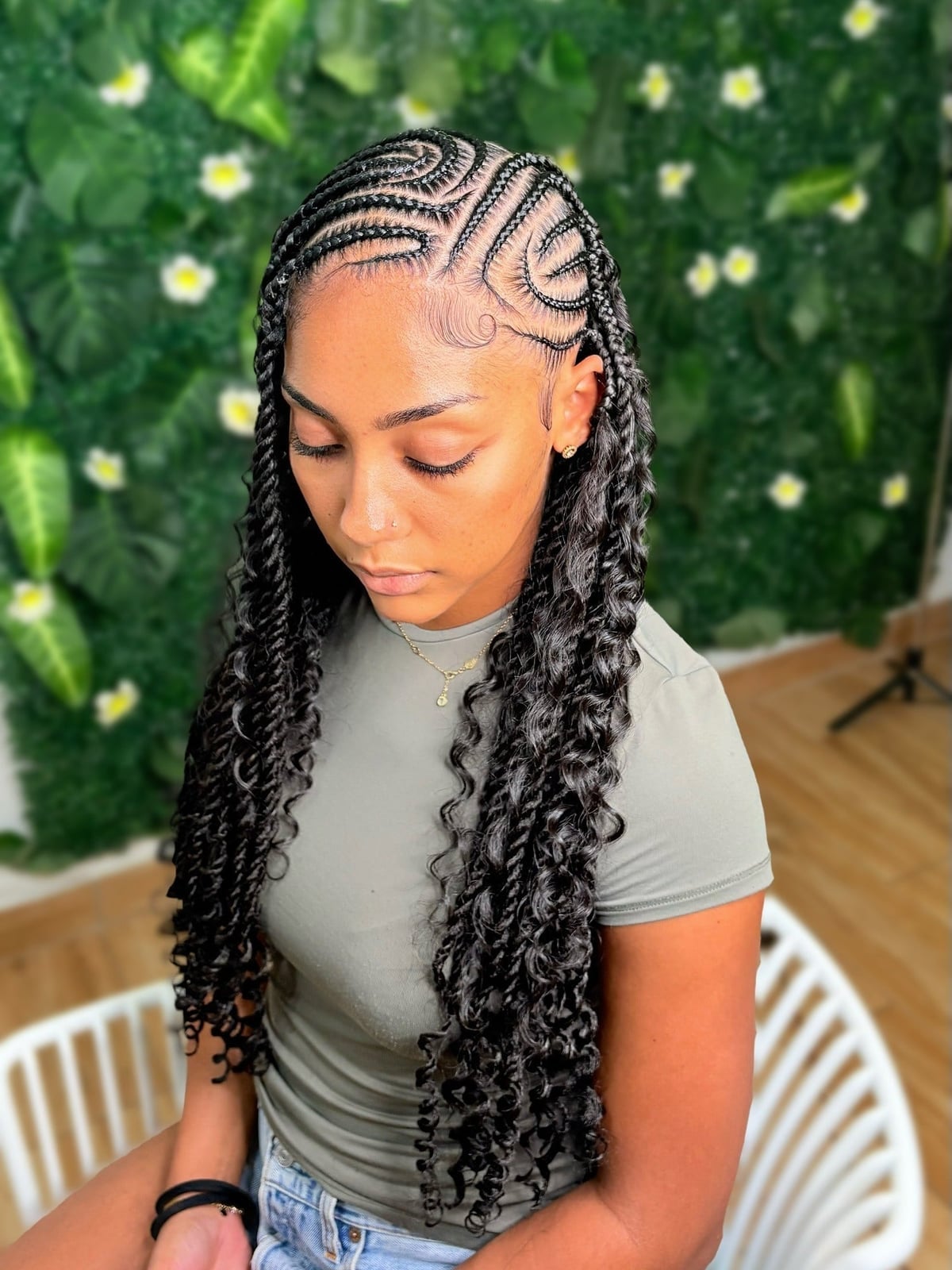
A standard middle part is clean. A geometric part is a statement. This version uses angled cornrow sections near the scalp, then lets the rest fall into long, curly braids. Ask your stylist for: geometric cornrow partings into long curly braids. The contrast between the sharp scalp pattern and the curly ends keeps the look from feeling stiff. Fine density hair works well here because the open part lines add visual weight without bulk.
Where a traditional middle part recedes into the hair, a geometric pattern stays front and center. That makes it a good pick for anyone who wants the parting to do the talking.
Stitch Braids With Geometric Patterns
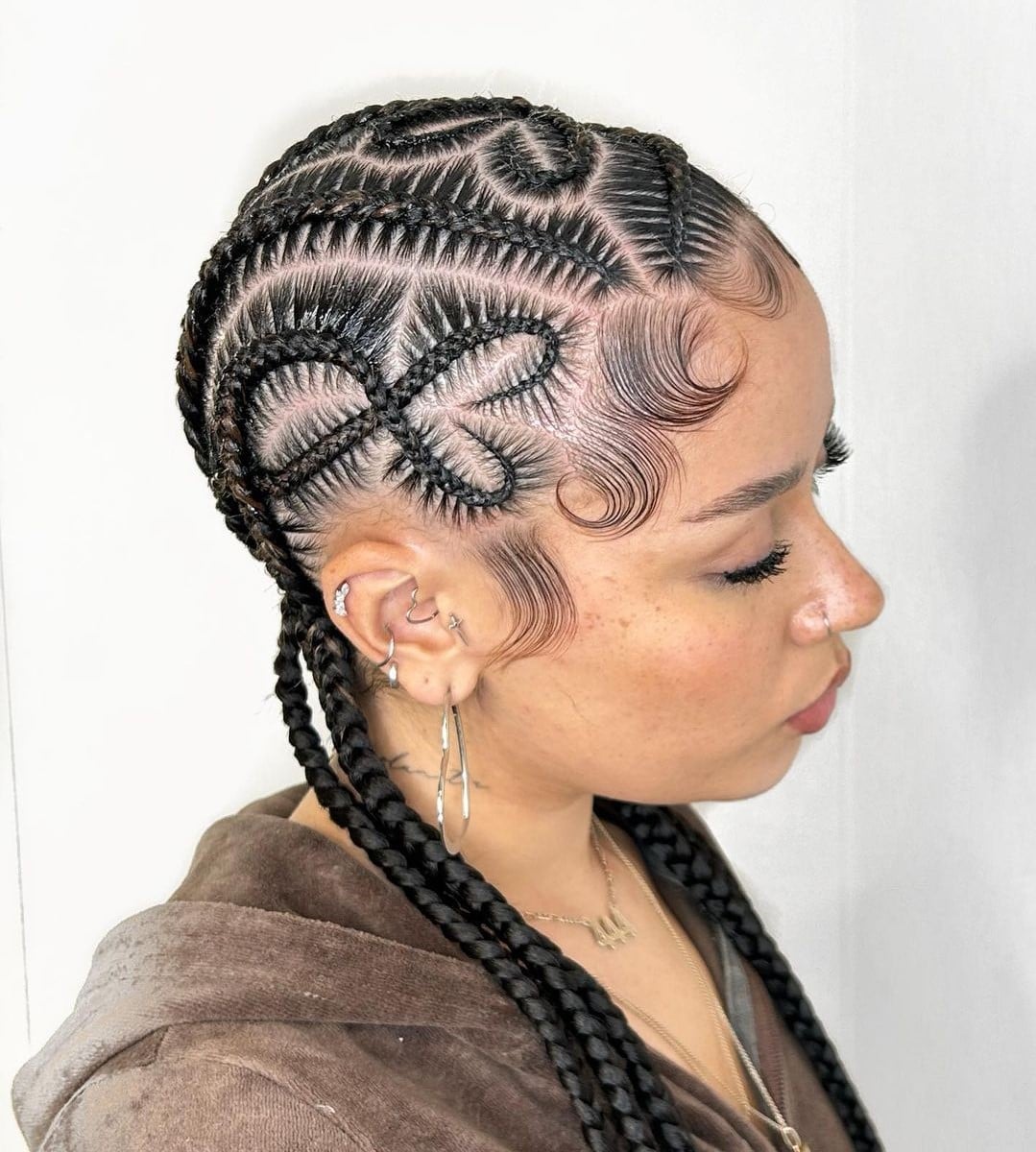
Stitch braids use a feed-in technique that creates a flat, raised line against the scalp. Here those lines form geometric shapes across the crown before dropping into loose, mid-back length braids. Ask your stylist for: stitch braids with geometric scalp patterns and styled baby hairs. The baby hairs at the hairline are gelled into place, which adds a second layer of precision. Thick, straight hair holds the stitch method best, and the pattern stays readable for about four to six weeks before new growth softens the edges.
Thick Black Box Braids With Sharp Parting
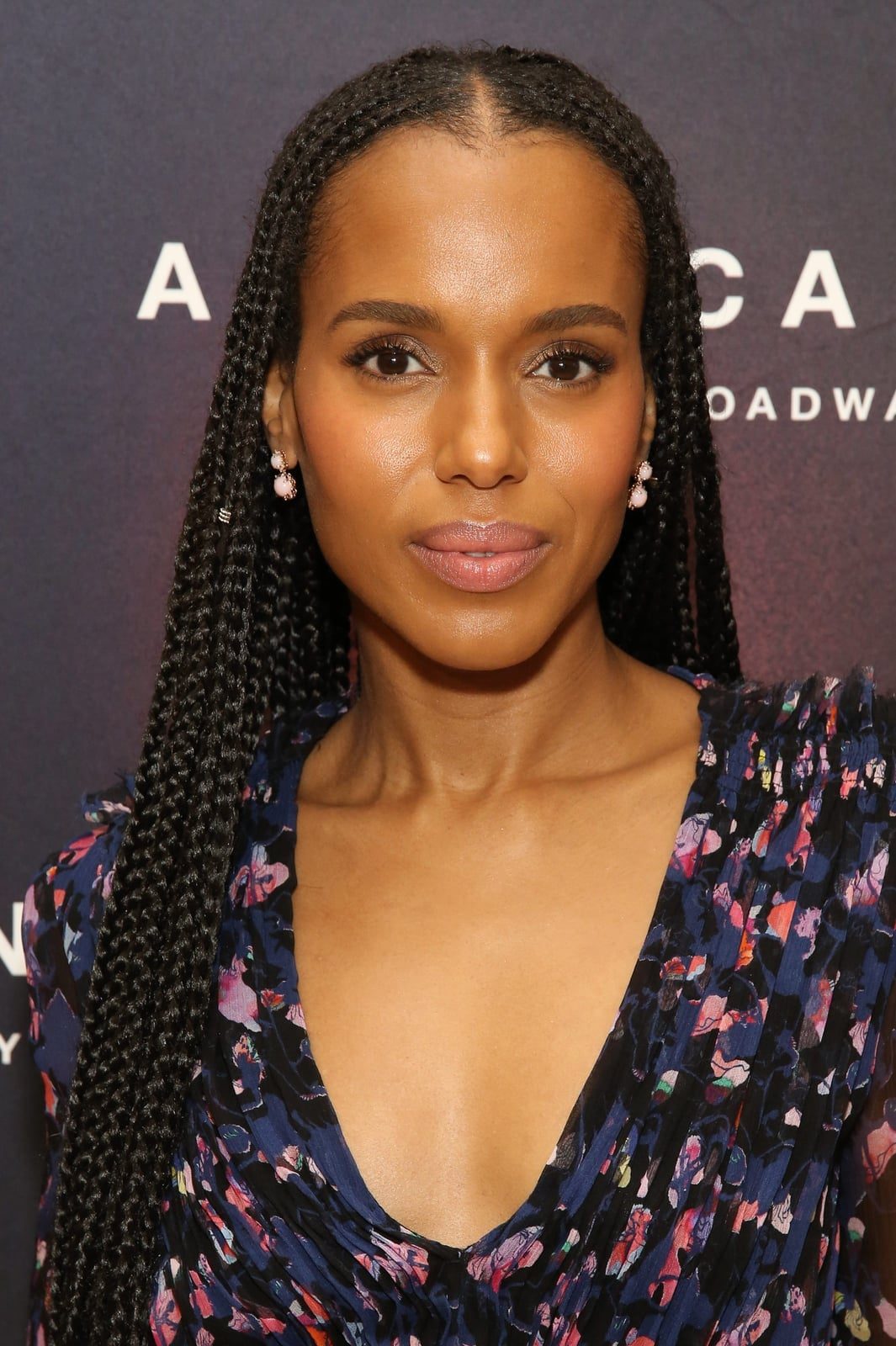
A middle parting and a meticulously laid hairline turn thick black box braids into a study in symmetry. The braids are uniformly thick and straight, dropping to mid-back with zero frizz at the edges. Ask your stylist for: thick box braids with a middle part and neat hairline. The design works best on hair that is naturally thick and straight, and a middle part plays well with most face shapes. Keep the hairline edges smooth with a soft brush and a dab of gel; plan a trim every six to eight weeks to maintain the clean finish.
Black Braids With Cornrow Parting Detail
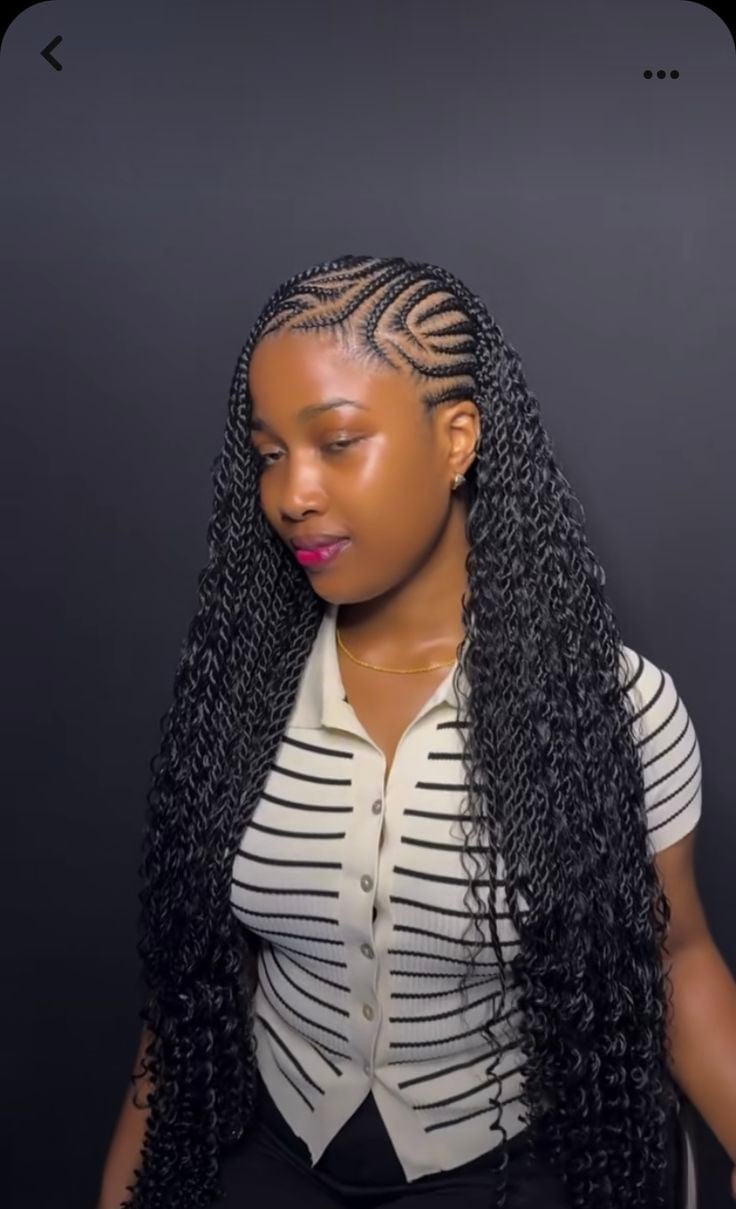
Ever wonder how to make a middle part actually interesting? Try swapping a plain part for a strip of cornrows running straight down the center. This style pairs long black braids with an intricate cornrow pattern along the parting line, then finishes the ends loose and curly for texture. Ask your stylist for: long braids with cornrow detail on the parting and curly ends. It lands best at summer events or weddings, where the contrast between the structured scalp work and the bouncy ends adds deliberate polish without being fussy. A satin bonnet at night keeps the curly ends from tangling.
Large Parting Braids With Wavy Texture
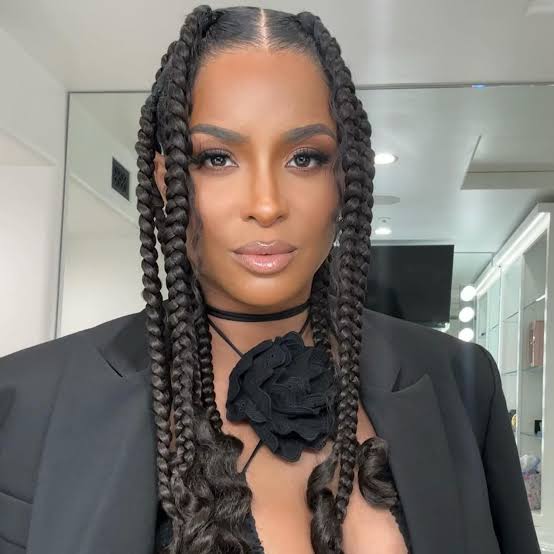
Large parting braids rely on scale: fewer braids means each one needs to carry visual weight, and wavy texture gives them the body to do it. The hair is thick, black and wavy, gathered into a clean middle part and braided down to mid-back. Ask your stylist for: large, sleek parting braids with a middle part. This is a look for anyone with thick hair who wants the braids to look substantial, not delicate. A middle part and the volume at the sides balance a long face nicely. Apply a smoothing serum to keep the wavy strands from fluffing up.
Fine Density Box Braids With Wavy Ends
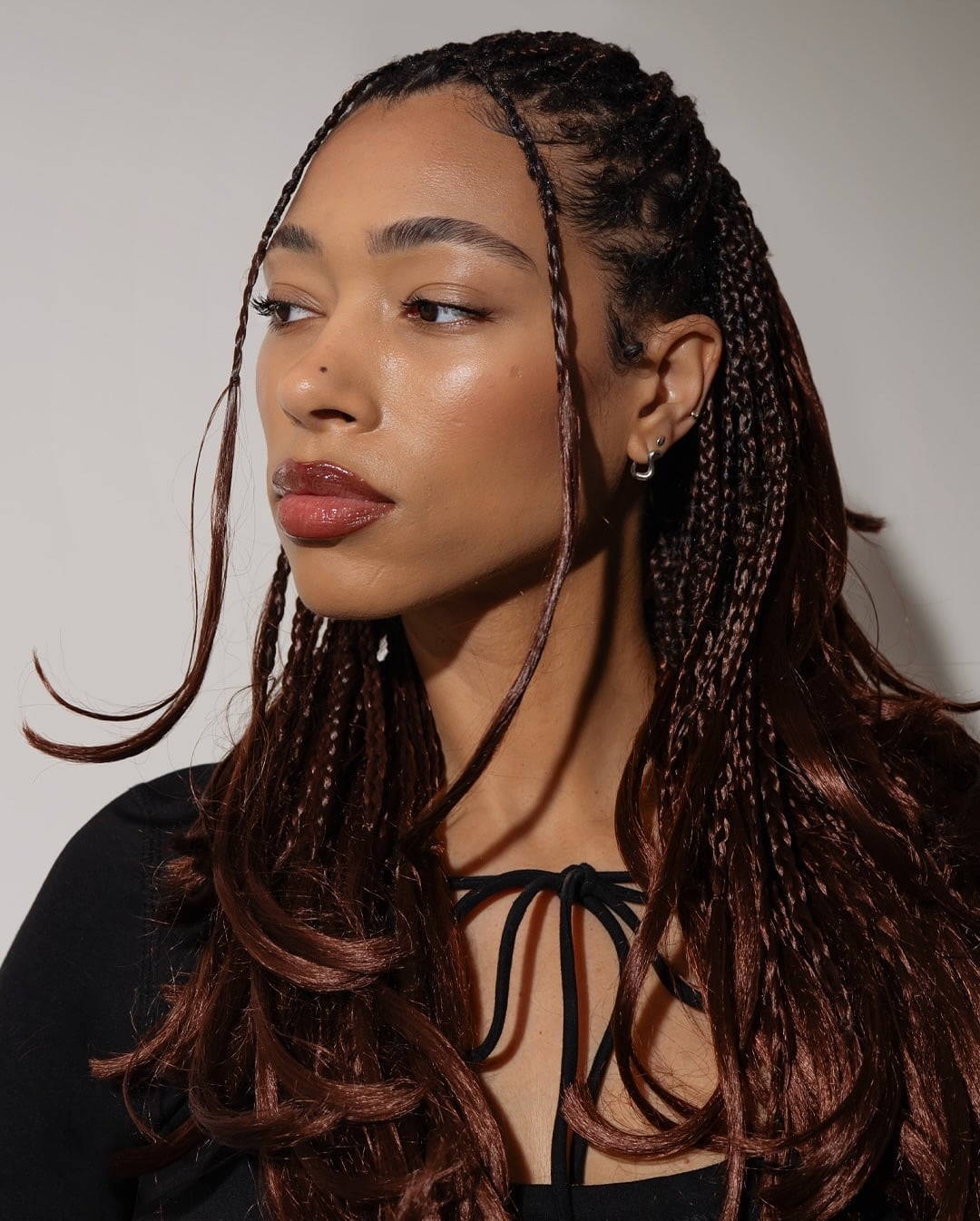
Box braids on fine density hair look best when the parting is precise and the ends have something to say. Here the braids are dark brown and mid-back length, with a neat middle part and subtle wavy ends that keep the silhouette from falling flat. Ask your stylist for: mid-back box braids with a neat middle part and wavy ends. A middle part elongates round or oval faces without adding width. Fine density braids can look sparse over time, so a light mousse on the ends and a trim every six to eight weeks are worth the effort.
Two Large Box Braids With Sharp Parting
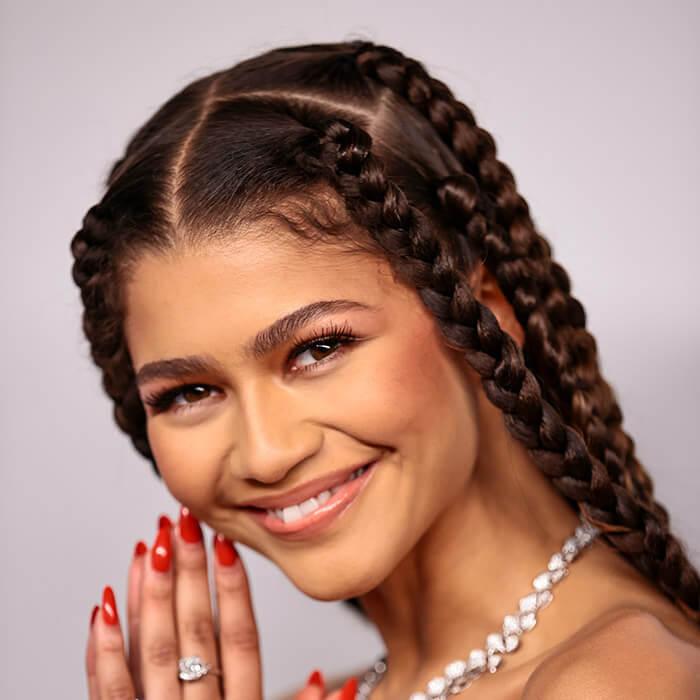
How do you make two braids feel like a full hairstyle? The answer is in the part. A sharp, clean middle parting transforms two large box braids from a quick style into a deliberate one. The braids are thick, uniform and dark brown, dropping to mid-back with a sleek finish. Ask your stylist for: two large box braids with a sharp middle part. The design suits thick hair of mid-back length and works across most face shapes because the part is central and the braids hang straight. A finishing spray adds the necessary shine.
Shoulder Length Micro Braids With Baby Hairs
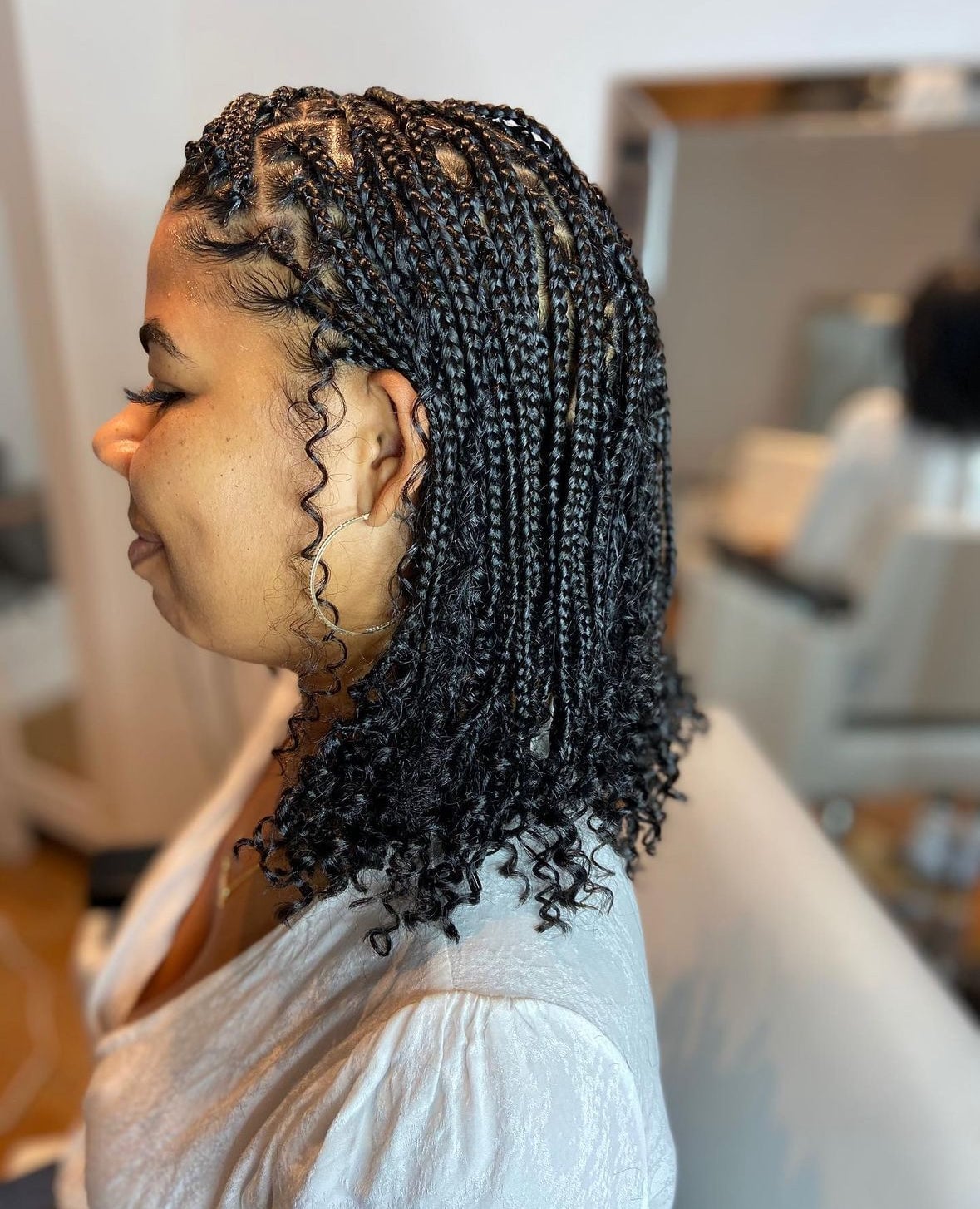
The precision of the parting is what separates these micro braids from a simple set. Fine, curly black hair is sectioned into shoulder-length braids with a clean part, and the baby hairs along the hairline are laid down with a light gel. This technique works best on fine hair of shoulder length, where the small braid size creates density. Ask your stylist for: shoulder length micro braids with a defined part and styled baby hairs. Use a satin scarf at night to keep the baby hairs in place; a touch-up is due every four to six weeks.
Jumbo Box Braids With Blonde Highlights
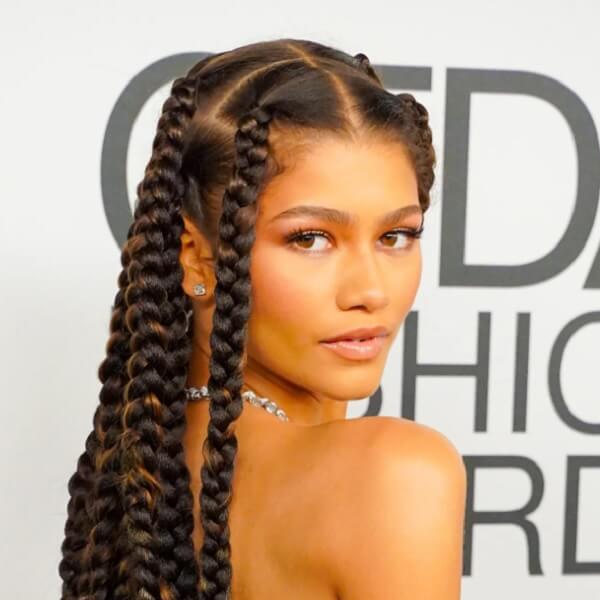
Solid dark braids feel grounded; add blonde highlights and the contrast gives them presence. These jumbo box braids are parted cleanly down the middle and woven with blonde streaks through the dark brown base, reaching mid-back. A single color this size can read flat. Ask your colorist for: jumbo box braids with blonde highlights and a middle part.
Thick hair holds the large braid weight well, and the middle part works on most face shapes. Toning the highlights every eight weeks prevents brassiness. A leave-in conditioner at the ends prevents dryness between appointments.
Cornrows Transitioning Into Thick Braids
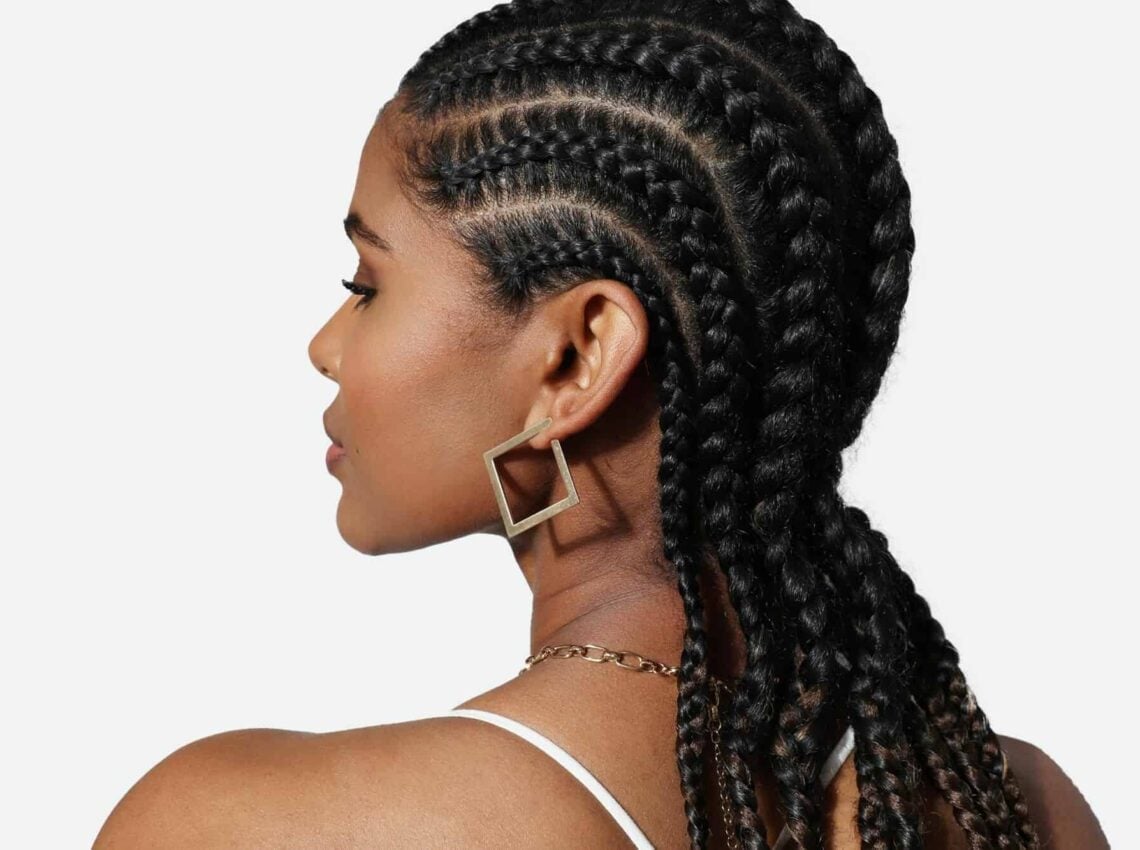
A cornrow that widens into a thick braid is two styles in one, and the parting ties them together. Here, neat cornrows start at the middle part and feed into long, thick black braids that fall to mid-back. The transition is built into the braiding, not added later. Ask your stylist for: cornrows from middle part into thick mid-back braids. The cornrow portion needs a scalp moisturizer every few days to prevent itch. Re-braiding the cornrows is required every six to ten weeks, though the thick braids below can last a touch longer if the ends stay sealed.
Box Braids With Geometric Parting And Highlights
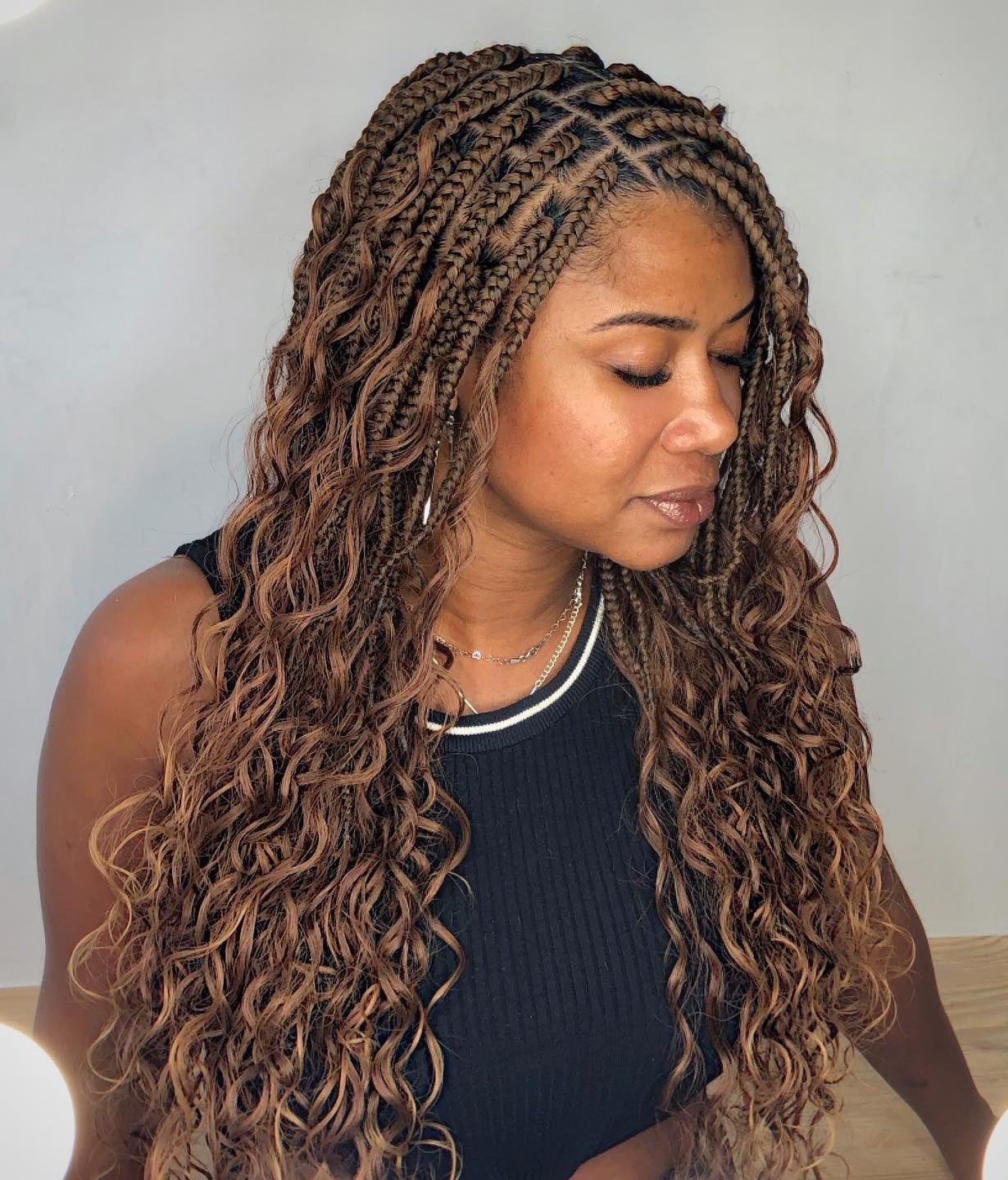
Wondering how to make a geometric parting look like it belongs, not like a last-minute addition? The secret is keeping the braids simple. These mid-back box braids use a precise geometric pattern on the scalp, while the length stays uniform in light brown and caramel tones with wavy ends. The fine texture lets the parting lines read clearly. Ask your colorist for: box braids with geometric parting and caramel highlights. The warm caramel tones make this an obvious pick for spring and summer, when lighter hair catches the sun. A light oil on the wavy ends keeps them defined, and a re-do every six to eight weeks maintains the pattern.
Dark Brown Box Braids With Geometric Parting
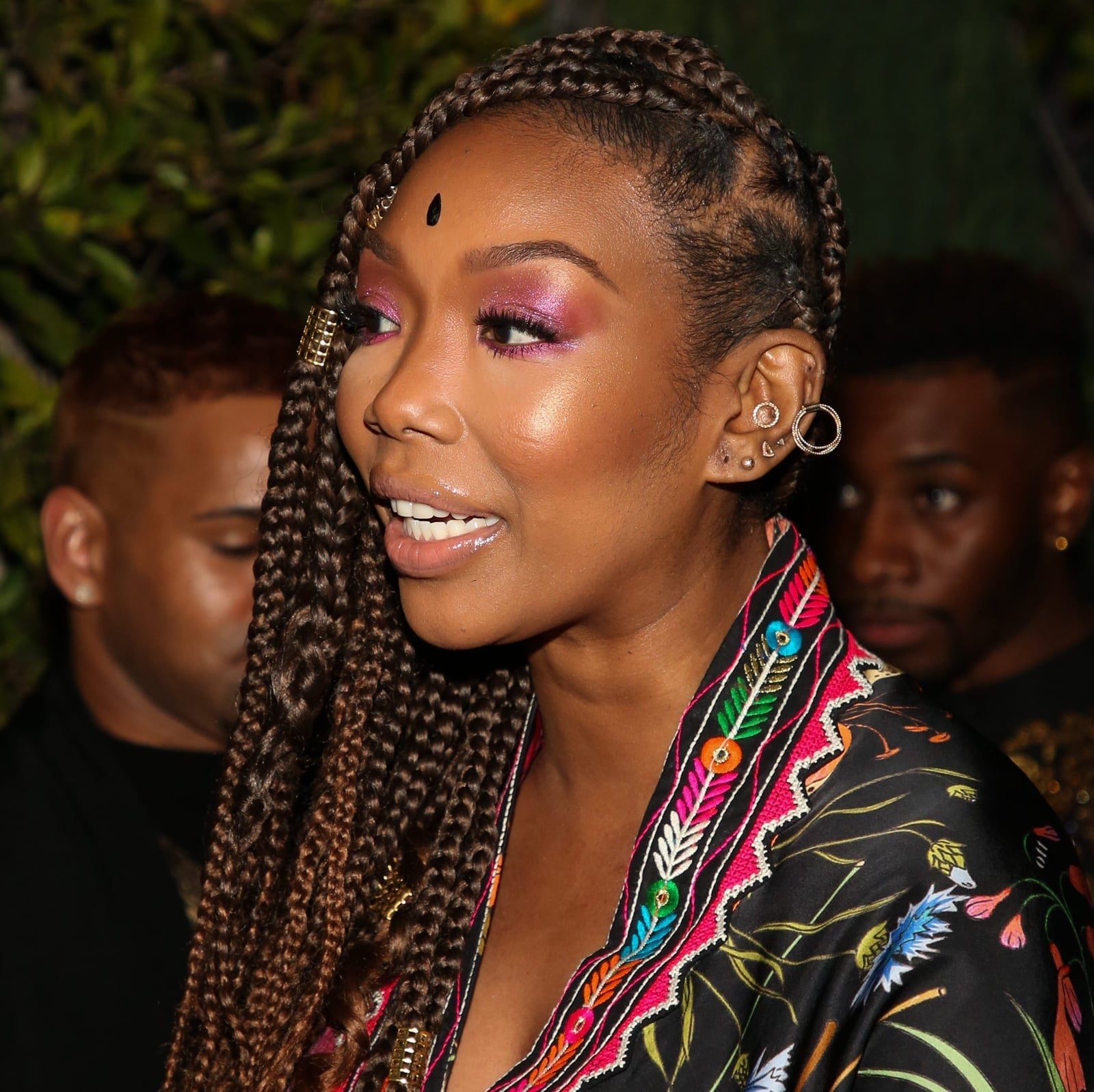
A geometric parting on dark brown hair relies on contrast of line, not color. These mid-back box braids have a distinct geometric pattern carved into the scalp, with subtle highlights that add depth. The thick, wavy texture at the ends keeps the style from looking stiff. Ask your stylist for: dark brown box braids with geometric parting and subtle highlights. The geometric lines draw the eye up, which works well for rounder face shapes. Thick hair fills in the pattern best, as thin hair can leave gaps that blur the design.
Heart-Shaped Cornrows Into Low Bun
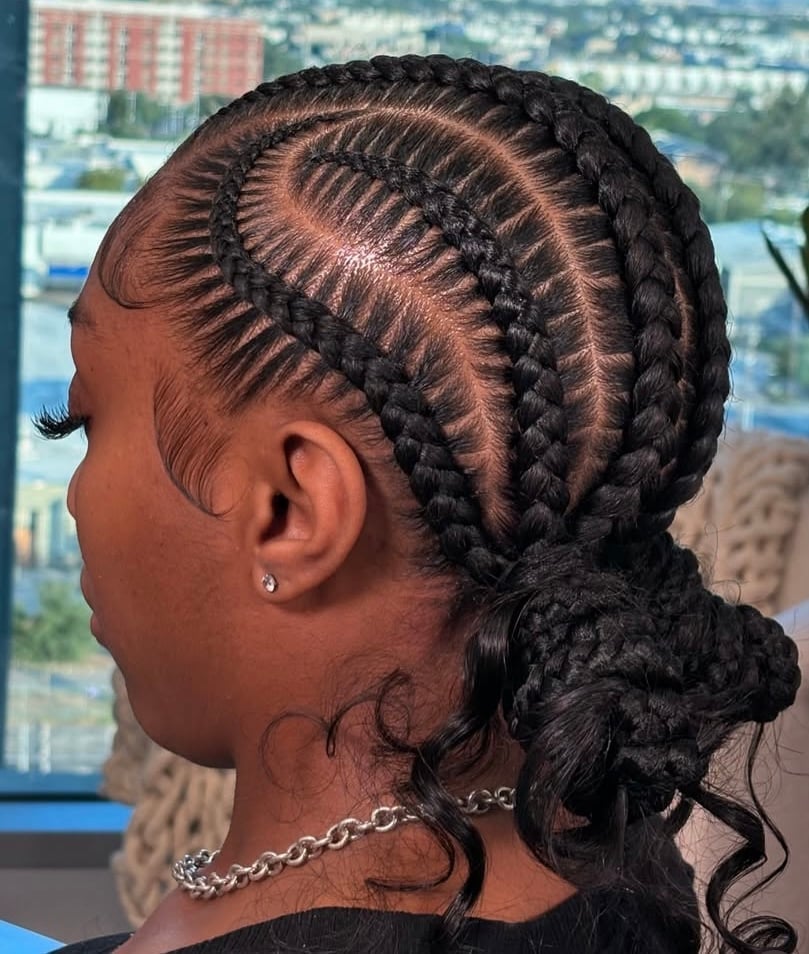
The design starts at a middle parting, then the cornrows arc outward into a heart shape before they gather into a low bun at the nape. Thick, mid-back length hair with a straight texture holds the pattern best; the heart motif adds a playful element a standard grid lacks. Ask your stylist for: heart-shaped cornrows into a low bun with face-framing tendrils. Light hairspray keeps the tendrils from deflating, and re-braiding every six to ten weeks maintains the scalp detail.
Long Dark Brown Box Braids With Highlights
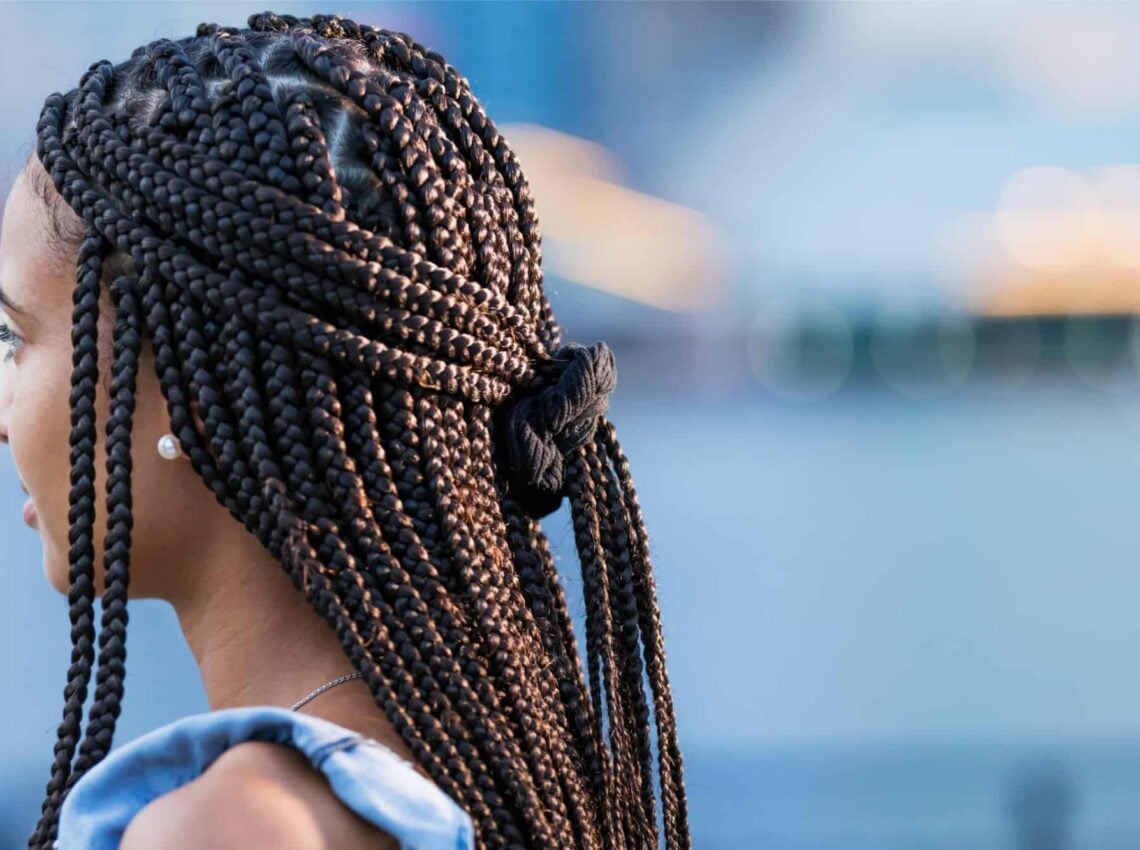
These mid-back, uniform braids in dark brown with subtle lighter highlights look clean and professional, but tension at the hairline is a real risk. Ask your colorist for: long, thick box braids with subtle highlights and a middle part. A lightweight oil keeps the braids smooth between washes. Plan for a trim every six to eight weeks to prevent split ends from traveling up the shaft.
Sleek Medium Brown Box Braids With Baby Hairs
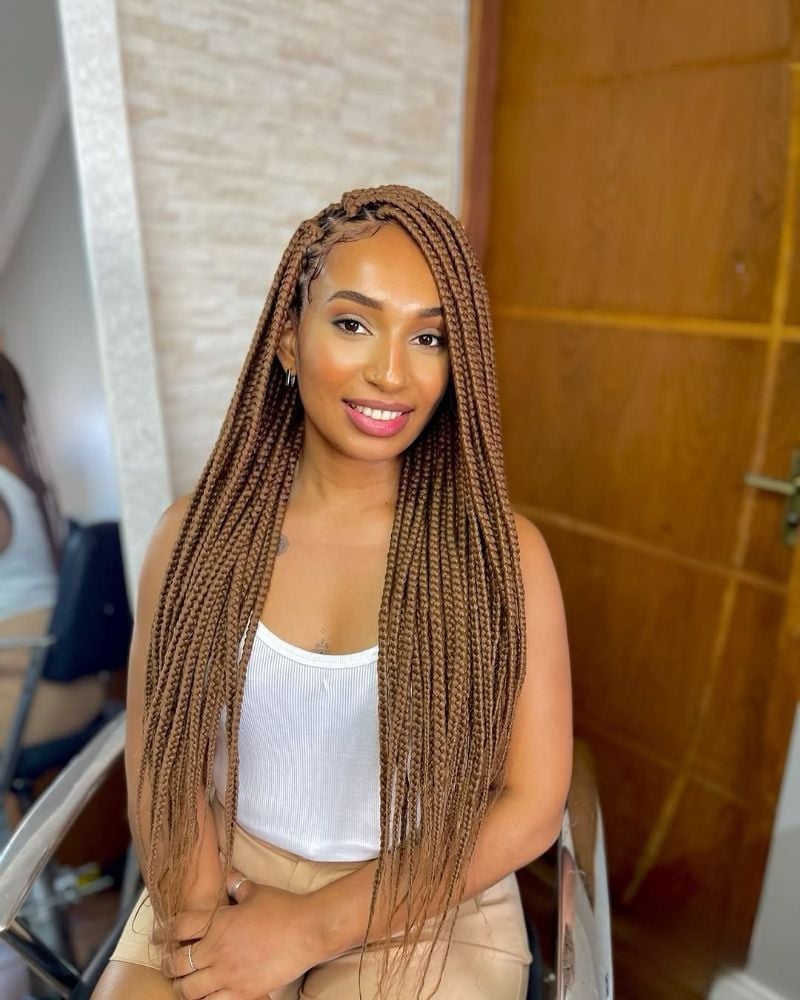
The glassy, uniform finish on box braids comes from tension: every braid must be pulled tight and even from root to tip. These long, fine-textured braids in a solid medium brown use a clean middle part and meticulously styled baby hairs to create a frame around the face. Ask your stylist for: long, sleek medium brown box braids with styled baby hairs. A light edge control product keeps the baby hairs swooped without flaking, and a trim every six to eight weeks preserves the polished line at the ends.
Shoulder Length Box Braids With Star Parting
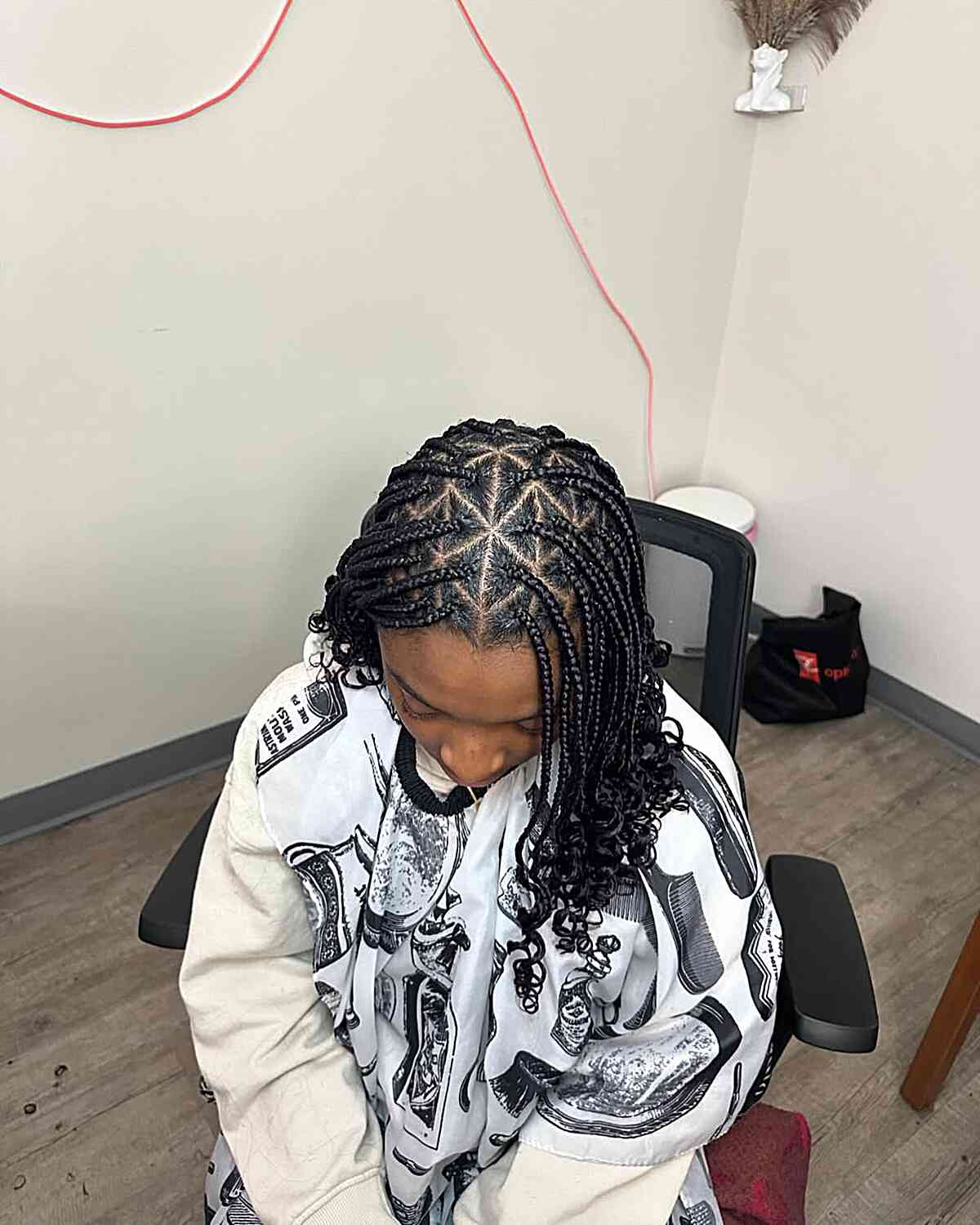
A standard middle parting is reliable, but a star-shaped geometric parting is a conversation starter. These black box braids stop at shoulder length, with curly ends adding texture to the precise scalp work. Ask your stylist for: shoulder length box braids with a star-shaped geometric parting. The geometric detail suits anyone who wants a visual focal point without extra length. A curl-defining cream on the ends keeps the texture uniform, and re-braiding every four to six weeks protects the parting shapes from growing out.
Thick Curly Micro Braids With Curly Ends
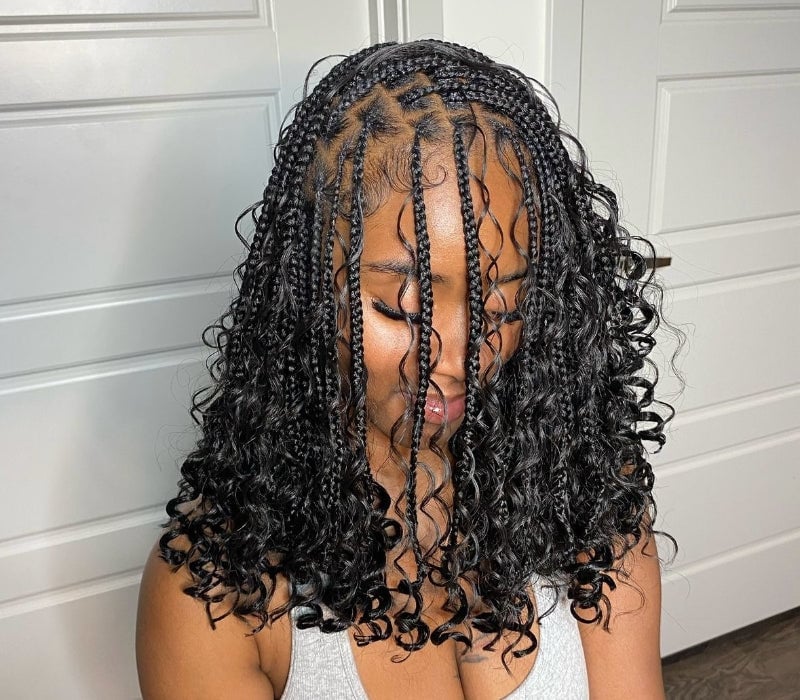
Micro braids on thick, curly hair require patience to install but deliver a look that moves naturally. These shoulder-length braids start with a precise middle parting on the scalp, and the curly ends are left loose to mirror the hair’s natural texture. Ask your stylist for: thick micro braids with curly ends and a middle part. A lightweight oil keeps those ends defined and prevents frizz from blurring the line between braid and curl. Re-braiding every four to six weeks keeps the roots neat without over-stressing the hair.
Thick Black Box Braids With Precise Parting, Mid-Back
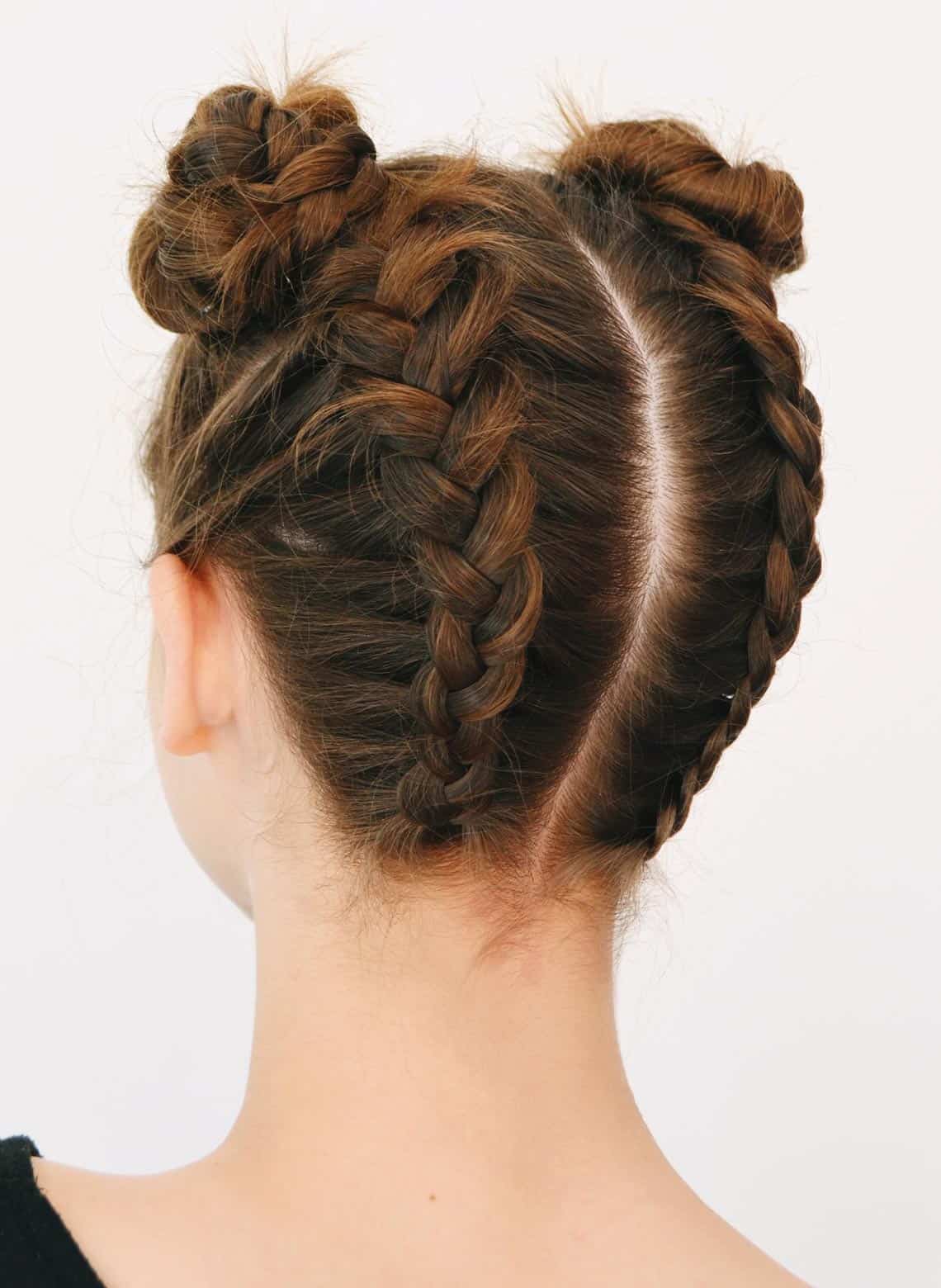
A precise middle parting in thick black box braids is less about luck and more about geometry. The parting must be mapped before the first braid is started, with each section divided into clean, equal squares using a rat-tail comb. This technique works best on hair that is at least mid-back length and naturally thick, as the weight of the braids keeps the line taut. Ask your stylist for: thick box braids with a precise middle part. The symmetry of a centered part suits most face shapes equally, elongating the profile without adding width. A light oil applied along the scalp line keeps the part crisp, and a trim every six to eight weeks maintains the even ends.
Long Box Braids With Blonde Highlights And Curls
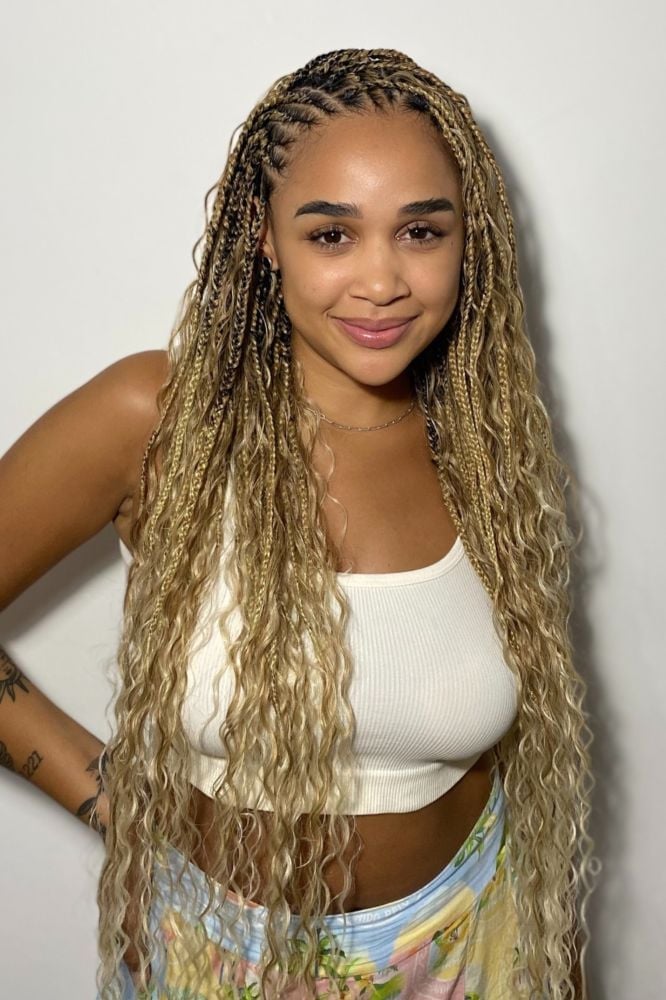
A practical rule for long box braids with loose curls: the finer your natural texture, the better these braids will hold the curl without collapsing. The photo shows a blend of blonde and light brown highlights that create dimension through the length, with voluminous curls starting past the shoulders. This style genuinely flatters fine, wavy hair because the lighter weight of the braids allows the curl pattern to stay defined. Ask your colorist for: long box braids with highlights transitioning to loose curls. A middle parting keeps the look balanced and works well on most face shapes, particularly those with longer proportions. Those with very thick or coily hair may find the curls loosen faster, so a curl-defining cream applied to the ends helps maintain the shape between re-braiding sessions every six to eight weeks.
Blonde French Braid With Middle Parting
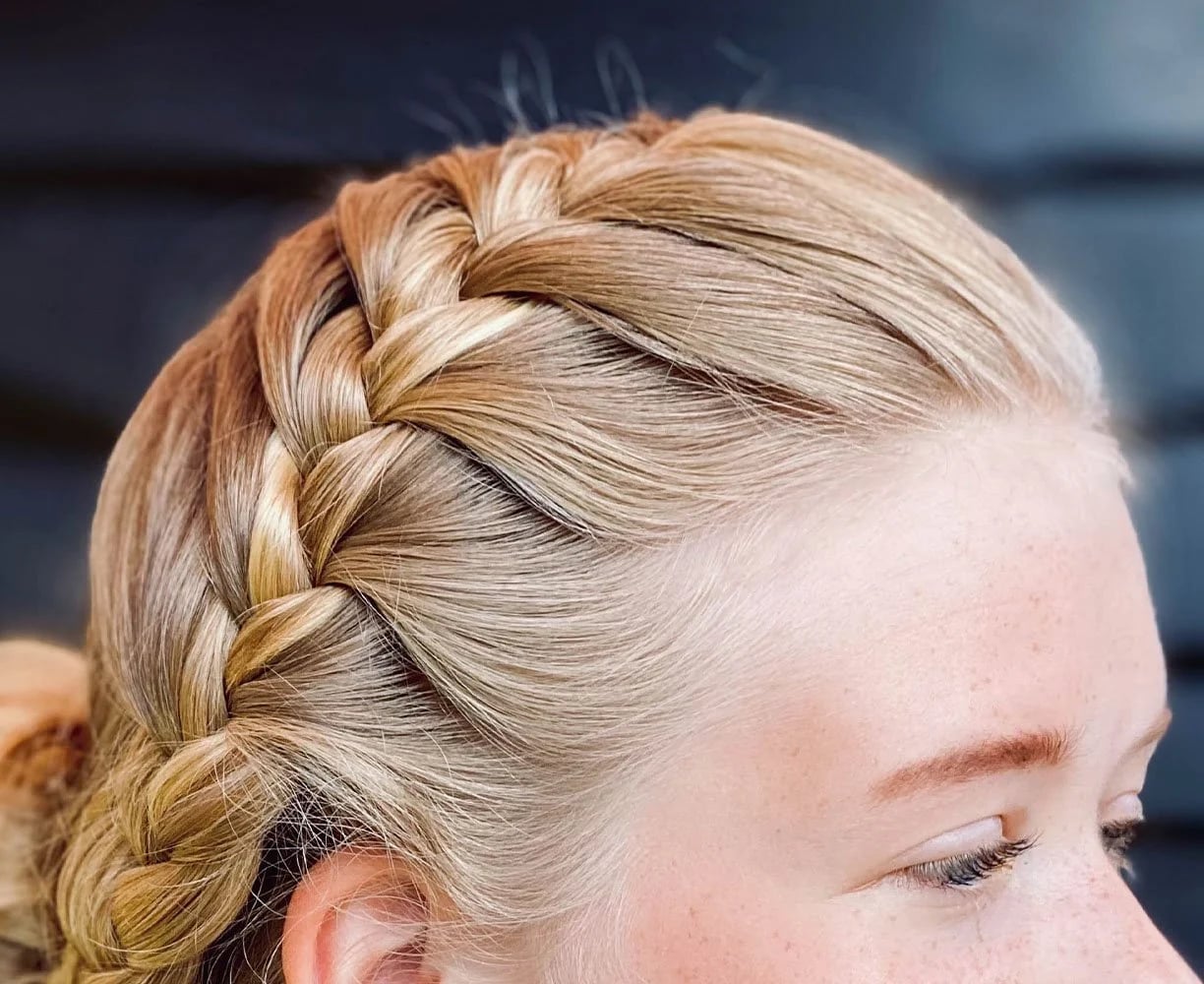
A single French braid with a middle parting is one of the few styles that looks polished without requiring a salon appointment. The photo shows fine, wavy blonde hair with subtle lighter highlights, braided cleanly from the crown to shoulder length. The middle parting elongates round or oval face shapes, and the braid itself holds best on hair that is at least shoulder length. Ask your stylist for: shoulder length blonde French braid with a middle part. This is a true DIY option: it takes about ten minutes once the sections are familiar, and a clear elastic at the end is all that is needed to secure it. Re-braiding weekly keeps the line sharp.
Final Thoughts
For a low-maintenance everyday look, stick with neat, middle-parted box braids or cornrows that run straight back. If you want more visual detail, geometric patterns or stitch braids deliver, though they need more frequent salon visits to keep the lines sharp.
- Sleep with a silk or satin scarf wrapped around your braids to prevent frizz.
- Apply a lightweight oil to the scalp along the part lines weekly.
- Avoid tight ponytails or heavy accessories that pull on the braids.
- Trim any frayed ends as they appear to keep the style sleek.
- Schedule a touch-up every four to eight weeks depending on growth.
A well-executed parting braid is the epitome of refined style.