
Bantu knots are a classic protective style that twists sections of coily or curly hair into small, coiled buns across the scalp. The current trend leans toward softer, more defined knots that show off natural texture rather than a stiff, uniform look.
This collection of 33 Classy Bantu Knots Hairstyles covers everything from quick weekend knots to intricate patterns for special occasions. Whether your hair is fine and needs volume or thick and demands definition, there is a variation here that holds. It solves the struggle of keeping a style intact past day one without sacrificing polish.
Numerous Small Bantu Knots Black Hair
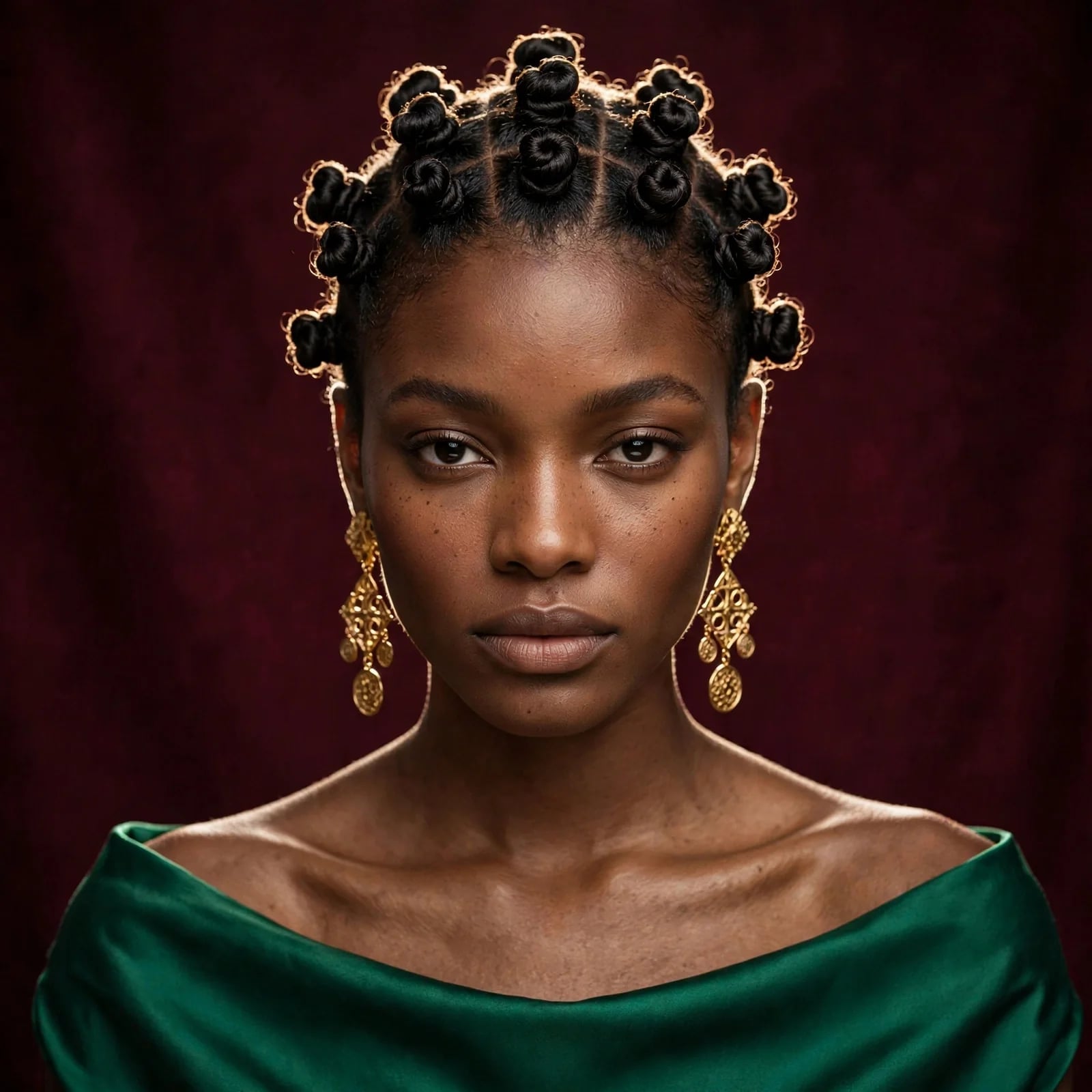
The smaller the knot, the more intricate the overall effect, and here the scale does the work. A middle part divides thick, coily black hair into even sections, each wound into a tight knot that sits flat against the scalp. The density creates a halo-like silhouette that reads as deliberate and polished. Ask your stylist for numerous small bantu knots with a middle part. This arrangement suits anyone with thick, coily hair looking for a style that keeps strands secured and out of the way without sacrificing visual interest.
Tightly Wound Bantu Knots Defined Edges
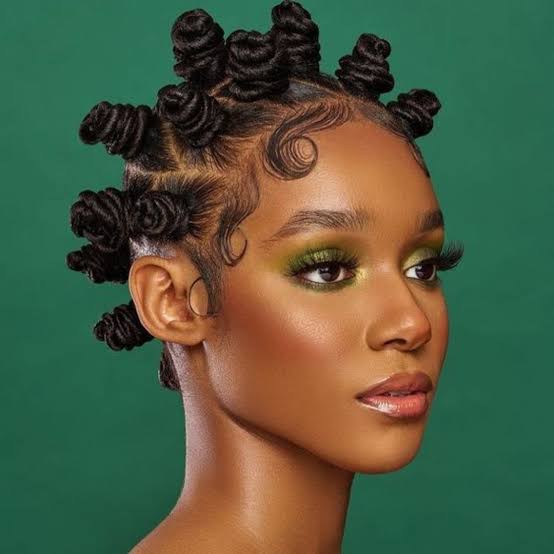
Straightening the hair before forming the knots changes the finish entirely: smooth, sleek and uniform, with none of the natural frizz that coarser textures bring. The real focus here is the hairline, where baby hairs are sculpted into precise swirls and curves that frame the face. Ask your stylist for tight bantu knots on straightened hair with defined baby hairs. The technique requires a steady hand and a heat protectant, so this is one to leave to a pro rather than attempt in a hurry at home.
Neatly Formed Bantu Knots Side Profile
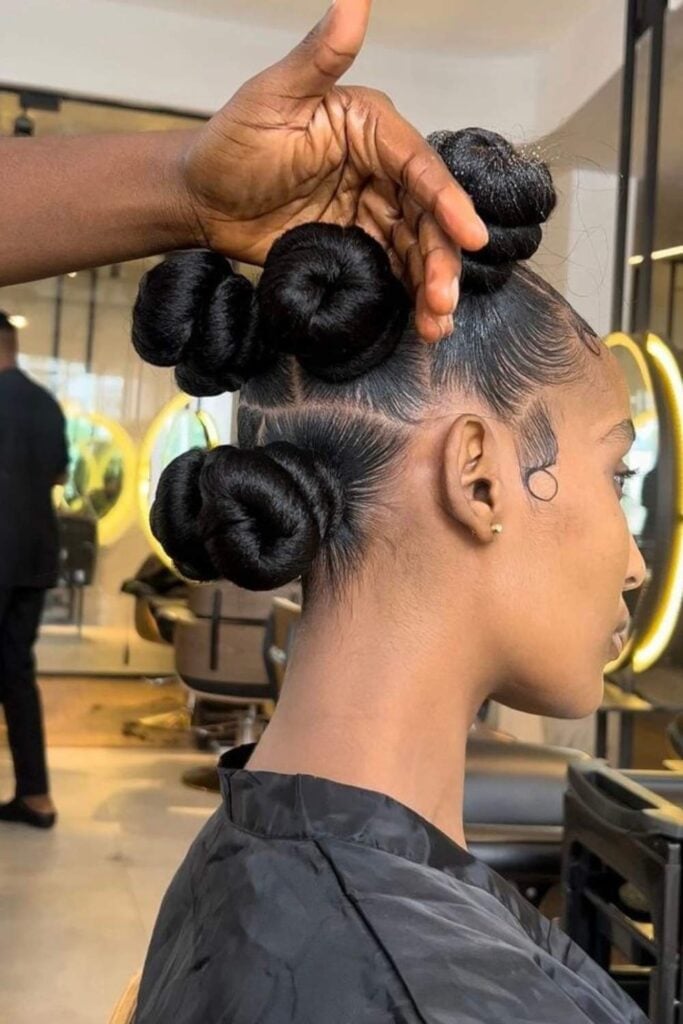
How do you make sure the shape holds its clean line from every angle? A central parting and even sectioning are the starting point, but the real test is the side view, where any asymmetry becomes obvious. Here the thick, coily black hair is sectioned into knots that maintain a uniform size from front to back, creating a consistent curve along the head. Ask your stylist for neatly formed bantu knots with a middle part. This works best on short to medium-length hair where the knots sit without excess length trailing behind.
Neat Bantu Knots With Gold Rings
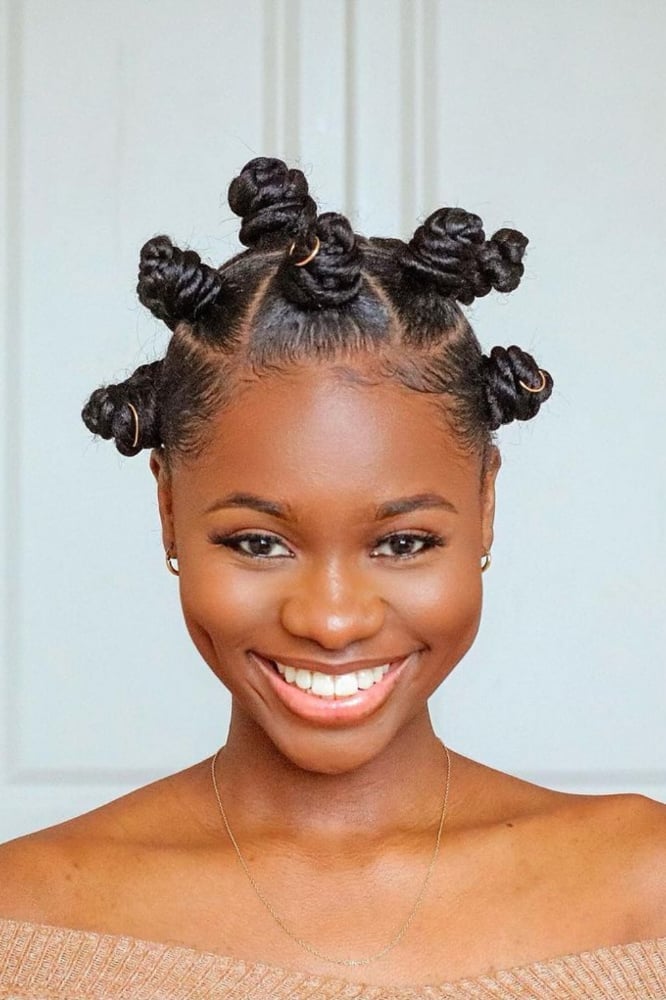
Plain bantu knots are a classic protective style, but add small gold rings and the look shifts from everyday to event-ready without changing the structure. The middle part and uniform knot size keep the foundation neat, while the metal accents catch the light and draw the eye across the scalp. Ask your stylist for neat bantu knots with small gold rings and a middle part. It is a straightforward upgrade: the rings slip onto the base of each knot after styling, so the extra effort is measured in minutes, not hours.
Bantu Knots Braided Sections Beads
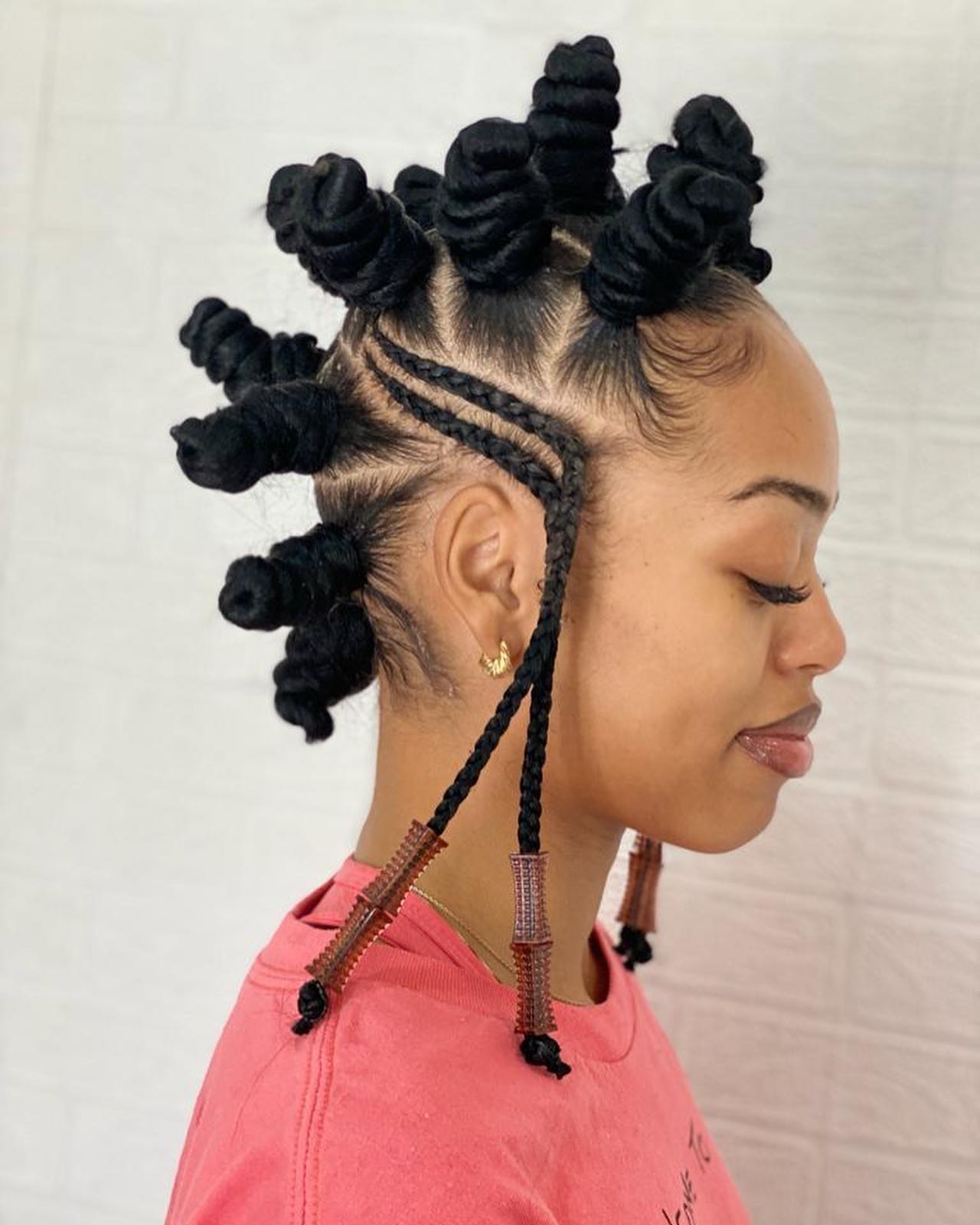
A geometric pattern of bantu knots covers the crown, but the real architecture is in the braided sections that extend into two longer braids, each finished with decorative beads. The thick, coily black hair is parted precisely to keep the shapes clean, and the beads add weight that helps the braids hang rather than curl up. Ask your stylist for bantu knots with braided sections and beads in a geometric pattern.
Upkeep is straightforward but specific: the beads must be secured tightly to avoid slipping, and the braids should be moisturized from root to end before installation. Re-tightening the knots every one to two weeks keeps the pattern crisp, especially around the hairline where wear shows first.
Elegant Rose-Like Bantu Knots
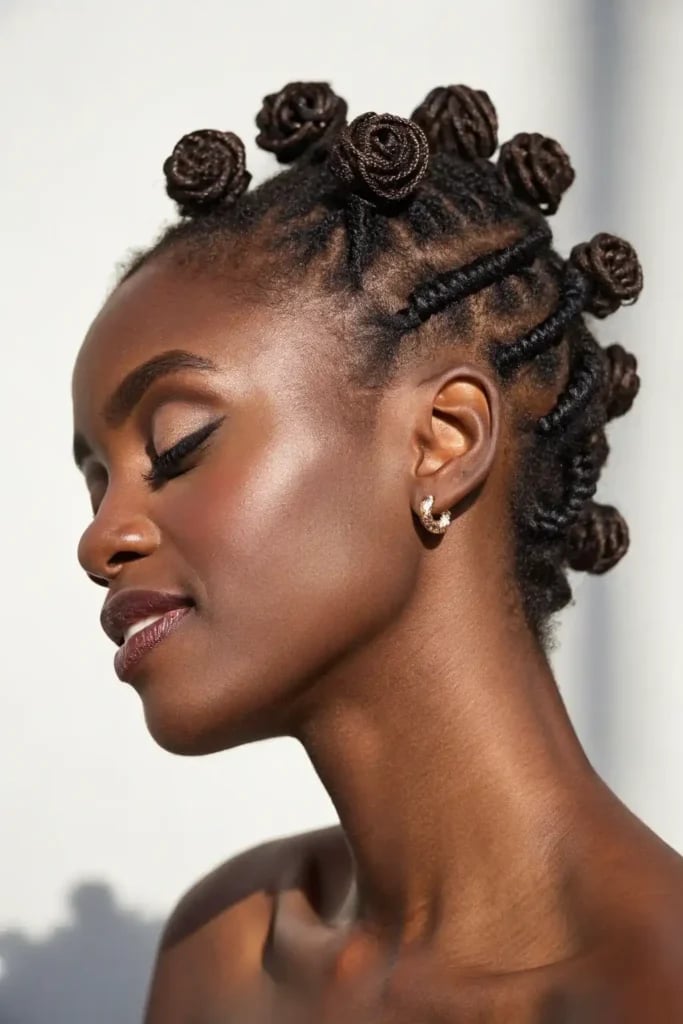
These rose-like bantu knots are a genuine treat for thick, coily hair that doesn’t need to travel far. The short length keeps each knot compact and defined, so the petal effect reads clearly rather than getting lost in the length. A central part anchors the symmetry, and the side profile lets the layered shape of each knot do the talking. Ask your stylist for: elegant rose-like bantu knots, central part. A styling cream helps coax the coils into those rounded forms, and a light mist of hairspray keeps everything in place without crunch.
Ornate Bantu Knots With Accessories
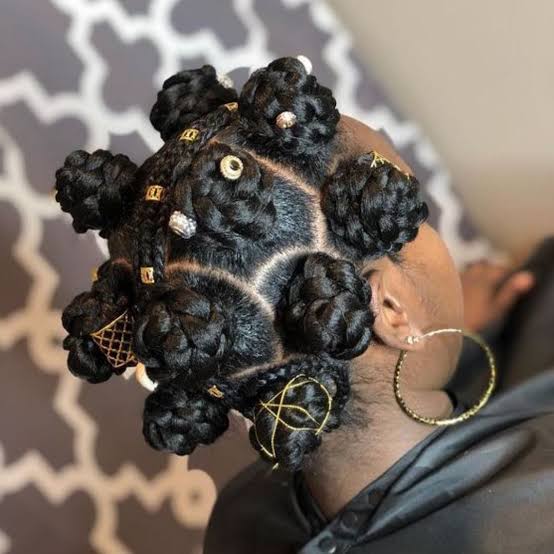
Gold accessories and beads threaded through thick, coily bantu knots create a design that demands attention and a solid chunk of your day. The back and side view shows the density of the arrangement, with each knot carrying its own small piece of hardware. The trade-off is the styling time: placing and securing those accents takes patience, and you will want to check that nothing shifts before you walk out the door. Ask your stylist for: ornate bantu knots with gold accessories and beads. Use small, tight elastics at the base of each knot to anchor the pieces firmly.
Bantu Knots Top and Sides
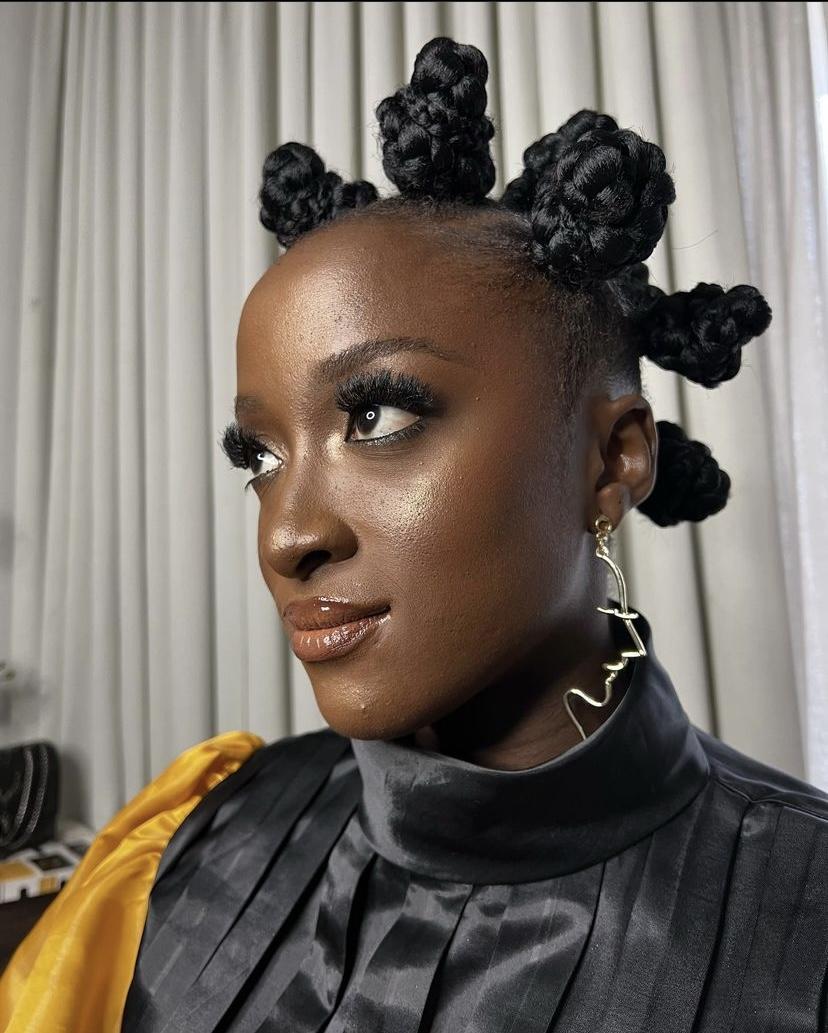
Confining bantu knots to the top and sides of the head is a practical move for short, thick, coily hair that might otherwise feel heavy when fully knotted. The front view shows a neat middle parting that keeps the scalp visible and the knots evenly spaced. Each section is twisted and wrapped from root to tip, then coiled into a flat knot against the head. Ask your stylist for: bantu knots styled on top and sides. A light hold spray helps the knots stay put without stiffening the natural texture.
Symmetrical Bantu Knots Polished Look
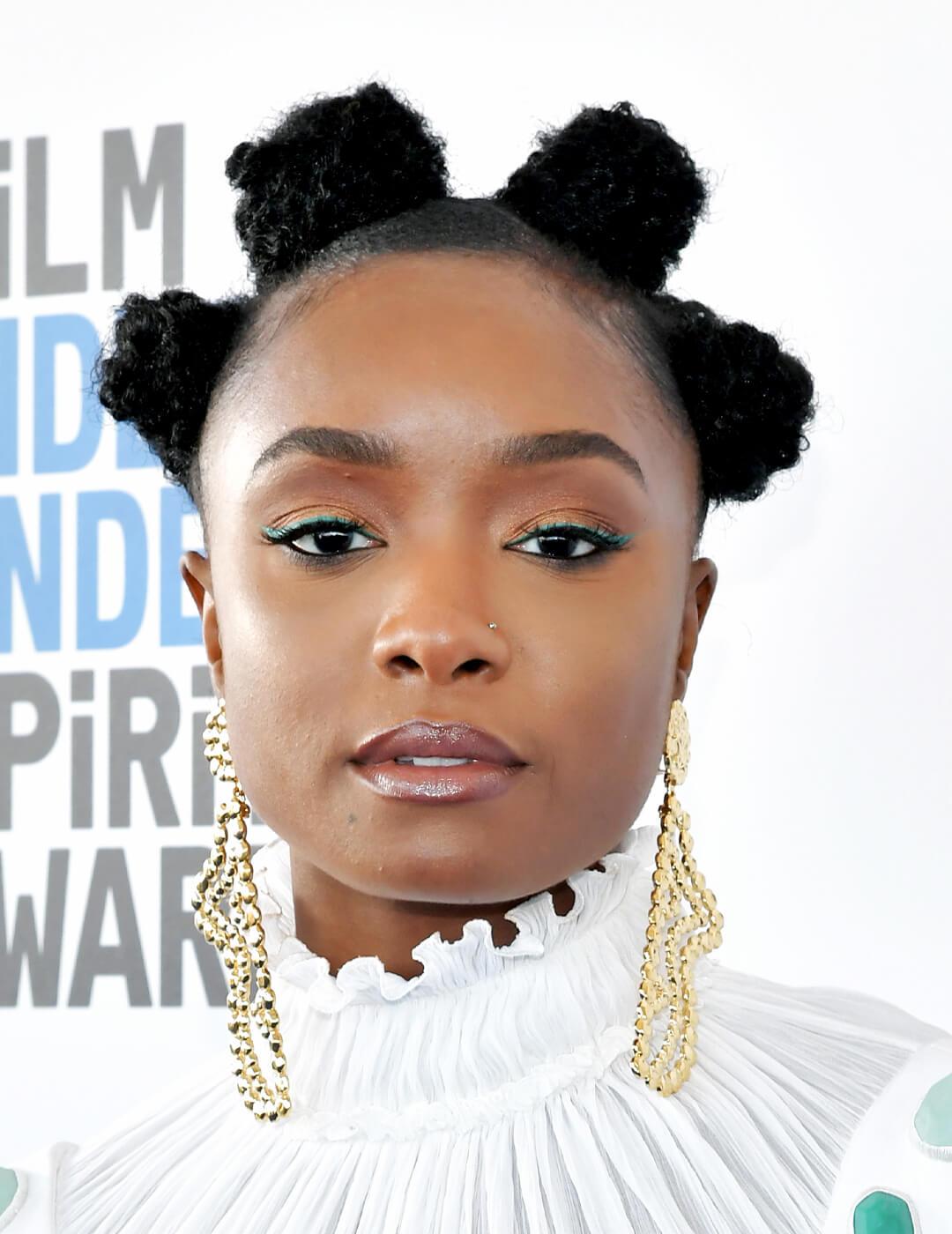
How do you get that mirror-image precision across the crown? The key is in the parting. A clean middle part runs front to back, and each knot on the left has an identical twin on the right. The thick, coily texture here holds the shape well, and the clean hairline adds a tailored finish. Ask your stylist for: symmetrical bantu knots, clean hairline, middle part. A fine-tooth comb for the parting and a dab of edge control along the hairline are the tools that turn a good set into a polished one.
Large Bantu Knots Straightened Hair
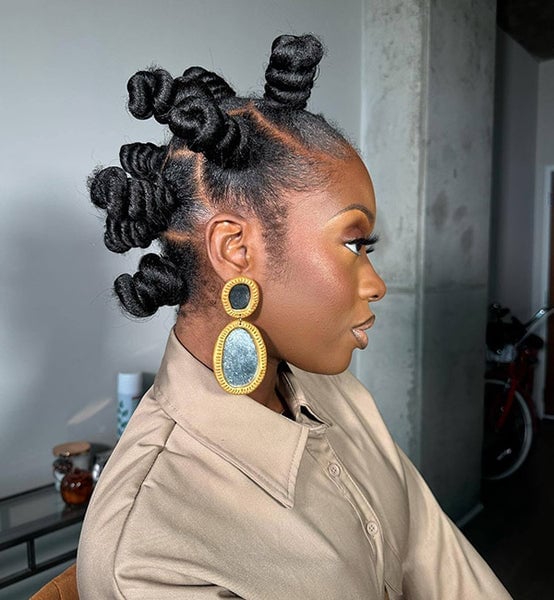
Large bantu knots on straightened hair read differently than their coily counterparts: the knots sit smoother and sleeker, with a glossier surface. The middle parting keeps the distribution even, and the side view shows the volume each knot carries without the frizz halo that coily textures sometimes produce. This version is less about texture and more about clean, sculptural form. Ask your stylist for: large bantu knots on straightened hair, middle part. Applying a smoothing serum to each knot before wrapping helps maintain that polished finish.
Bantu Knots Shoulder Length Coily Hair
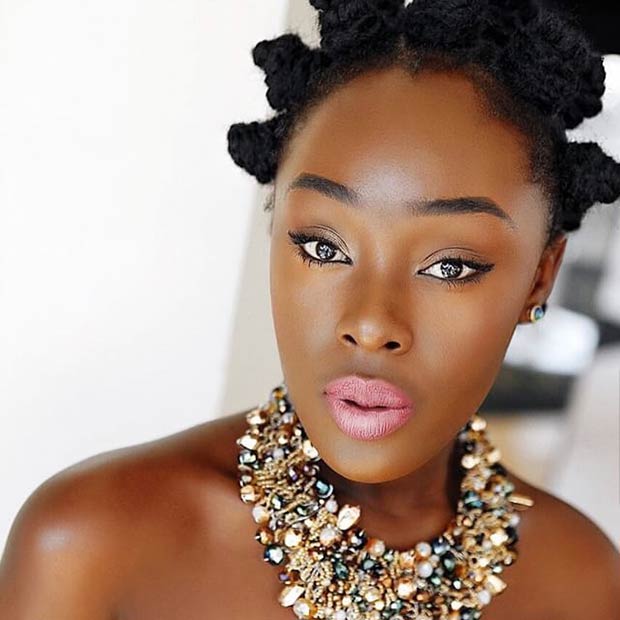
Shoulder-length bantu knots are the rare style that reads as polished without requiring you to commit to a pixie. The middle part and upward sweep give the crown some height, which balances a round face nicely. Thick, coily hair holds the knot structure best, so fine or slippery textures may need extra pinning. Ask your stylist for: shoulder length bantu knots, middle part. A setting spray after styling keeps the coils defined and the knots in place through a full workday, no touch-ups needed.
Distinct Textured Bantu Knots
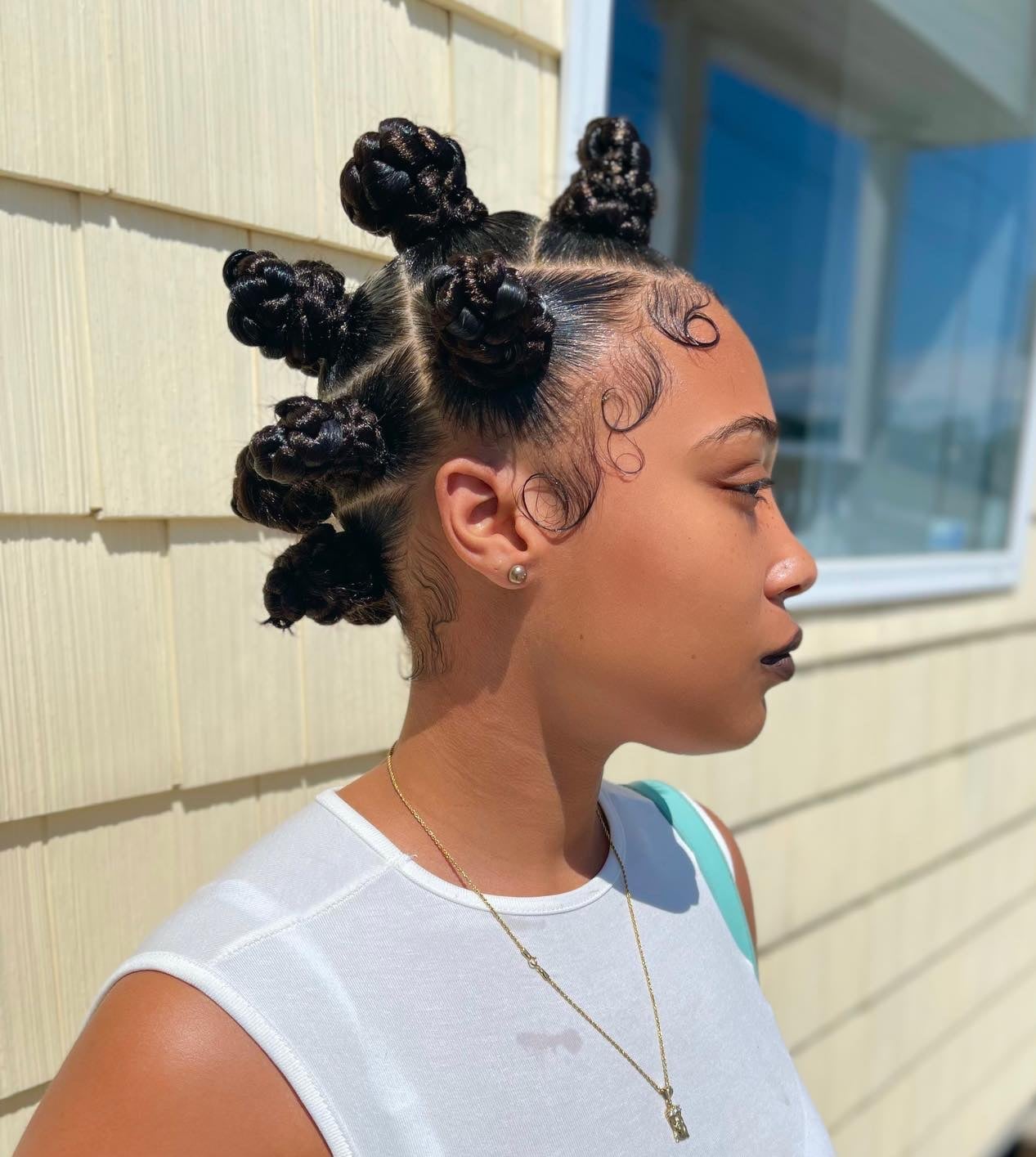
The side profile here shows how defined knots can turn short, coily hair into a sculptural shape. Each knot is wound tightly, which gives the style its texture and keeps it from looking flat. Definition fades as the day wears on, so a defining cream before twisting is a must. Ask your stylist for: textured bantu knots, central part. With short hair, expect to refresh the edges every few days and trim split ends every six to eight weeks to keep the knots crisp.
Decorative Bantu Knots Pattern
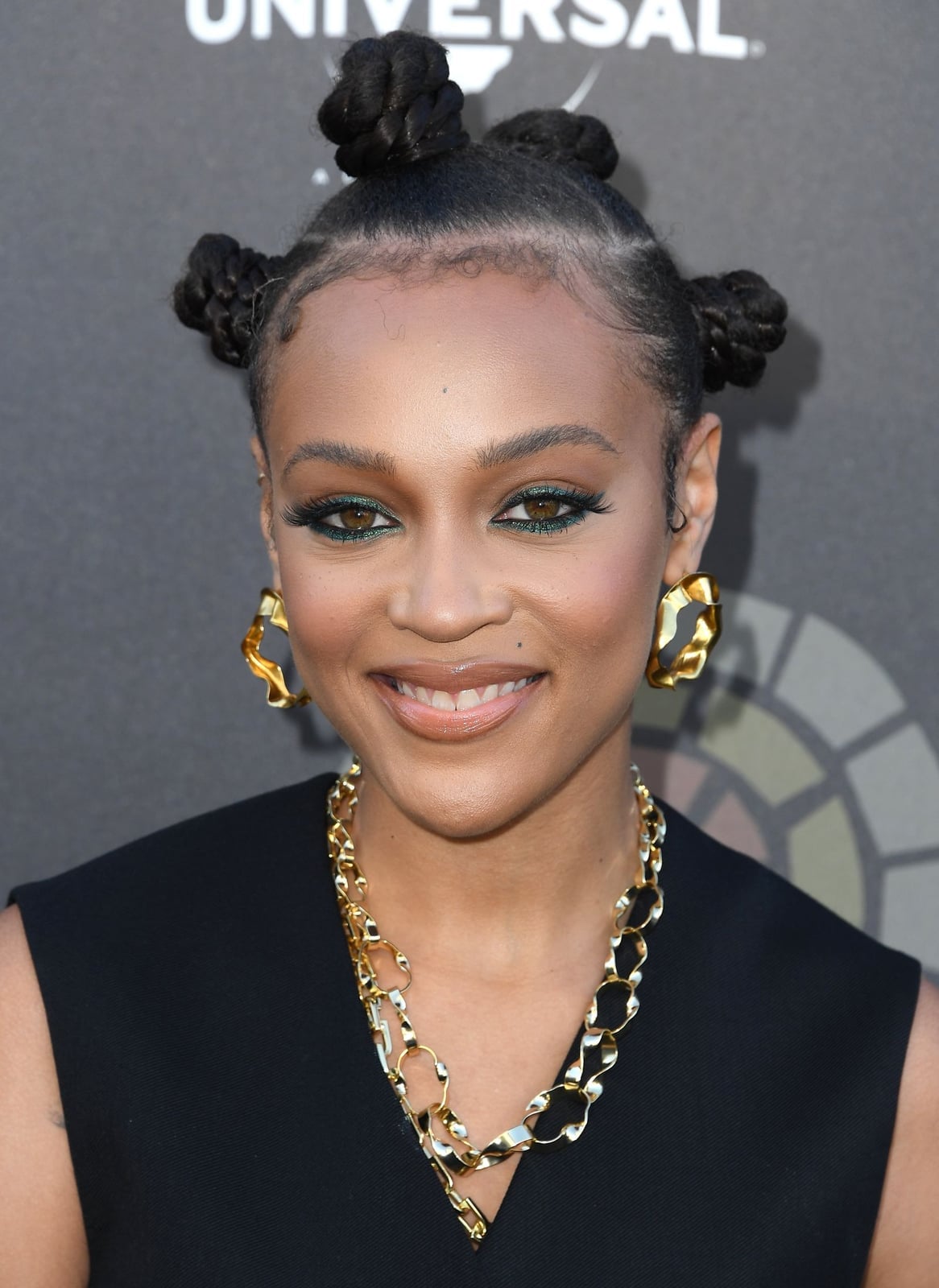
A row of bantu knots across the crown is a pattern that draws the eye upward, and the coily texture inside each knot gives it a soft, dimensional finish. The middle part keeps the arrangement symmetrical, so it works best on hair that is thick enough to form distinct knots without looking sparse. Ask your stylist for: decorative bantu knots pattern. A rat-tail comb is what makes the parting lines razor sharp, and that precision is what separates a casual style from a deliberate one. Plan for the styling to take about an hour in the salon, since each knot is twisted and pinned individually.
Heart Shaped Bantu Knots Back View
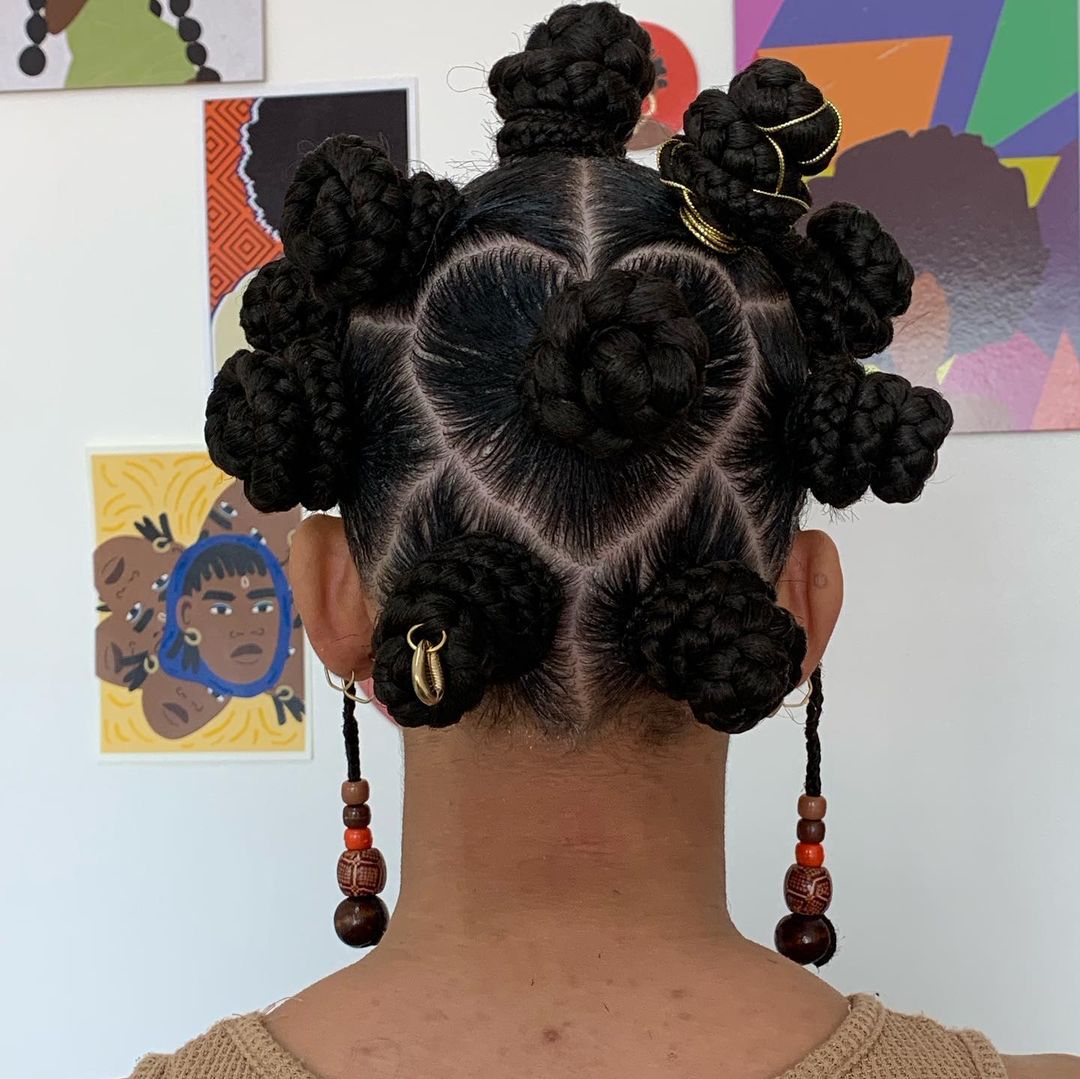
How do you get a heart-shaped parting without it looking like a craft project? You ask for it by name. The heart is cut into the scalp with a clean parting, and the knots around the perimeter frame it, so the shape reads from across the room. This one is a special-occasion style, think a wedding or an anniversary dinner, because the geometric parting takes time and a steady hand. Ask your stylist for: bantu knots with a heart-shaped parting. Mid-back length gives enough hair to make the knots substantial, and the black coily texture keeps the shape crisp. Expect to sit for about two hours while the parting is mapped and each knot is wound.
Bantu Knots With Butterfly Accessory
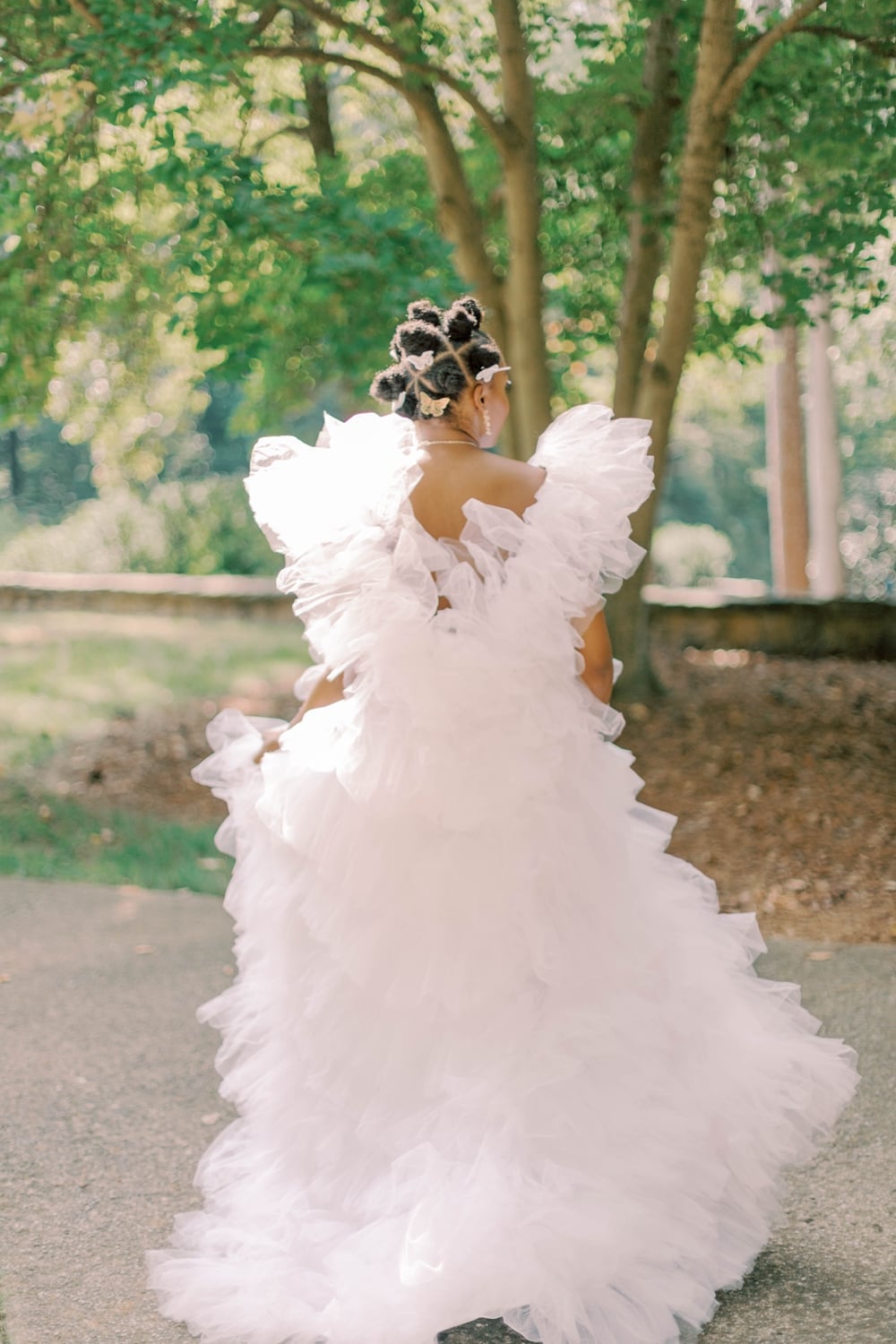
Plain bantu knots are a dependable everyday style, but add a butterfly accessory at the nape and the whole arrangement shifts from practical to party-ready. The accessory works best on short, coily hair where it sits close to the head. Ask your stylist for: bantu knots with a butterfly accessory. Choose a clip that matches your hair color so it blends in as a detail, not a distraction. The knots themselves stay tight for a few days, but the accessory is the part you will re-secure each morning.
Uniform Bantu Knots Gold Rings
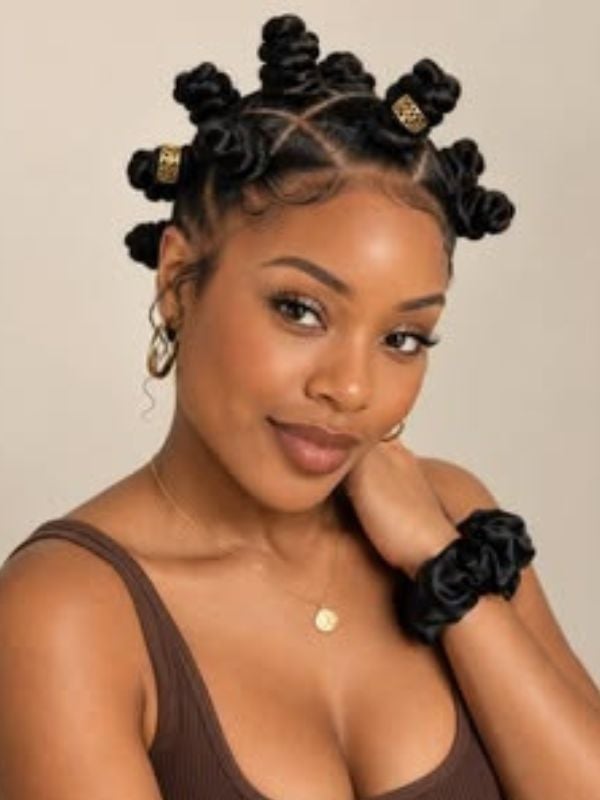
Uniform knots are one thing, but uniform knots with small gold rings woven into every other one? That is a different level of patience. The middle part runs clean through black, coily, thick hair, with each knot wound to roughly the same size. Those rings sit snugly against the base of the knot, catching the light without catching on strands. Ask your stylist for: uniform bantu knots with small gold rings, middle part. The design holds its shape well for several days, though you will want a satin scarf at night to keep the rings from shifting and the knots from frizzing at the edges.
Double Bantu Knot Buns
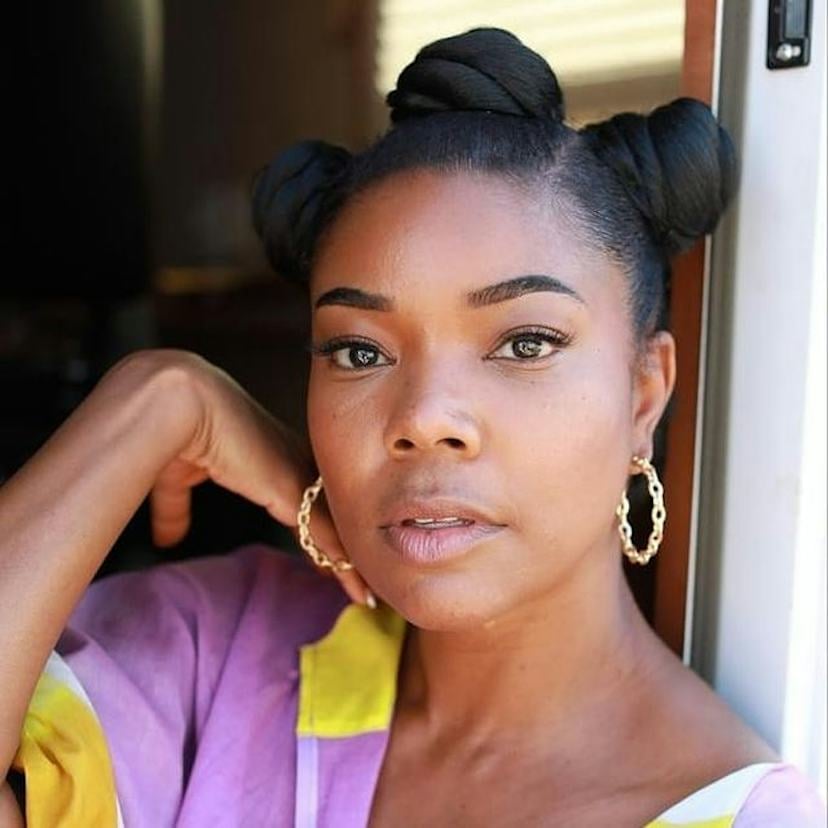
Two large bantu knots sitting on top of the head read as a sculptural take on double buns. The coily, thick hair is wound into two defined knots, one on each side of a middle part, while the rest is pulled back smooth. Ask your stylist for: double bantu knot buns, middle part. The technique relies on keeping the base of each knot flat against the scalp so the bun-like shape stands up on its own. A fine-tooth comb helps tuck stray hairs into the pulled-back section before you secure it.
Neat Bantu Knots Straightened Dark Hair
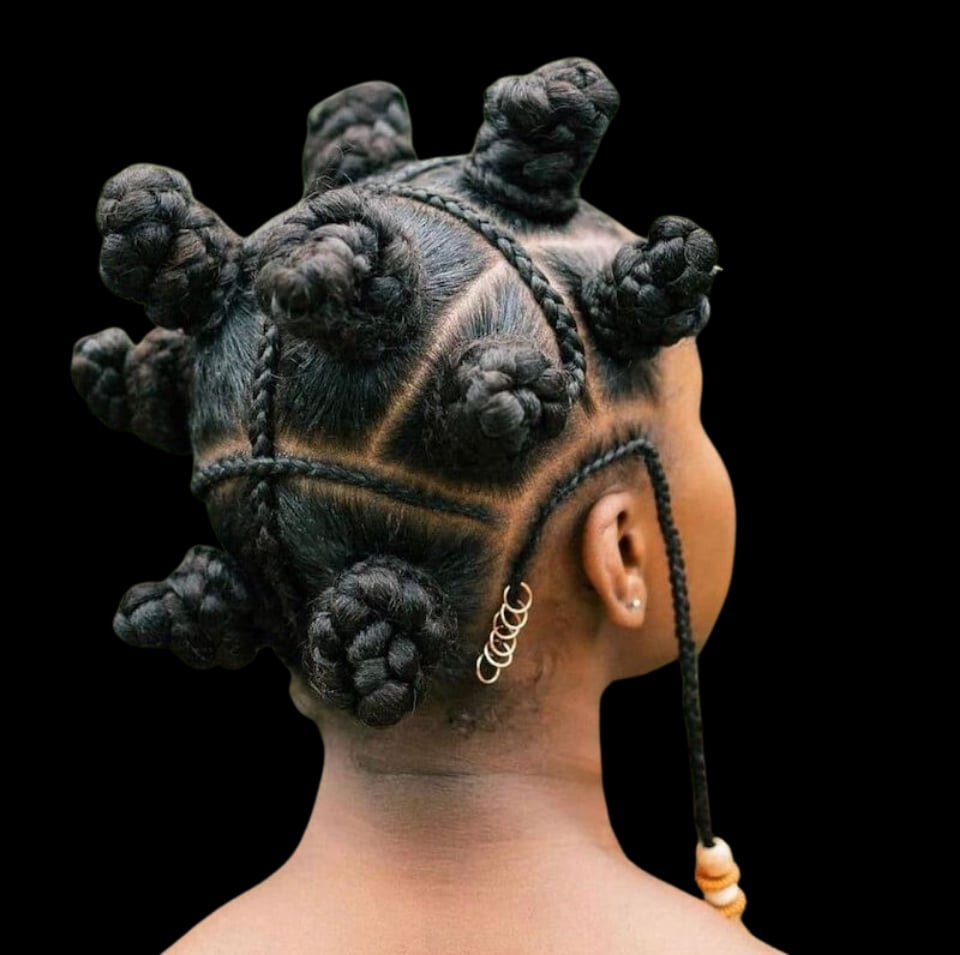
This one is for anyone who prefers the geometry of bantu knots without the natural coil. The dark hair has been straightened first, then sectioned into clean knots that sit uniformly across the head. A central parting keeps the arrangement balanced. Ask your stylist for: neat bantu knots on straightened dark hair, central part. The straightened texture means the knots look sleeker out of the gate, but they will also show any uneven tension, so precision matters. Skip this if your hair holds heat styling poorly or you prefer the grip of natural texture.
Well-Defined Bantu Knots Coily Texture
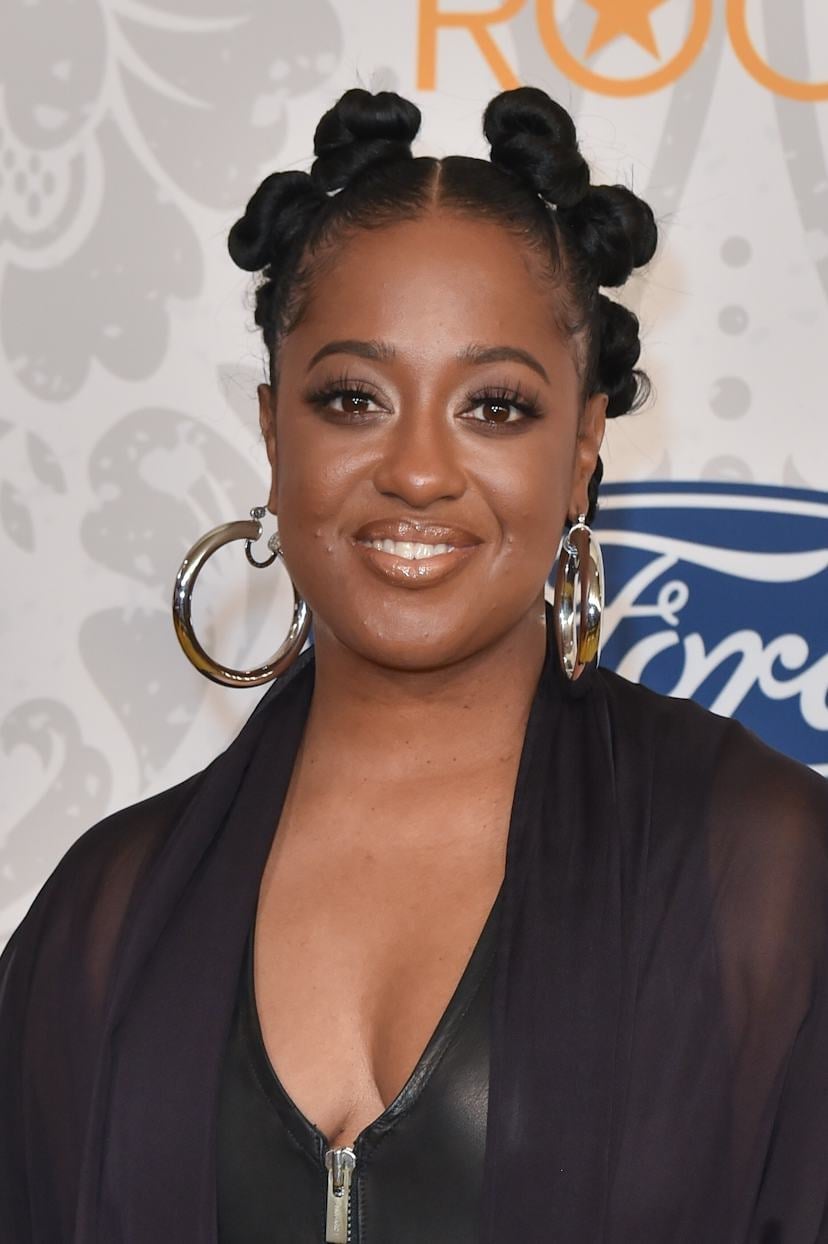
Well-defined bantu knots on natural coily hair are a salon-level investment in time. The black hair is parted cleanly down the middle, then sectioned into evenly spaced knots that sit across the top and sides. Each one is wound tight enough to hold its shape for days. Ask your stylist for: well-defined bantu knots on coily hair, middle part. Doing this at home is possible with a rattail comb and a mirror setup, but expect the sectioning alone to take an hour. A salon can cut that time in half and leave the knots more uniform.
Bantu Knots Precise Geometric Parting
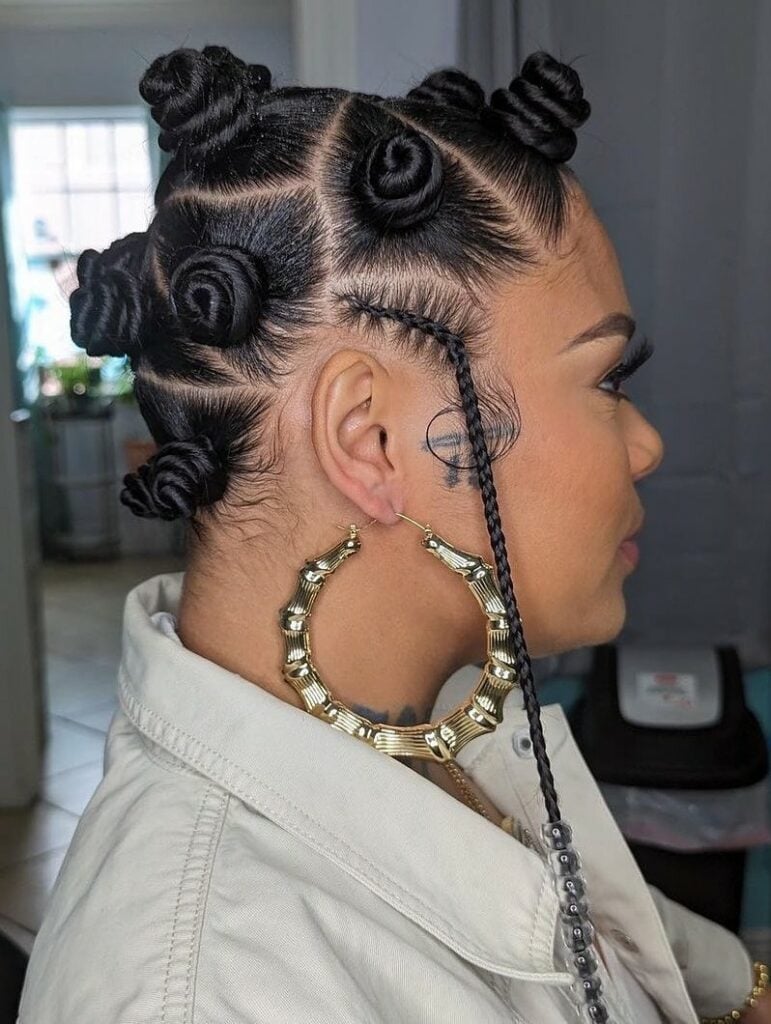
Geometric parting turns a straightforward knot style into a pattern that is visible from the side. The black, coily, thick hair falls to mid-back length, but the parting lines create small, sharp sections, some of which are braided before being wound into knots. The middle part anchors the whole arrangement. Ask your stylist for: bantu knots with precise geometric parting and braids. The braided strands add weight, so each knot needs to be secured firmly at the base. This is not a quick style: the partings alone require a comb with a metal tail.
From a side view, the geometric lines are what make the style look deliberate. The braids woven into some sections also help the knots keep their definition longer, since the plaiting gives the hair more structure before it is wound. Thick, coily hair at least shoulder length is the sweet spot for this one.
Bantu Knots Star Pattern Top View
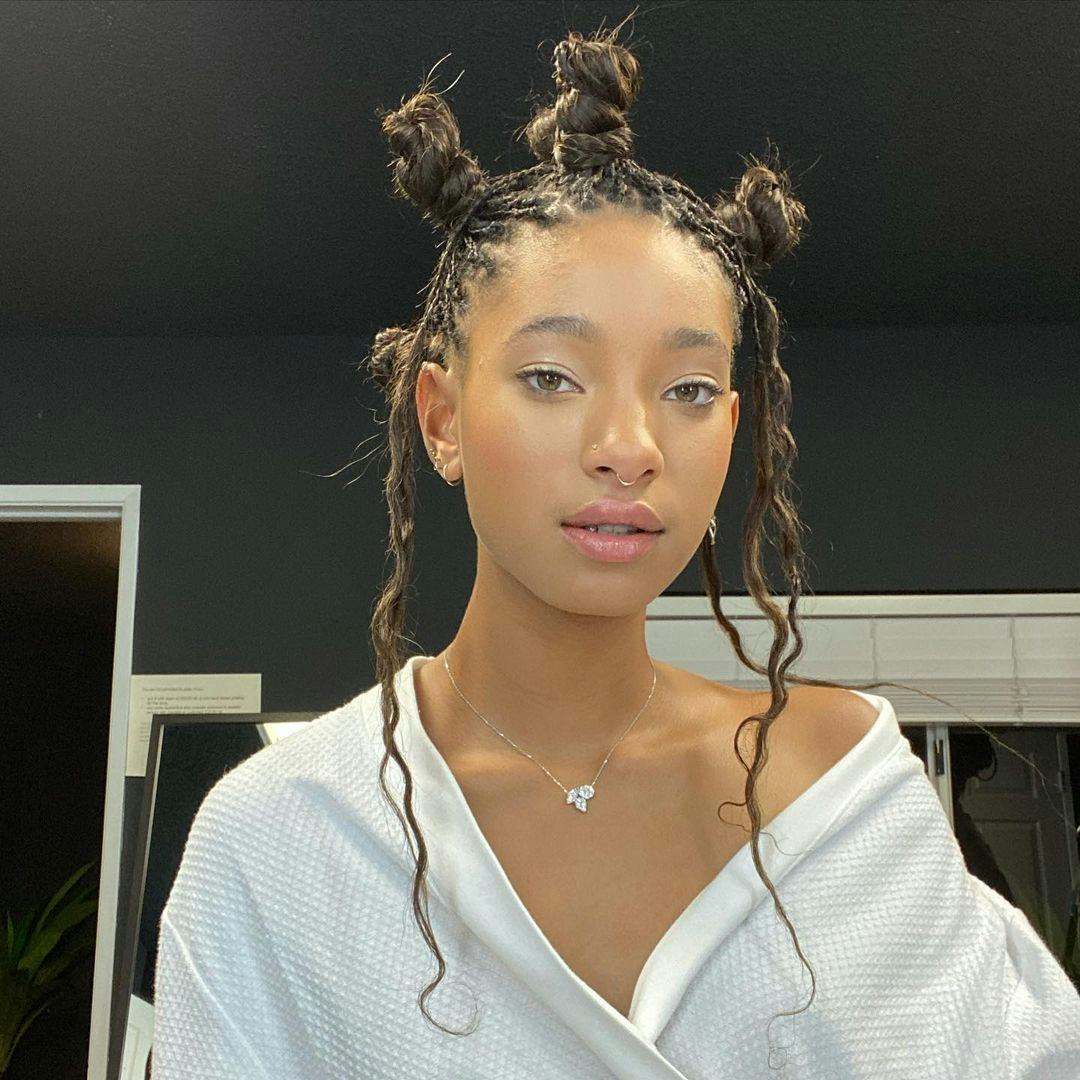
A star pattern in bantu knots comes down to the parting. On thick black hair, a stylist maps out geometric sections on the scalp, then winds each section into a tight bantu knot so the points of the star are defined by the knots themselves. Ask your stylist for: bantu knots in a star pattern. The top-down view makes the design the whole point, so clean, sharp lines matter more than knot size. This is a salon-only style: the sectioning alone takes patience, and every knot needs even tension to keep the pattern crisp.
Neatly Styled Bantu Knots Dark Hair
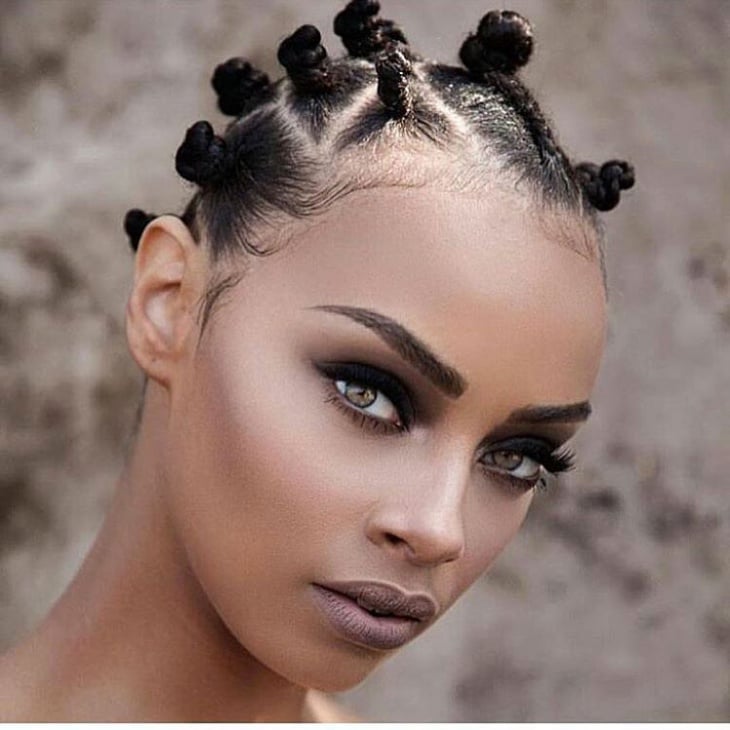
Neat bantu knots on straightened black hair sit on the polished end of the spectrum, compared to the more textured, coily version that lets each knot stand alone. A middle part and sleek finish make this one better suited for a day at the office or a dinner where you want the style to look put together. Ask your stylist for: neat bantu knots on dark hair, middle part. A finishing serum adds a subtle sheen and keeps flyaways from stealing the clean lines.
Meticulous Bantu Knots Top View
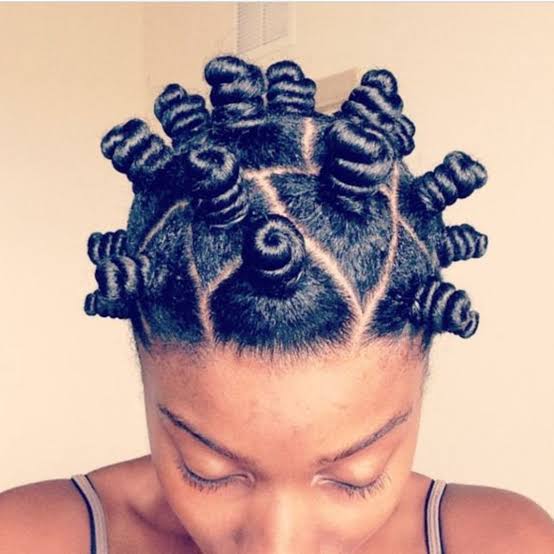
The precision here is not an accident. On shoulder-length, thick coily hair, the sharp geometric parting lines are the foundation, and every knot is twisted tightly to the scalp so the pattern holds its shape for days. Ask your stylist for: meticulous bantu knots with sharp geometric parting. The upkeep is straightforward: sleep in a silk scarf to keep the knots from loosening, and expect to refresh the edges with a light gel around day three. The hold is solid, but the real work is in the initial setup, which takes a skilled hand and a good hour in the chair.
Bantu Knots Geometric Braided Pattern
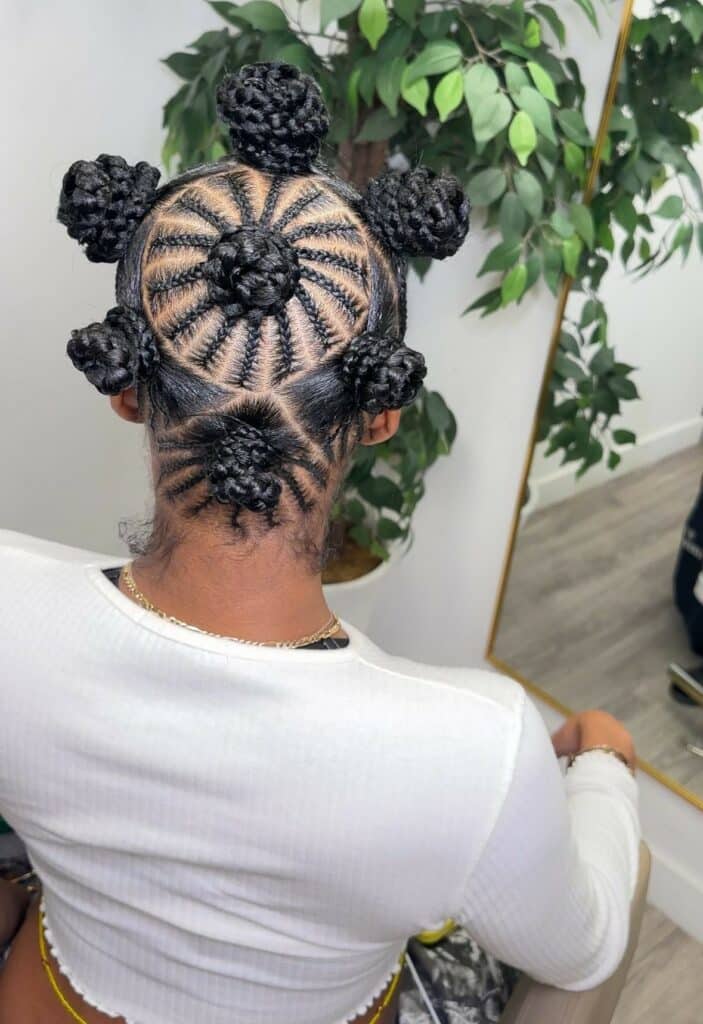
This is a two-part technique that starts with braids and ends with knots. On thick coily black hair, the stylist first maps out a geometric pattern on the scalp using flat braids, then winds the ends of each braid into a bantu knot. The braids do the structural work: they keep the sections defined and add a raised texture that the knots sit on top of. Ask your stylist for: bantu knots with geometric braided patterns.
From the back, the design forms a full composition. The braids need regular moisture to prevent dryness, so a lightweight leave-in conditioner applied to the braided sections every few days keeps the hair from feeling brittle. The knots themselves should be conditioned gently, focusing on the ends.
Uniform Bantu Knots Shoulder Length
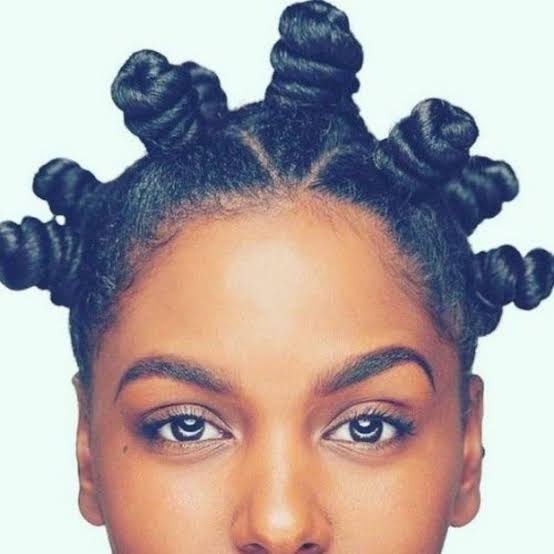
Uniform bantu knots on shoulder-length, thick coily hair work best when you want symmetry without fuss. The middle parting and evenly spaced knots create a balanced front view that suits a round or oval face shape by drawing the eye upward. Ask your stylist for: uniform bantu knots, shoulder length, middle part. The key is equal tension and knot size across the whole head, so no single section pulls or loosens faster than the others. This is a style that holds well for a week with minimal maintenance, provided you wrap it at night.
Geometric Parting Bantu Knots Back
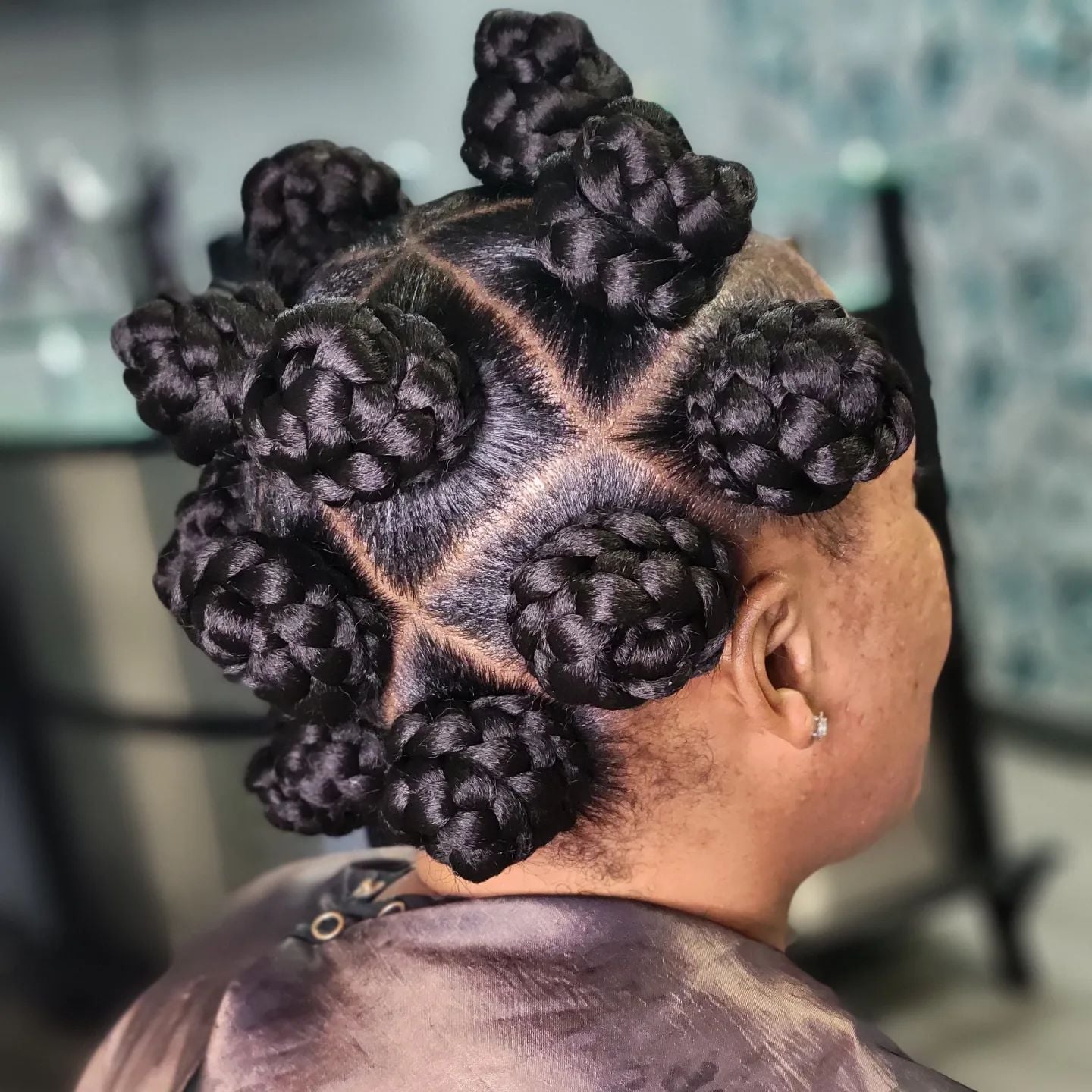
The back view reveals the real work: a grid of bantu knots mapped across the scalp with parting lines sharp enough to cut glass. This is not a style you knock out in twenty minutes before bed. Thick, coily hair at mid-back length gives the density needed for the sections to hold their shape without gaps. Ask your stylist for: bantu knots with geometric parting, back view. A salon chair is required for several hours while each square is sectioned, twisted and secured. The payoff is a pattern that stays readable for a week or more, as long as you sleep with a satin scarf.
Skip this if your hair is fine or shoulder-length. The geometry depends on enough bulk to make each knot sit plump, and short sections tend to unravel before the parting lines set. A stylist with a rattail comb is required here. This is not a DIY project for a Tuesday night.
Large Bantu Knots Curly Extensions
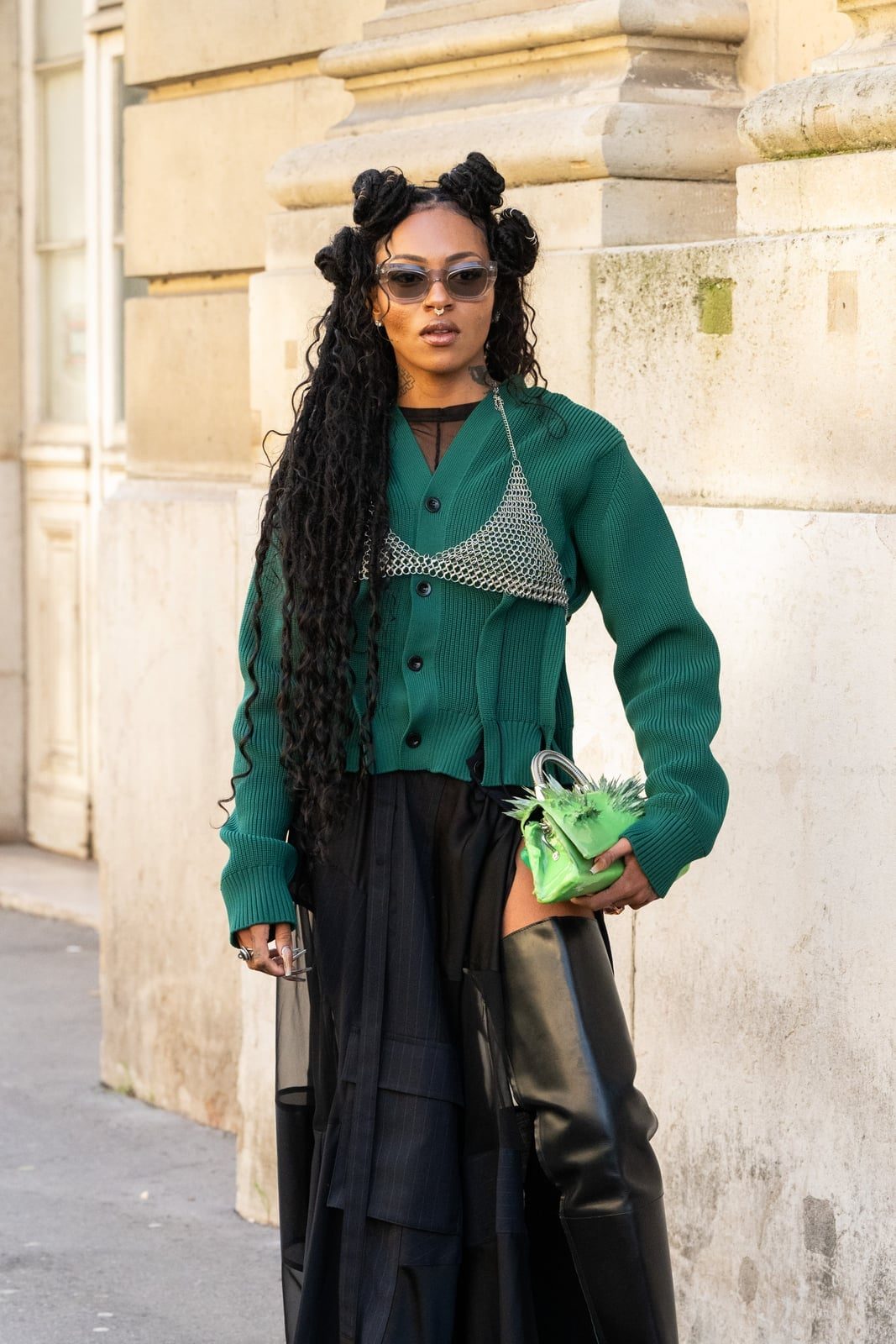
Large bantu knots sit on the crown while curly extensions drop past the shoulders, a combination that keeps the weight off the nape and adds visible length. The middle part splits the knots into two balanced halves, each twist wound thick enough to form a deliberate shape. Ask your stylist for: large bantu knots with long curly extensions, middle part. The extensions need to match the natural curl pattern closely, or the transition between knot and fall looks abrupt. The knots themselves are fewer and chunkier than a full-head set, which cuts installation time but still requires a salon visit for proper tension and secure attachment of the added hair.
Perfectly Formed Bantu Knots
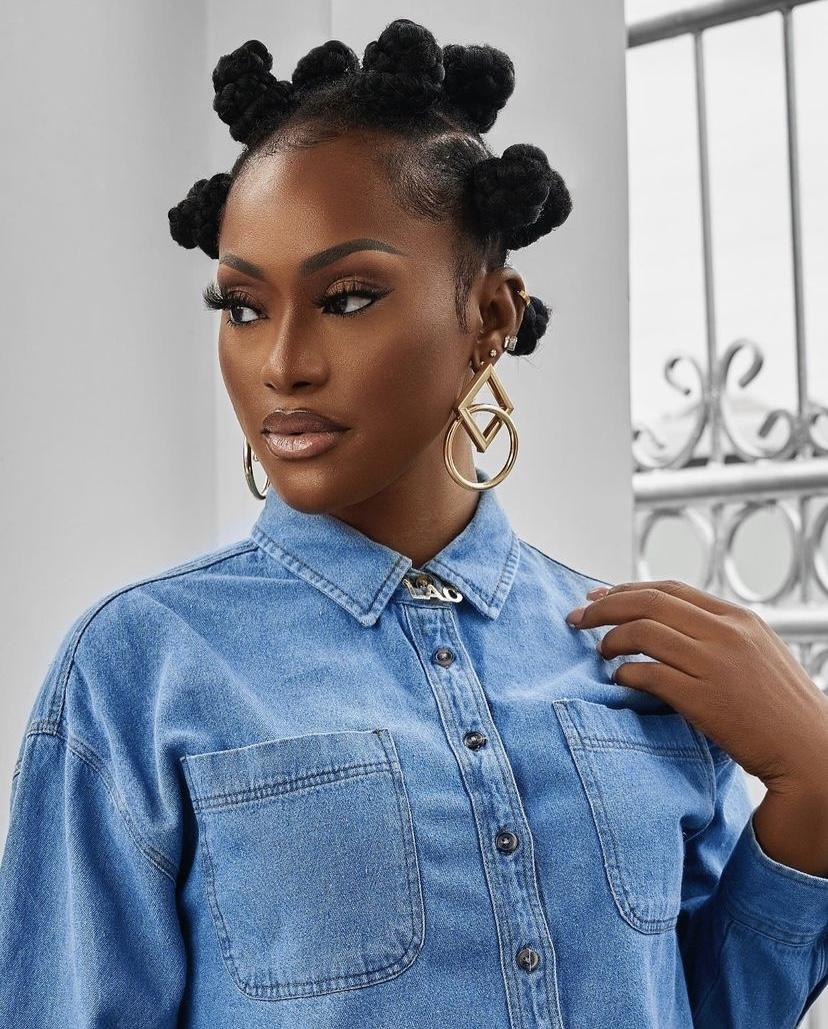
How do you get every knot to look identical? It starts with the sectioning. Ask your stylist for: perfectly formed uniform bantu knots, middle part. Each square of scalp must be the same size, and each twist must be wound with the same tension from root to tip. Black, coily, thick hair holds the shape best because the natural texture grips itself, no pins needed if the coil is tight enough. The middle part keeps the layout symmetrical, which matters more here than in a looser style. A consistent hand and a few hours in the chair are the only way to get this level of uniformity.
Intricate Bantu Knots Gold Accessories
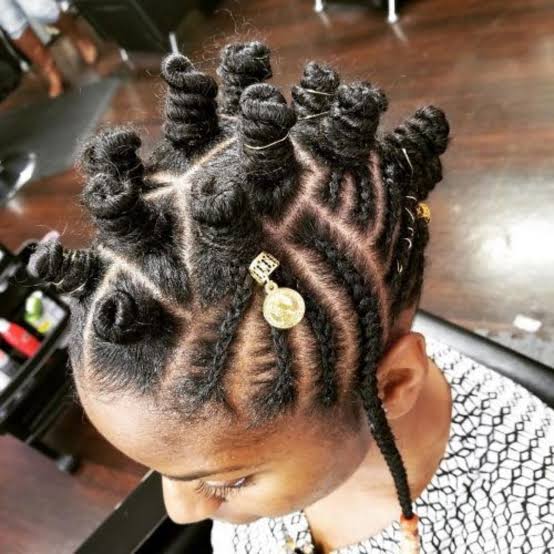
Compare this to a standard set of bantu knots and the difference is the detail: braided sections lead into each knot, and small gold rings sit on a few of the coils. The braiding adds grip, so the knots stay tighter longer, and the metal accents add shine without adding weight. Ask your stylist for: intricate bantu knots with gold accessories, geometric pattern. This is a style for an event where you want the back of your head to be as interesting as the front. The braided base means it holds for up to two weeks with careful maintenance. If you prefer a simpler, faster install, skip the braiding and the accessories, but you lose the texture contrast that makes this style stand out from a basic set of knots.
Small Bantu Knots Rounded Silhouette
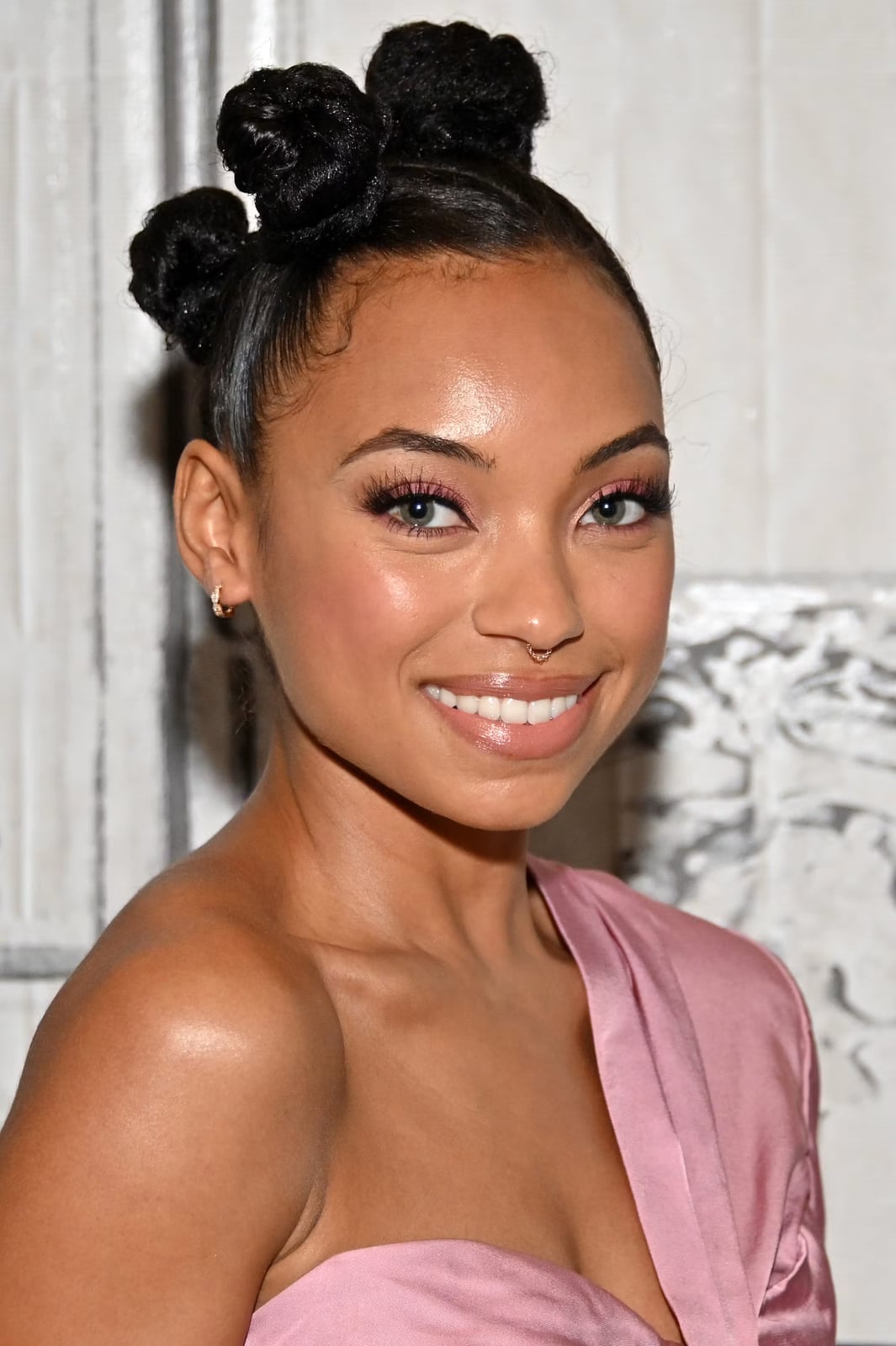
Small bantu knots work best when they create a shape, and here the shape is a clean dome from the hairline to the crown. The middle part keeps the front symmetrical while the knots stack upward into a rounded silhouette. Ask your stylist for: small bantu knots for a rounded silhouette, middle part. Thick, coily hair gives each knot enough volume to form a distinct unit instead of a flat twist. The hair pulled back tightly from the face means no loose pieces to tuck during the day. This is a straightforward salon style that holds for about a week with a satin scarf at night.
Defined Bantu Knots Coily Texture With Creating A Symmetrical Look
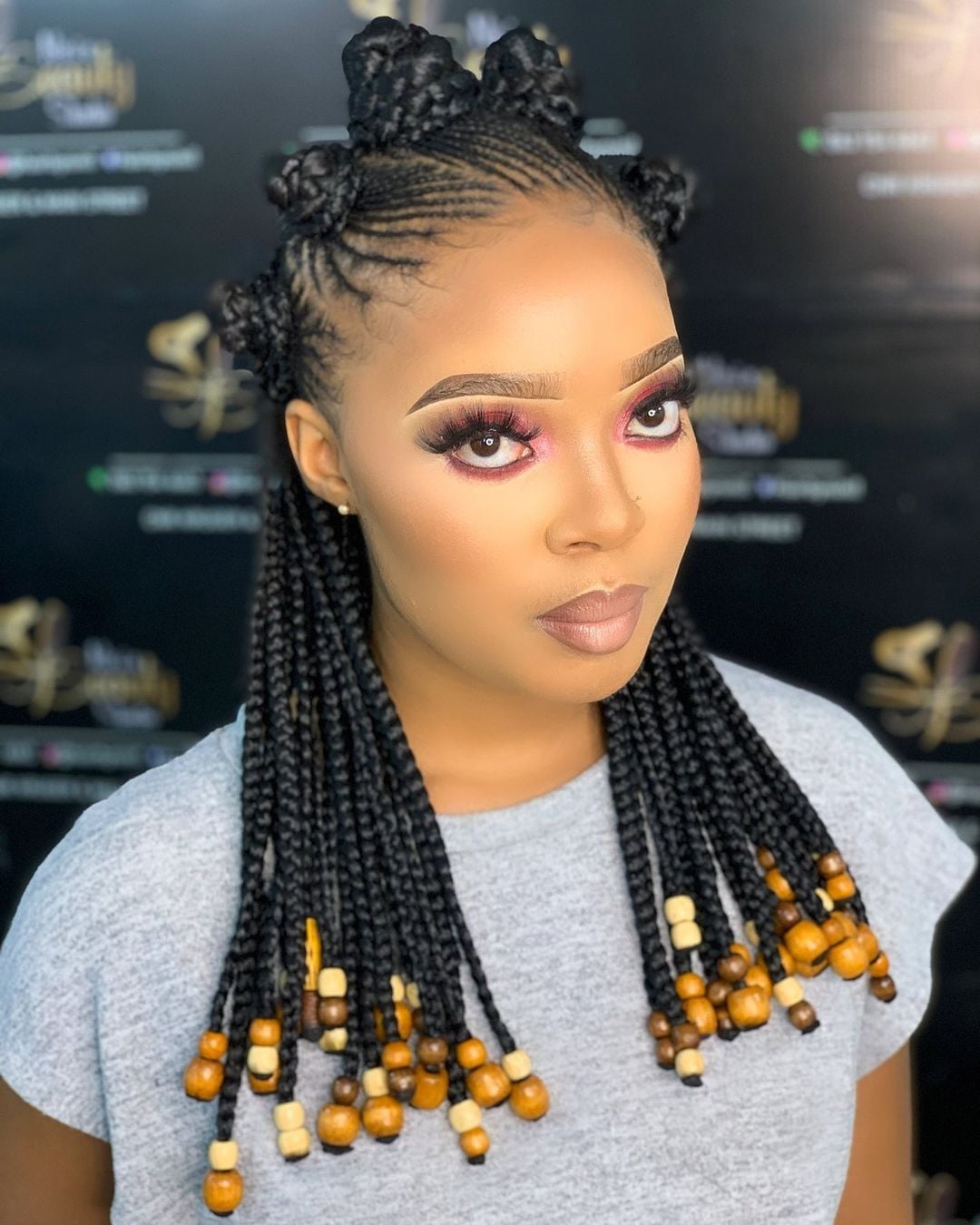
A central parting anchors this geometry, creating mirror-image bantu knots across the crown. Coily texture holds the twist without slipping, but uniformity demands patience. Ask your stylist for: defined uniform bantu knots on coily hair, central part. Apply a leave-in conditioner to enhance coily texture and knot definition. Each section must be parted cleanly and wound with even tension. The result holds well for several days, though a few stray coils near the hairline may need a quick re-twist by day three.
Bantu Knots Butterfly Clips Back
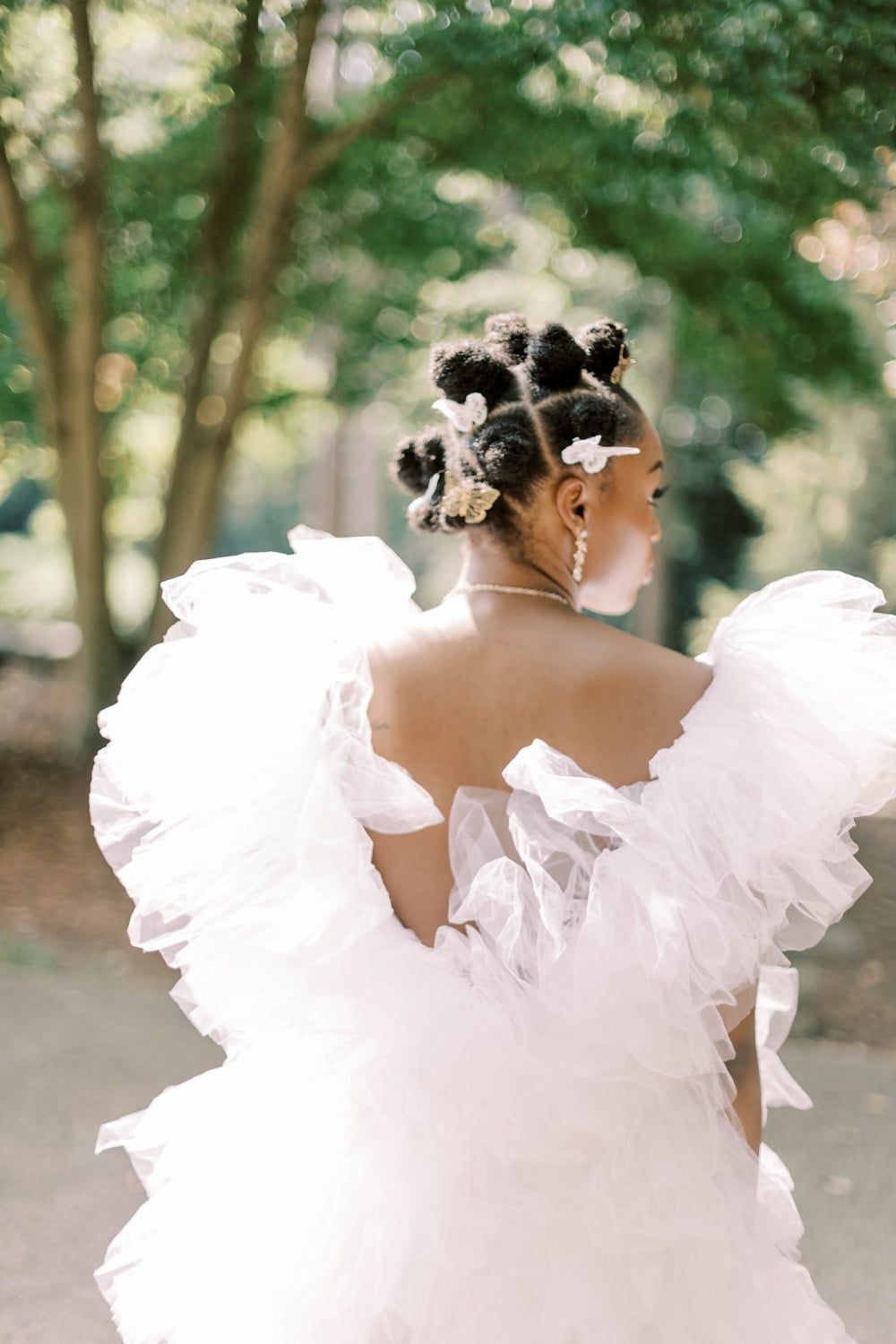
Butterfly clips add sparkle to the back of a symmetrical bantu knot arrangement, turning a protective style into a decorative one. The clips sit within the knots themselves, not on the scalp, so the pattern stays visible. Ask your stylist for: bantu knots with butterfly clips, symmetrical pattern. Secure clips firmly into the knots; avoid pulling or snagging when removing. Thick, coily texture is ideal here, as the knots have enough bulk to anchor the clip without slipping. Anyone with fine or thin hair should skip the hardware and rely on knot definition alone.
Bantu Knots Precise Grid Pattern
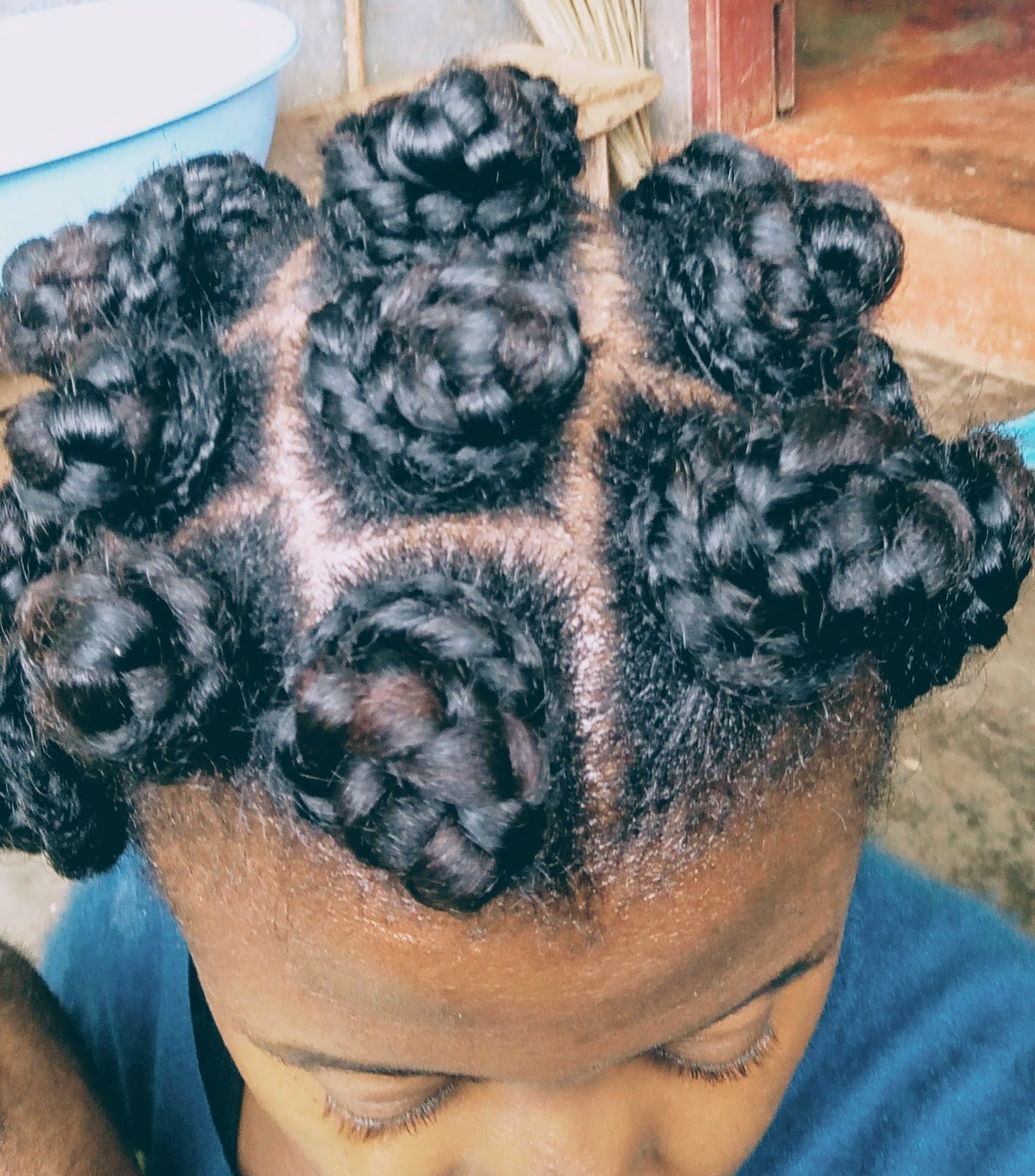
The straight lines between each knot come from a precise comb and a steady hand. A top view reveals the grid: each knot sits in its own square with sharp partings. Ask your stylist for: bantu knots in a precise grid pattern. Use a precise comb for sharp parting lines to create a clean, structured grid effect. Thick, coily hair is the best candidate here, as dense texture masks any unevenness in knot size. The upfront sectioning takes time, but the geometric payoff makes it worth the extra minute per square.
Final Thoughts
For maximum definition and longevity, ensure each knot is twisted tightly and secured firmly at the base. For added flair, incorporate beads or metallic accessories into the final twist.
- Retighten knots every 2-3 days to maintain shape and hold.
- Apply a light oil or serum to the scalp and knots daily to prevent dryness.
- Wrap hair in a silk or satin scarf at night to preserve the style.
- Gently unravel knots after 1-2 weeks, conditioning thoroughly before restyling.
Master the art of bantu knots for enduring elegance.