
The polished finish is back, and it is wearing a softer face than it used to. Curtain bangs and lived-in color are nudging out the poker-straight, heavy-fringe era, which means a classic cut can still look current without a flat iron in sight.
This collection of 28 Classy New Hairstyles runs from blunt bobs to braided updos, with styling times that range from ten minutes to a full salon afternoon. It is for fine hair that needs a sharper line, thick hair that needs structure, and anyone staring down a grow-out that refuses to behave. You will know exactly what to ask for and how to keep it looking intentional.
Collarbone Length Angled Bob With Side Swept Bangs
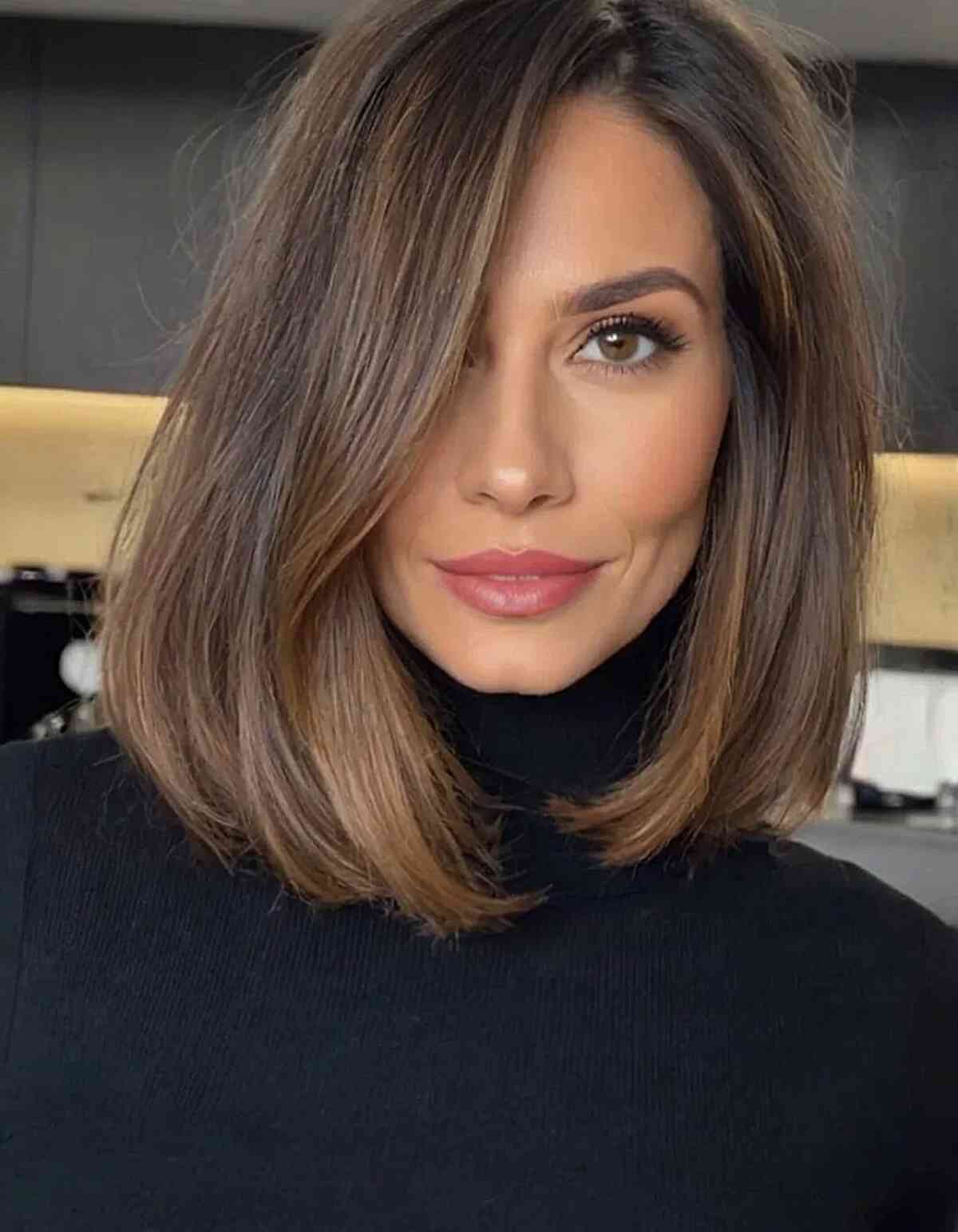
An angled bob relies on geometry: the front is longer than the back, which gives the nape a cleaner line and the face more framing. The collarbone length keeps it from reading as severe, and the side-swept bang softens the transition from hairline to brow. Thick, straight hair holds the angle best, and the shape does a decent job of making a square jaw or a round cheekbone look a little less emphatic. Ask your stylist for a collarbone angled bob with side-swept bangs and subtle balayage. A round brush during the blowout builds volume at the crown. Plan a trim every six to eight weeks, or the angle loses its nerve and starts looking like a grown-out bob.
Chin Length Bob With Voluminous Waves
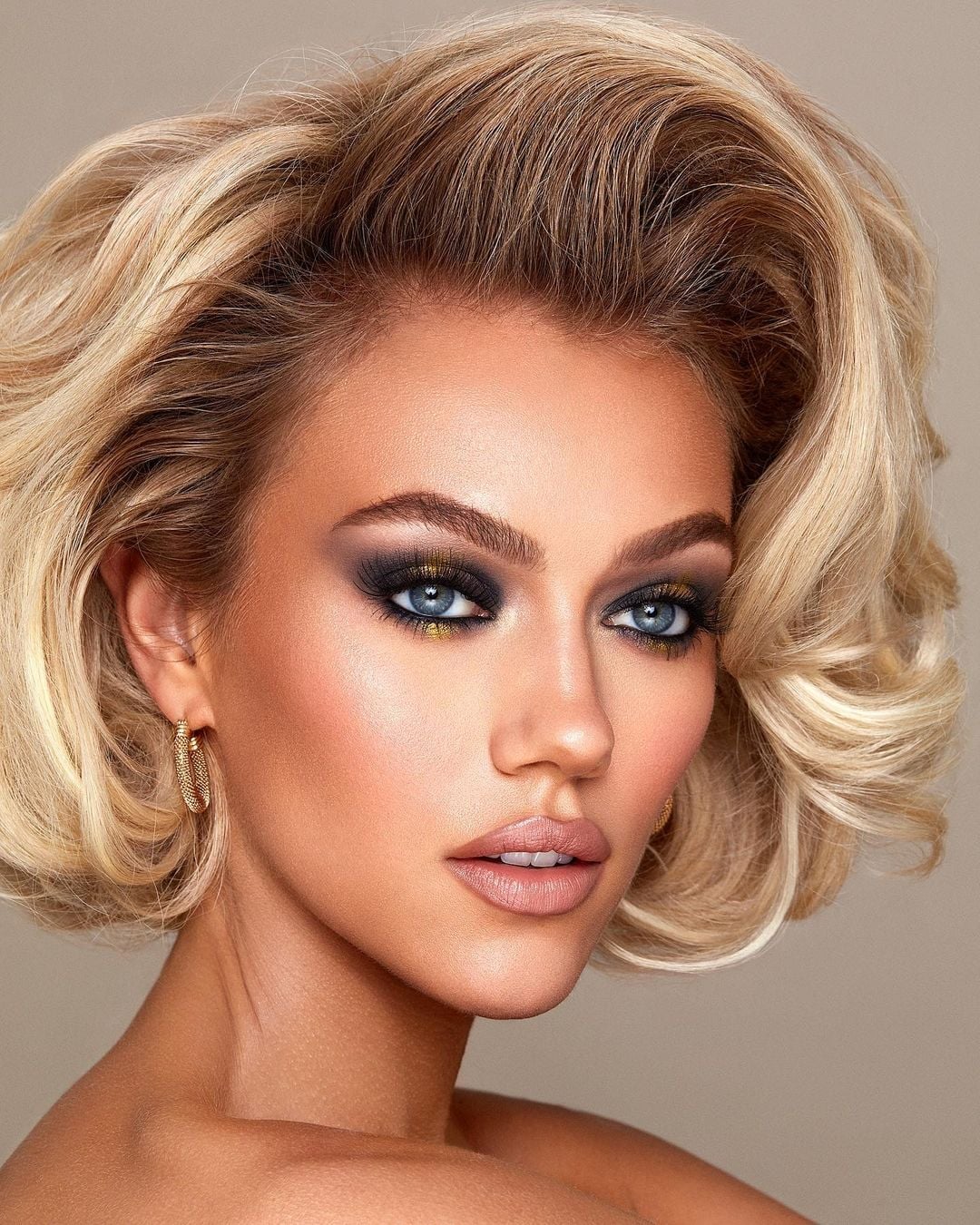
To make a chin length bob look full instead of flat, start waves at the root and ask for a cut that removes weight without removing density. The ash blonde base with lighter highlights adds the illusion of texture before you even pick up a tool. The curtain bangs keep the front from feeling heavy, and the middle part lets the eye travel down both sides evenly. Ask your stylist for: a chin length bob with voluminous waves and curtain bangs. On damp hair, use a texture spray and a diffuser. A trim every six weeks keeps the shape from turning into a grown out wedge.
Collarbone Layers With Soft Waves
A collarbone cut with face-framing layers is the haircut equivalent of a well-tailored blazer: it does not shout, but it changes the proportions. The layers are cut so the shortest piece lands around the cheekbone and the longest hits the collarbone, which draws the eye vertically. The soft waves are a styling choice, not a permanent wave, so you can switch between blowout-smooth and wavy depending on the day. The ash blonde base with subtle highlights keeps the dimension subtle.
Ask your stylist for collarbone length layers with soft waves and ash blonde highlights. A large-barrel curling iron creates the soft wave in about 15 minutes. The layers need trimming every eight to ten weeks, but the grow-out period is kind: it just looks like longer layers.
Collarbone Blunt Bob With Tucked Ends
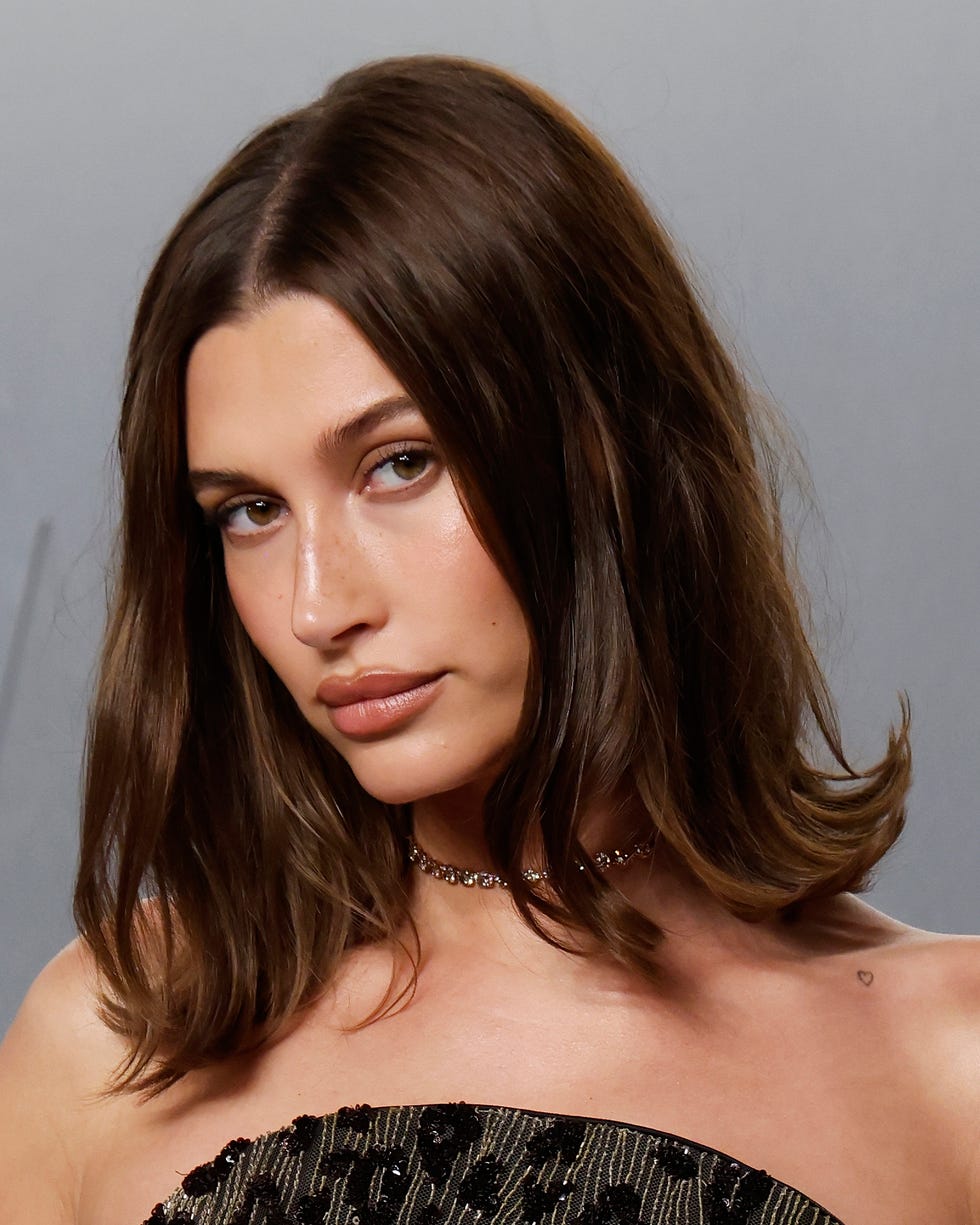
A blunt bob with tucked ends is not the same as a blunt bob with ends that flip out. The difference is in how the ends are trained to curve inward, which creates a smoother silhouette and a more deliberate line. The medium brown base with subtle highlights keeps the cut from looking flat, and the middle part is a neutral choice that works on most face shapes without calling attention to itself. Ask your stylist for a collarbone blunt bob with tucked ends in medium brown. A flat iron is the tool for keeping the inward curve consistent. The blunt edge shows every new millimeter of growth, so a trim every six to eight weeks is non-negotiable.
Shoulder Length Shag With Wispy Bangs
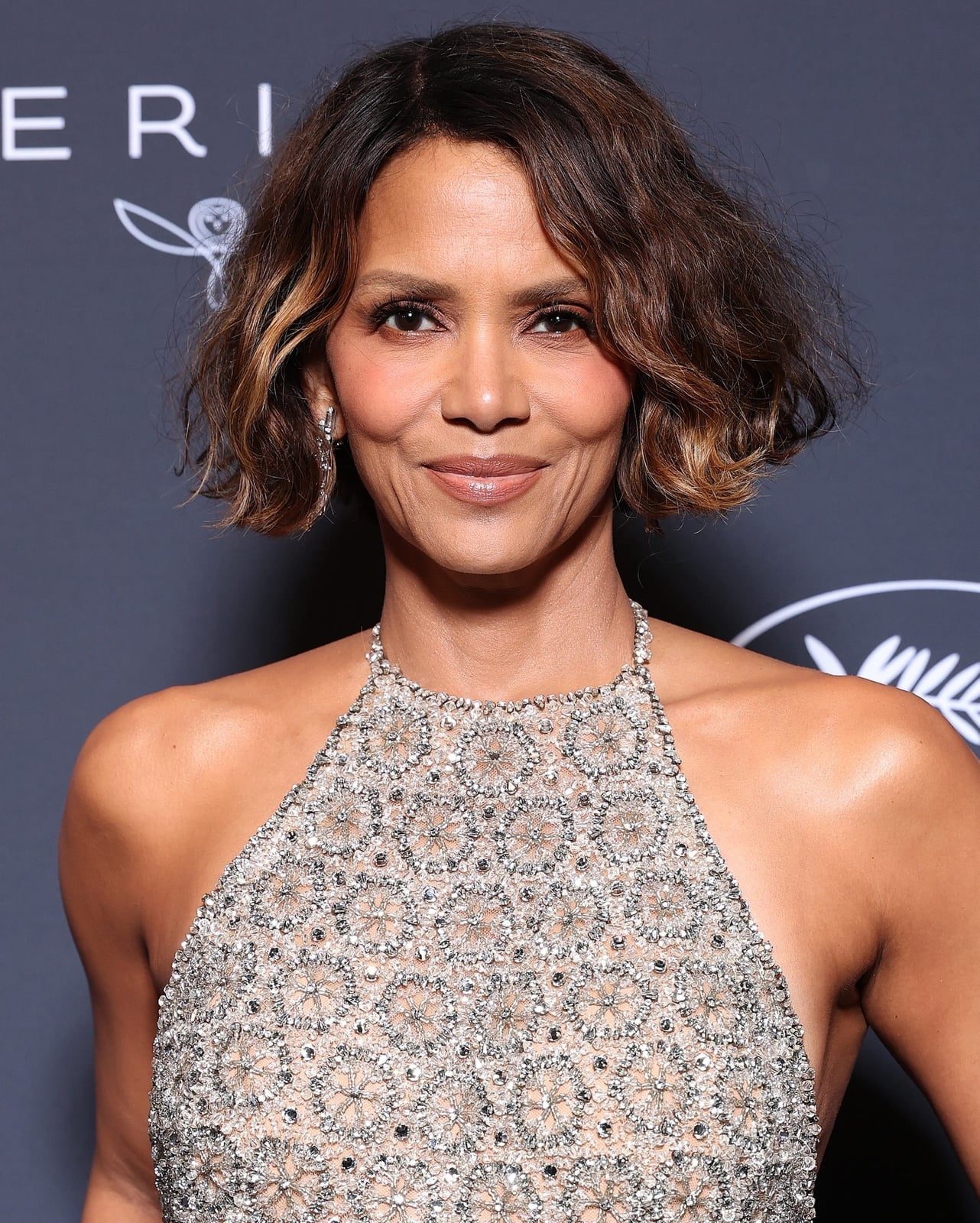
A shag at shoulder length is a cut that looks like it happened on accident but was actually drawn in three dimensions on a consultation form. The textured layers remove bulk from the interior while keeping the perimeter full, and the wispy bangs are cut light enough that they do not demand daily styling. The middle part works with the shag’s natural tendency to fall forward. The brown base with subtle highlights adds depth to the layers without creating visible banding.
This is a cut that lands well in spring and early fall, when the goal is less about polish and more about movement. Ask your stylist for a shoulder length shag with textured layers and wispy bangs. A pea-sized amount of texturizing paste worked through the ends is all the styling it needs. Trim the layers every eight to ten weeks, and the bangs every four to six.
Chin Length Copper Bob With Inward Ends
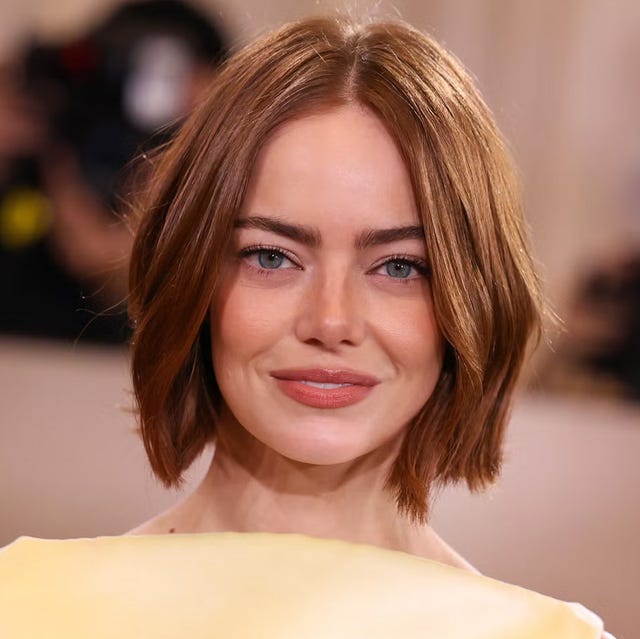
This chin-length bob keeps its shape through a precise cut and a blowout that turns the ends under. Fine, straight hair gets a density boost from the blunt perimeter, but the copper shade is the real argument for booking a salon appointment. Ask your colorist for: chin length bob, inward curved ends, copper color. The color will fade faster on fine strands, so a toning gloss every four weeks keeps it from turning brassy. A round brush and a medium heat setting are all you need at home to maintain the curved finish.
Collarbone Blunt Cut With Blunt Bangs
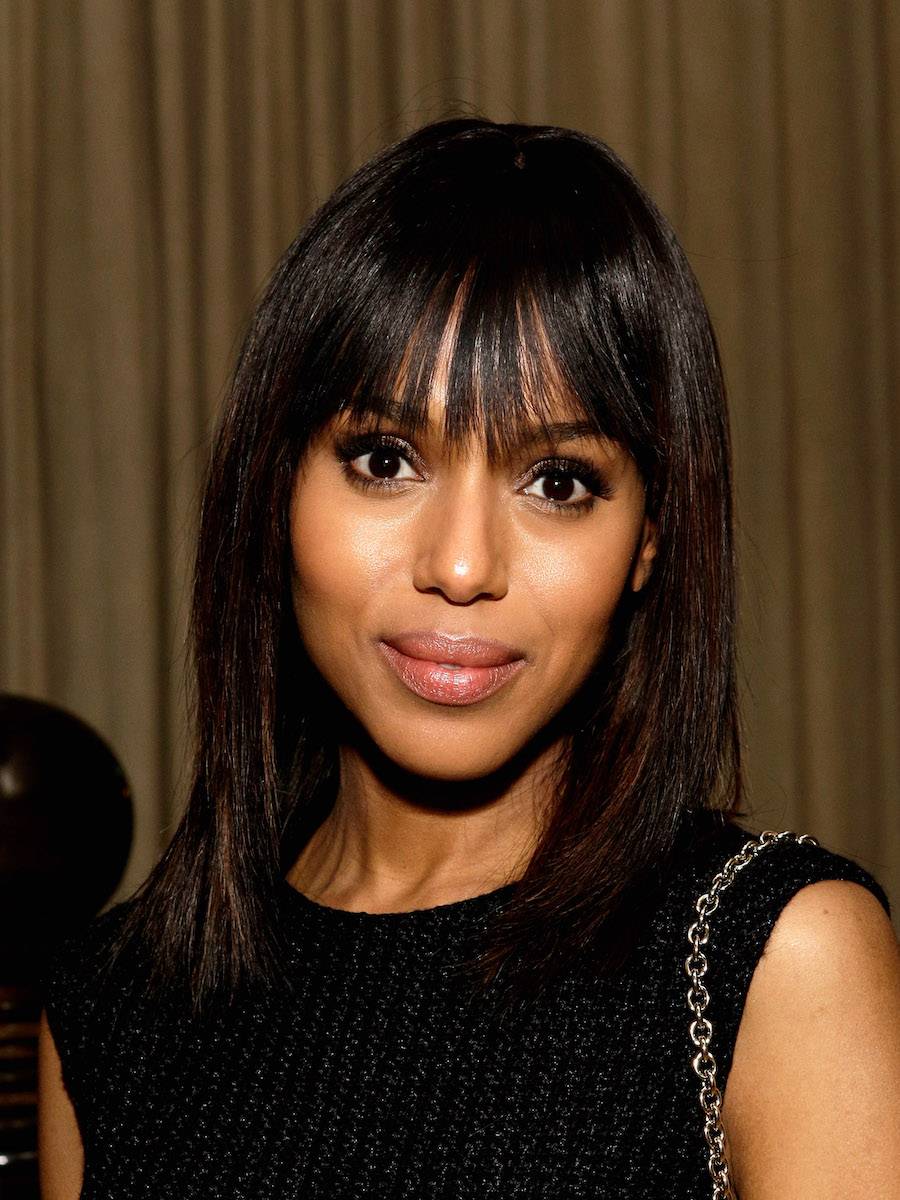
A blunt bob that grazes the collarbone gives you a clean, heavy line, but add blunt bangs and the commitment shifts. Unlike wispy fringe that grows out gracefully, a blunt bang demands a trim every two to three weeks to stay out of your eyes. Thick, straight hair handles the density best; fine hair can look overwhelmed. Ask your stylist for: collarbone blunt cut, blunt bangs, dark brown. The trade-off is a sharp, graphic silhouette that works best on oval and long face shapes and requires a flat iron to keep edges crisp.
Chin Length Platinum Blonde Bob
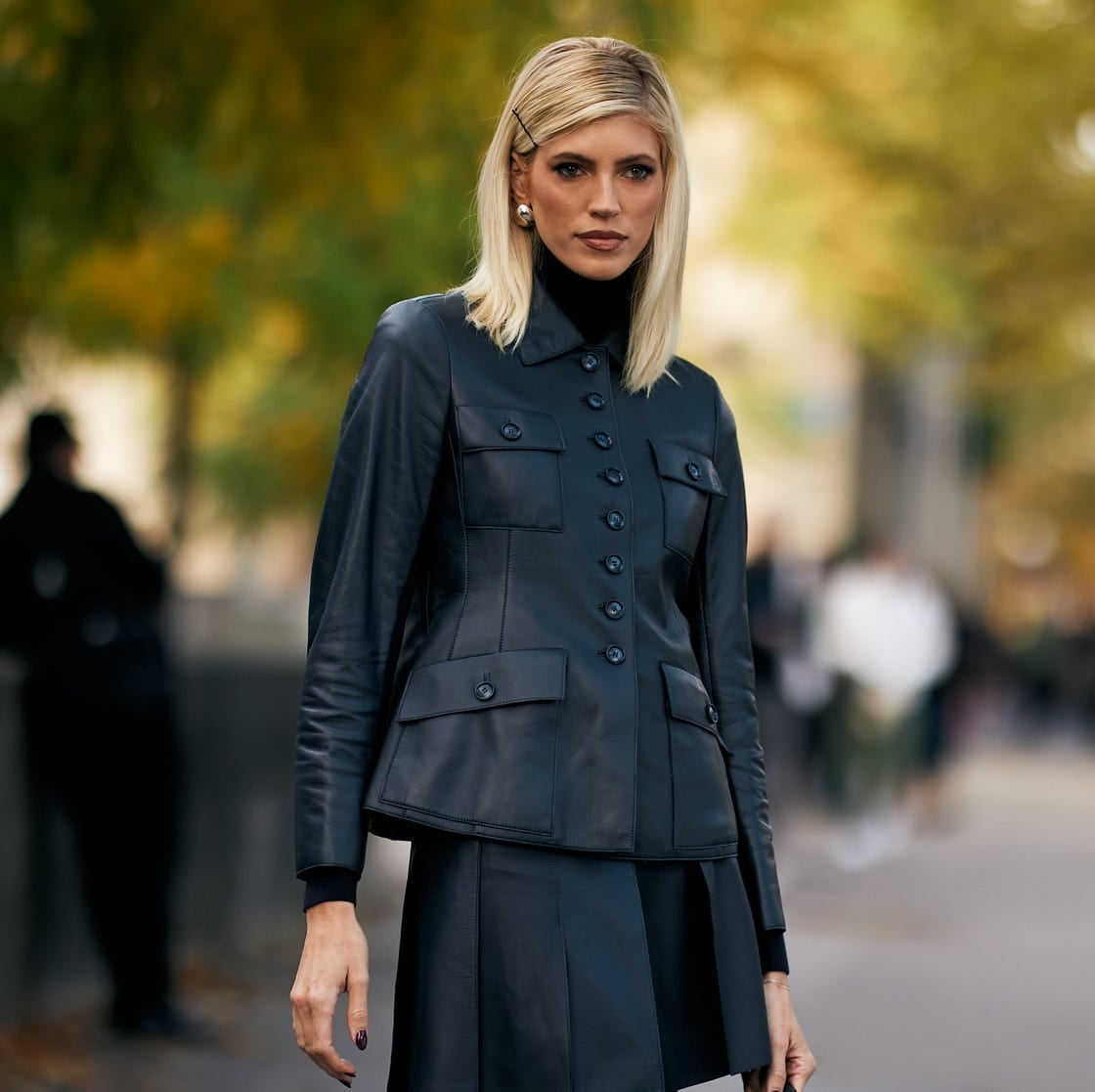
A chin-length blunt bob in platinum blonde works because the heavy cut creates the illusion of density on fine, straight hair. The middle part and crown volume add lift without layers, so the shape stays geometric. Ask your colorist for: chin length blunt bob, platinum blonde, crown volume. This is a high-maintenance color: platinum needs a purple shampoo in rotation and a toner appointment every four weeks to avoid a yellow cast. Skip this one if you want to stretch salon visits past six weeks.
Sharp Chin Length Platinum Bob, Straight
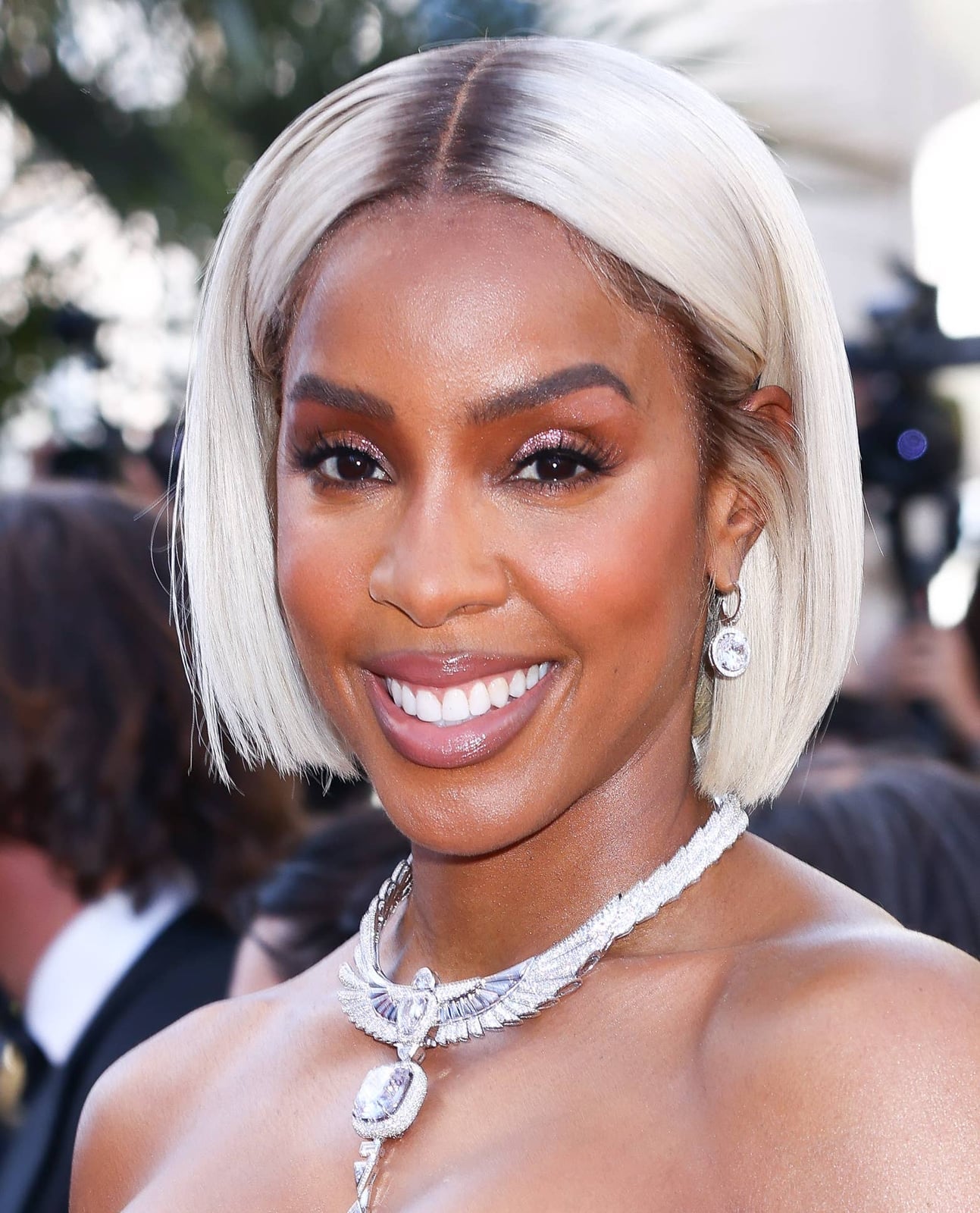
A bob line this sharp depends on a blowout that seals the cuticle flat. Fine, straight hair in a platinum shade reflects every angle, so any bend or flyaway reads as a mistake. Ask your colorist for: sharp chin length bob, platinum blonde, sleek straight. A flat iron on low heat and a boar bristle brush maintain the polished surface. Expect a trim every four weeks to keep the line from softening at the ends.
Collarbone Wavy Blonde Balayage
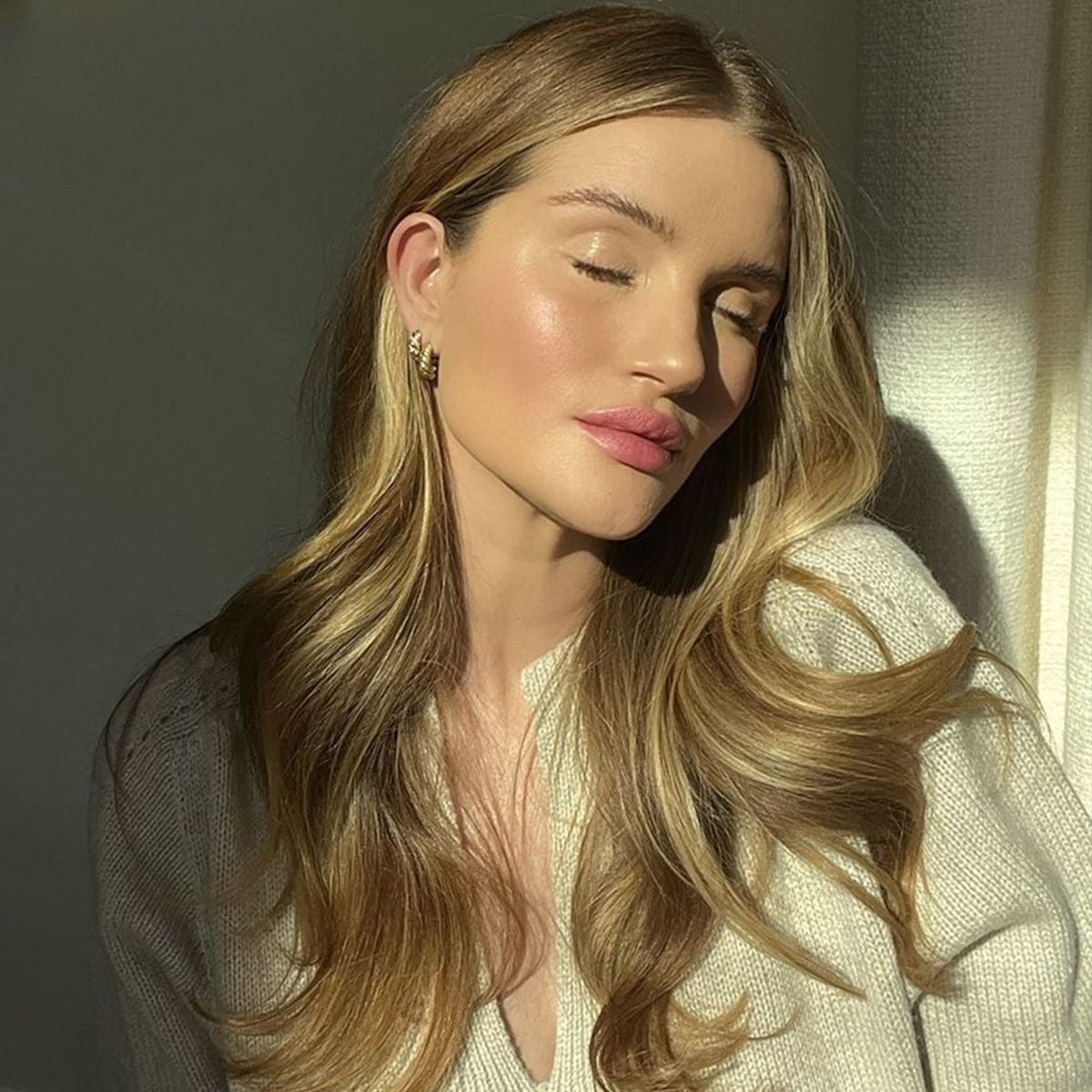
- Apply a sea salt spray to damp hair and scrunch upward.
- Twist sections loosely and let them air dry or use a diffuser on low speed.
- Break the cast with fingers, not a brush, to keep the wave soft.
The result is a low-effort wave that works on fine hair without heat damage.
Chin Length Dark Brown Bob With Vintage Waves
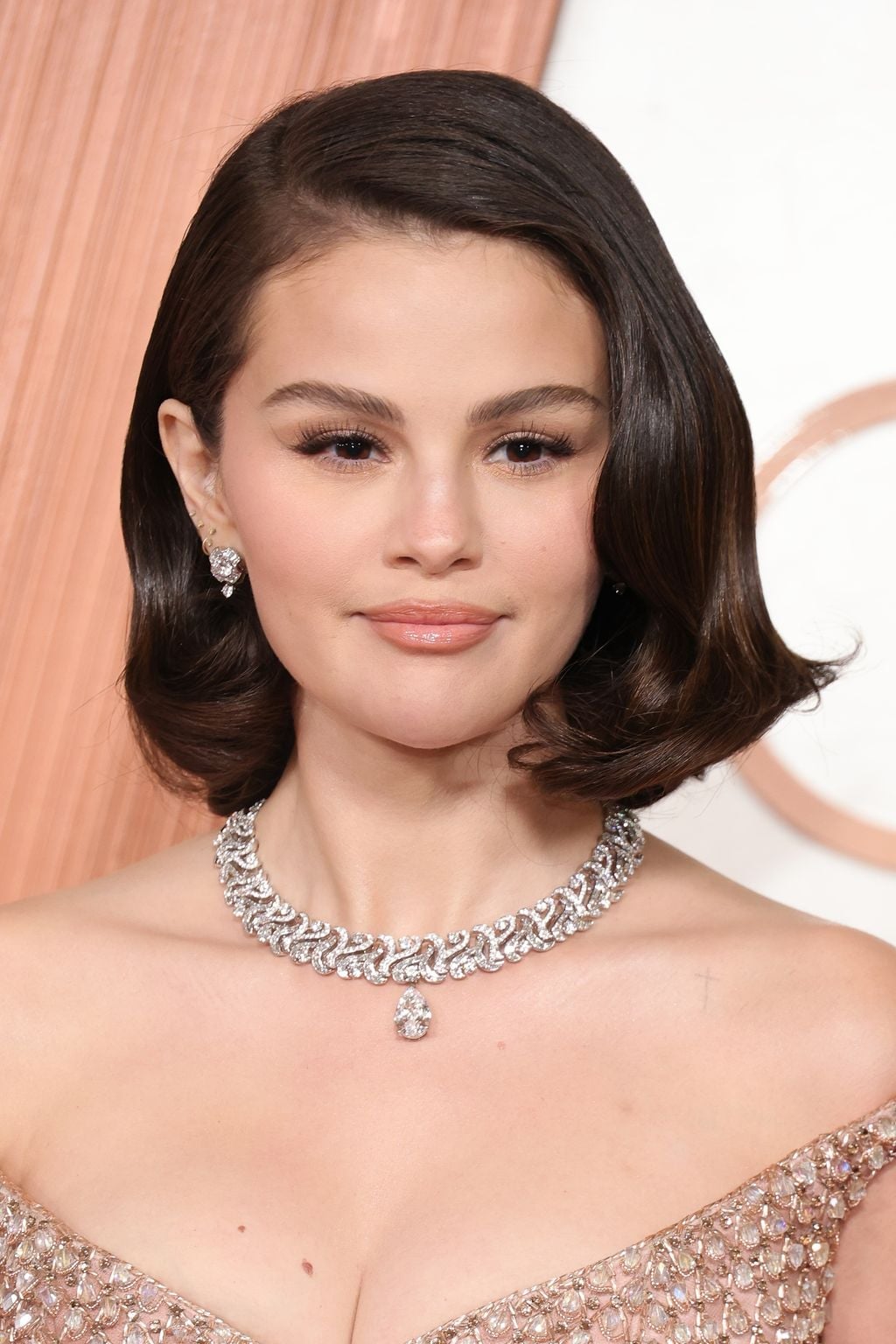
The deep side part and sculpted waves turn a chin-length bob into something that looks like it came with its own soundtrack. Fine hair actually holds these waves better than thick hair, because the shape stays crisp rather than flopping. Ask your stylist for: chin length bob, vintage waves, dark brown. You will need a strong-hold hairspray and a fine-tooth comb to set each wave, and a trim every six weeks to keep the line sharp.
Collarbone Lob With Blonde Balayage, Side
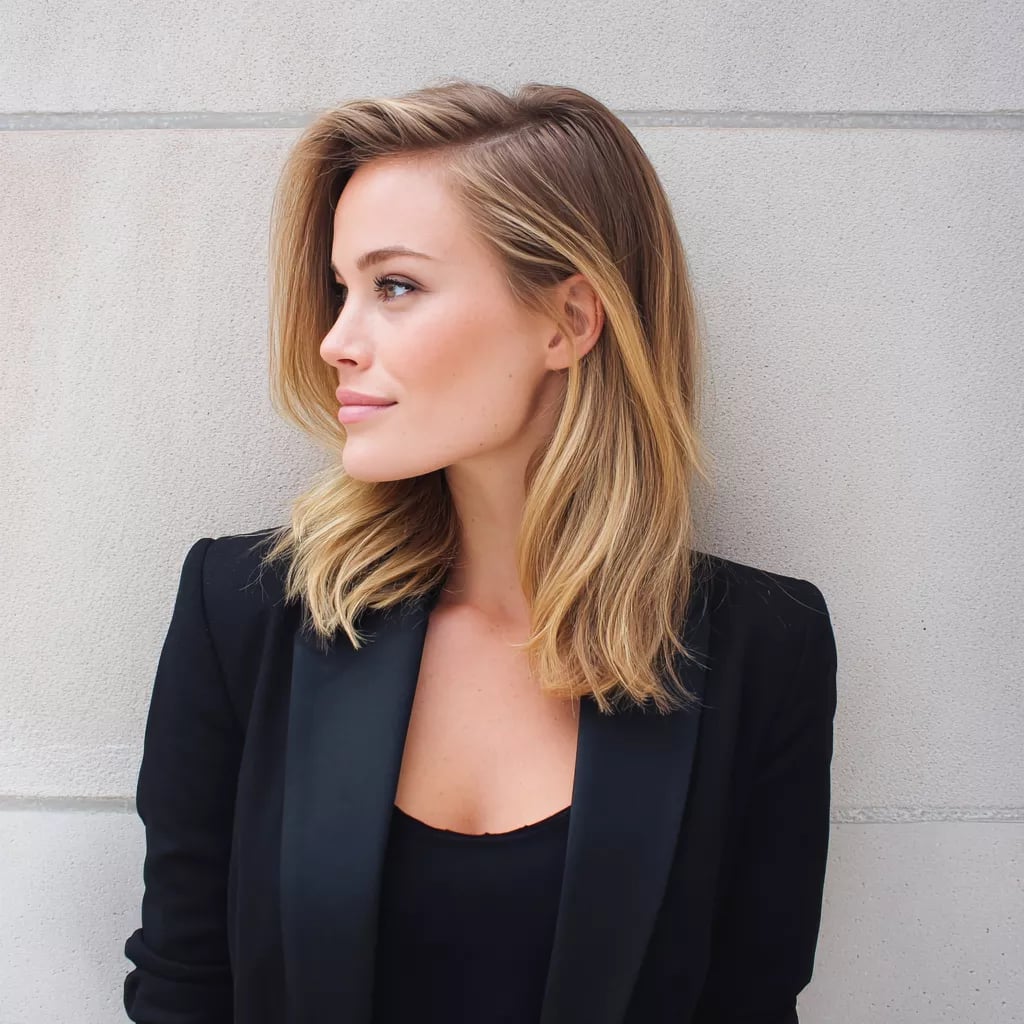
What does a lob need to feel less everyday and more vacation-ready? Blonde balayage that starts a few inches from the root, so the grow-out is gentle and the color looks sun-kissed rather than salon-born. Ask your colorist for: collarbone lob, layers, blonde balayage. The side part and blowout give it a polished finish that works for the office and then goes straight to dinner. Medium-density wavy hair at collarbone length is the sweet spot: enough weight to keep the shape, enough movement to show the dimension.
Collarbone Honey Blonde With Soft Curls
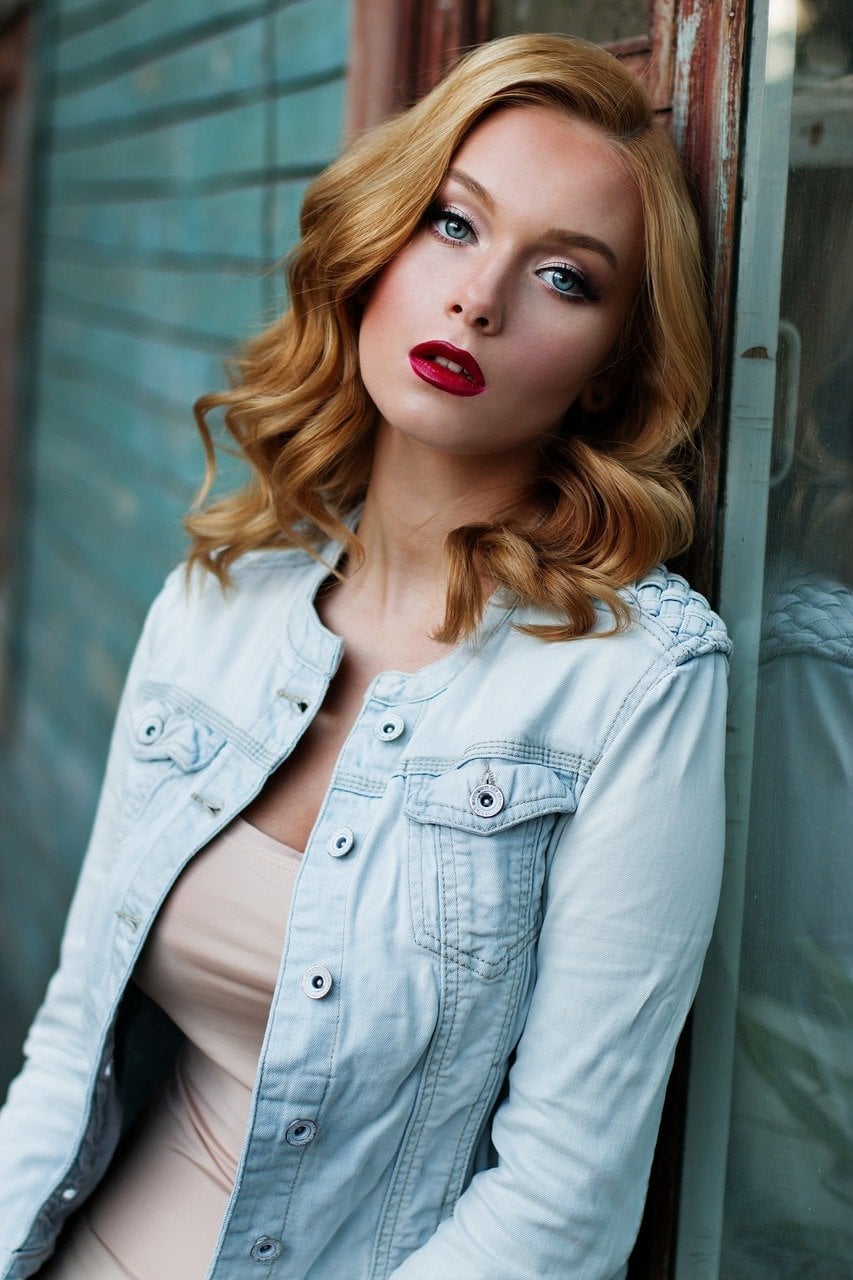
The soft curls here are not tight ringlets or loose beach waves, but something in between: a large-barrel curl that lands just below the collarbone and falls in a single direction. Ask your stylist for: collarbone length, soft curls, honey blonde. The side part keeps the volume on one side, and the honey tone adds warmth without going brassy. Medium-density wavy hair holds this shape best, because the wave pattern has enough texture to grip the curl without needing a full can of spray.
Collarbone Updo With Braids And Wispy Bangs
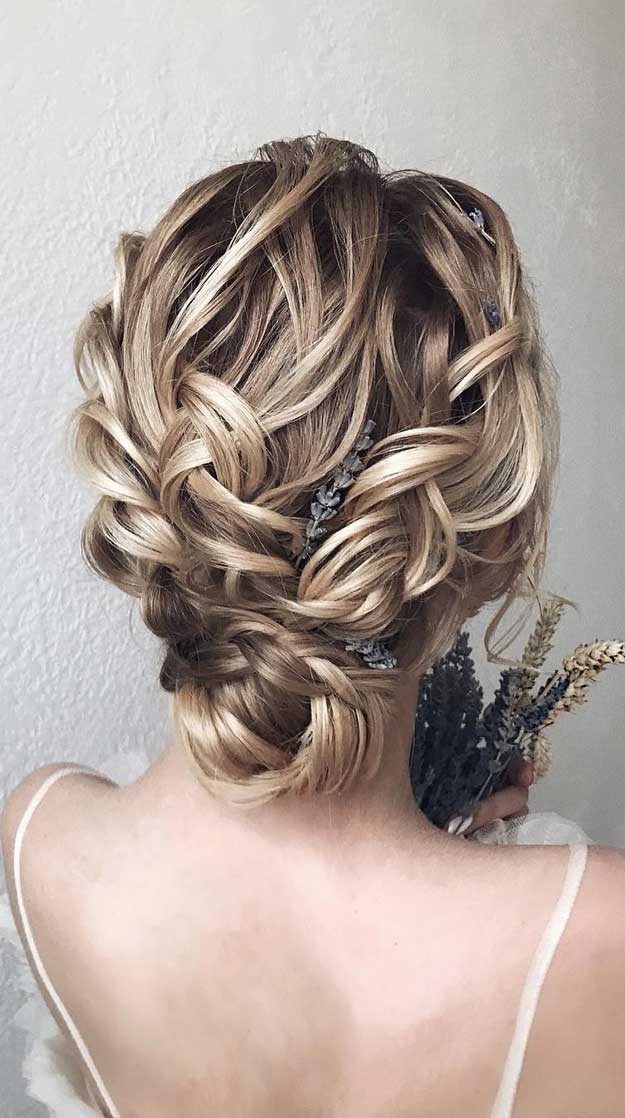
The real drawback is time. This is not a ten-minute pin-and-go situation. The braids need sectioning and pinning, and the loose waves require a curling iron before they are gathered. Medium-density wavy hair at collarbone length works because the braids have enough bulk to look substantial without being heavy.
Mid-Back Brown With Blonde Highlights Blowout
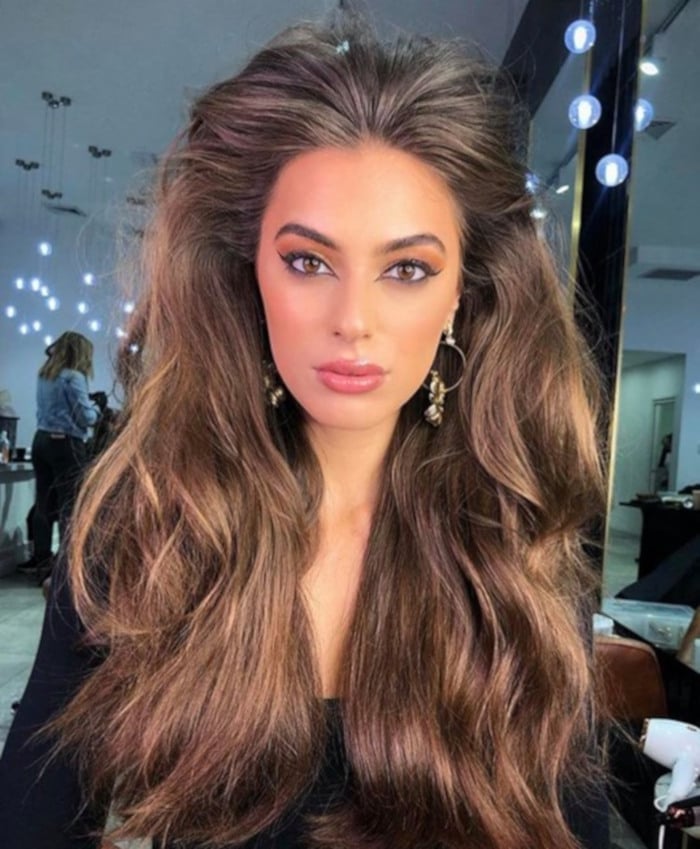
A voluminous blowout on thick, wavy hair that reaches mid-back length is a statement of intent: this hair has been worked with a round brush and a dryer, and it shows. Ask your stylist for: mid-back blowout, curtain bangs, brown with blonde highlights. The curtain bangs frame the face without committing to a full fringe, and the blonde highlights add dimension to the brown base.
This genuinely flatters thick, wavy hair because the volume is already there; the blowout just directs it. Fine or thin hair would struggle to hold the shape past lunch. The middle part and long layers keep the weight distributed, so the ends do not go flat. A trim every ten to twelve weeks maintains the shape without losing length.
Mid-Back Dark Brown Layers With Curtain Bangs
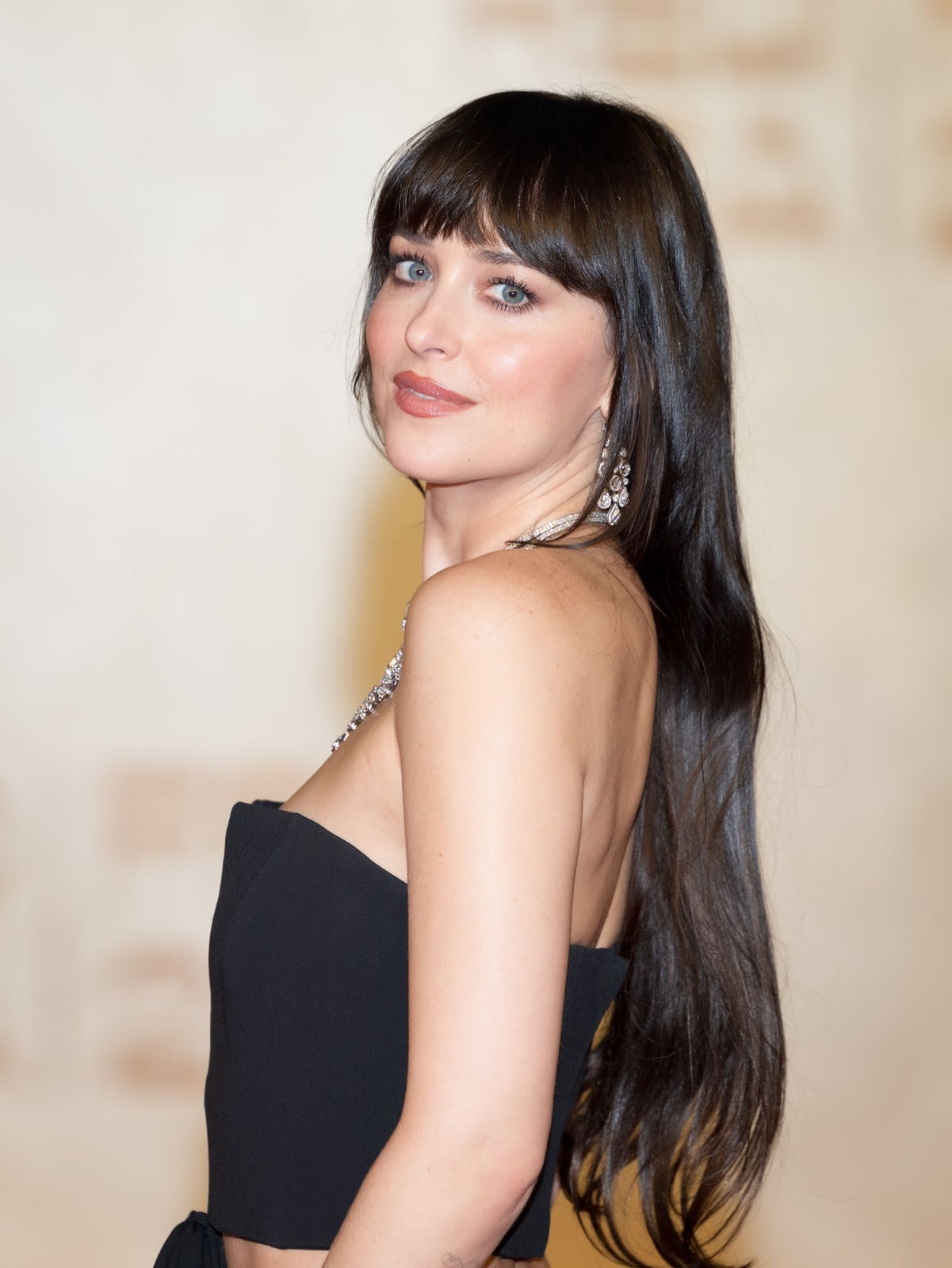
To make long, thick hair swing instead of sitting flat, start the blowout at the roots. On dark brown layers with subtle highlights, a round brush pulls the curtain bangs forward while the mid-back length gets tension and a cool shot of air. The middle parting keeps the weight balanced, and a smoothing serum seals the cuticle before you pick up the dryer. Ask your stylist for: mid-back long layers, curtain bangs, dark brown. A trim every ten to twelve weeks keeps the ends from dragging the shape down.
Mid-Back Ponytail With Highlights
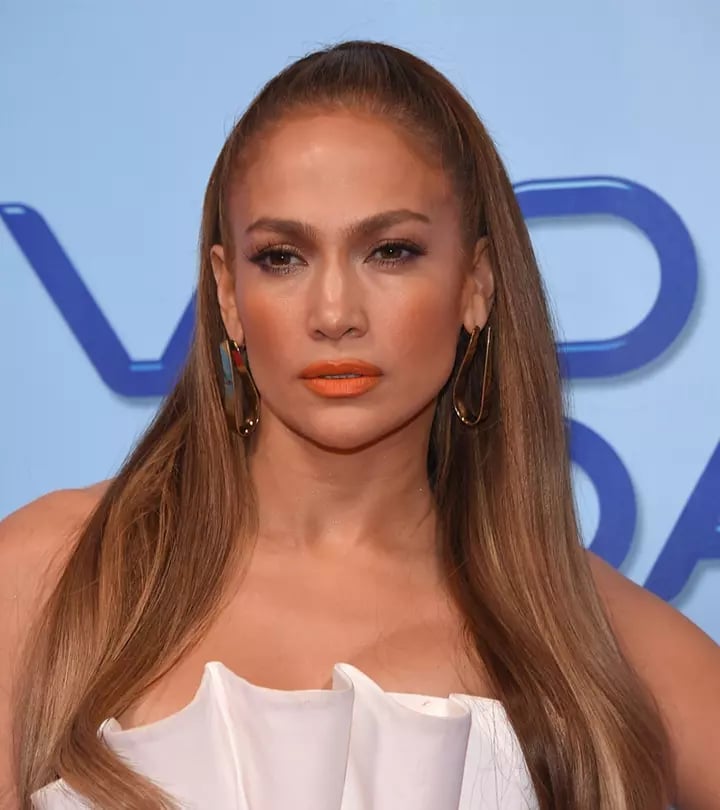
Because the ponytail puts tension on the same spot every time, alternate between high and low placements to reduce breakage. A boar bristle brush gives the surface a polished finish, and a light texturizing spray adds grip without stiffness. A toning shampoo every four to six weeks keeps the blonde from warming up.
Mid-Back Updo With Loose Curls
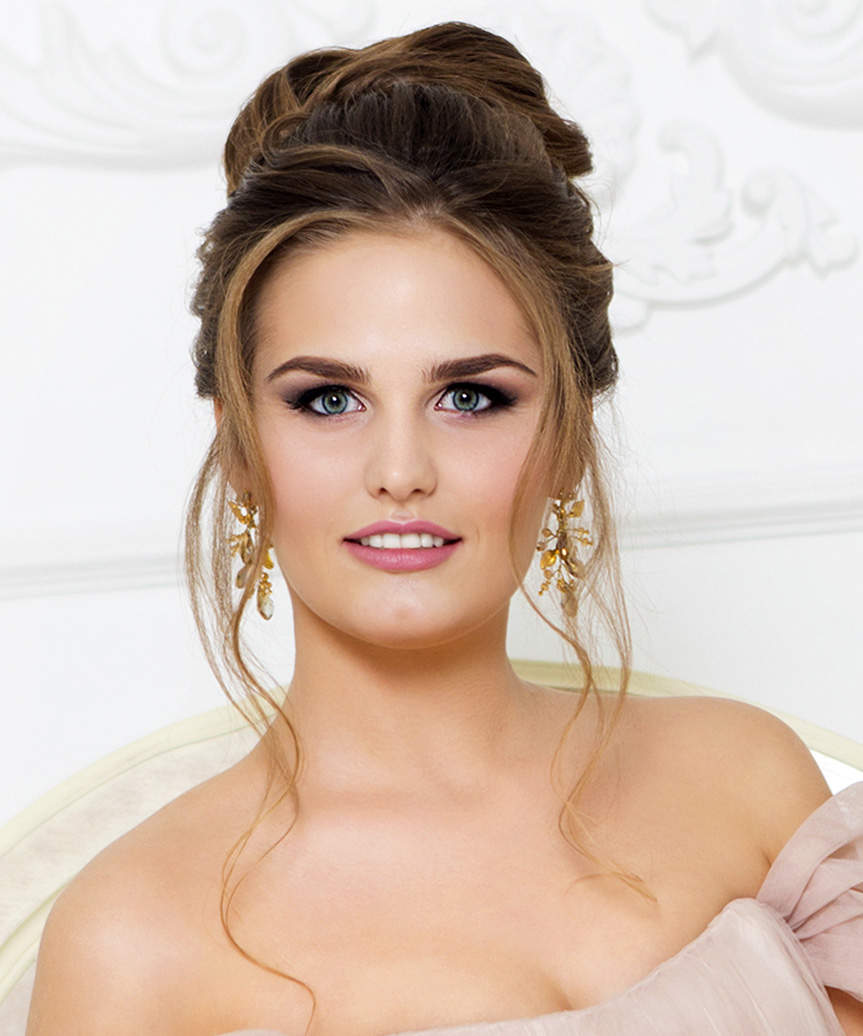
A brown base with blonde highlights does its best work when you can see both tones moving through the same shape. This mid-back updo with loose curls and face-framing pieces delivers that contrast without looking overworked. The wavy texture gives the style natural volume, so you do not need much backcombing to make it read as full.
An evening event or a formal gathering is the natural setting for this kind of soft updo. The loose curls are pinned individually rather than twisted into one tight knot, which means the blonde highlights catch light from different angles. Ask your colorist for: mid-back updo, loose curls, face-framing pieces. A flexible hold hairspray keeps the pins in place without freezing the movement.
Long Updo With Braids And Curtain Bangs
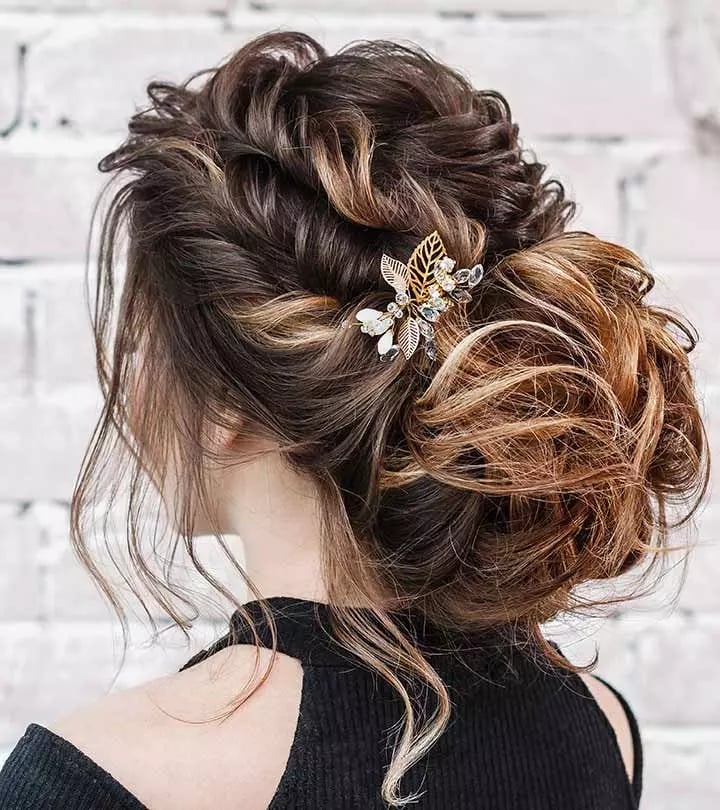
How do you ask for a braided updo that does not look like a costume? Start with the curtain bangs. On long, dark brown hair with caramel highlights, the bangs stay soft and unbraided while the length is woven into sections at the back. The ornate hair accessory is the finishing detail, but the stylist needs to know about it before they start pinning so the placement feels planned from the beginning. Ask your stylist for: long updo, braided sections, curtain bangs, caramel highlights. Loose tendrils around the face keep the silhouette from looking too structured.
Long Dark Brown Updo With Voluminous Bun
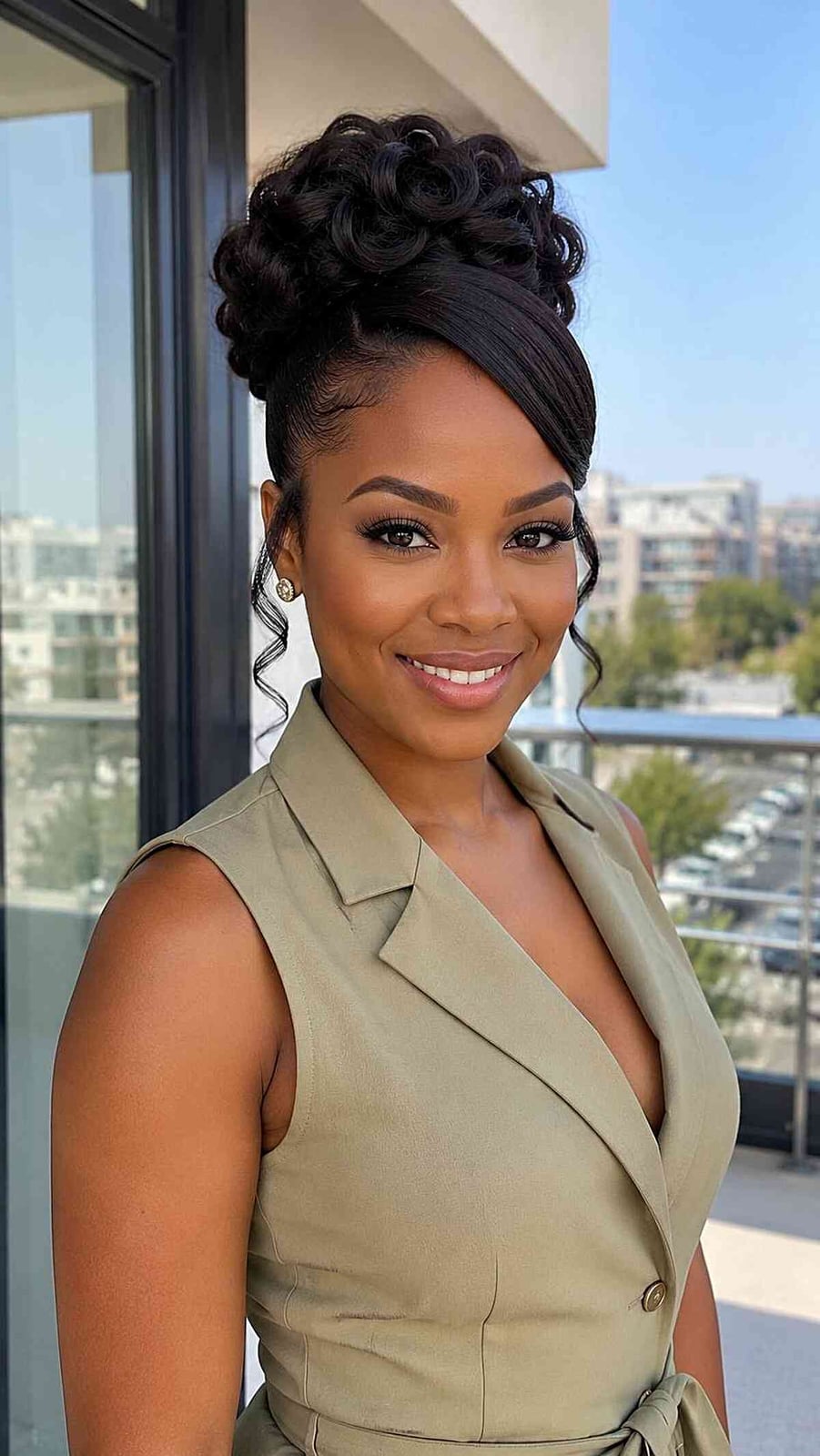
A voluminous bun at the crown is a statement of intent. On thick, curly dark brown hair, the height comes from teasing the crown section before you wrap the bun, not from piling all the hair on top and hoping it stays. The side-swept bangs and loose, curly tendrils break up the mass so the shape does not look like a single solid mound.
This style requires daily heat styling. If your natural texture is curly, you will need to blow it smooth or at least stretch the curl before pinning, and that takes time. A strong hold hairspray is necessary for the bun to last through dinner. This is a salon-level style for a special occasion; a DIY attempt usually ends in a lopsided pile and sore arms.
Long Dark Brown Elegant Updo
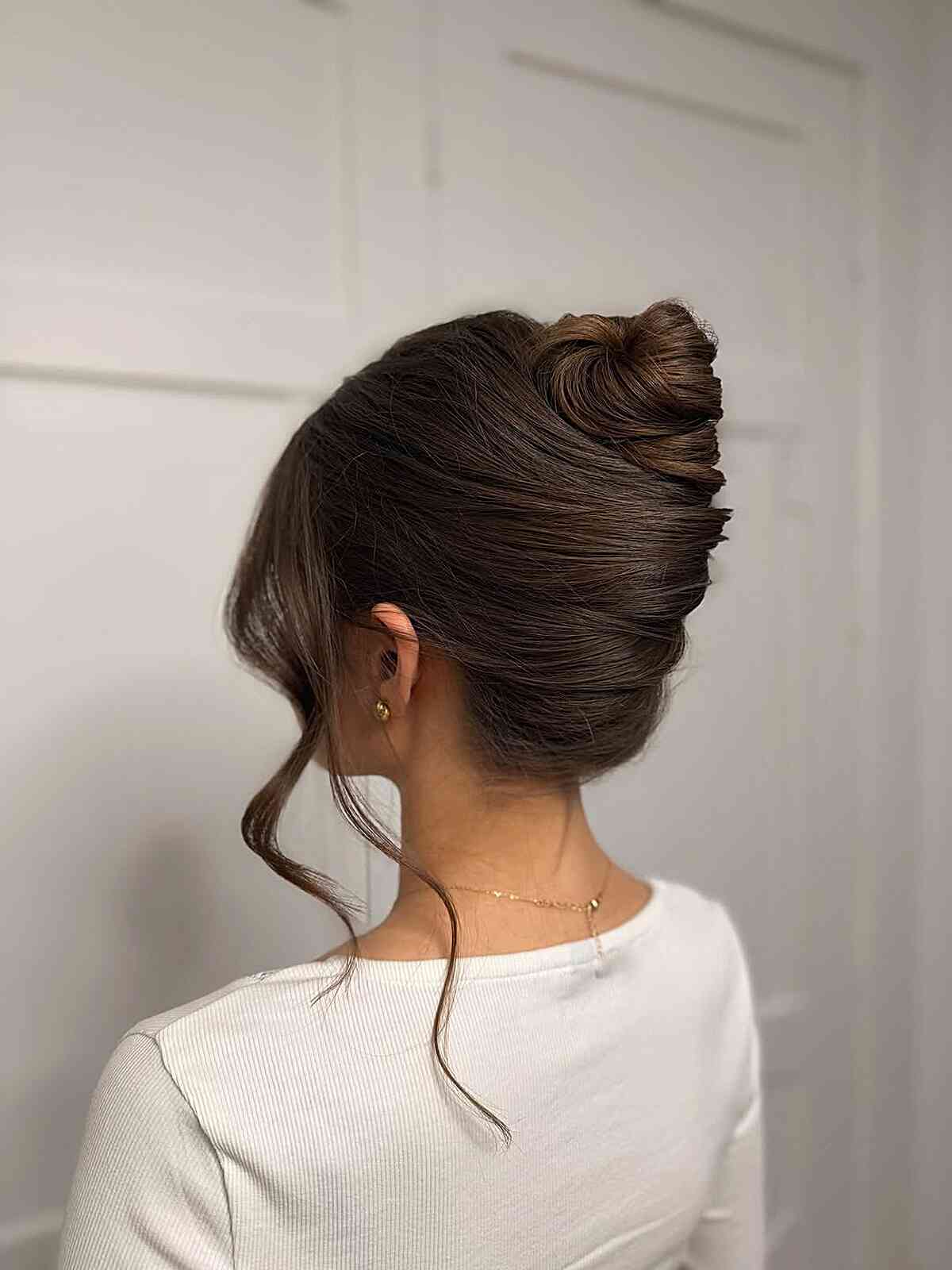
An intricate twisted updo holds its shape better when the hair is smooth and thick. The dark brown strands are gathered into a refined shape at the nape, with soft tendrils left out to soften the edges. This design works best for thick, straight hair at long length, since the weight helps the twists stay put without slipping. Ask your stylist for: long dark brown elegant updo, soft tendrils. Apply a smoothing cream to damp hair before styling to keep the surface polished and frizz-free.
Compared to a more textured updo, this one is deliberately sleek and formal. The smooth finish means every pin needs to be placed precisely, so plan for about an hour in the chair. A trim every eight weeks keeps the ends neat enough to twist cleanly.
Ash Blonde Updo With Twisted Bun
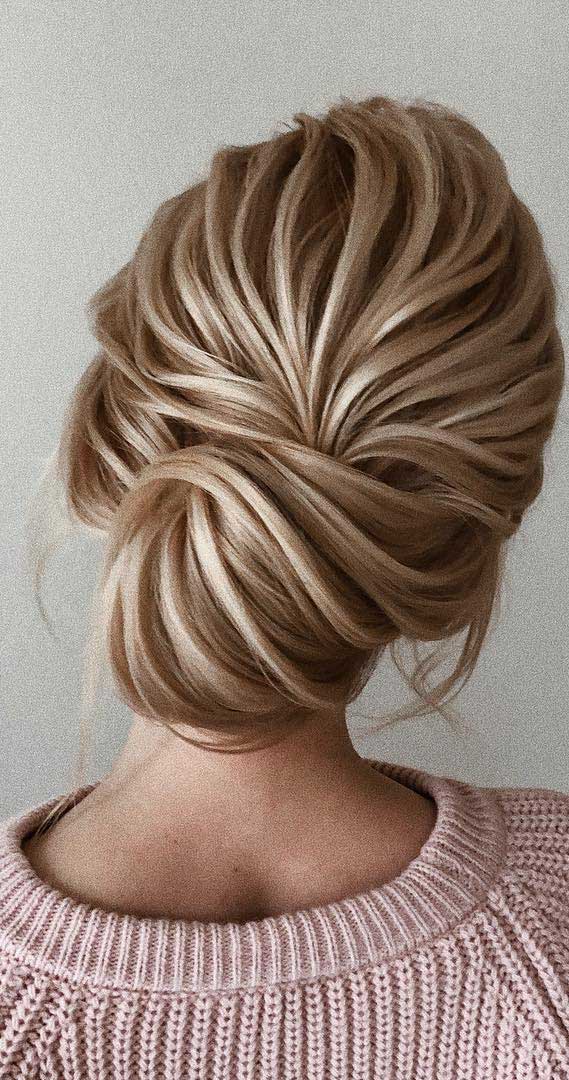
The twisted bun sits high enough to show off the full dimension of ash blonde with lighter highlights. Thick, wavy hair gives this updo the volume it needs to look full rather than sparse. The wavy texture also helps the twists grip each other, so fewer pins are required than you might think. Ask your colorist for: ash blonde updo, intricate twisted bun. A texturizing spray on damp hair before styling adds the grip that keeps the bun from loosening. This style works best with thick hair; if your hair is fine, the twists may appear skimpy instead of intricate.
Blonde Updo With Soft Texture
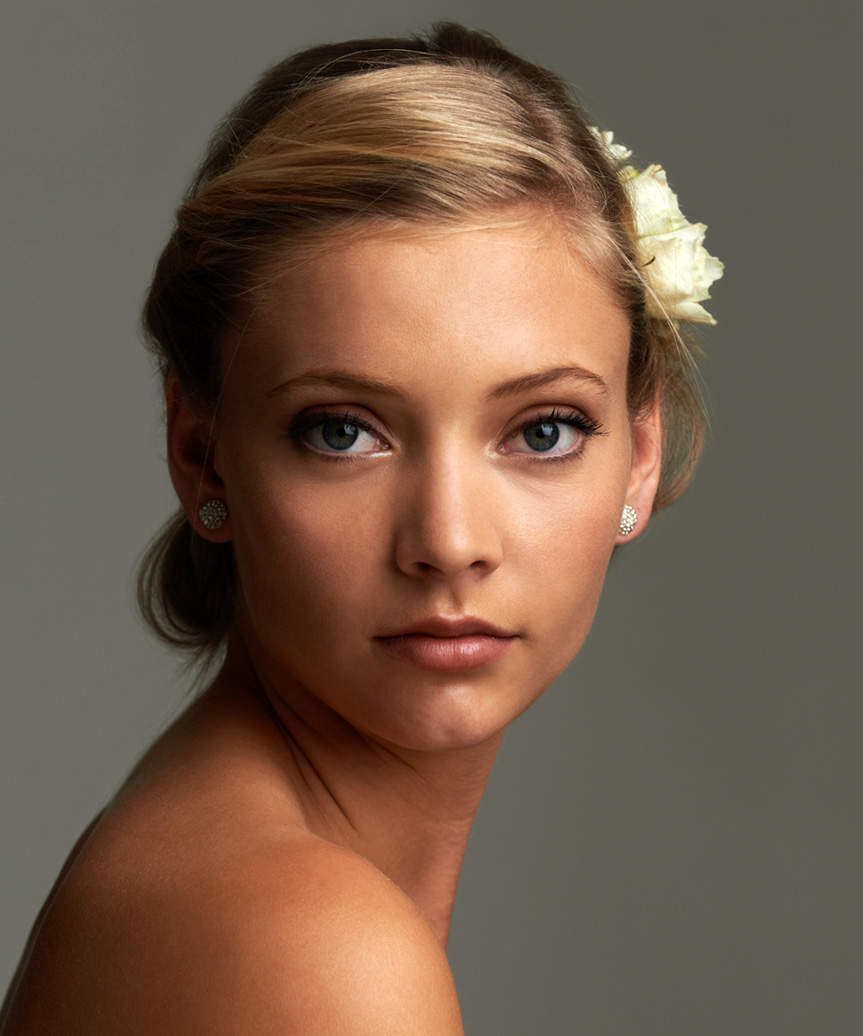
A low bun stays soft when strands are interwoven instead of tightly coiled. This blonde updo uses a low textured bun with pieces left out around the nape, which keeps the shape from feeling severe. Thick, wavy hair holds this kind of soft construction best, since the natural wave adds body without extra product. Ask your stylist for: blonde updo, soft textured bun, loose tendrils. After pinning, gently pull out a few face-framing pieces and set them with a flexible hold spray.
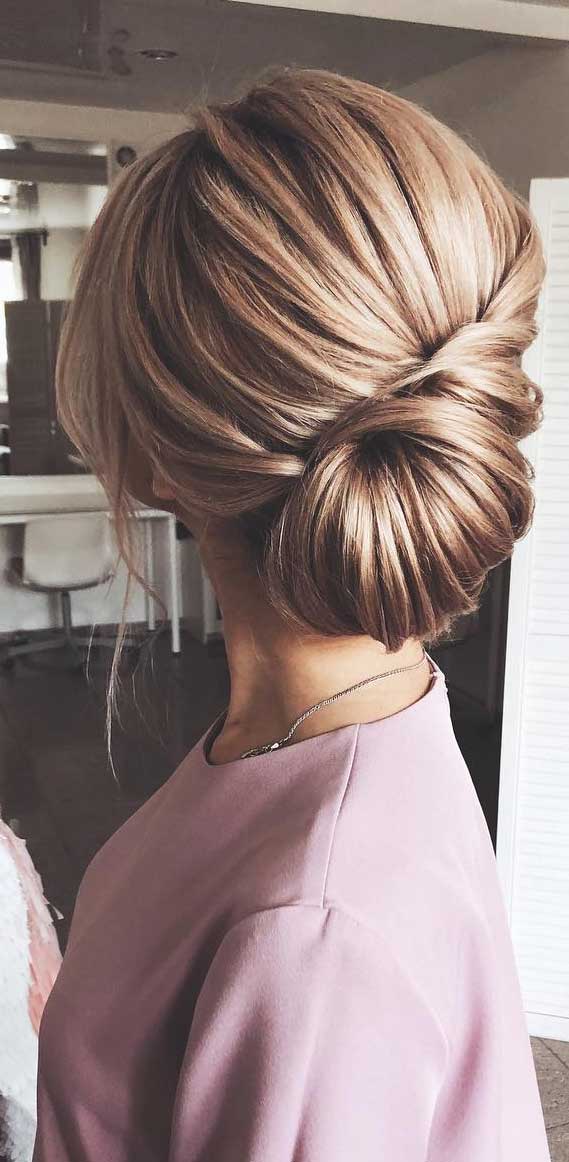
Ash Blonde Chignon With Subtle Highlights
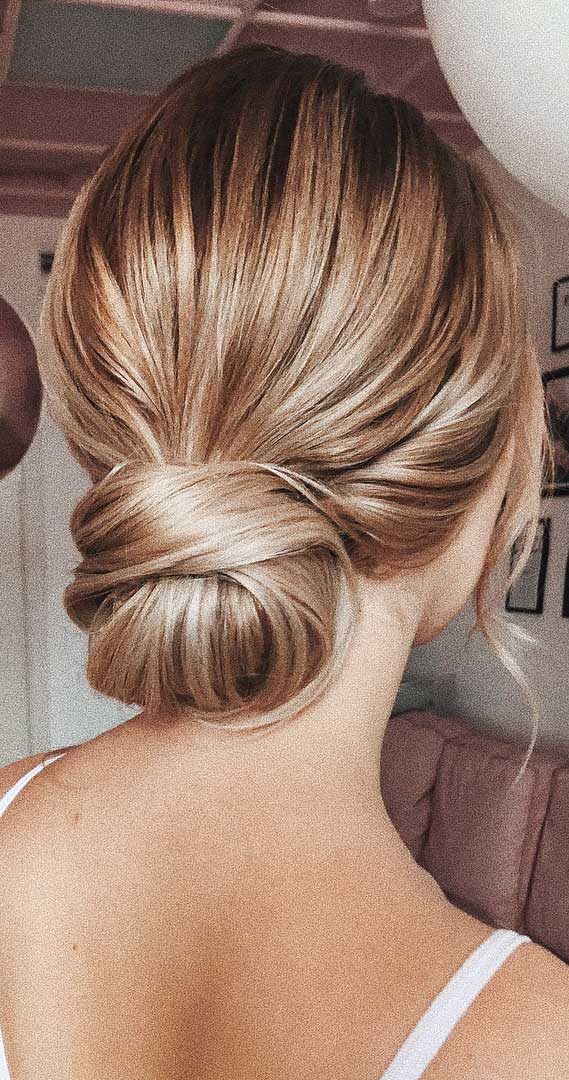
A polished chignon at the nape relies on the smoothness of the surface to look refined. This ash blonde version with subtle highlights uses the wavy texture of medium-density hair to add gentle movement without disrupting the clean outline. Ask your colorist for: ash blonde chignon, smooth polished finish. A smoothing balm applied before styling tames flyaways, and regular trims every six to eight weeks keep the ends from fraying. The ash tone needs a purple shampoo once a week to prevent the highlights from turning brassy.
Blonde Low Bun With Twist Detail
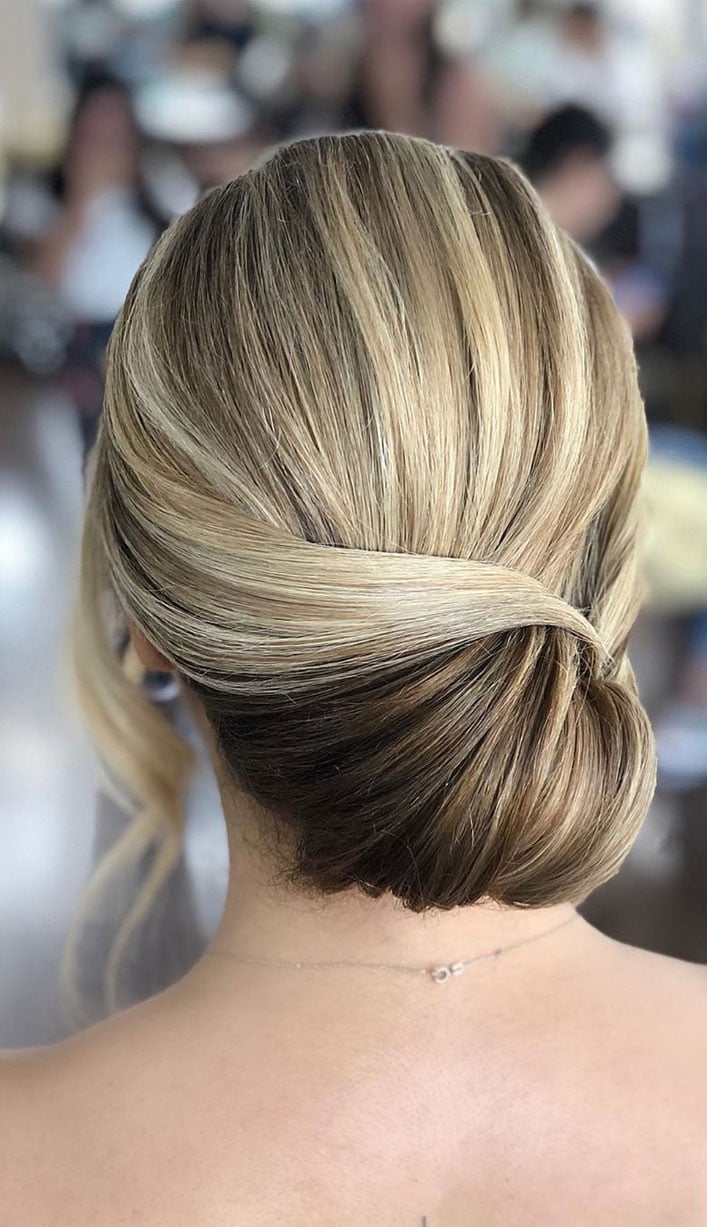
A low bun with a twist detail works well for warmer months because it keeps hair off the neck while still looking deliberate. The blonde highlights add dimension across the wavy texture, giving the bun depth even in a simple shape. Thick, wavy hair at mid-back length provides enough weight to hold the twist in place. Ask your stylist for: blonde low bun, twist detail. To build it, create a low ponytail, twist the length, wrap it into a bun and secure with pins. The twist detail at the base hides the elastic and adds a finished edge.
Blonde Updo With Elegant Twist
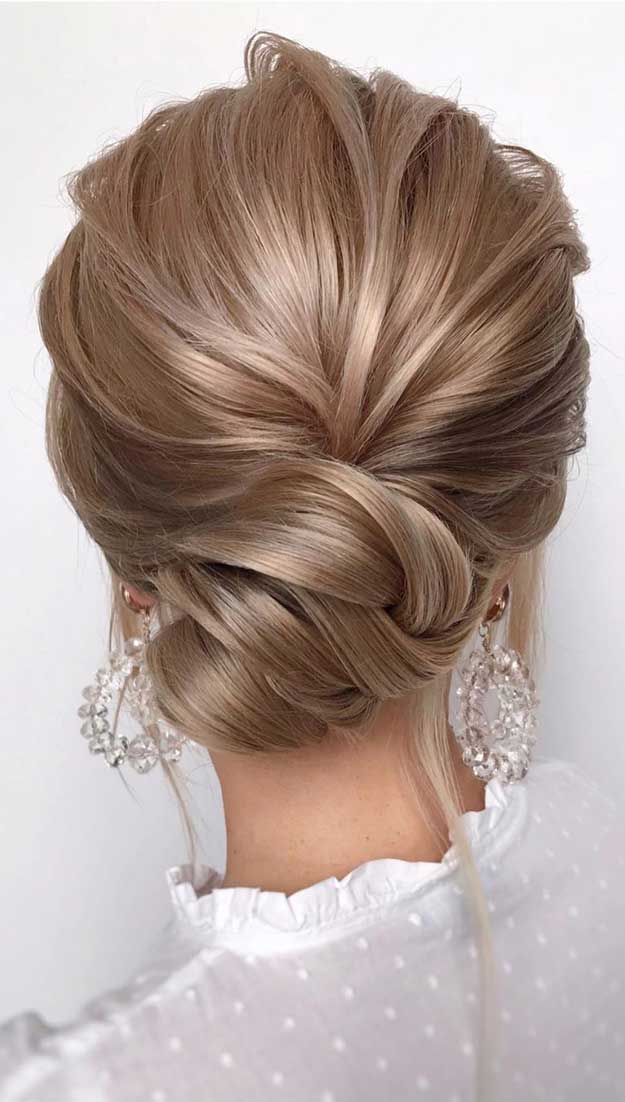
A low chignon with a single, defined twist transforms blonde hair with subtle highlights into a polished style. Ask your stylist for: blonde updo, low chignon, elegant twist. The twist adds visual interest without competing with the highlights, one detail, well executed. This works best on thick, wavy hair at mid-back length, where the texture gives the twist enough grip to hold its shape. A texturizing spray applied before styling provides the friction bobby pins need to stay put through a full evening.
Dark Brown Chignon At The Nape
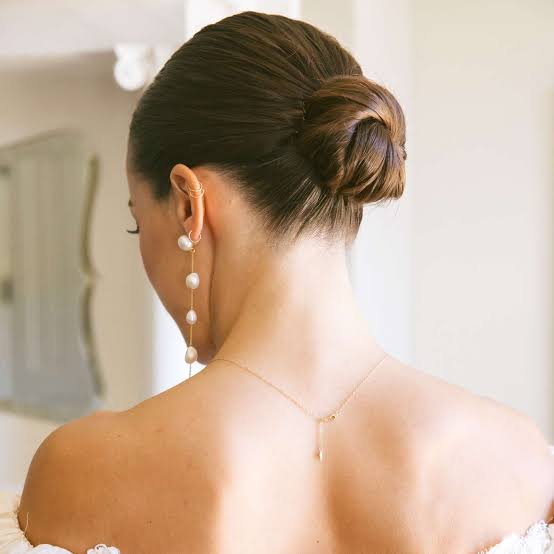
Ask your stylist for: dark brown chignon, neat polished finish. Thick, straight dark brown hair at mid-back length gives the cleanest result; anyone with fine or layered hair will struggle to hide the ends. This is a salon-only proposition. A straightening iron smooths the base, then the stylist wraps and pins the chignon in sections. It takes about 45 minutes in the chair, and the result holds until you take the pins out.
Dark Brown Updo With Braided Crown
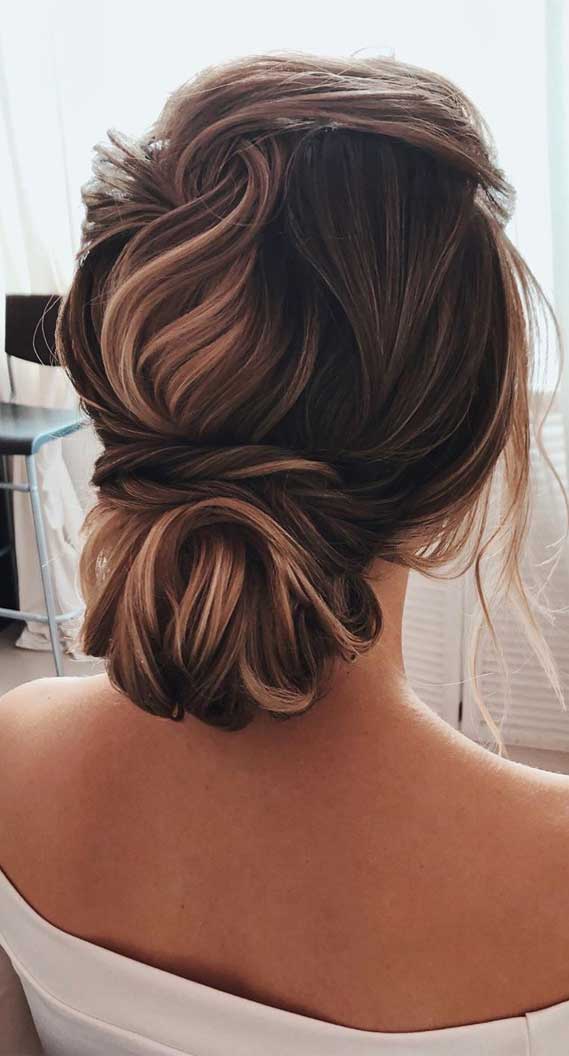
A braided crown wrapped around the crown of the head turns a standard updo into a structured, weighty style. The dark brown base with blonde highlights creates dimension, because the lighter strands add contrast between the braid twists. Ask your stylist for: dark brown updo, braided crown, blonde highlights. This suits thick, wavy hair at long length; the volume is necessary to create a braid that looks substantial.
Wavy texture helps the braid hold its shape without slipping, and the loose tendrils left at the nape soften what could otherwise feel severe. The design works best on hair that has some natural body, because the braided sections need to sit high and stay put. Fine hair will require so much backcombing that the finish turns fuzzy.
Final Thoughts
For fine hair, keep one blunt baseline and skip heavy layers. For thick hair, sleek styles and structured updos hold better. For wavy textures, soft layers enhance natural movement without extra fuss. Choose the style that matches your daily routine, not the one that looks best in a photo.
- Trim blunt cuts every six to eight weeks to maintain sharpness.
- Tone blonde shades every four to six weeks to combat brassiness.
- Use a heat protectant spray before any blow-drying or curling.
- Updos benefit from a weekly deep conditioning treatment to maintain smoothness.
Embrace timeless elegance with a hairstyle that suits your life.