
Blonde hair is less a single color and more a spectrum of strategies, each one solving a different problem: brassiness, grow-out lines, or fine strands that read as thin. The shift this year is toward lived-in dimension, think balayage over block highlights, and root shadows over all-over platinum.
These 30 Trendy Blonde Hairstyles span from a low-upkeep honey balayage to a sharp platinum bob that demands a strict toning schedule. Fine hair gets blunt density; thick hair gets soft, blended layers. The collection also addresses the eternal struggle of a fringe that refuses to sit still and a visible root line that shows up at week three instead of week six.
Champagne Blonde Balayage With Loose Waves
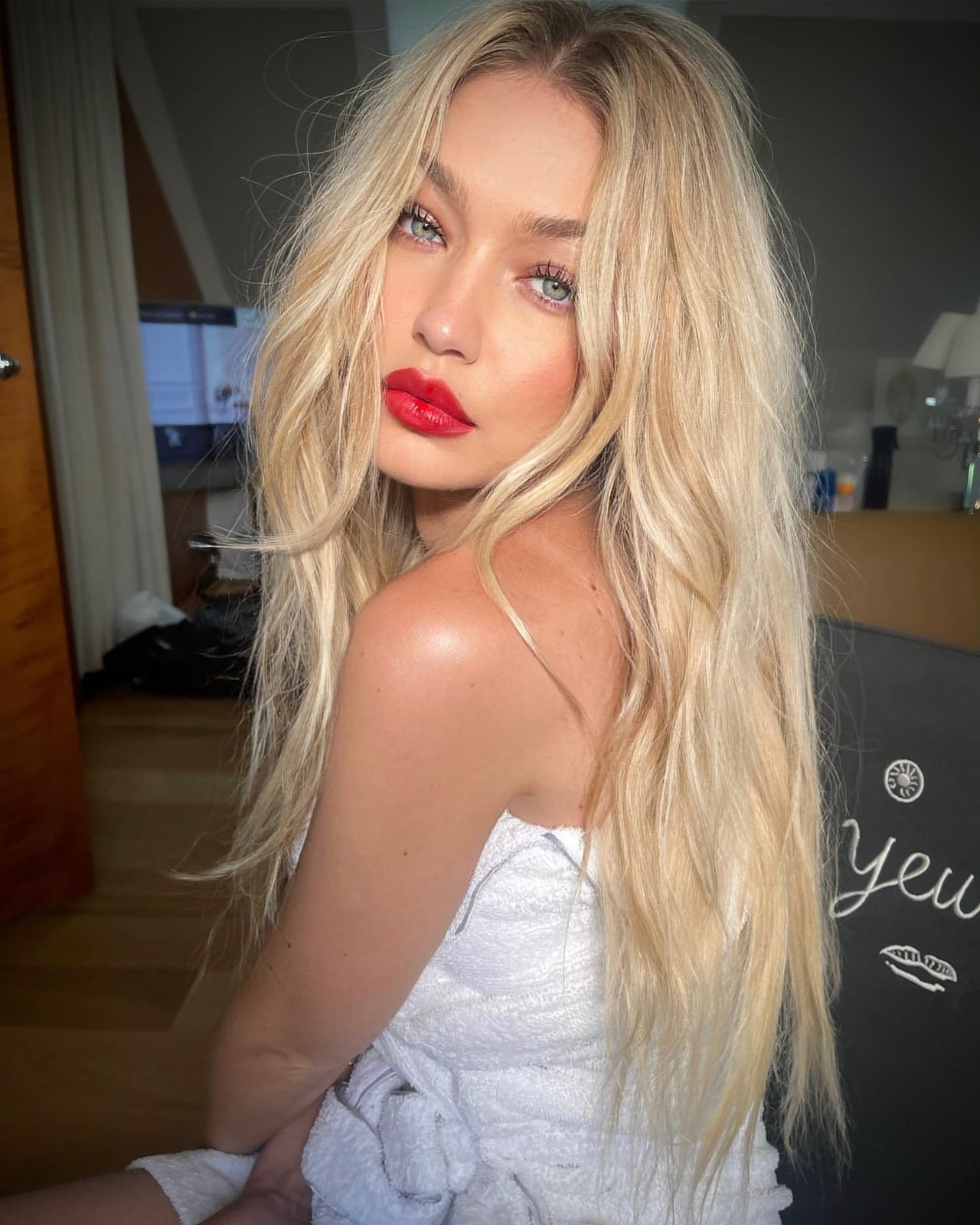
The clever part of this champagne blonde balayage is how the lighter tones are woven through the base rather than painted on the surface, so the color reads as depth, not streaks. The mid-back length and long layers give the loose, air-dried waves room to move without collapsing into a triangle. Ask your colorist for: mid-back champagne blonde balayage with loose waves. Thick, wavy hair starting at mid-back length takes the technique best, and a middle part visually elongates round faces.
You can air-dry this one for a lived-in feel that actually looks deliberate. A trim every eight to ten weeks keeps the layer shape from getting heavy, and a toning appointment around the same rhythm prevents the champagne tone from drifting warm.
Natural Blonde With Subtle Highlights
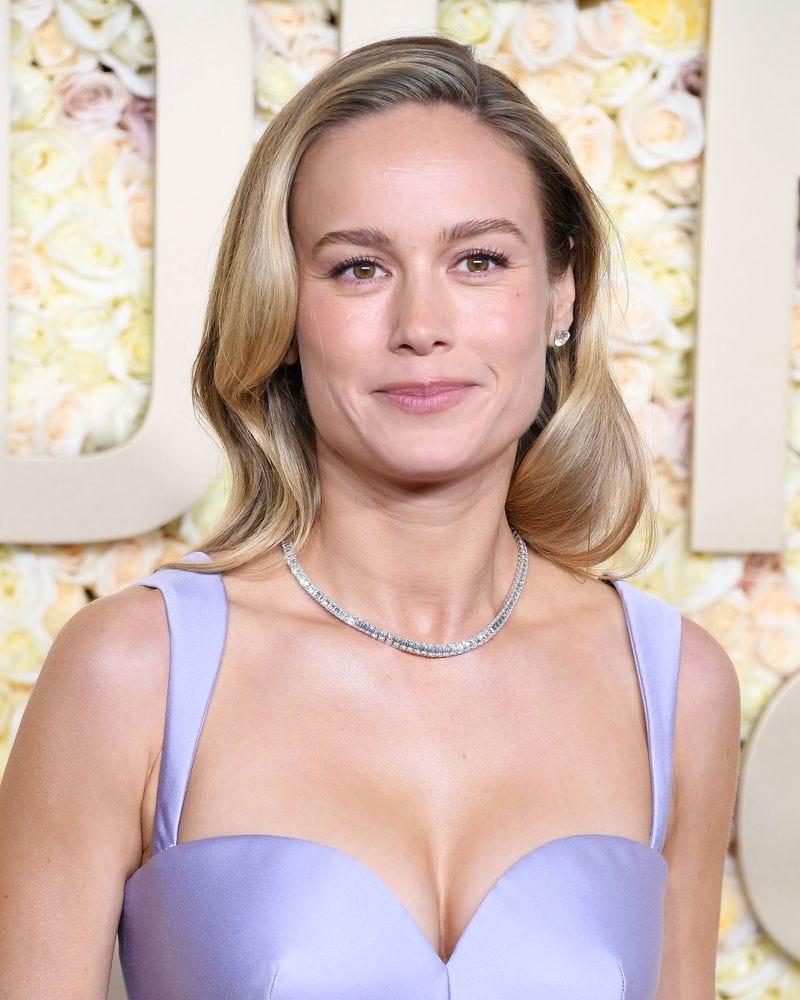
Does a natural blonde need highlights if it already looks good? Only if you want the color to have movement rather than sitting flat. This shoulder-length cut uses subtle highlights woven through medium-thick, wavy hair, so the natural base stays dominant while the lighter pieces catch enough light to keep things interesting. Ask your colorist for: shoulder-length natural blonde with subtle highlights, loose waves. The middle part and layered shape work for most face shapes, and the lived-in grow-out means you can stretch salon visits longer than a high-contrast blonde would allow.
Light Honey Blonde With Darker Roots
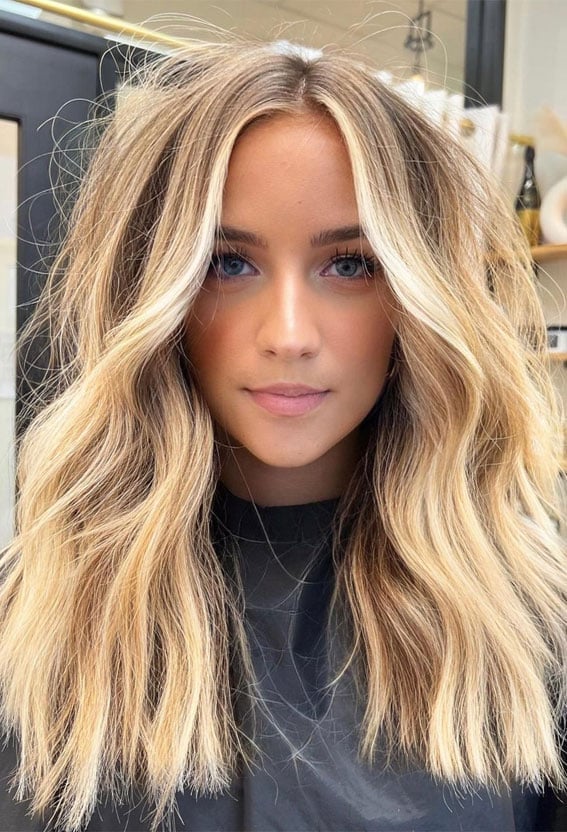
A light honey blonde with darker roots solves the two-week-regret problem of all-over blonde: the root line is designed to show. This collarbone-length cut uses face-framing highlights that start a few inches down, so the darker base at the scalp softens the grow-out from day one. Ask your colorist for: collarbone honey blonde with dark roots and face-framing highlights. The wavy blowout and middle part keep the look polished, and the darker roots mean you can wait eight to ten weeks between toning appointments without anyone noticing.
Dimensional Honey Blonde Balayage
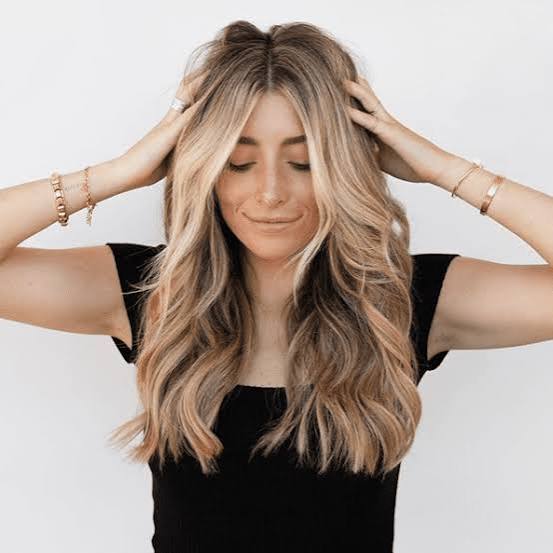
Where a solid honey blonde can read as one flat note, a dimensional balayage stacks lighter pieces throughout the mid-lengths and ends so the color shifts as the hair moves. This collarbone-length version on thick, wavy hair uses a middle part and loose waves to show off the contrast between the deeper base and the lighter sections. Ask your colorist for: collarbone honey blonde balayage with loose waves. The technique suits oval and heart-shaped faces well, and because the color is painted freehand, the grow-out line is soft rather than harsh.
Rich Honey Blonde Balayage Blowout
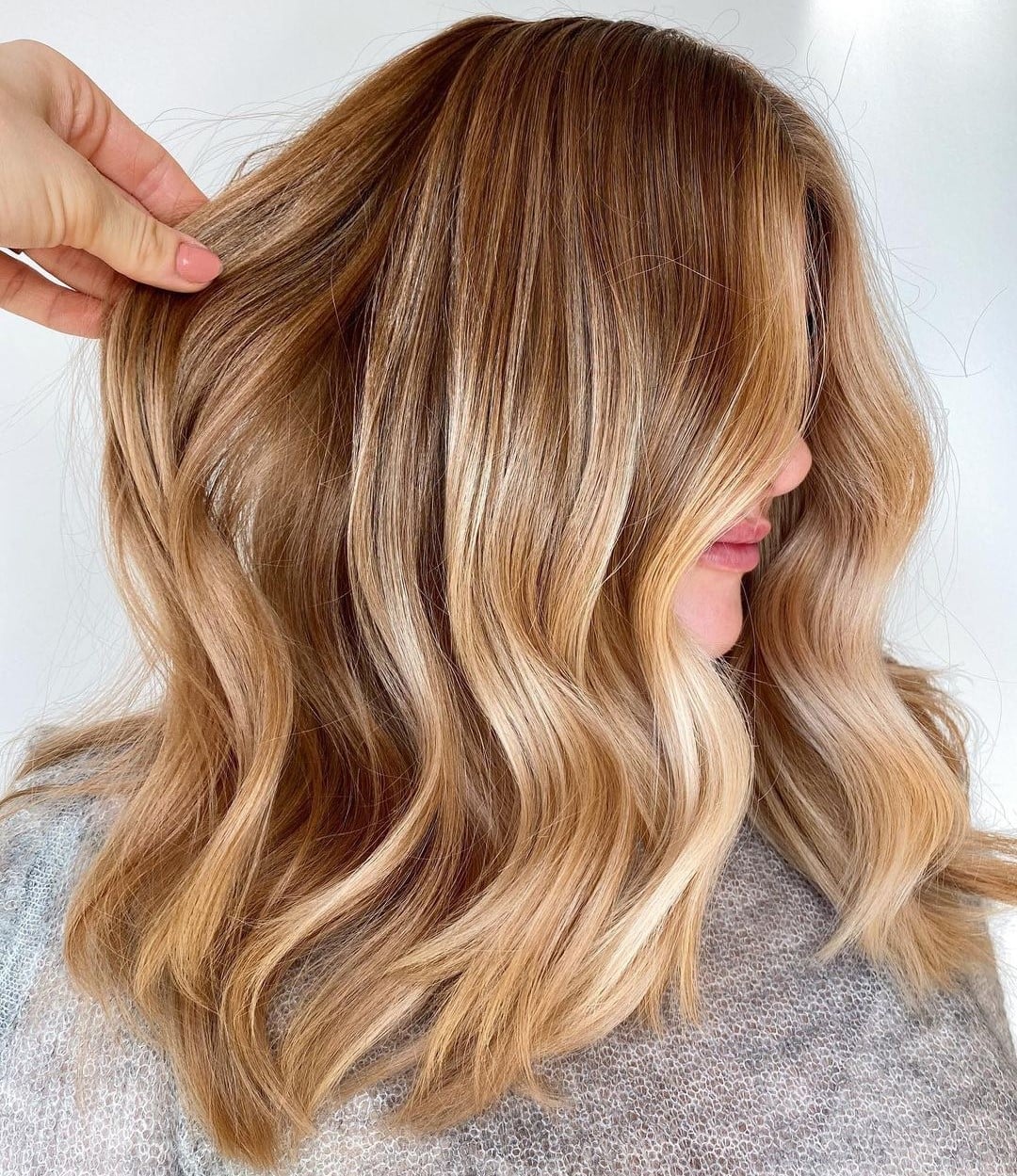
This collarbone-length cut with layers and a middle parting needs a medium round brush and a blow-dryer to get that smooth, bouncy finish. Ask your colorist for: collarbone rich honey blonde balayage blowout. The layers add movement without losing density, which matters for thick, wavy hair that can get heavy. A root touch-up every six to eight weeks keeps the balayage from blending into a single shade, and a toner every other visit maintains the warmth without tipping into orange.
Honey Blonde Balayage With Loose Waves, Mid-Back
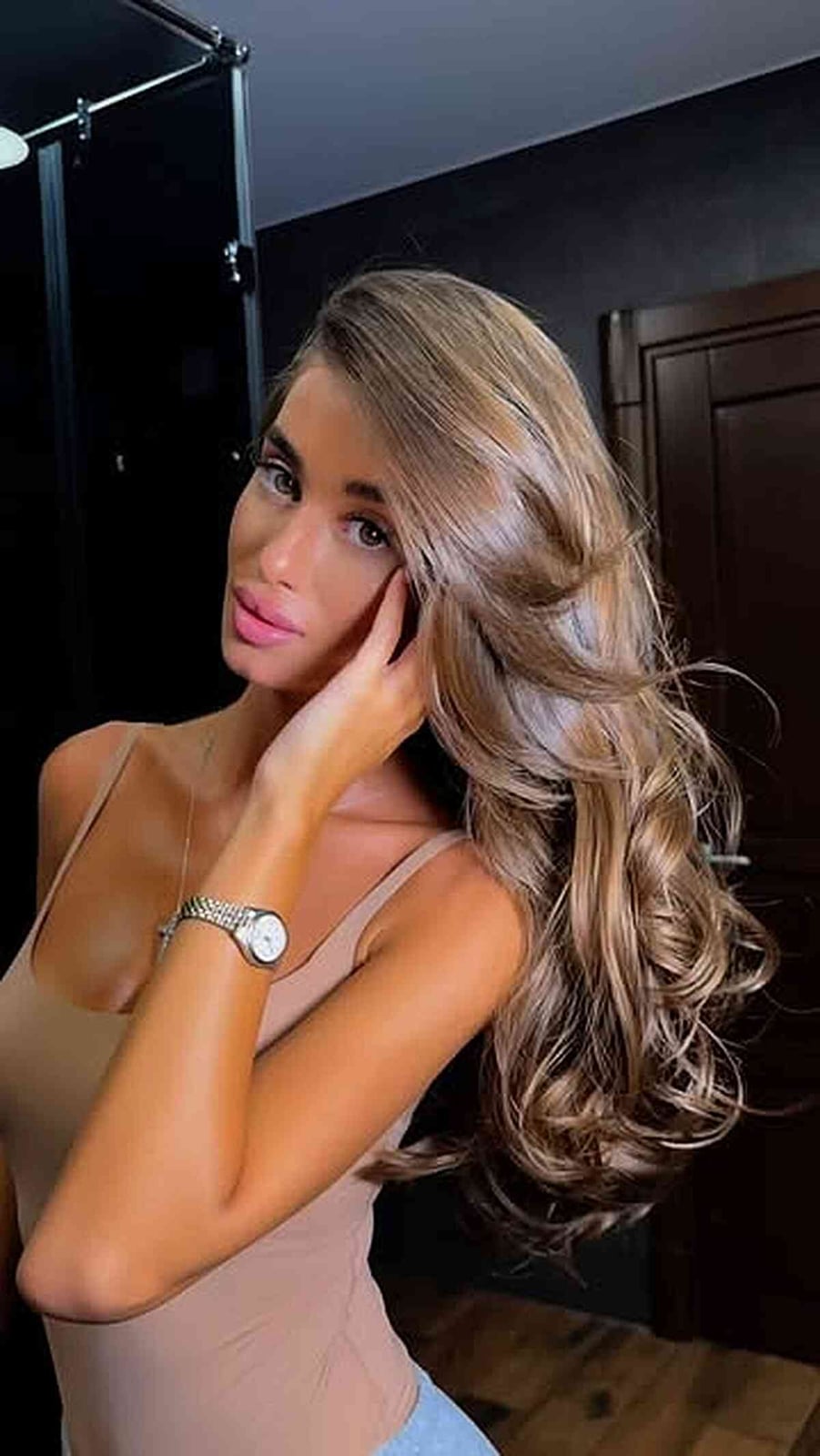
Wondering what to do with all that mid-back length when the weather warms up? Honey blonde balayage with loose waves is the answer. The hand-painted highlights start darker at the roots and lighten toward the ends, creating a sunkissed effect without a harsh grow-out line. This finish works well on thick, wavy hair where the layers add shape. Ask your colorist for: mid-back honey blonde balayage with loose waves. A sea salt spray encourages the natural wave pattern, and a trim every 8 to 10 weeks keeps the layer shape defined.
Soft Vanilla Blonde For Fine Hair
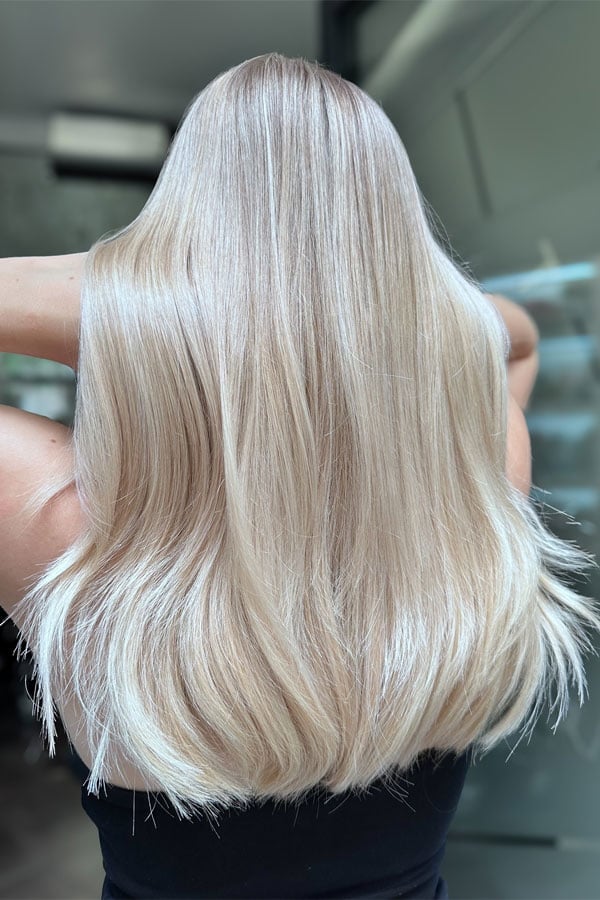
Soft vanilla blonde is a cool, creamy shade that appears lighter than it actually is, which makes it a smart choice for fine hair. The collarbone length and layered cut add volume without weighing strands down. Ask your colorist for: collarbone vanilla blonde layered blowout. Fine hair shows brassiness faster, so a purple shampoo is your new best friend between toning appointments every 6 to 8 weeks.
Dimensional Dirty Blonde With Highlights
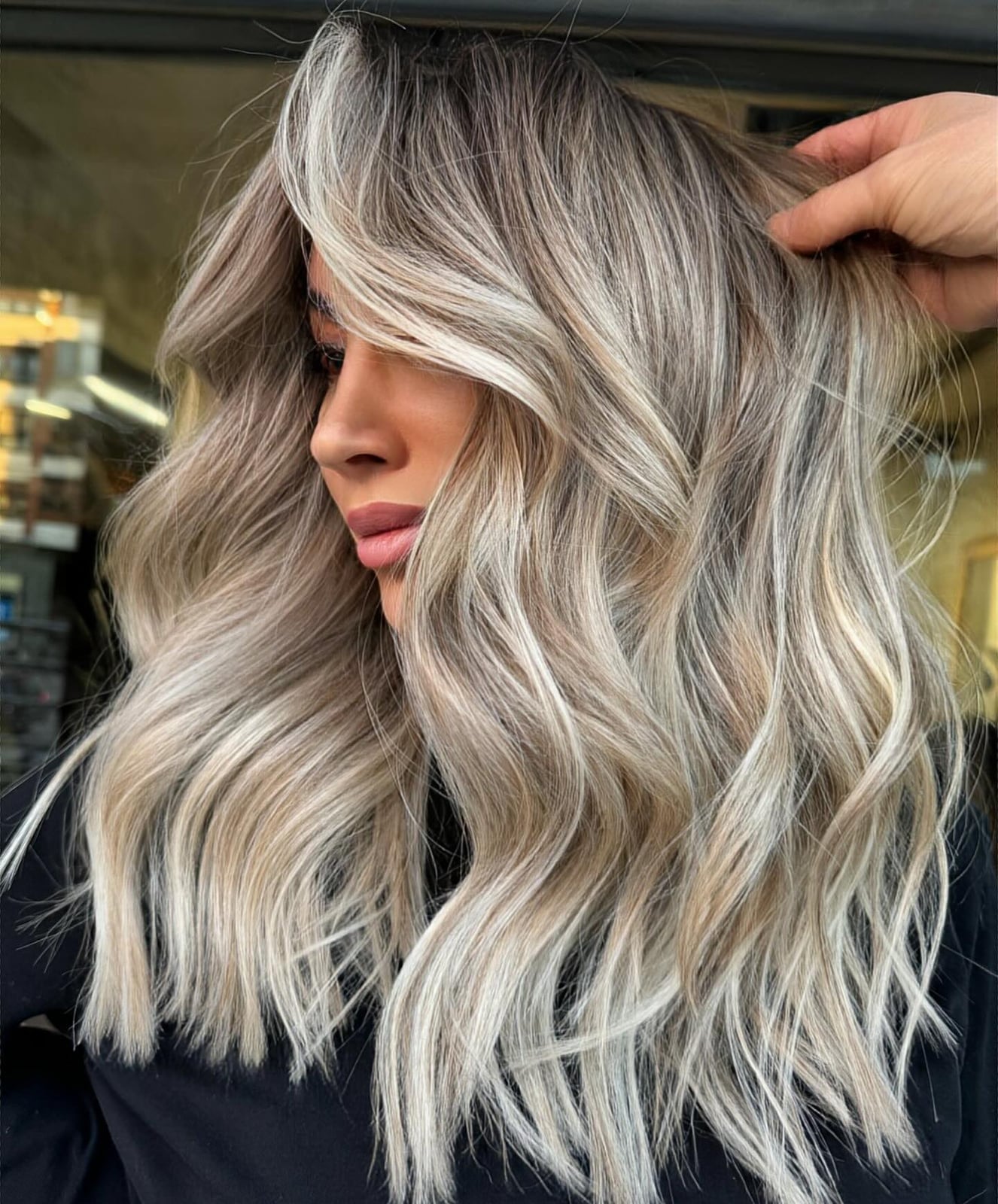
Dirty blonde with subtle highlights is a low-commitment way to add dimension without going full bleach. The technique uses fine, spaced-out highlights on a darker base, so the contrast looks natural.
Ask your colorist for: mid-back dirty blonde with subtle highlights, air-dried waves. Soft layers help the color sit evenly through the length. A toning appointment every 8 to 10 weeks keeps the blonde from veering too warm, and a diffuser on low heat preserves the air-dried texture.
Rich Dirty Blonde Balayage
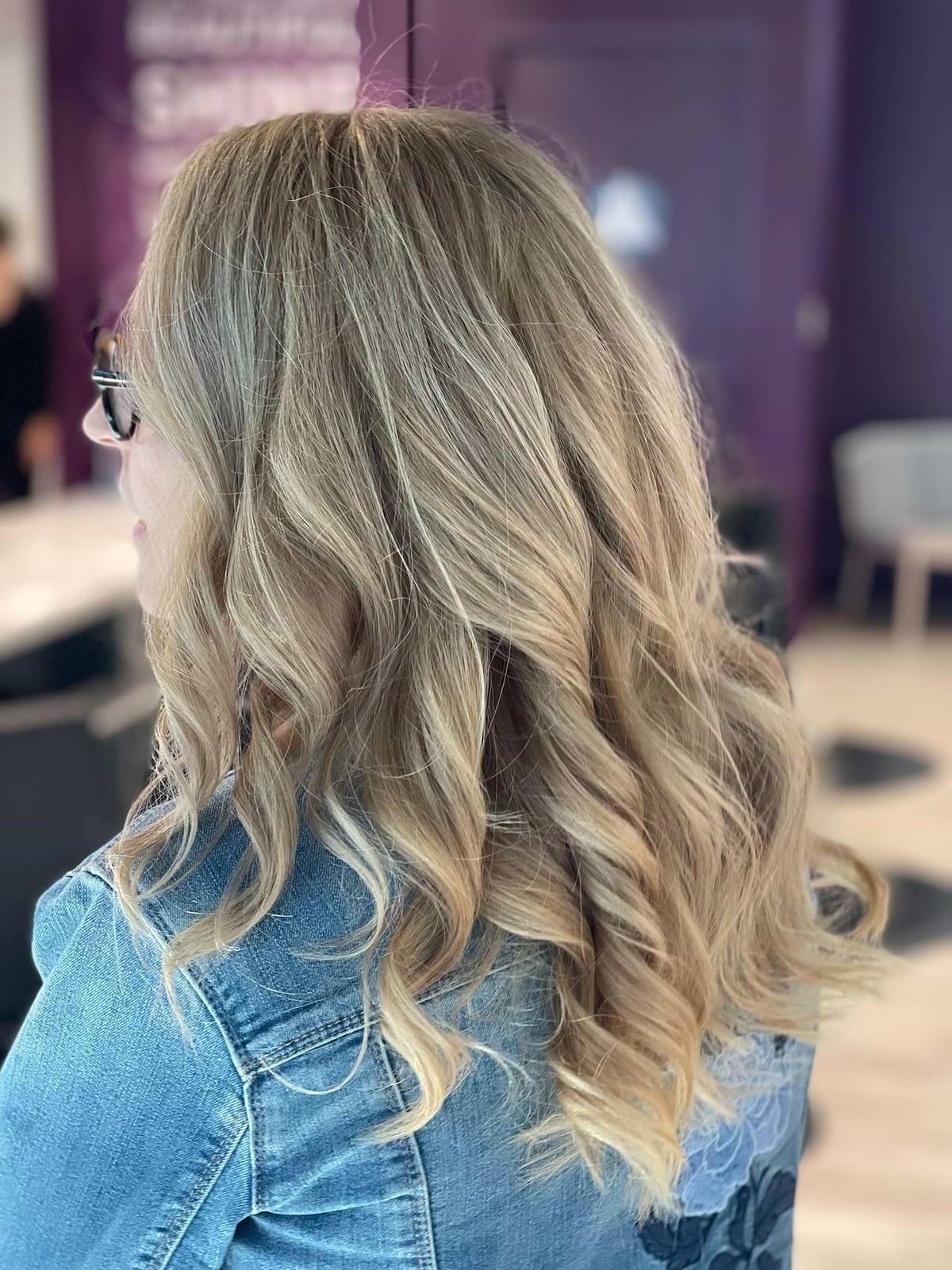
Rich dirty blonde balayage is not something you can fake with a box dye at home. The salon technique paints color onto sections of hair by hand, so the transition from darker roots to lighter ends looks seamless. Ask your colorist for: collarbone dirty blonde balayage with soft waves. A round brush blowout adds smoothness, and because balayage grows out softly, you can stretch touch-ups to 10 to 12 weeks. That is two months of not thinking about your roots.
Ash Blonde Balayage With Face-Framing Layers
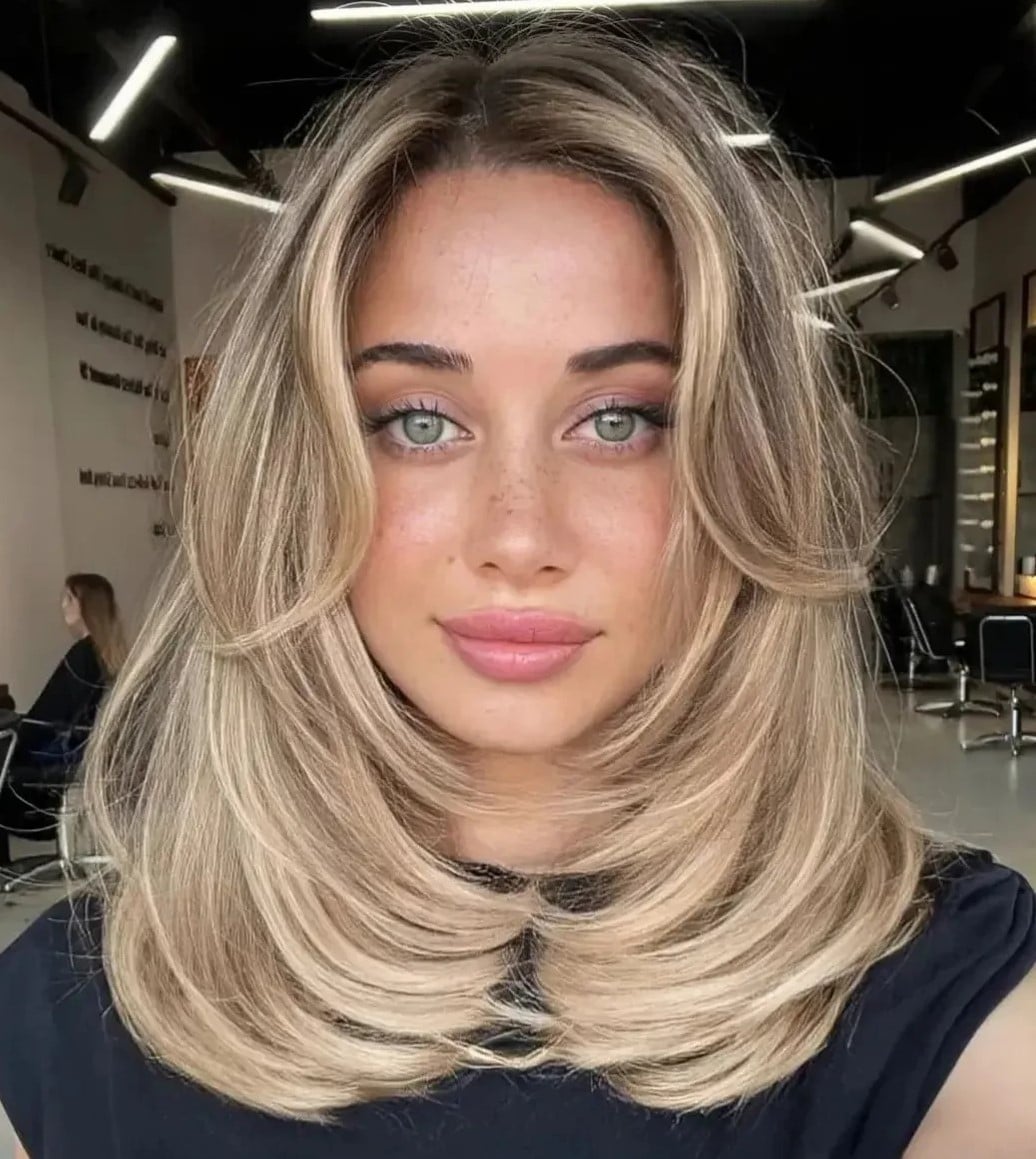
How do you ask for ash blonde without sounding like you want dishwater hair? Start with the right words. Ash blonde balayage with face-framing layers means a cool-toned base with lighter pieces painted through the mid-lengths and ends, plus shorter sections around the jaw to soften the shape. Ask your colorist for: mid-back ash blonde balayage with face-framing layers. Loose waves let the cooler tones show. A purple shampoo and conditioner every few washes keeps the ash from turning brassy.
Ash Blonde With Subtle Highlights
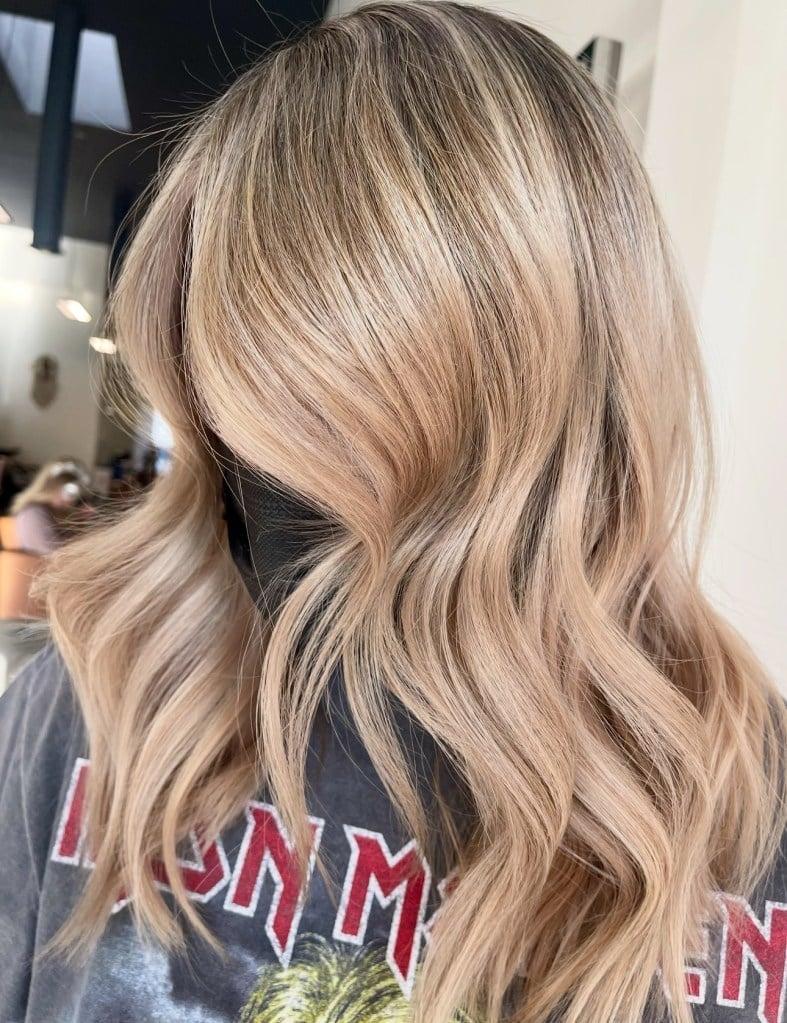
Ash blonde with subtle lighter highlights walks a careful line between cool and natural. The shoulder-length layers keep the medium-thick, wavy texture from feeling heavy, and the soft waves add movement without fighting the tone. Ask your colorist for: shoulder-length ash blonde with subtle highlights, soft waves. The payoff is a lived-in look that grows out gently, but the ash base needs a toning appointment every six to eight weeks to keep the brass away. A trim every eight to ten weeks keeps the layers sharp.
Bronde Balayage With Side-Swept Bangs
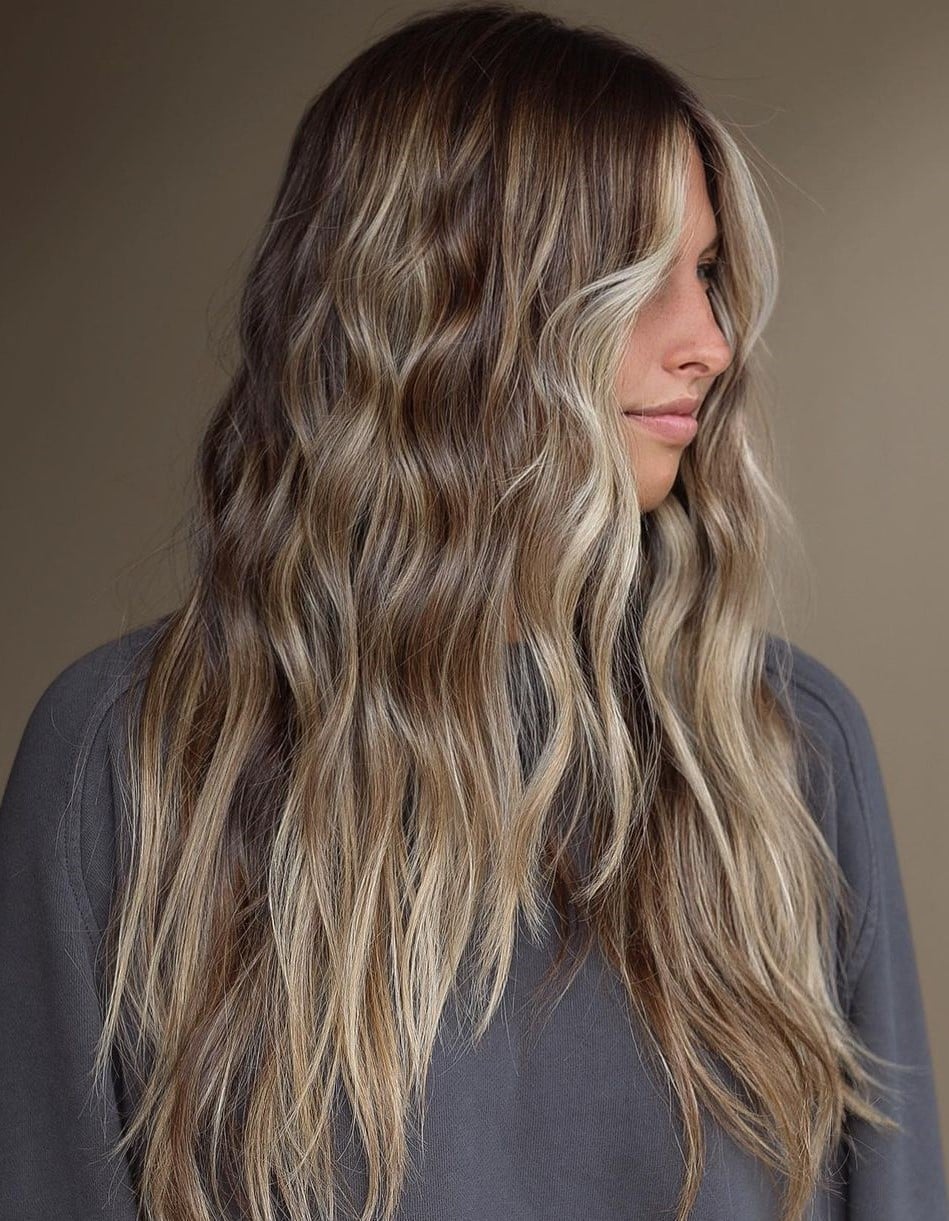
A bronde balayage sits somewhere between a warm blonde and a light brown, which makes it less committal than a full bleach. The side-swept bangs and air-dried waves give thick, mid-back length hair a texture that reads as undone rather than deliberate. Ask your colorist for: mid-back bronde balayage with side-swept bangs. This is the shade for anyone who wants dimension without the root vigilance of a platinum. The darker base means you can stretch your salon visits, and the bangs soften a square jawline without needing constant heat.
Dimensional Blonde Ombré
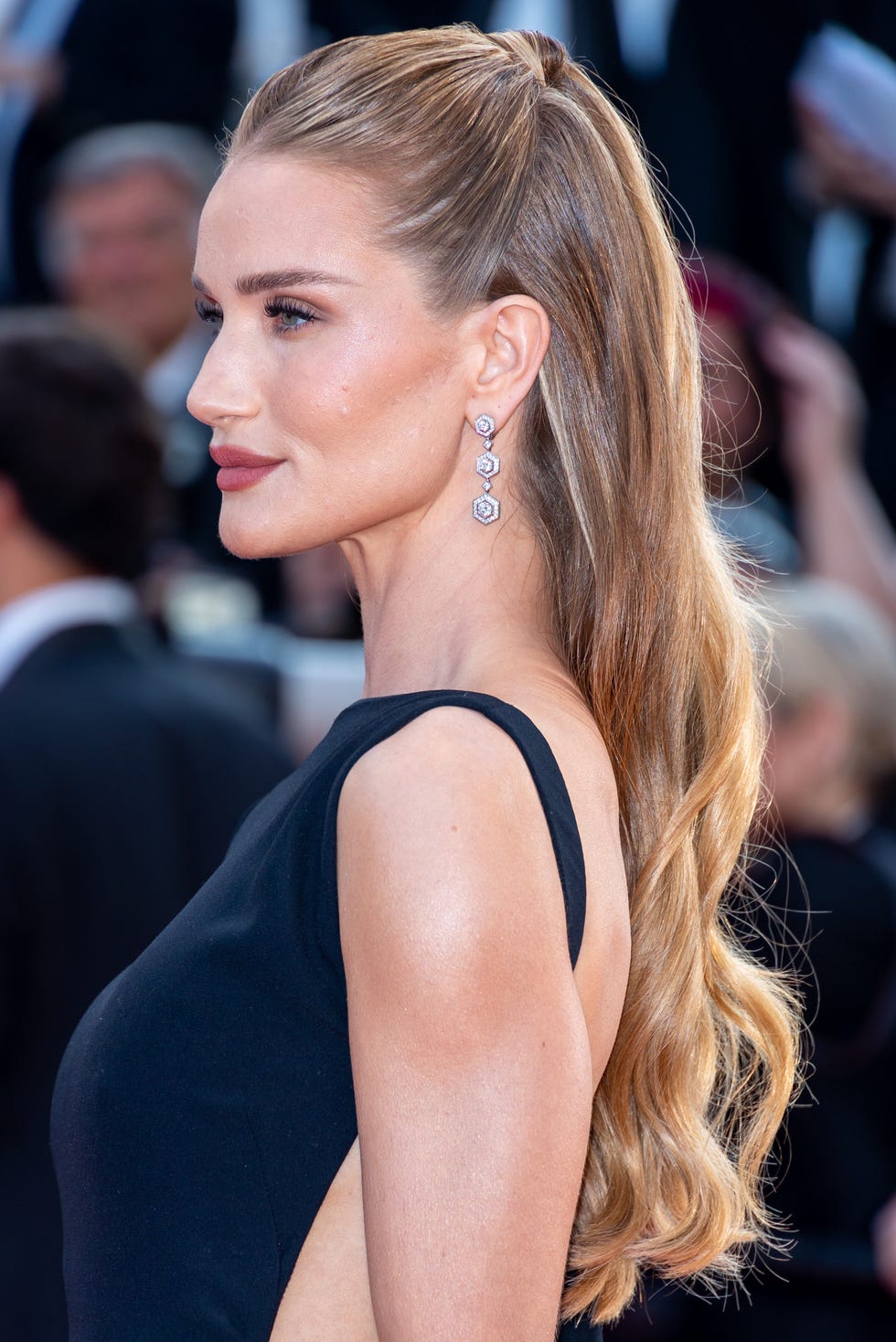
A dimensional blonde ombré keeps the root darker and hand-paints lighter pieces through the ends. The transition is gradual, not striped, which separates it from a dated dip-dye.
Ask your colorist for: mid-back dimensional blonde ombré with loose waves. The side part and thick, wavy texture help the color appear soft. Because the root stays close to your natural shade, this technique buys you about three months between touch-ups. The loose waves are styled with a curling wand and a texture spray, but the grow-out is forgiving enough that you can skip the heat on day two.
Warm Blonde With Subtle Highlights
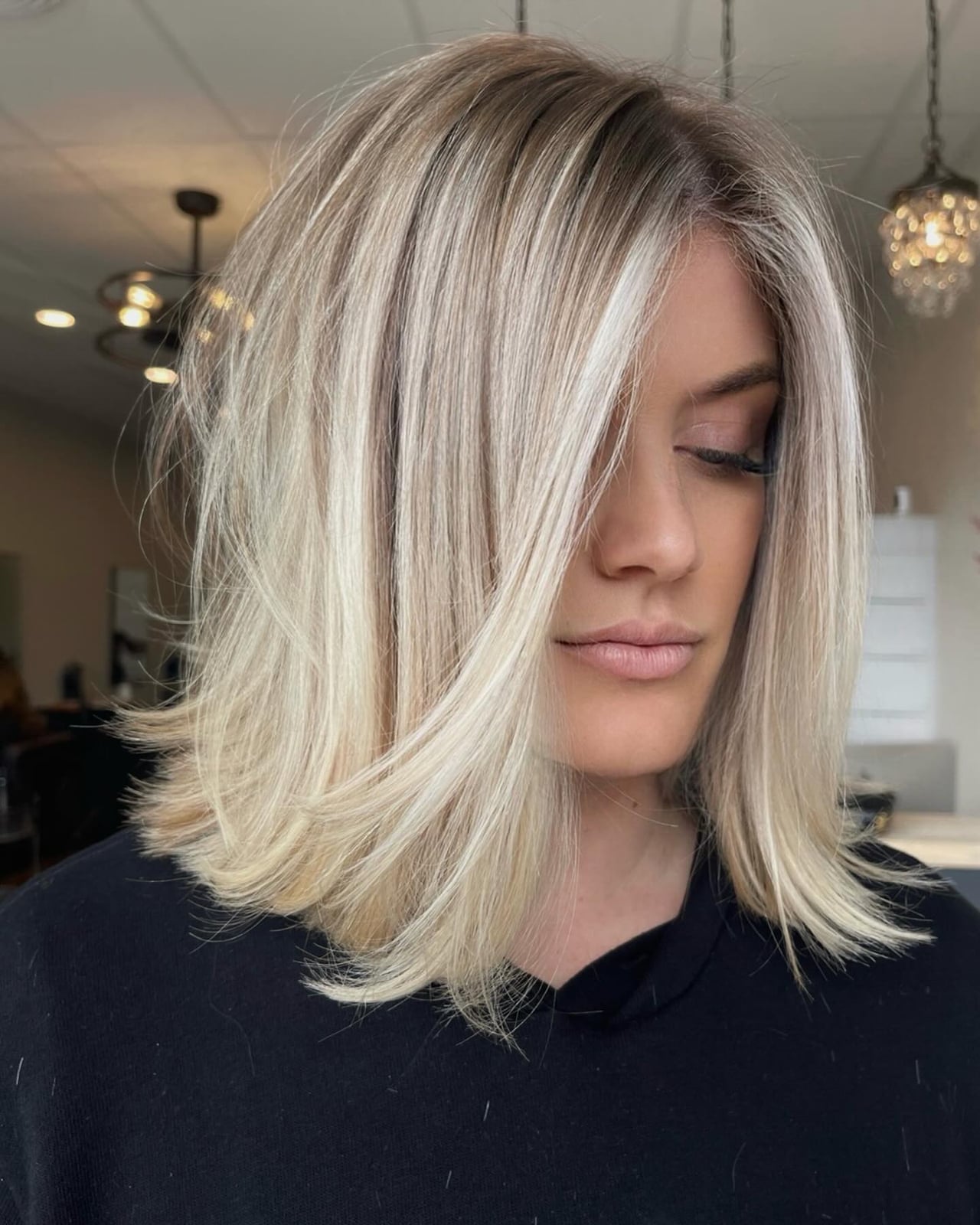
Does a warm blonde wash you out or warm you up? The answer is in the highlights. Subtle, lighter pieces woven through thick, wavy, mid-back length hair keep the tone from falling flat. The middle part and loose waves let the warmth catch the light without looking brassy. Ask your colorist for: mid-back warm blonde with subtle highlights, loose waves. A color-depositing conditioner once a week keeps the golden notes from drifting toward orange. A trim every eight to ten weeks prevents the layers from losing their shape.
Champagne Blonde Balayage With Loose Waves and серебристо-серый блонд
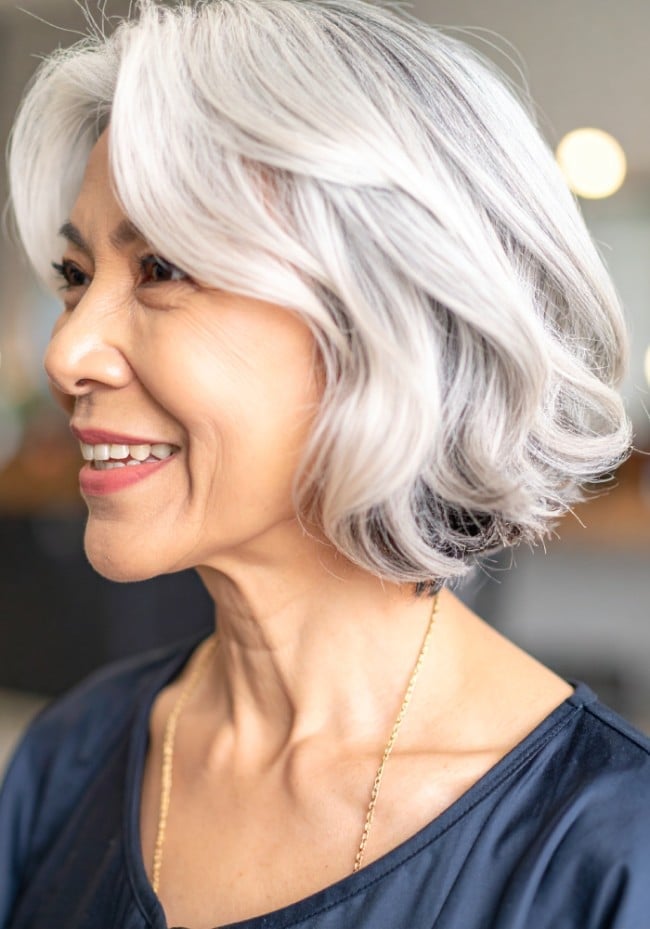
A chin-length bob in silver-grey blonde is a winter color that works year-round if you keep the tone cool. The soft waves and middle part give medium-density hair a polished finish without looking stiff. Ask your colorist for: chin-length silver-grey blonde bob with soft waves. This shade is for the person who wants a short cut that still reads as refined, not severe. The silver tone needs a purple shampoo every third wash to stay icy, and the bob shape requires a trim every six to eight weeks to hold its line.
Buttery Blonde With Dimensional Highlights
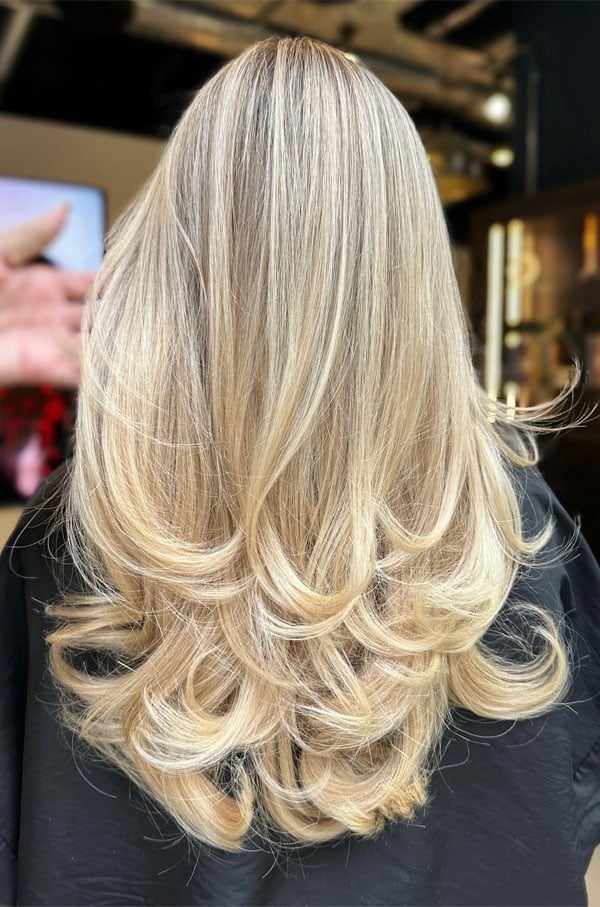
Dimensional highlights keep the color from reading flat, which is the usual risk with a single warm shade. Thick, wavy texture benefits from the layers, as they prevent the hair from forming a heavy triangle shape. Ask your colorist for: mid-back buttery blonde with dimensional highlights, layered curls. Expect to use a curl-defining cream and a diffuser to encourage the pattern. A toning appointment every eight to ten weeks preserves the buttery tone without letting it drift too golden.
Bright Blonde With Honey Balayage
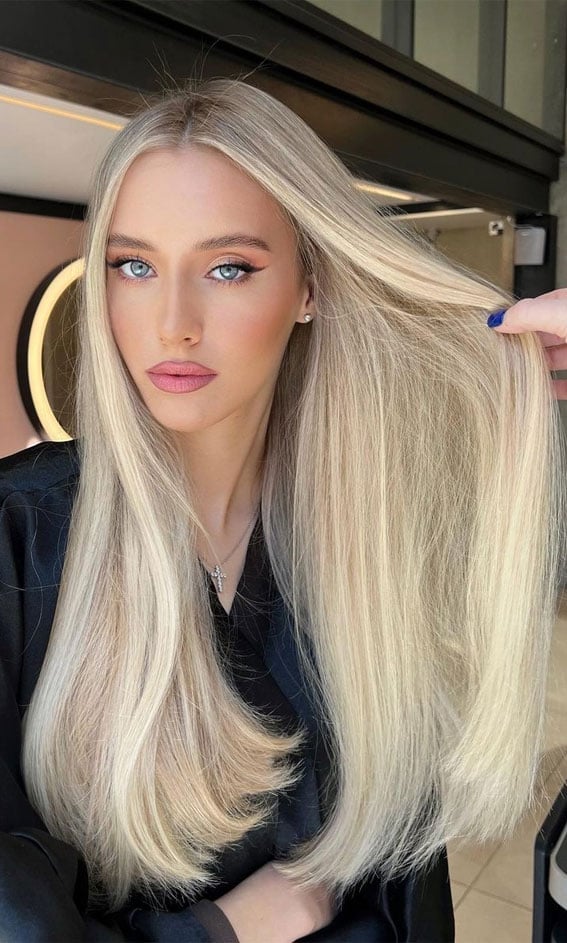
A bright blonde base gets warmth without going full gold thanks to honey-toned balayage highlights painted through mid-back layers. The technique leaves the root area darker, so the grow-out looks natural. The smooth surface lets the color shifts show clearly. Ask your colorist for: mid-back bright blonde with honey balayage, straight smooth style. The key words are honey balayage, not honey highlights: balayage is hand-painted and softer at the root. Straight styling keeps the focus on the dimensional color.
Ash Blonde Highlights On Dark Blonde Base
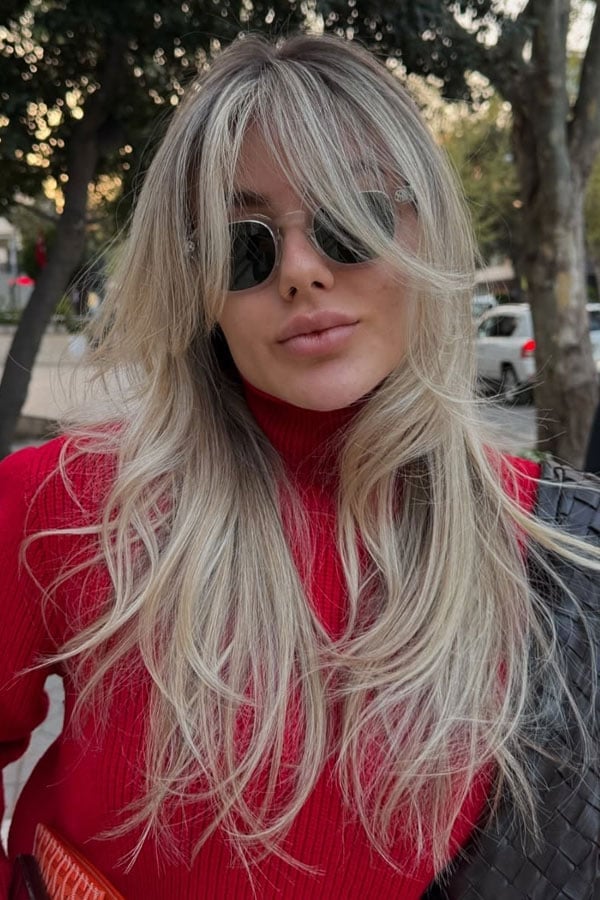
A full ash blonde application can wash out medium skin, but ash highlights on a dark blonde base keep contrast without going flat. Here, the darker base anchors the color while cooler pieces add dimension through mid-back wavy layers. Curtain bangs soften the front and tie the look together. Ask your colorist for: mid-back ash blonde highlights on dark blonde base with curtain bangs. The finish is a lived-in blonde that looks cooler than a traditional highlight but warmer than all-over ash. A middle parting and wavy blowout complete the style.
Brown Blonde Base With Blonde Balayage
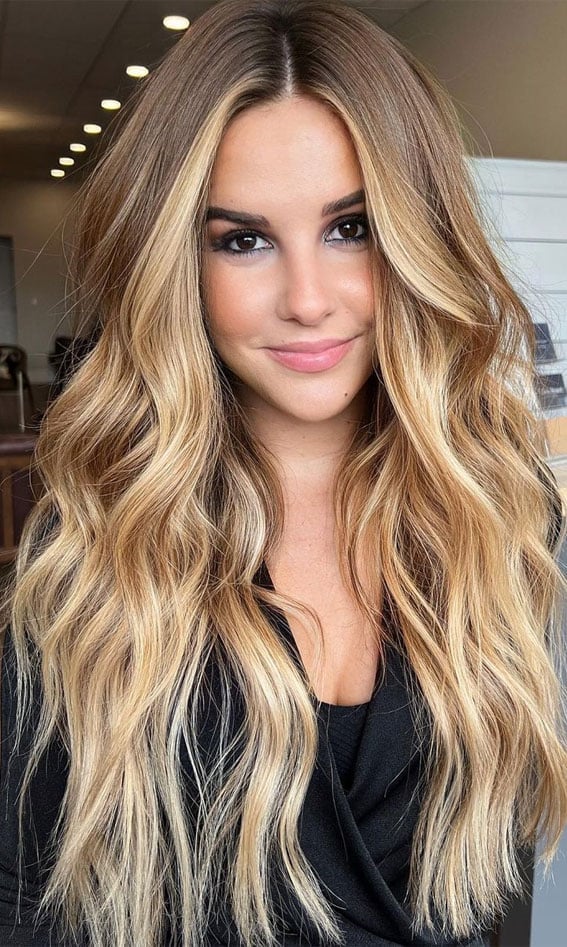
Balayage starts at the mid-lengths and concentrates color toward the ends, which is exactly what happens here. A brown blonde base keeps the root natural while significant blonde balayage lifts the mid-back length. Face-framing pieces are painted lighter to draw attention to the front, and a side parting breaks up the symmetry.
Ask your colorist for: mid-back brown blonde with significant blonde balayage, face-framing pieces. The technique avoids a harsh line of demarcation, so the grow-out is softer than traditional foils. Thick, wavy texture benefits from the layers, which prevent the hair from sitting too heavy at the bottom.
Pure White Blonde With Root Shadow
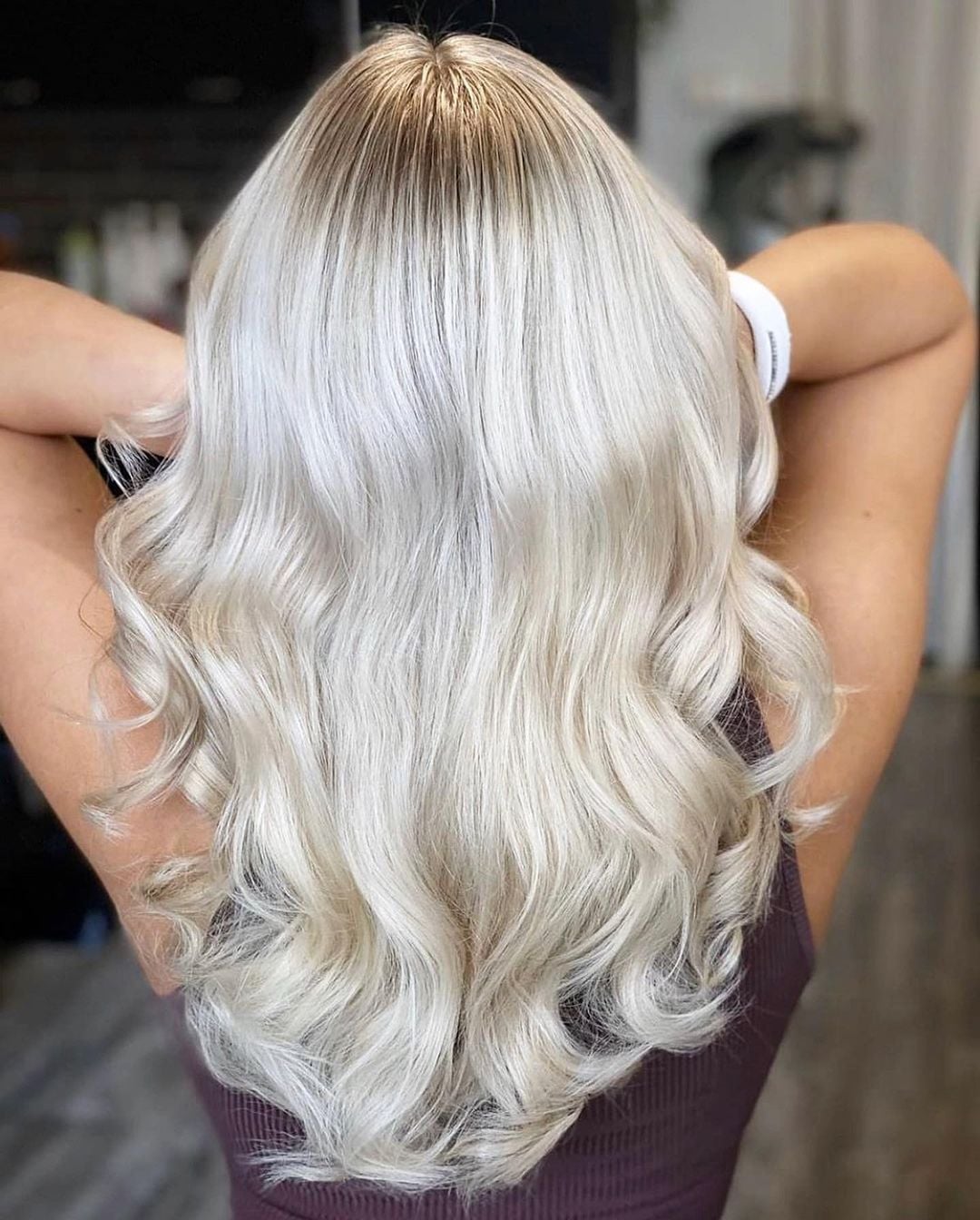
Can you handle a shade that demands a purple shampoo in your shower rotation? Pure white blonde is the most high-maintenance option here, but a subtle root shadow buys you a few extra weeks between touch-ups. The mid-back layers and loose waves keep the look from feeling severe, which a solid white tone can do on straight hair. Medium density works well because the color reflects light and creates the illusion of more volume. Ask your colorist for: mid-back pure white blonde with root shadow, loose waves. The root shadow should be about half an inch of soft dark blonde, not a harsh line.
Soft Sand Blonde Balayage Blowout
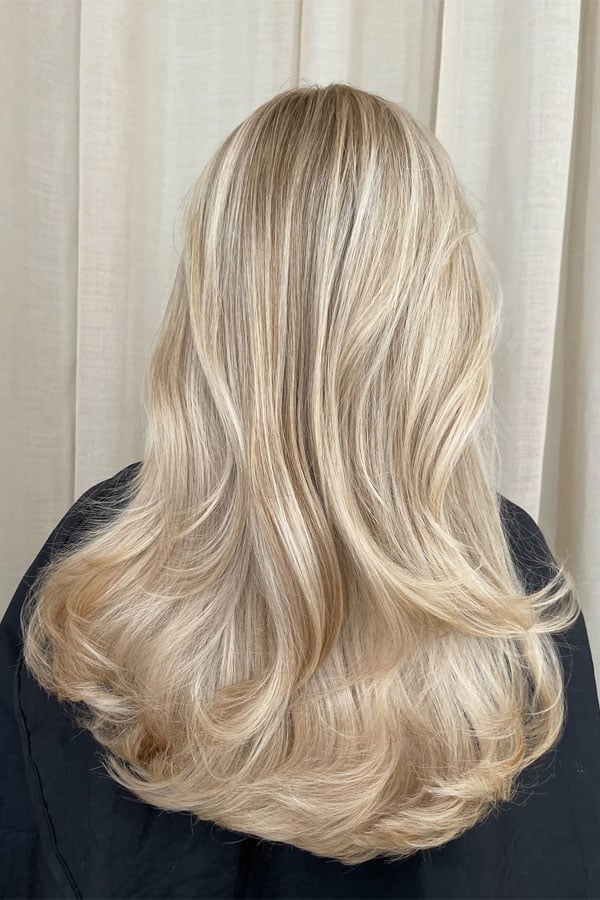
A layered blowout on thick, wavy collarbone-length hair gives the soft sand blonde balayage a polished finish that holds shape without fighting your natural texture. Ask your colorist for: collarbone soft sand blonde balayage layered blowout. Use a volumizing spray at the roots before blow-drying to keep the lift from falling flat by midday. The balayage grows out gently, so you can stretch touch-ups to every 10-12 weeks rather than the standard eight.
Honey Blonde Balayage Collarbone Layers
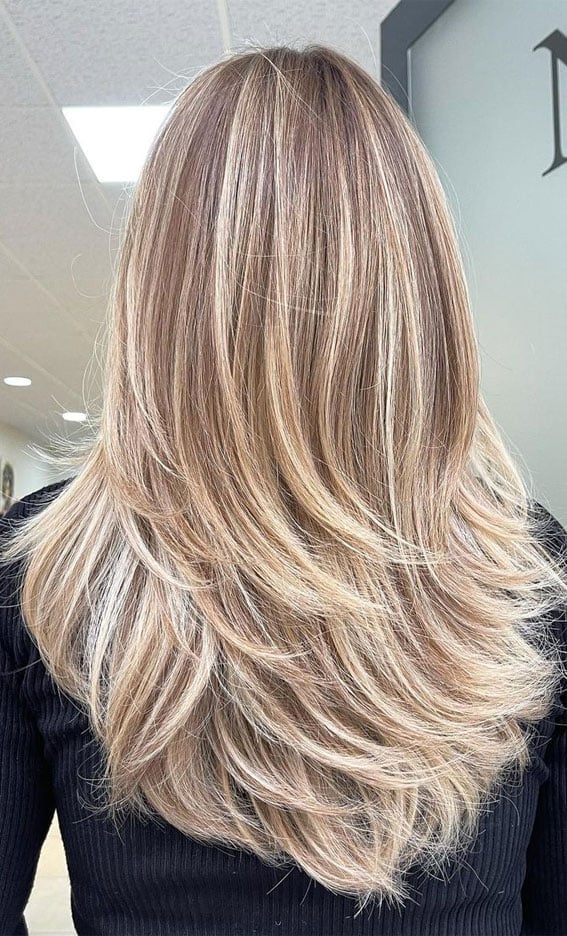
The honey blonde balayage on collarbone-length layers creates depth by weaving lighter tones through a darker base, so the color reads dimensional even when the hair is down. Ask your colorist for: collarbone honey blonde balayage with layered blowout. Thick, wavy texture benefits from the internal layers, which keep the shape balanced. A lightweight serum on the ends keeps the blowout sleek without weighing down the roots.
Honey Blonde Balayage Lob With Classic Bangs
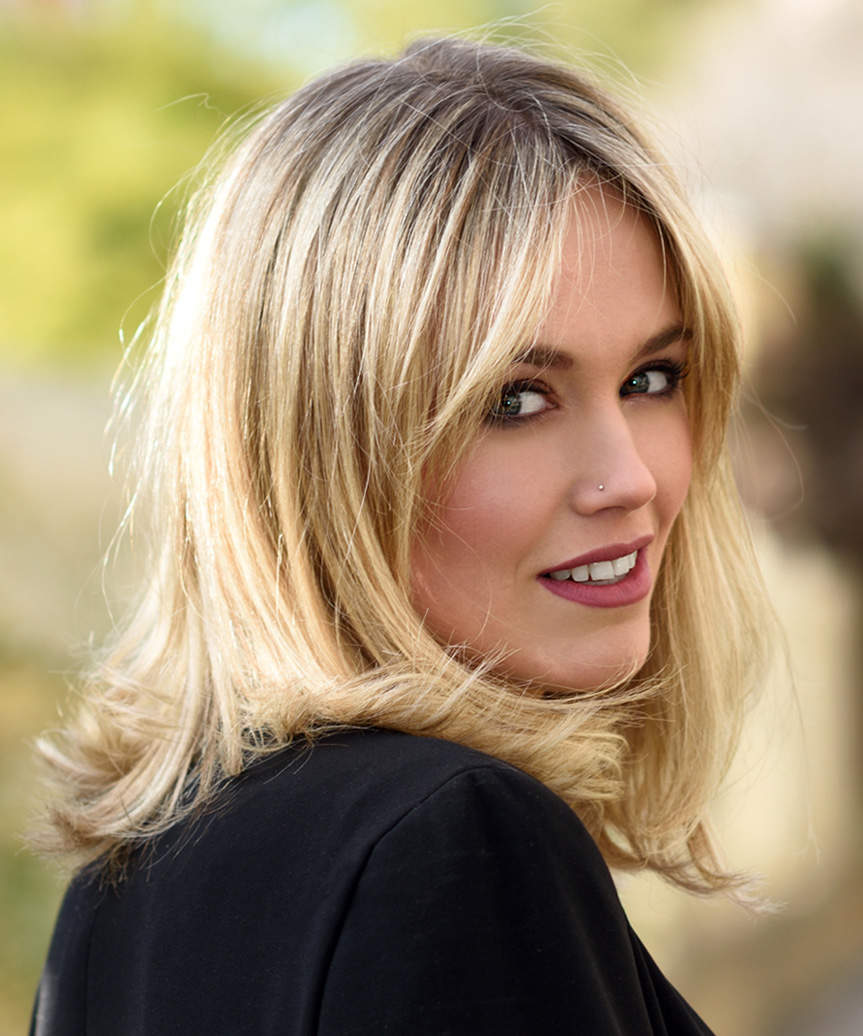
Can a lob with classic bangs carry you through both a work presentation and a weekend dinner? This one can. The honey blonde balayage on a shoulder-length lob keeps the color low-maintenance, while the classic bangs frame the face without demanding constant trimming. Thick, wavy texture gives the soft blowout natural body, and the middle parting keeps it modern. It is a shape that works in a boardroom or a booth, and the balayage means the grow-out is as forgiving as it gets.
Platinum Blonde Bob With Side-Swept Bangs
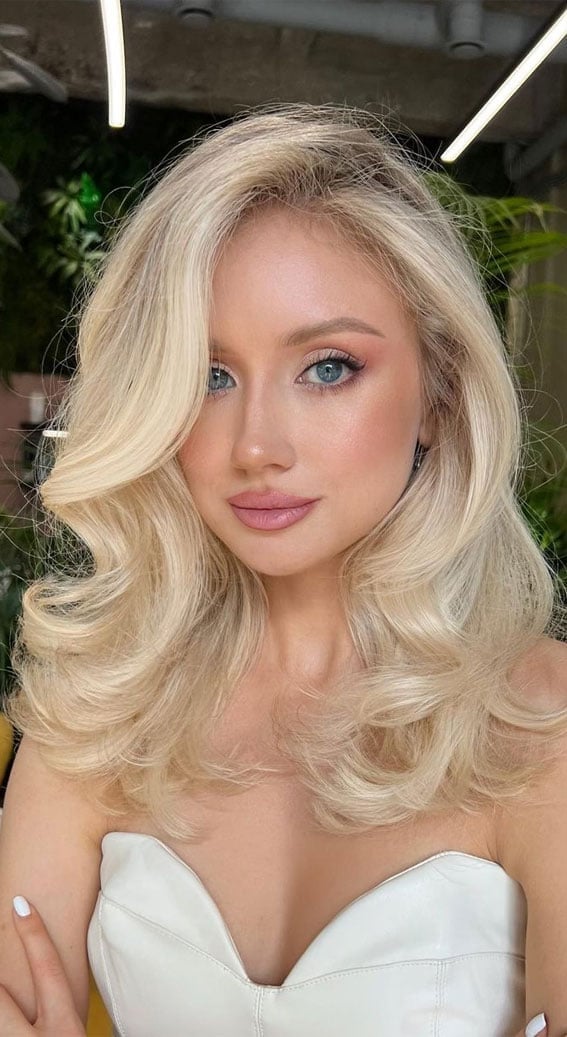
A collarbone-length bob with side-swept bangs in bright platinum blonde lands somewhere between a classic bob and a more relaxed, voluminous shape. The root shadow stops the platinum from feeling flat, which is the main risk with a solid light shade. Thick, wavy hair takes well to the voluminous blowout with soft curls, and the side-swept bangs soften the line for square or angular face shapes. This is the bob that says you put in effort, just not too much.
Sharp Platinum Blonde Blunt Bob With Blunt Bangs
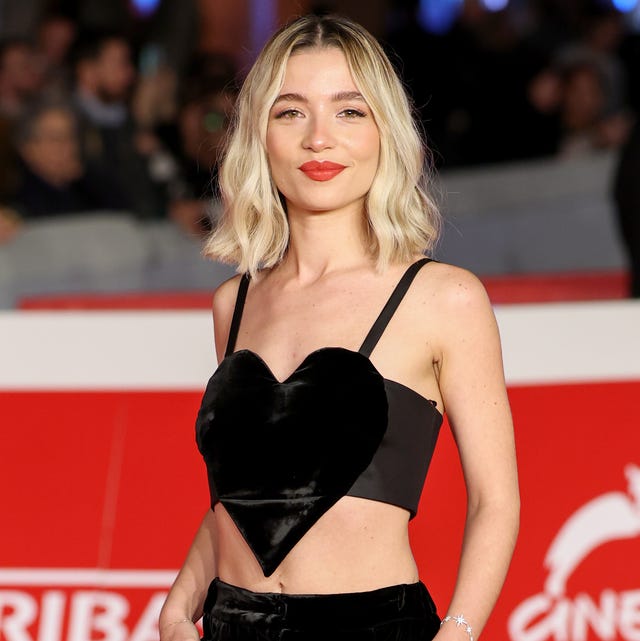
Fine, straight hair is the ideal canvas for this shape, as the blunt ends create the illusion of density. Ask your stylist for: chin-length platinum blonde blunt bob with blunt bangs. The honest drawback is upkeep: blunt bangs need trimming every four weeks, and the bob itself requires a visit every six to eight to keep the line sharp.
Cool Platinum Blonde Bob
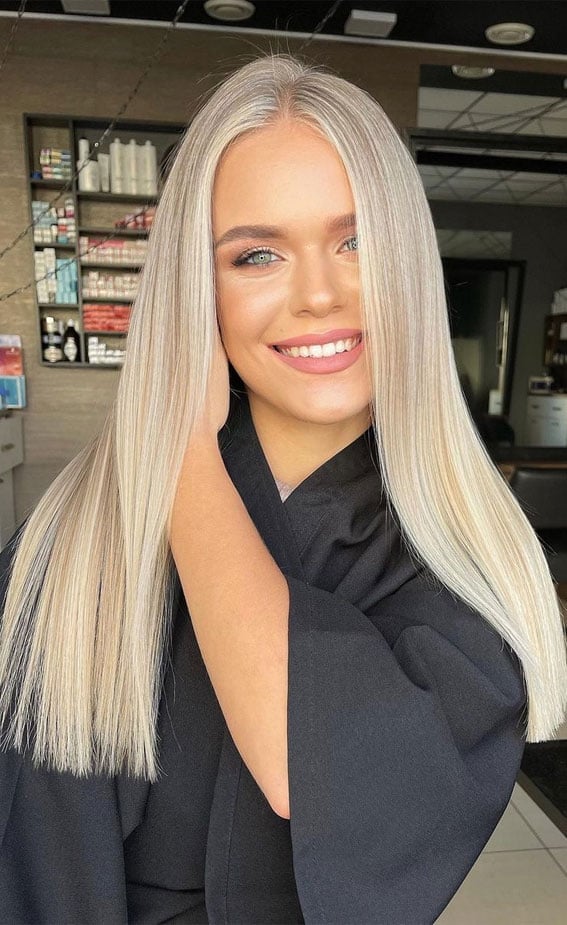
A chin-length bob in a cool-toned platinum blonde with ash undertones is a study in precision. The straight, fine texture and middle parting create a clean line that elongates round faces. Ask your colorist for: chin-length cool platinum blonde bob. Fine, straight hair at this length holds the shape best without puffing out at the ends.
That uniform platinum shade requires vigilance. A toning appointment every four to six weeks keeps the ash undertone from warming up, and a flat iron with a heat protectant is necessary for the smooth finish. It is a high-maintenance look, but the color stays cool and polished rather than warm or faded.
Platinum Blonde Bob With Ash Highlights
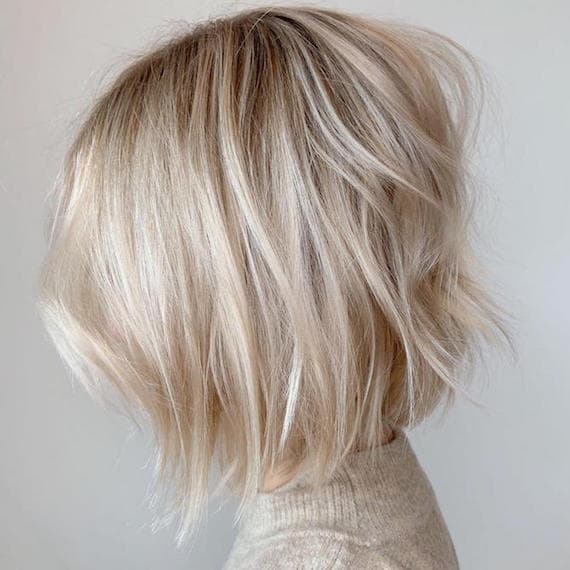
An ear-length bob in platinum blonde gains dimension from ash blonde highlights woven through the top layers. The side parting and textured, slightly messy blowout keep the cut from looking severe, which is a risk with short, light hair. Ask your colorist for: ear length platinum blonde bob with ash highlights, textured blowout. A texturizing paste or spray helps recreate the piecey finish at home. The grow-out is forgiving because the highlights blend into the base, but a trim every six to eight weeks is non-negotiable to keep the bob from turning into a mullet.
Platinum Blonde Pixie With Shaved Sides

A pixie cut with shaved sides is already a statement, but a platinum blonde with ash undertones pushes it further. The short fringe and fine, straight texture keep the look neat rather than severe. Ask your stylist for: platinum blonde pixie cut with shaved sides and short fringe. This is a salon-only service: the shaved sides require a clipper, and the platinum shade needs a professional lightener to lift evenly without damage. A wax or pomade gives the top some separation, but the real commitment is the four- to six-week trim rhythm to keep the shape sharp.
Silver-Grey Blonde Bob With Soft Waves
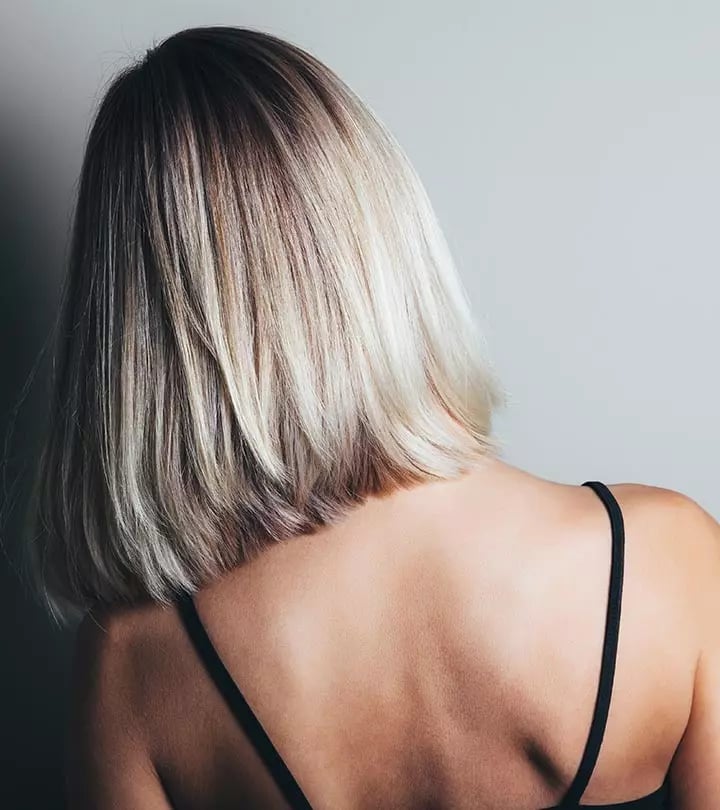
Is a silver-grey blonde bob a winter or a summer color? The answer is both, if you are willing to maintain the cool tone. A collarbone-length blunt bob with a root shadow transitioning into ash blonde balayage creates soft dimension without the stripe effect of traditional highlights. Ask your colorist for: collarbone ash blonde balayage blunt bob with root shadow. The fine, straight texture and middle parting give the back view a sleek, polished line. A purple shampoo used twice a week keeps the silver from turning brassy, and a trim every six to eight weeks preserves the blunt edge. This works for work, a wedding, or a Tuesday that needs a lift.
Ash Blonde Balayage On A Blunt Bob
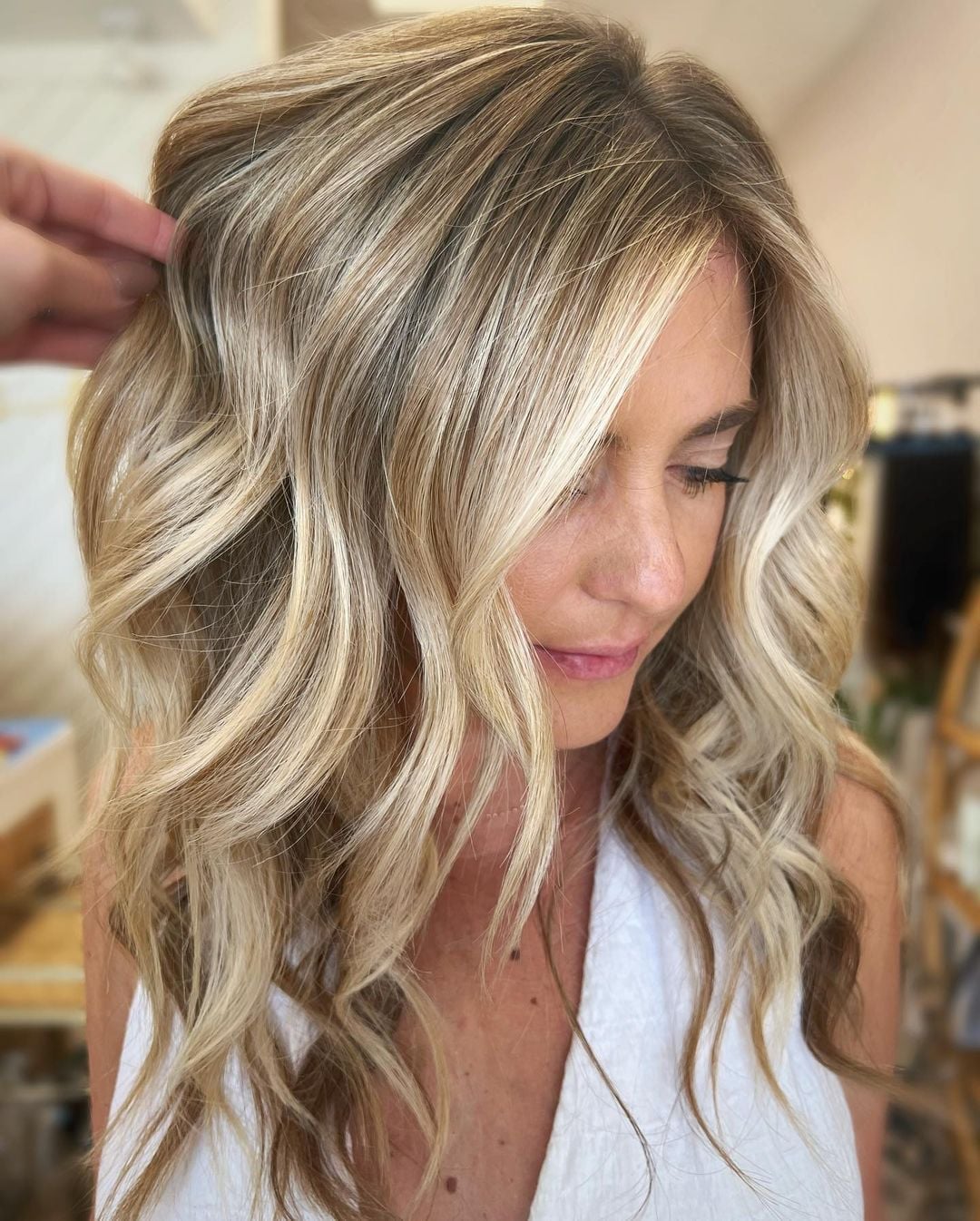
A collarbone-length blunt bob with a honey blonde balayage is a study in controlled warmth. The thicker, wavy texture and middle parting give the front view a soft, lived-in feel. Ask your colorist for: collarbone honey blonde balayage blunt bob with root shadow. The honest trade-off: honey tones can pull brassy faster than ash, especially on a base that was lifted to a warmer level. A purple shampoo is not enough here, you need a blue-toned one to neutralize orange. The blunt cut makes every split end visible, so a trim every six to eight weeks is non-negotiable. If you cannot commit to that rhythm, skip this one.
Final Thoughts
For fine hair, keep one blunt baseline and skip heavy layers to avoid a stringy finish. Thick hair can handle more layering and blended highlights for softness without losing shape.
- Schedule toning treatments every 6-8 weeks to maintain cool blonde tones.
- Deep condition weekly to combat dryness and brassiness in blonde hair.
- Use heat protectant spray before styling to shield color-treated hair.
- Trim split ends every 8-10 weeks to preserve cut integrity and shine.
Find your signature blonde with these inspiring looks.