
Braided locs are a study in controlled texture, offering the structure of a braid with the weight of a loc. The current shift is toward softer finishes, with lived-in color and face-framing details replacing uniform, rigid lines.
This collection of 27 looks covers the range from quick, protective styles to intricate, occasion-worthy updos. The Classy Braids Locs here suit all hair densities and face shapes, with options for short and long starting lengths. If your fine locs tend to feel flat or your go-to style shows a grow-out line too fast, these ideas offer a practical fix.
Intricate Braided Locs Updo With Middle Part
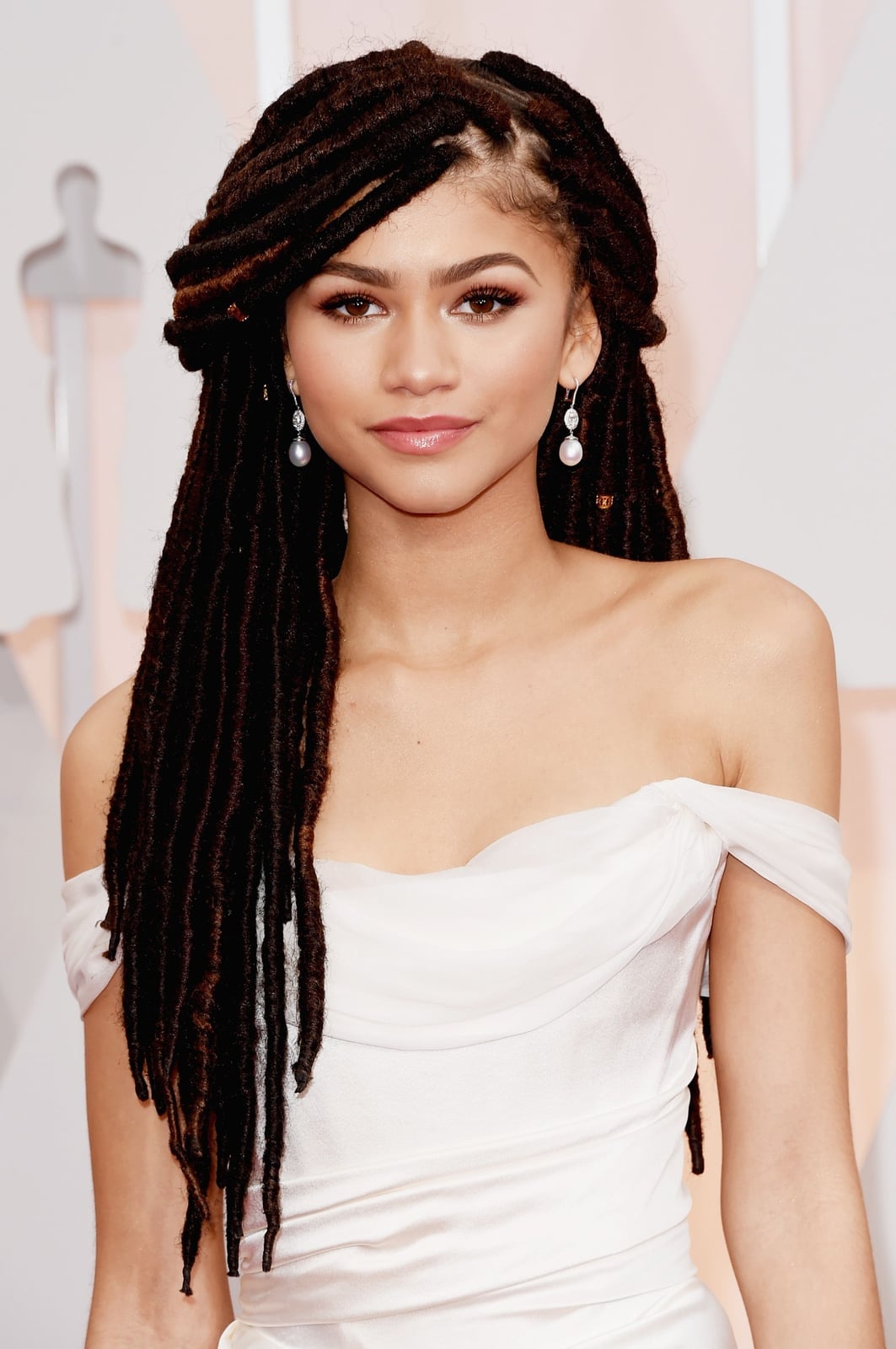
This updo treats every loc as a building block, weaving them into a structured crown that sits above a precise middle part. The coily, thick texture is what makes the braiding hold its shape without slipping, and the dark brown color keeps the detail visible rather than lost in contrast. Thick, coily locs of mid-back length or longer are the starting point here; oval and heart-shaped faces benefit from the vertical lift. Ask your stylist for: intricate braided locs updo with a middle part. The construction relies on careful pin placement and a light-hold spray to keep everything anchored through a long evening.
Sleek Shoulder-Length Straightened Locs
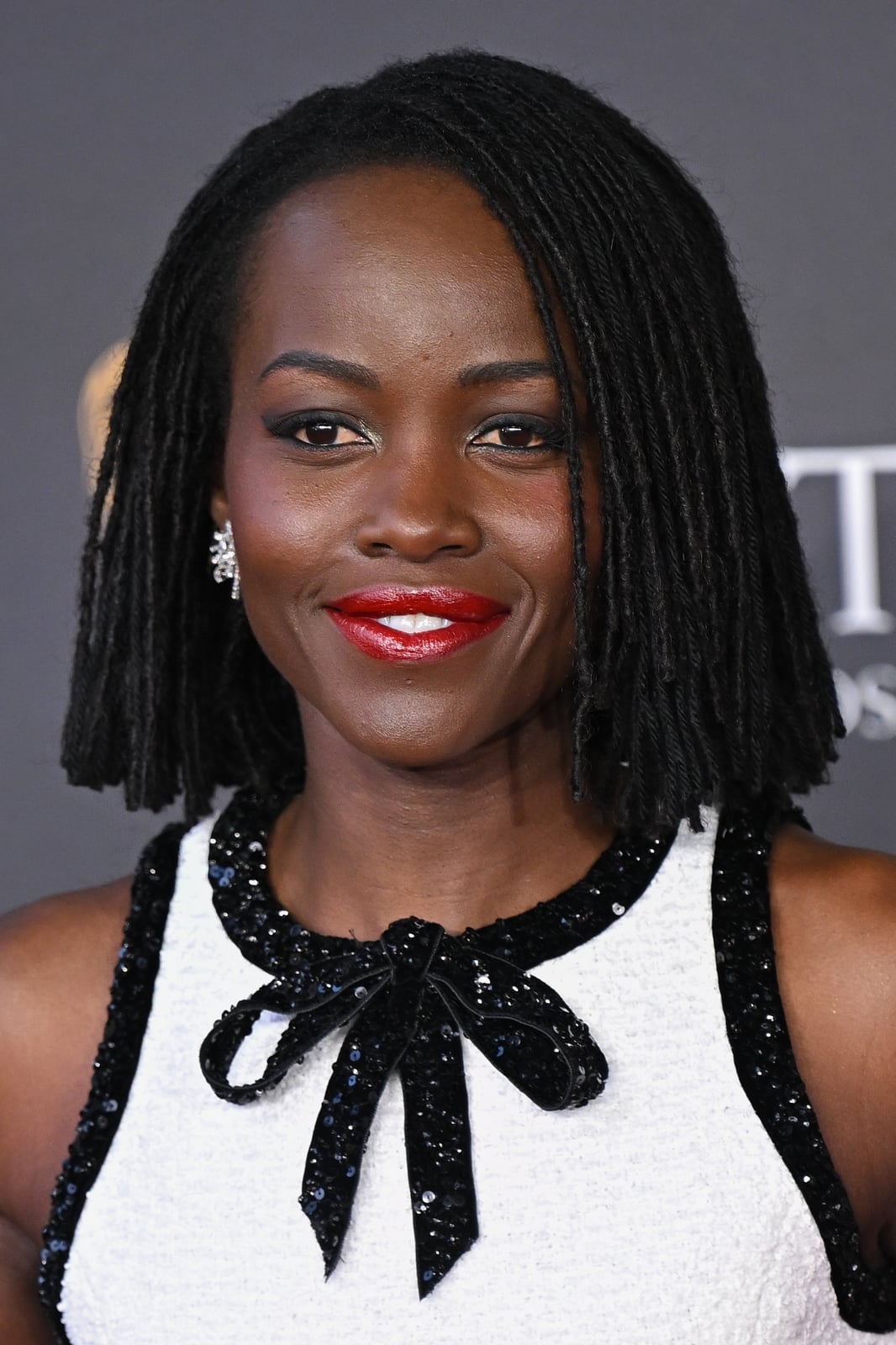
Where the natural coily texture of locs gives volume, straightening them trades that for a mirror-smooth surface and a clean, uniform line. This shoulder-length version with a middle part suits medium-density locs and works well for elongating round or square faces. Ask your stylist for: sleek, straightened shoulder-length locs with a middle part. A heat protectant is required before each pass, and a silk press every few weeks keeps the ends from reverting too quickly.
Mid-Back Black Box Braids With Beads
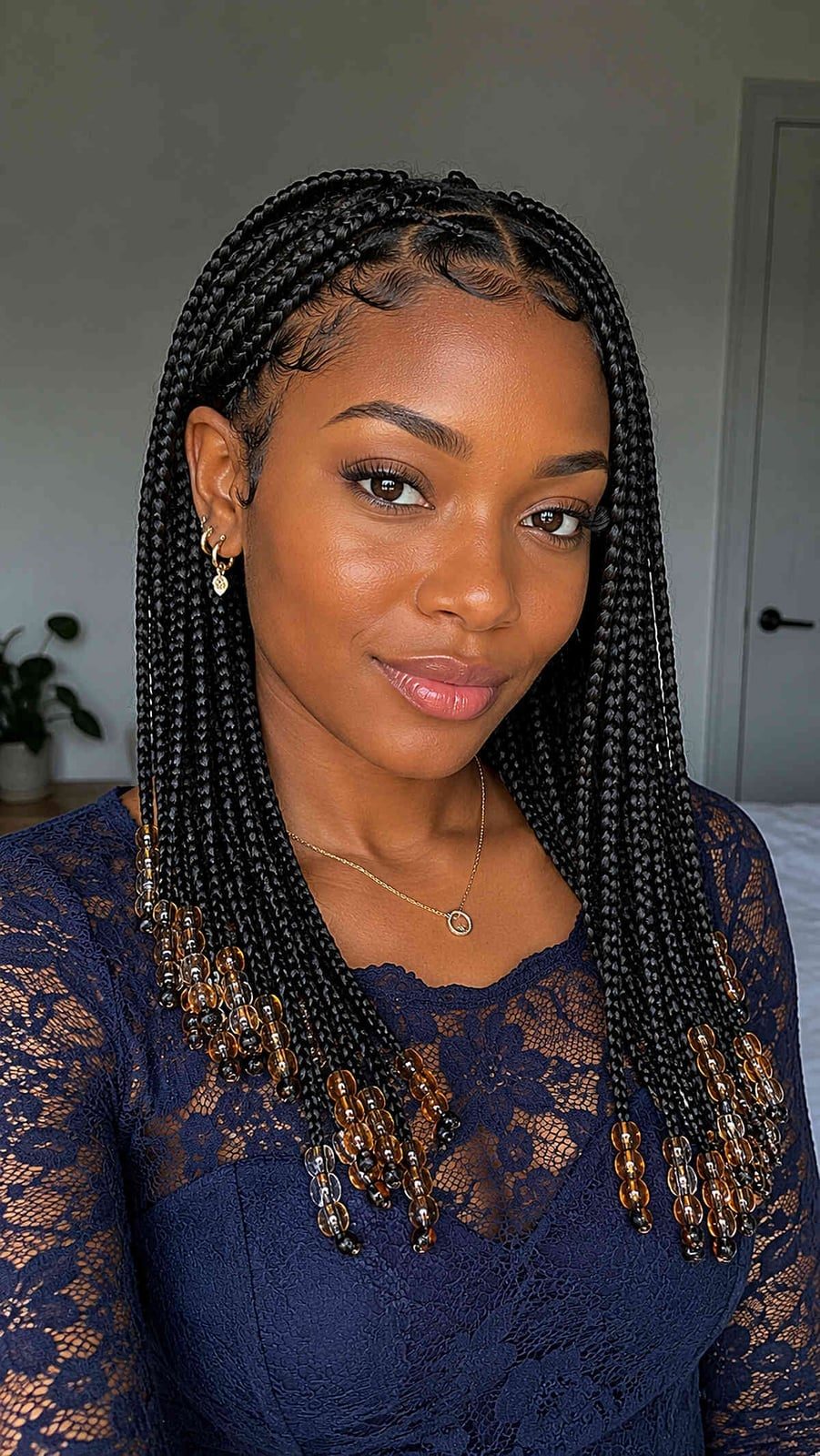
How do you ask for a finish that looks this intentional without sounding like you are reading a script? Start with the length and the beads, then let the stylist handle the rest. These are mid-back black box braids with a middle part, each strand capped with a small decorative bead and the hairline finished with defined baby hairs. Ask your stylist for: mid-back black box braids with decorative beads.
Thick, straight hair that reaches at least mid-back is the ideal canvas. The beads add weight to the ends, so secure them tightly during installation. Refresh the baby hairs daily with gel and a fine-tooth comb to keep the line crisp.
Long Loose Wavy Butterfly Locs
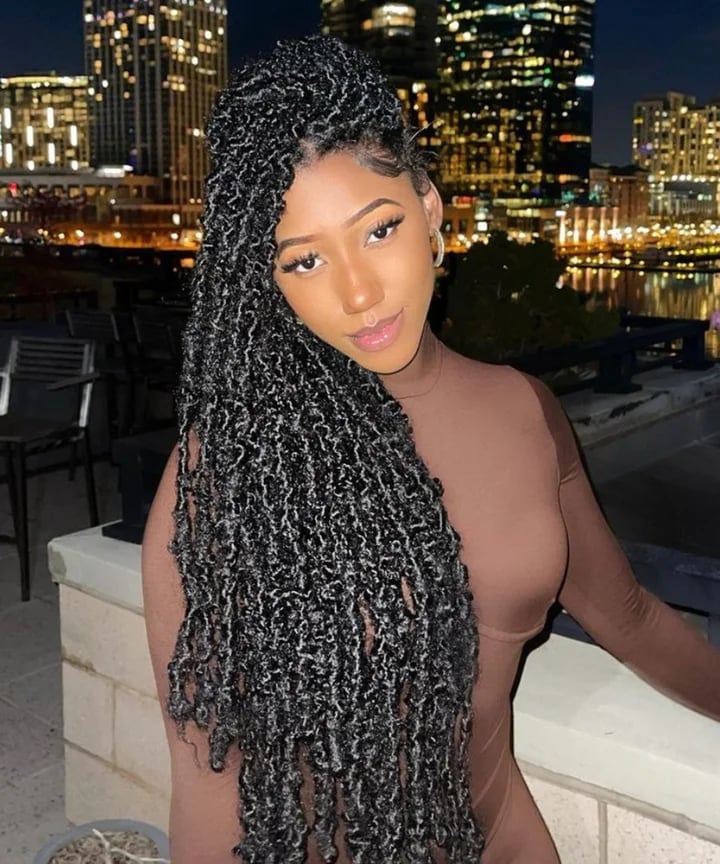
Butterfly locs rely on a wrapping technique that leaves the hair inside slightly loose, which is how they get that soft, wavy silhouette rather than a rigid tube. The side part here lets the length fall forward on one side, creating a dramatic volume that fine to medium hair types can borrow without adding real weight. Ask your stylist for: long, loose wavy butterfly locs with a side part.
Starting length should be shoulder length or longer to get the full cascade. To keep the wave pattern from matting, gently separate the locs every few days and use a light serum on the ends only. Frizz is part of the texture, not a sign of failure.
Defined Wavy Locs Collarbone Length
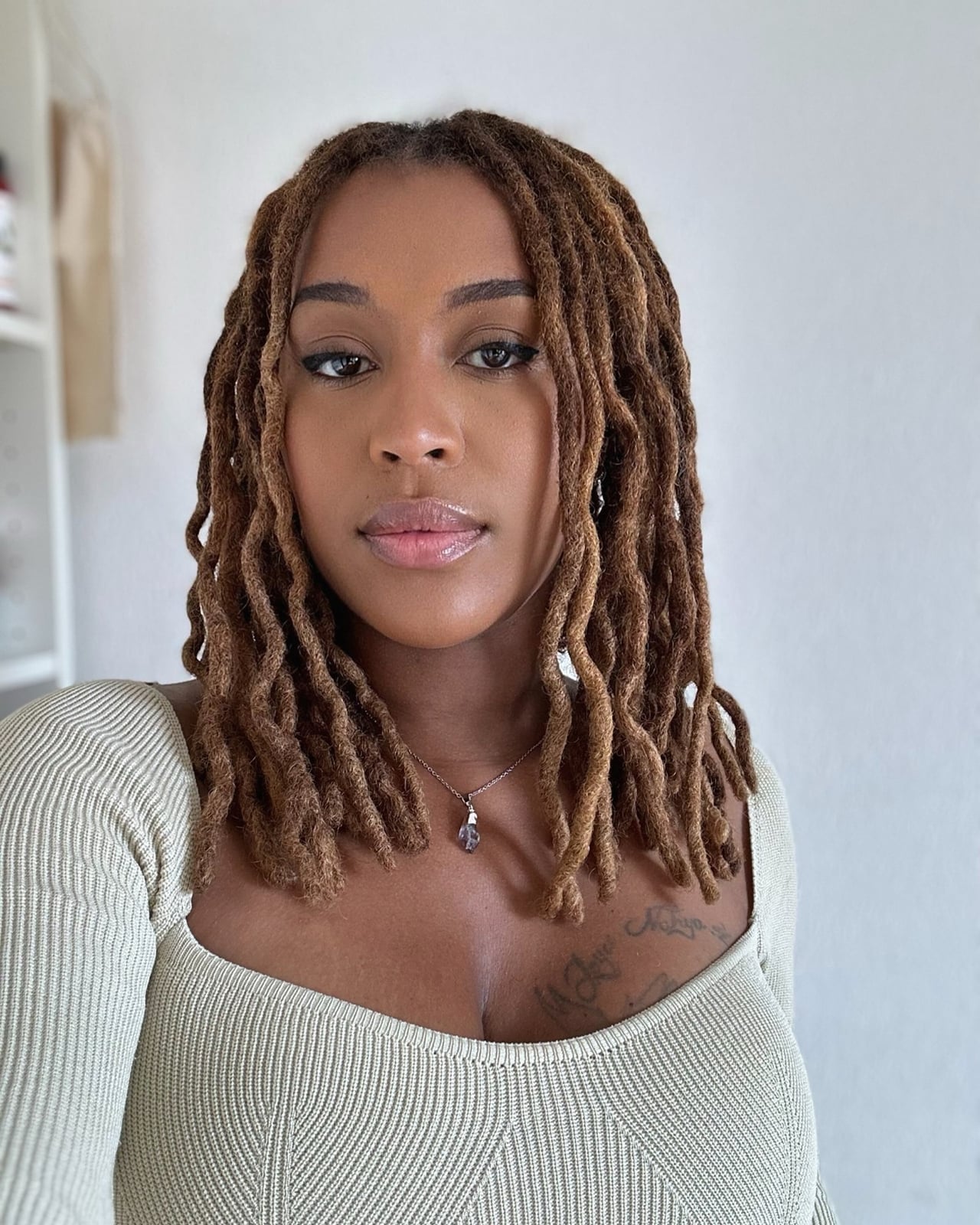
At collarbone length, defined wavy locs hit a sweet spot between short and long, but the highlights are the detail that stops the texture from reading as one solid block. The medium brown base with subtle lighter strands adds depth without a full color commitment. Thick, wavy locs starting at shoulder length suit this style best, and the soft waves help square and round faces appear less angular. Ask your stylist for: collarbone length wavy locs with subtle highlights. The trade-off: defined waves need regular separation to avoid fusing at the roots, so plan for a maintenance appointment every few weeks.
Neat Shoulder-Length Faux Locs With Burgundy
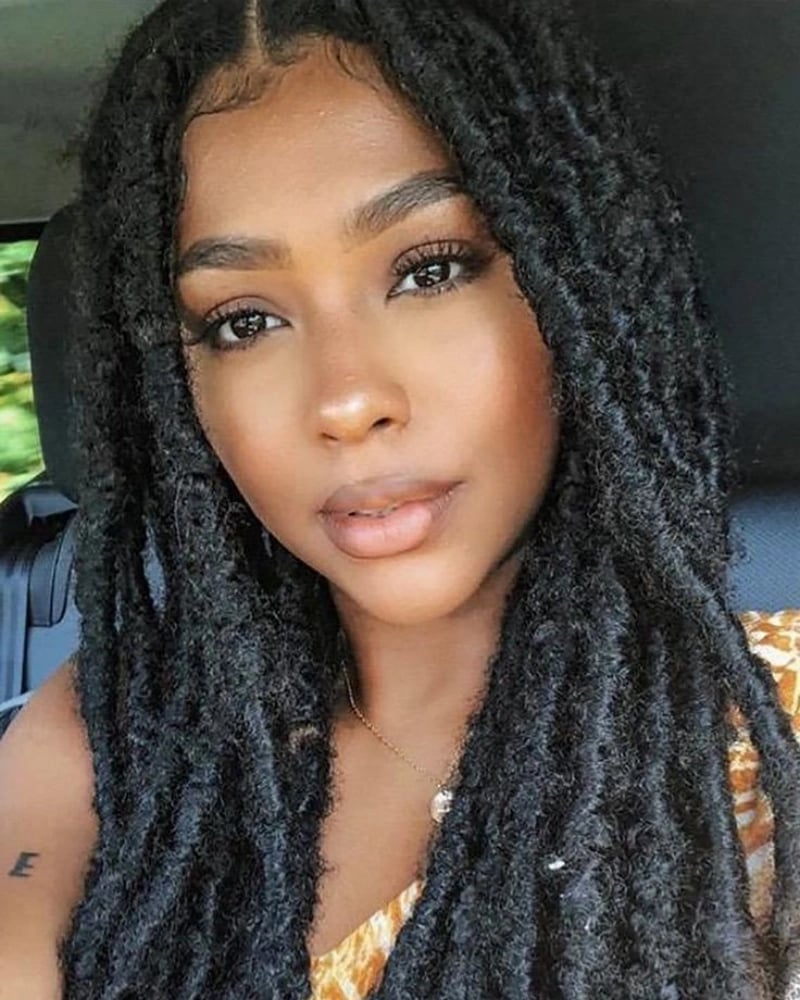
These are not the box braids you wore to sixth grade. Shoulder-length faux locs in a black base with subtle burgundy highlights read as deliberate, not leftover. The wavy texture and neat braiding keep the line clean, so it works for a work presentation and a Friday evening dinner. Ask your stylist for shoulder-length faux locs with subtle burgundy highlights. Medium-density hair starting at shoulder length gives the neatest result. A lightweight oil keeps the synthetic strands from drying out, and salon touch-ups land around every eight to ten weeks.
Collarbone Length Locs In Vibrant Red
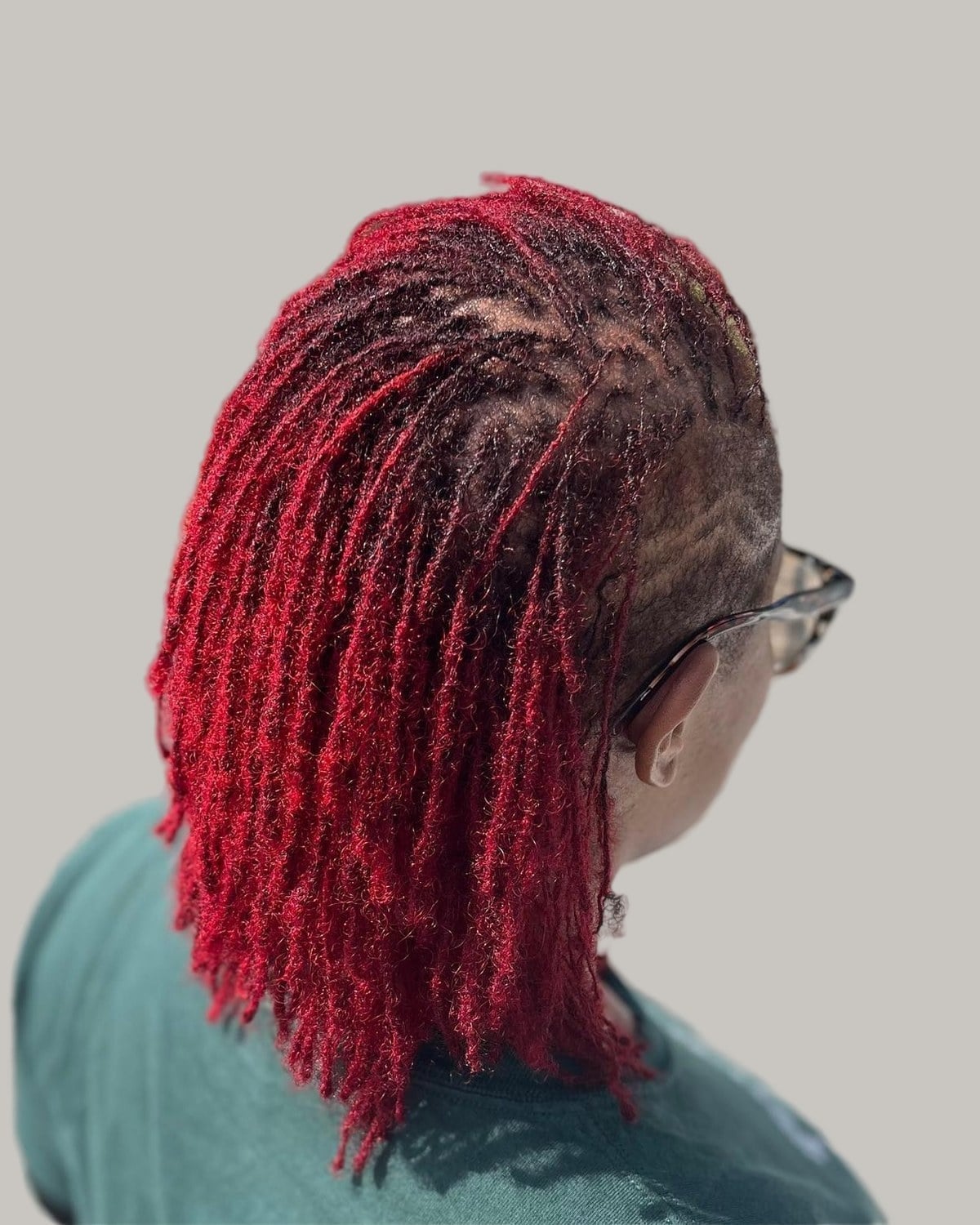
Red hair requires a certain willingness to be seen, and this collarbone-length version of thick, braided locs leans into that. The darker roots create contrast, so the color reads as a choice, not a fade. Thick locs at collarbone length hold the braids well, and the middle parting keeps the symmetry clean. Ask your colorist for collarbone length locs with vibrant red color. A color-safe shampoo and conditioner are required; plan a refresh every six to eight weeks to keep the red from pulling orange.
Elegant Locs Updo With Pearl Embellishments
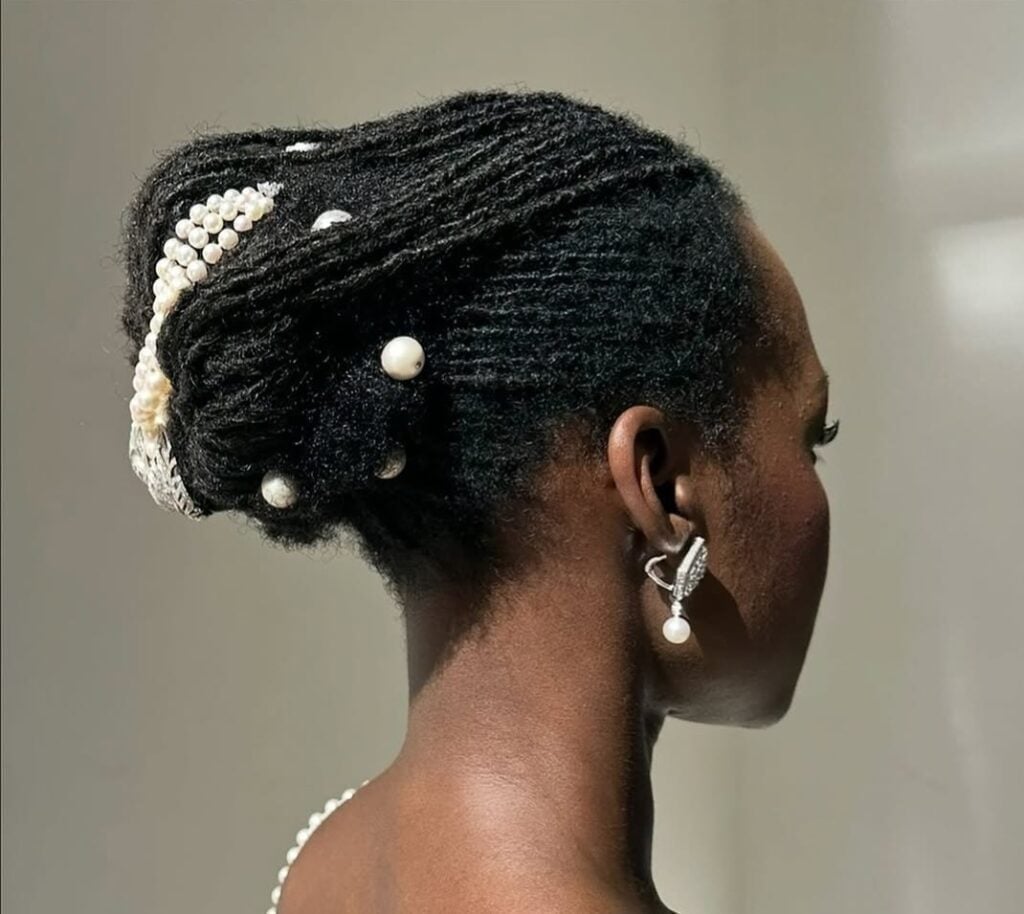
An updo that incorporates pearl and bead embellishments requires the locs to be woven, not just pinned. The pearls sit between the twists, so the hair itself does the holding. This works best with medium to long locs that have enough weight to stay wrapped. Ask your stylist for an elegant locs updo with pearl and bead decorations. The beads need careful handling during styling and sleep, and a strong-hold hairspray on a brush keeps flyaways from competing with the pearls. This is not a five-minute style, but it holds through an entire wedding reception.
Intricate Locs Updo With Highlight Dimension
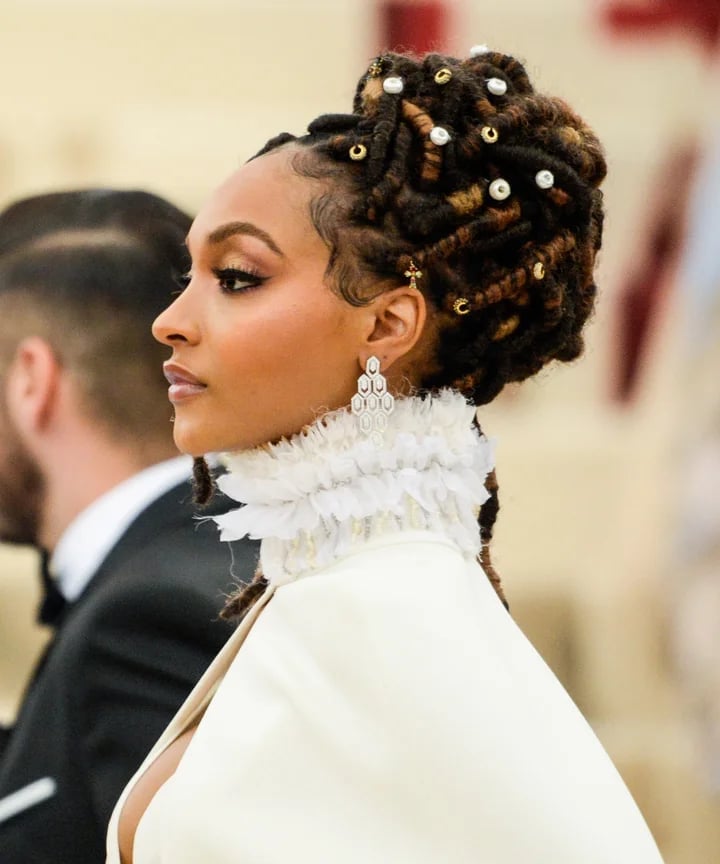
An all-over highlight on locs can appear flat, but this updo uses blonde pieces against a rich brown base to give the braids depth. The decorative beads and pearls catch the lighter strands, so the color does the work of creating texture. Locs at mid-back length or longer with medium to thick density carry the dimension best. Ask your colorist for an intricate locs updo with braided detail and highlights. A color-depositing conditioner in a cool blonde tone keeps the highlights from warming up, and a tight pinning job means this updo lasts a full evening without fading.
Half-Up Half-Down Locs With Color Dimension
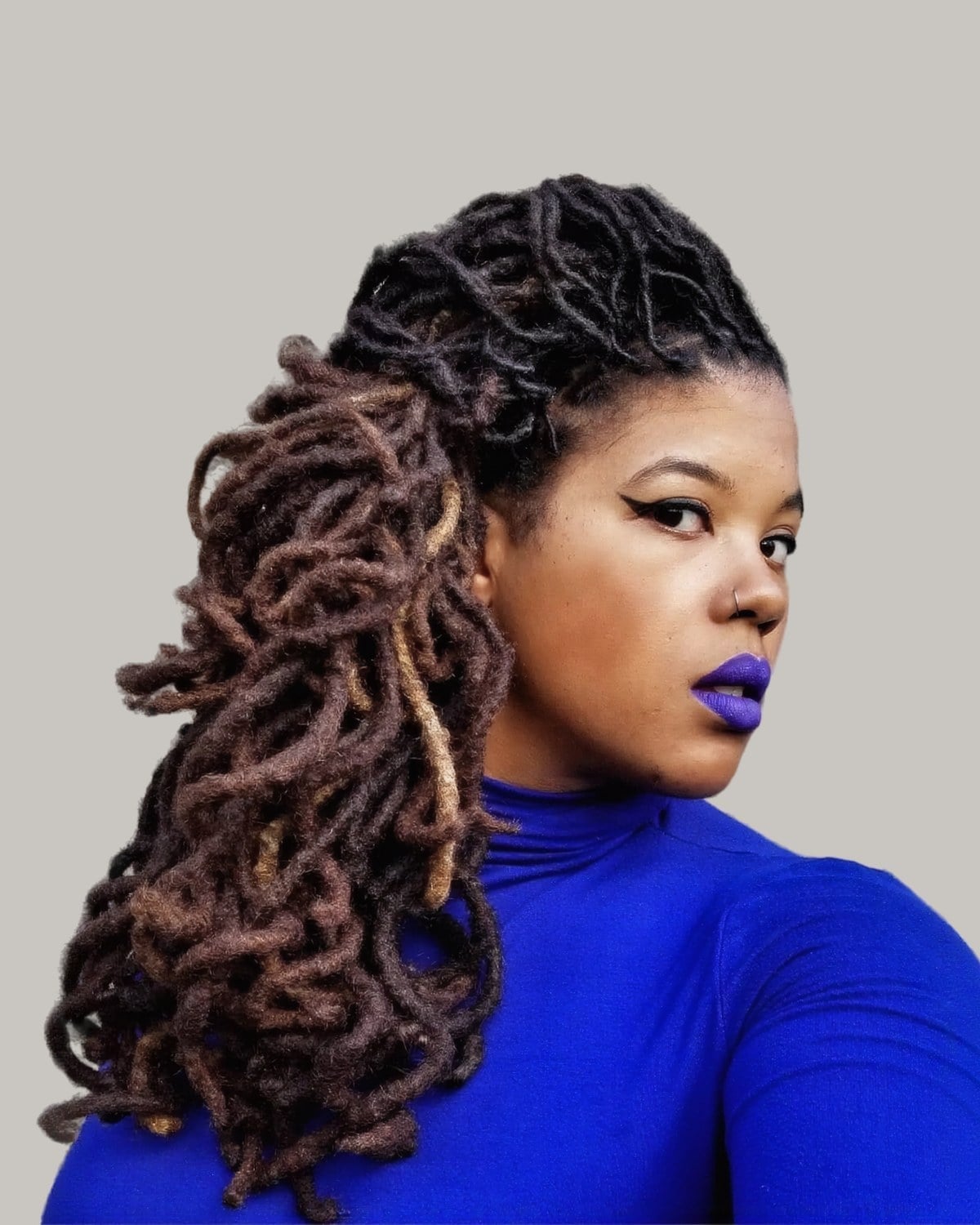
Does the half-up half-down style look polished, or does it just look like you got tired halfway through? With thick, coily locs and blonde and auburn highlights against a dark brown base, the answer is the former. The middle parting keeps the top section clean, and the lower locs cascade to mid-back to show off the color depth. Thick, coily locs at mid-back length or longer give the style enough weight to hold the half-up section without slipping. Ask your colorist for half-up half-down locs with multi-dimensional color. A satin scrunchie prevents breakage at the tie point, and a color refresh every six to eight weeks keeps the auburn and blonde from muddying together.
Long Wavy Faux Locs With Blonde Highlights
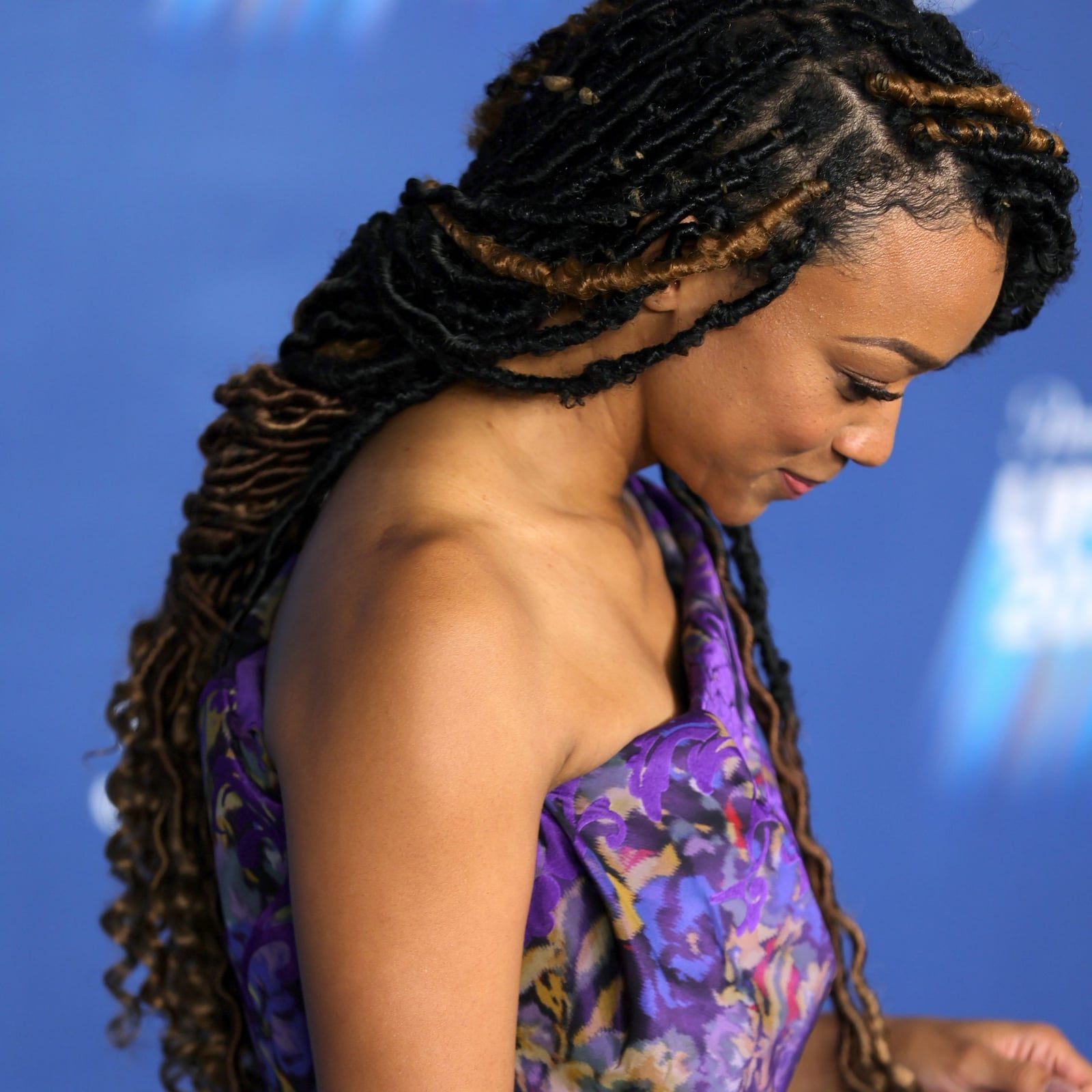
Faux locs at this length have a weight that pulls on the scalp, so the braiding needs to be neat but not tight enough to stress the roots. The blonde highlights here lift the base black shade into a dimensional effect that avoids a flat look. Adding color to a long installation creates that contrast. Ask your stylist for: long braided faux locs with blonde highlights.
Wavy texture helps the locs move together instead of clunking against each other, and a middle part keeps the volume distributed evenly. A light serum brushed over the length controls the flyaways that long faux locs naturally develop at the ends. Expect to re-braid the perimeter every few weeks as the new growth softens the part lines.
Braided Locs With Brown Highlights And Beads
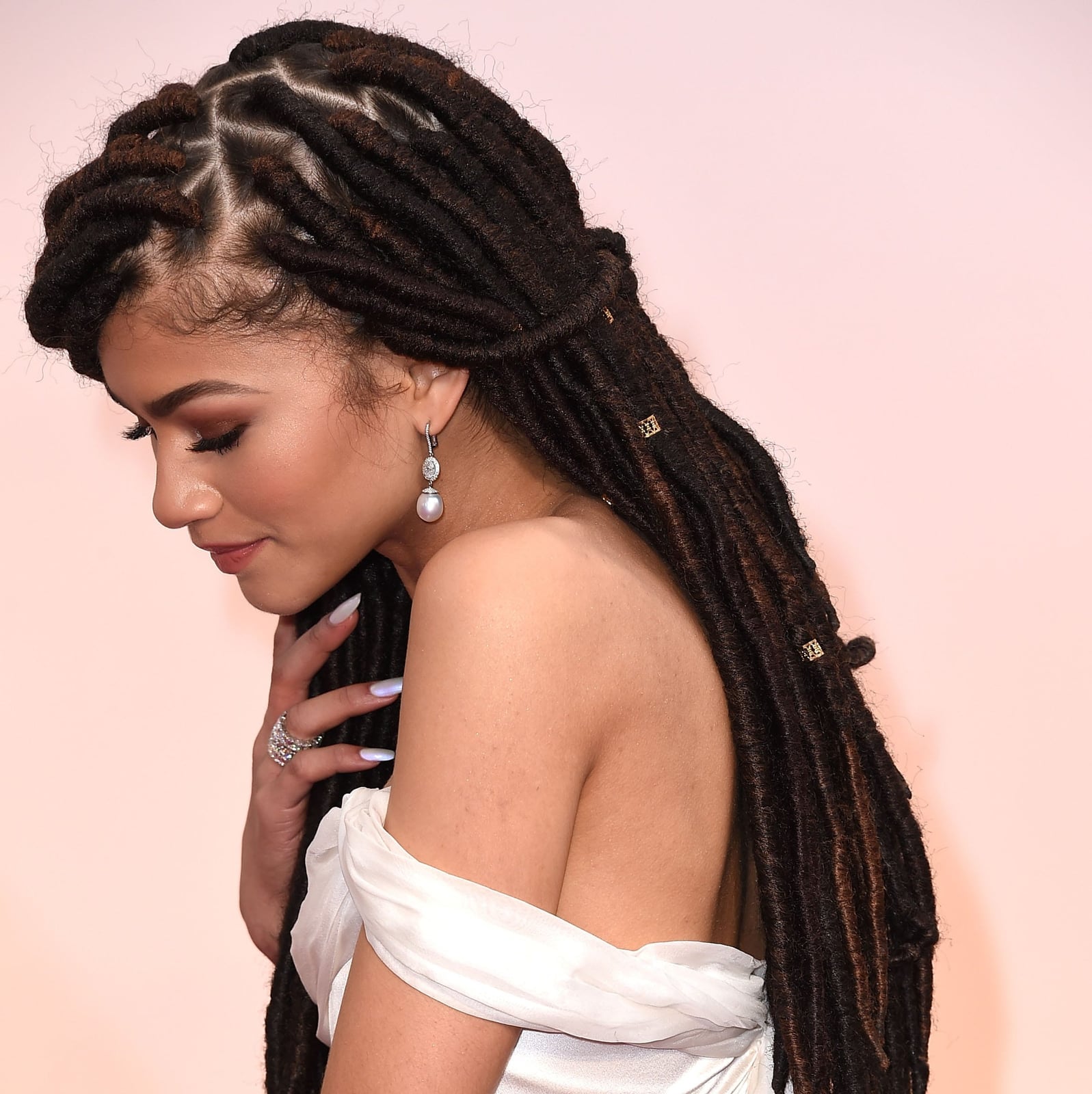
What exactly do you say to get beads that look placed and not random? Ask your stylist for: braided locs with brown highlights and decorative beads. The brown highlights here are subtle enough to mimic a natural shadow, so the beads, small, spaced evenly along a few locs, become the accent. A middle part keeps the symmetry clean, and the wavy texture lets the beads catch light without looking stiff. Specify metal or matte beads depending on your preference for shine or a flat finish, and request that they be clamped onto locs that are fully dry to avoid slippage.
Mid-Back Butterfly Locs With Loose Strands
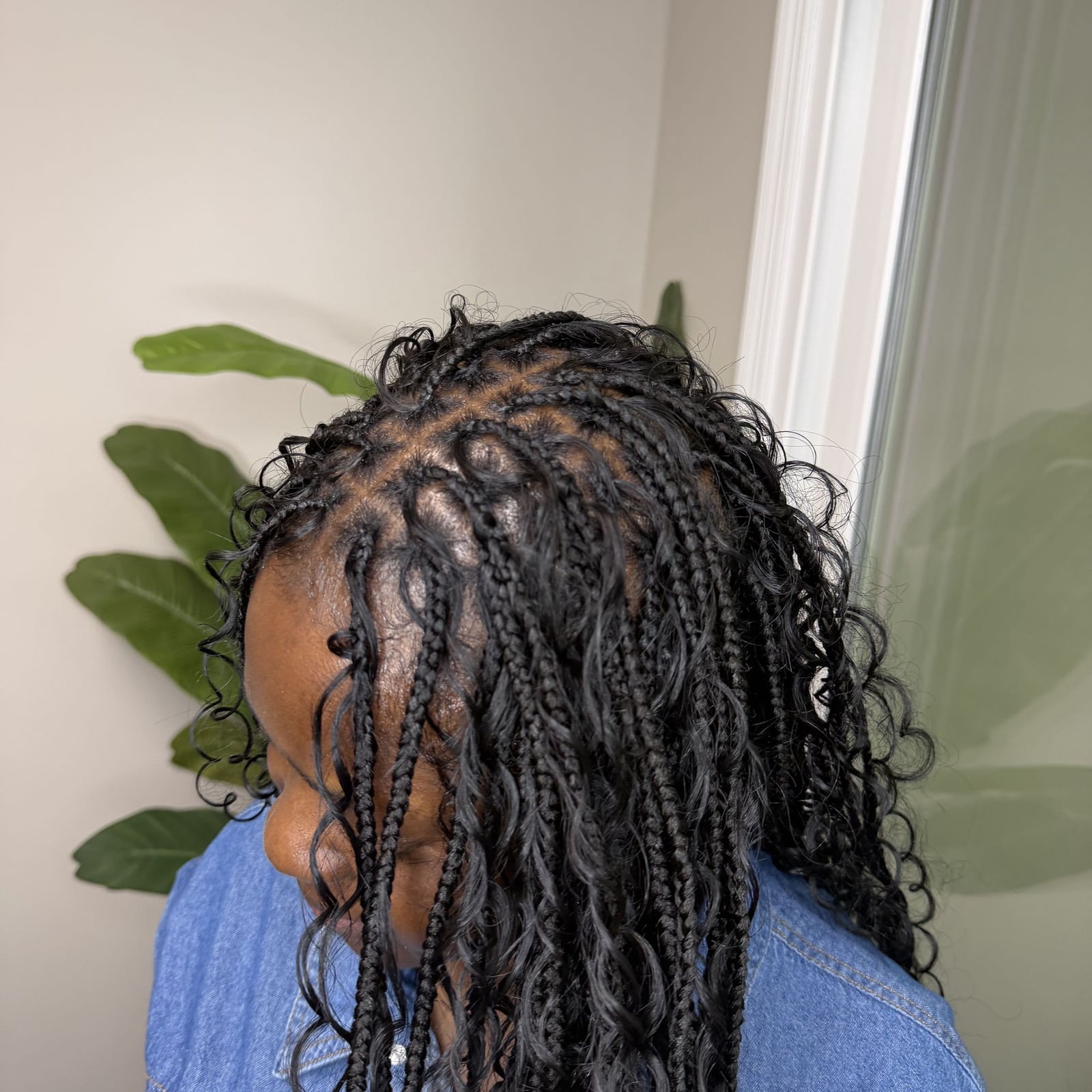
Butterfly locs build volume by wrapping hair around the base, and the loose strands here are the feature that gives the style its softness, but those same strands are also what will frizz first. A side part helps the wavy texture fall in one direction, which keeps the undone look from sliding into messy. Ask your stylist for: mid-back butterfly locs with loose strands and a side part. The honest trade-off is that you will spend a few minutes each morning finger-coiling the loose pieces back into place, because air and sleep will pull them out of their intended line.
Short Natural Curly Brown Locs
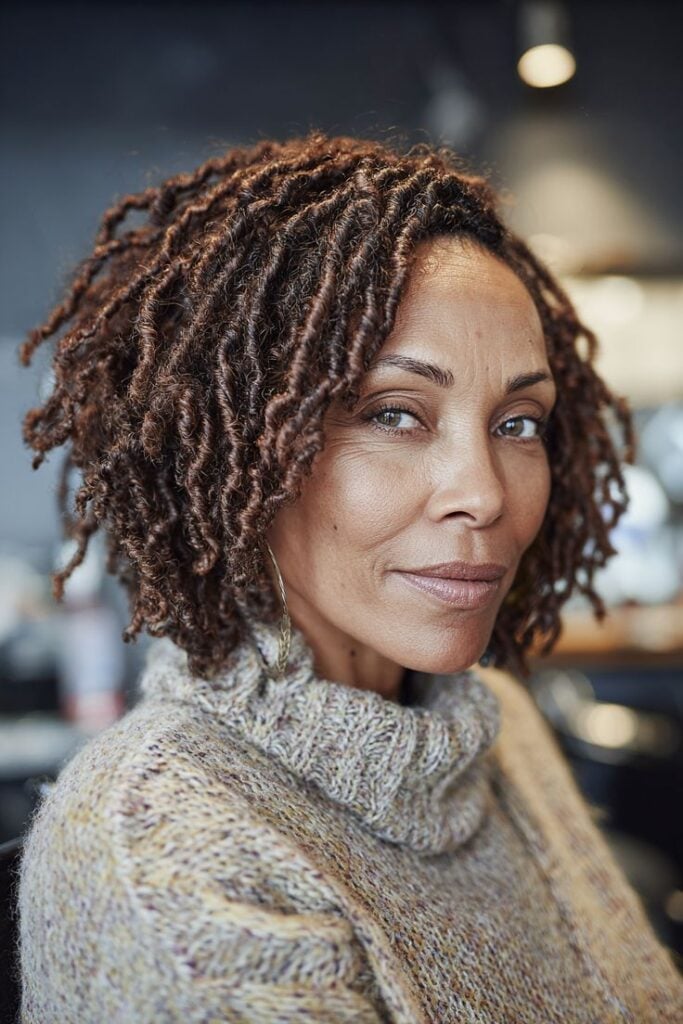
How does a chin-length loc style hold its shape without product stiffness? It relies on the curl pattern doing the work. These tight coils in a rich brown appear full and air-dried, and the middle part lets the volume push outward evenly instead of piling in one spot. Ask your stylist for: short, natural curly brown locs. A curl-defining cream applied to damp locs keeps the coils visible for about three days before a refresh is needed, and air drying on low heat is all the styling required. Trim every eight weeks to keep the hemline from rounding out.
Polished Chin-Length Small Locs
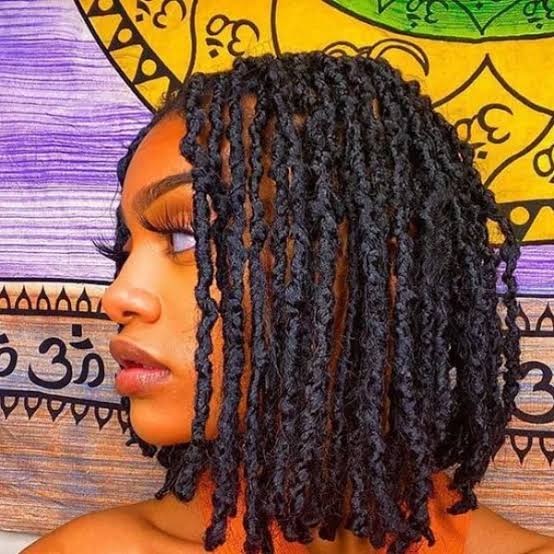
A chin-length loc style lands exactly at the jaw, making it a warm-weather option that still looks polished. These small, dense locs with a natural wavy texture are parted in the middle, and the neat finish comes from the even cut line. Ask your stylist for: chin-length small locs with a neat finish. The baseline holds cleanly for about eight weeks before the ends start to soften, so schedule a trim before the hemline loses its sharpness. This style works for work settings where longer locs might catch on things or require constant tucking.
Braided Bob With Curly Ends And Curtain Bangs
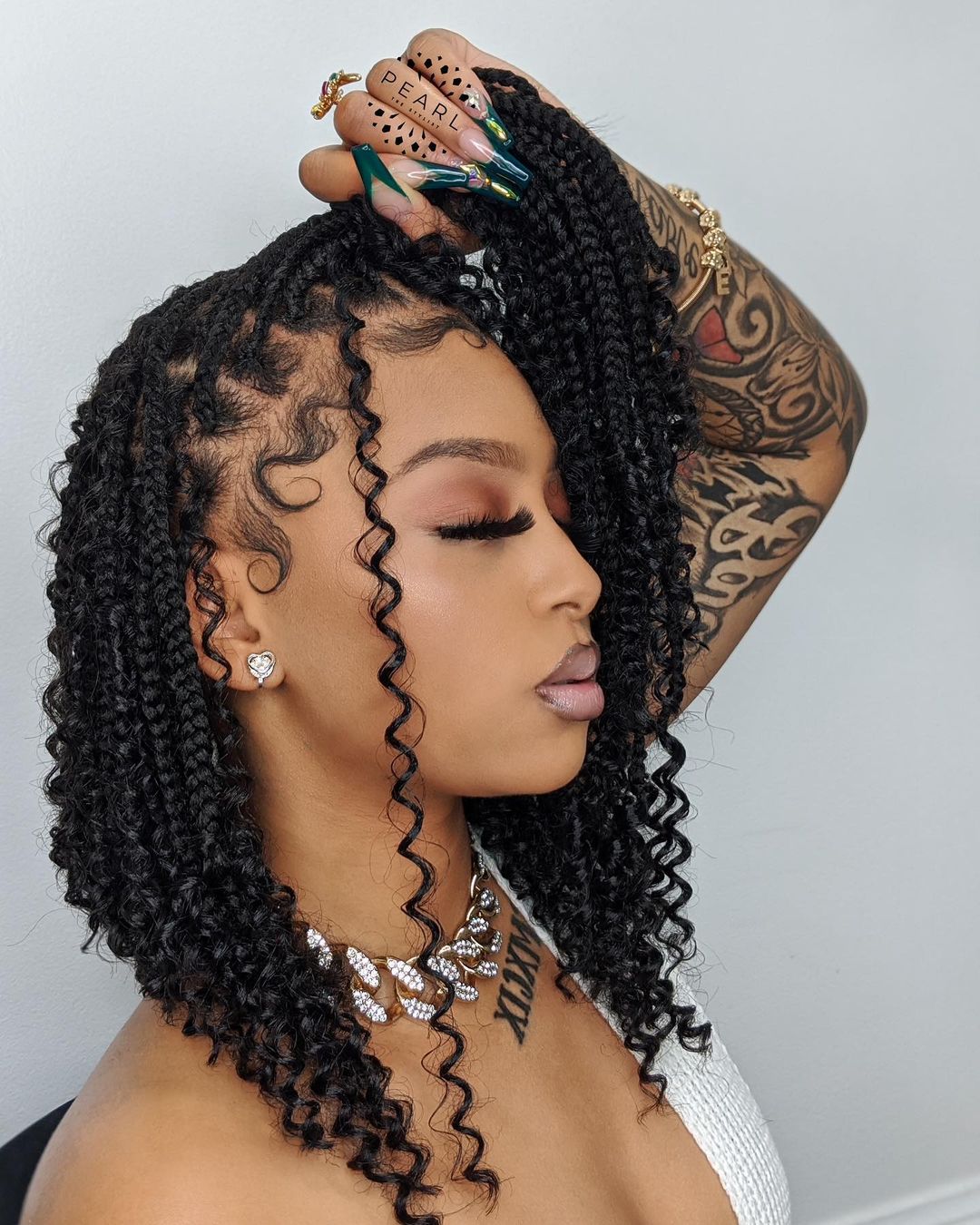
The design hinges on a deliberate contrast: tight braids along the crown and sides, then loose, curly ends that hit the collarbone. Curtain bangs, parted in the middle, bridge the two textures without any awkward transition. Ask your stylist for: braided bob with loose curly ends and curtain bangs. The look suits oval, round, and heart-shaped faces that want movement without losing structure. On the ends, a curl enhancer keeps the texture defined, while the bangs need a trim every four to six weeks to stay in that sweet spot.
Wavy Locs High Ponytail With Geometric Parting
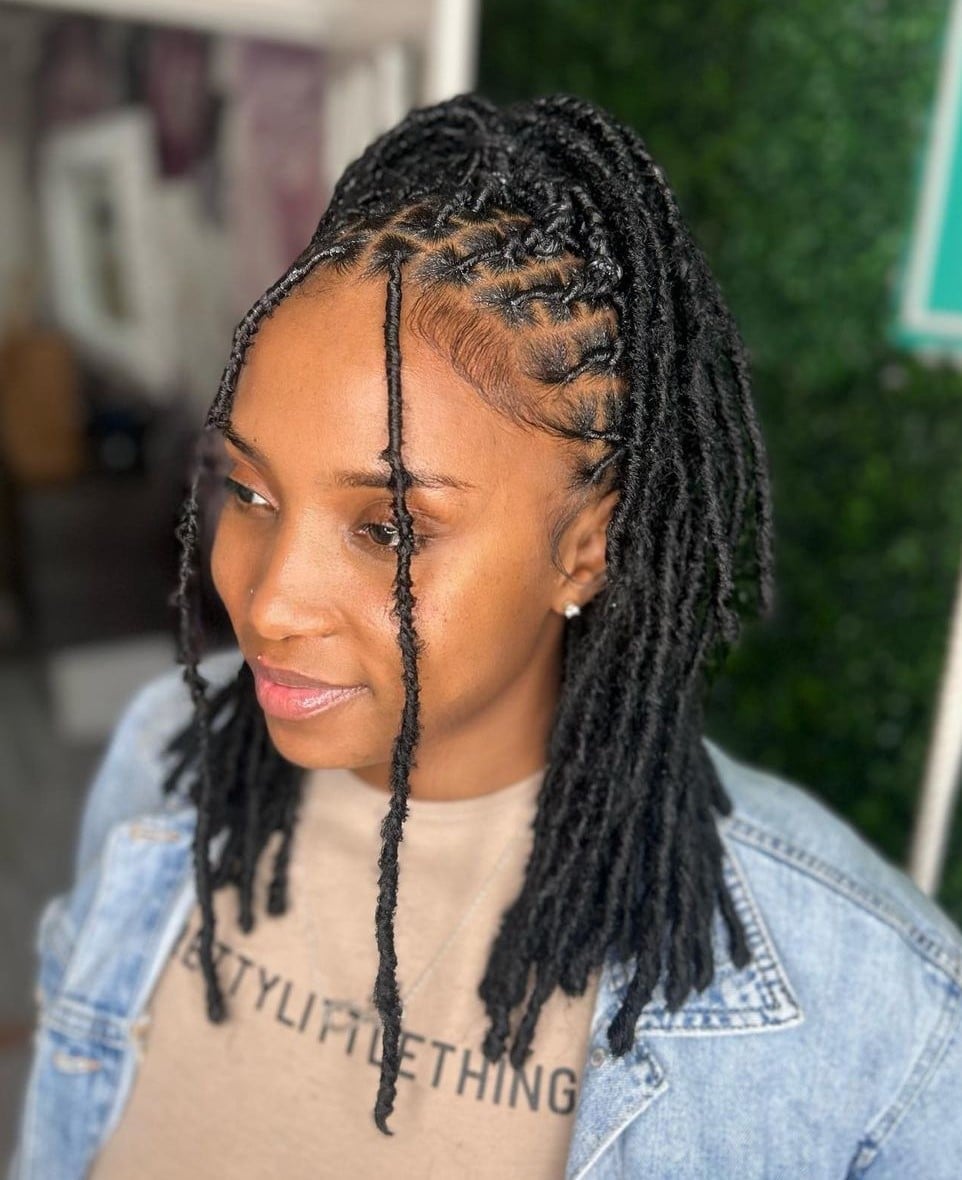
Can you pull off a geometric scalp parting at home? Technically yes, but the precision required usually means a salon visit. Thick, wavy locs of collarbone length or longer work best here, because the parting lines need enough density to stay crisp. Ask your stylist for: high ponytail locs with geometric scalp parting. The ponytail sits high on the crown, with a few loose strands left out to soften the geometry. A firm elastic and a finishing spray keep everything in place for a full day.
Collarbone Length Locs Ponytail With Braids
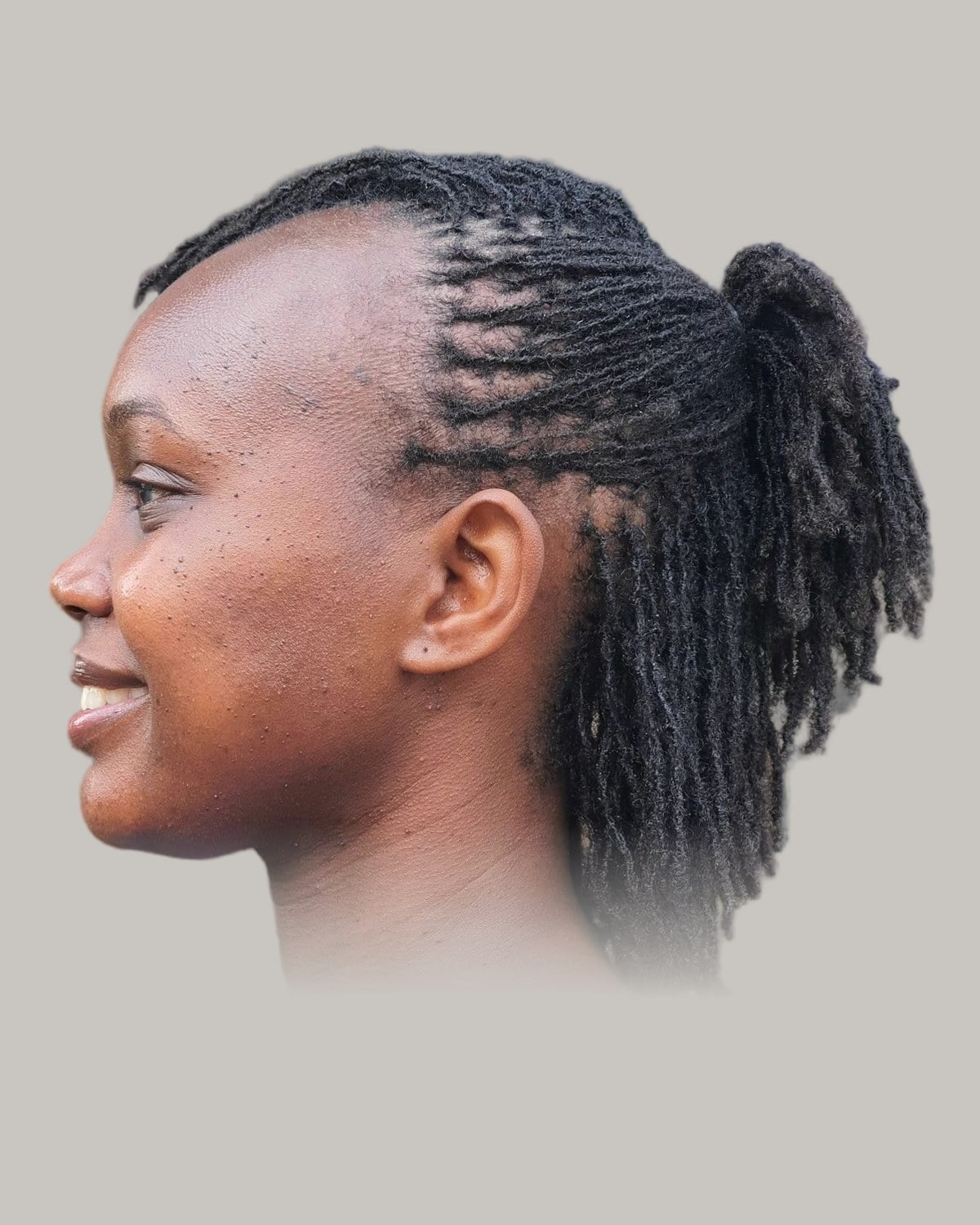
A ponytail on thick locs at collarbone length is straightforward: gather, secure, go. The braided sections at the front add a detail that keeps it from reading as a five-second rush job. Ask your stylist for: collarbone length locs ponytail with braided front sections. The braids need to be smooth and uniform before they meet the ponytail, so a strong elastic is non-negotiable. The hold is solid for a workday, but expect to refresh the front braids if you sleep on them.
Thick Locs With Geometric Side Braids
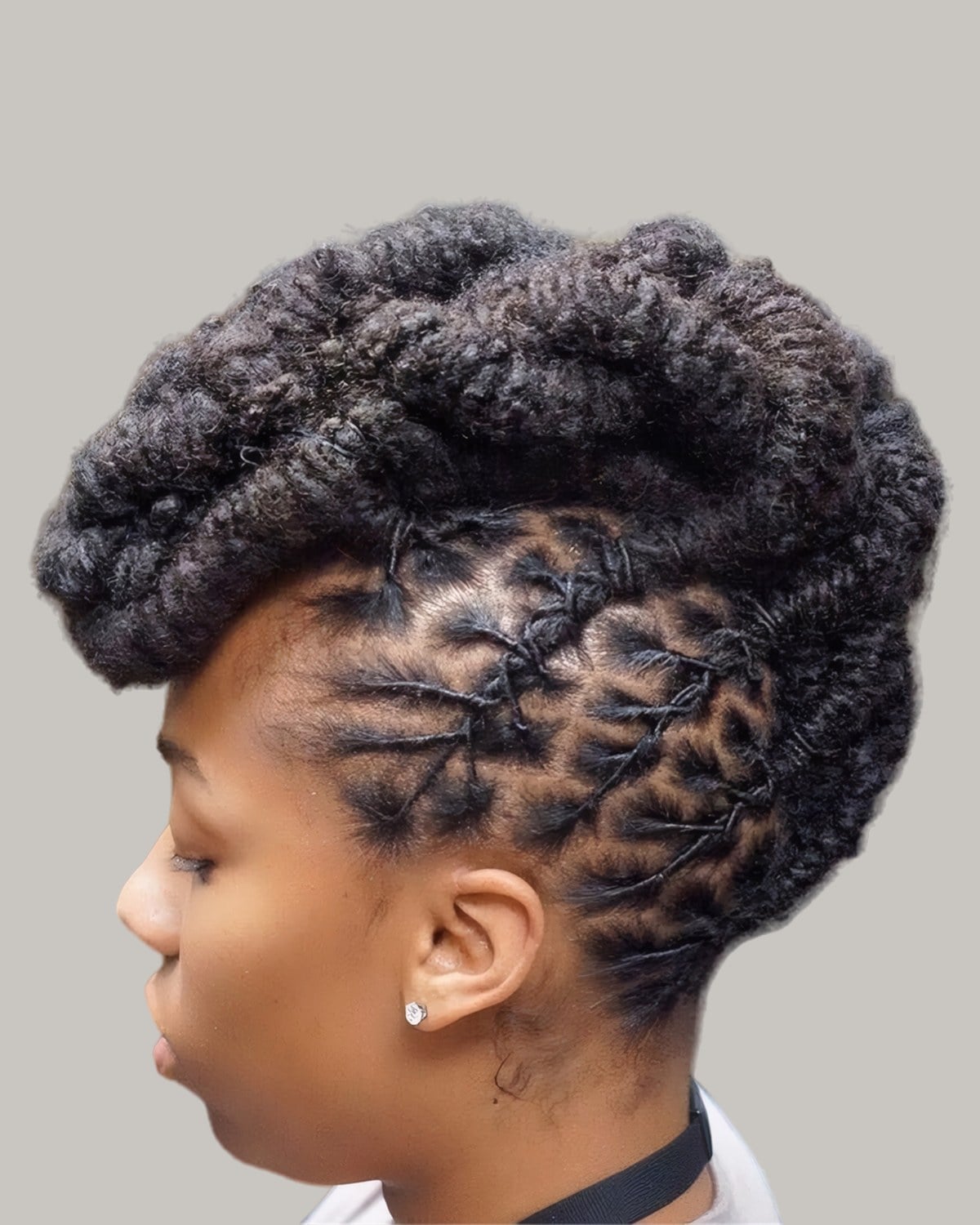
This is not a casual side braid you can whip up in ten minutes. The geometric pattern on thick, short locs requires a steady hand and a clear plan, which is why it lands squarely in salon territory. Ask your stylist for: geometric braided locs on the sides forming an updo. Compared to simpler locs styling, this one trades speed for visual impact: the braided sides create a structured frame that works for evening events. A strong-hold gel keeps the parts crisp, but plan for a longer session in the chair.
Dark Brown Locs Updo With Face-Framing Strands
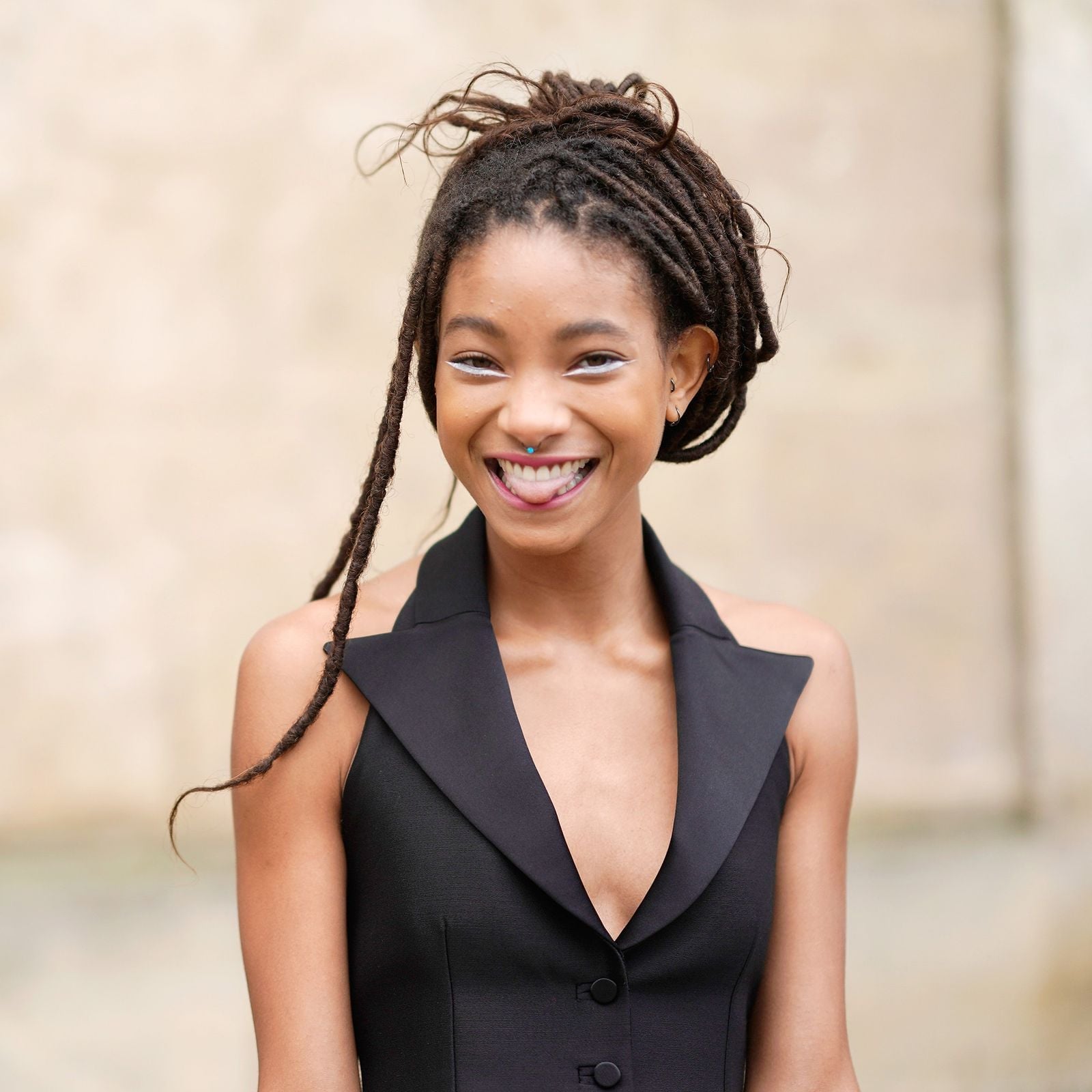
The updo itself is a clean, high gather of dark brown coily locs, but the loose strands pulled forward are what make the composition work. They soften the silhouette around the face without undermining the height of the style. Ask your stylist for: high locs updo with loose strands to frame the face. Coily locs of mid-back length or longer have enough weight to hold the updo while the front strands stay where they are placed. A few bobby pins secure the bulk, and the loose pieces can be gently tugged out for a slightly relaxed finish.
Black Coily Locs With Side-Swept Braids
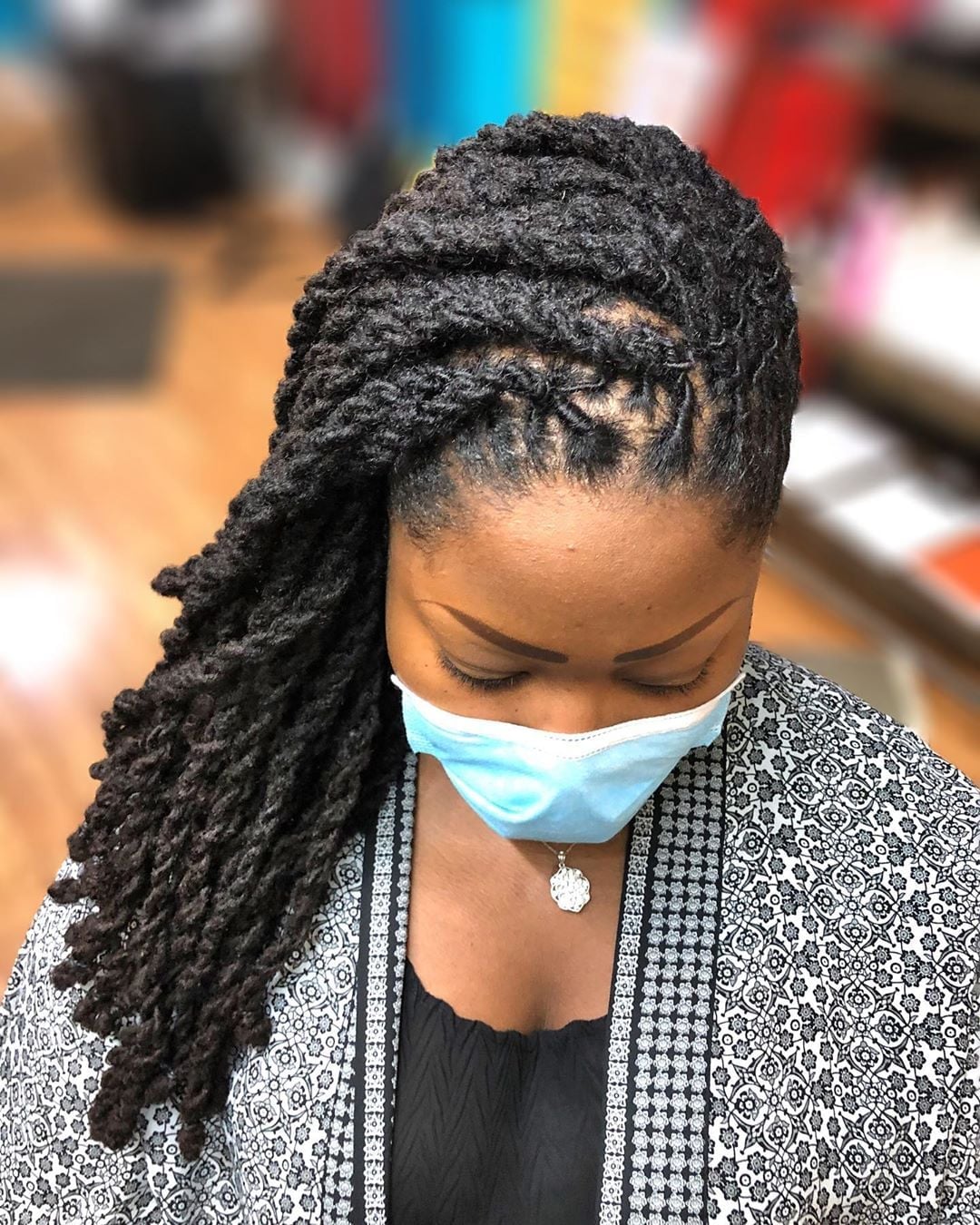
Wondering if coily locs can do a side-swept look without losing definition? They can, and this style proves it. The side part directs the intricate braided pattern diagonally across the scalp, which softens the hairline and adds a touch of asymmetry. Locs that have reached mid-back or longer give the stylist enough length to form the braids cleanly. The black color highlights the texture and the pattern. Ask your stylist for: side-swept intricate braided locs. Use a light hold spray to keep the pattern defined, and maintain the scalp with regular treatments.
Mohawk-Inspired Locs Braids With Low Bun
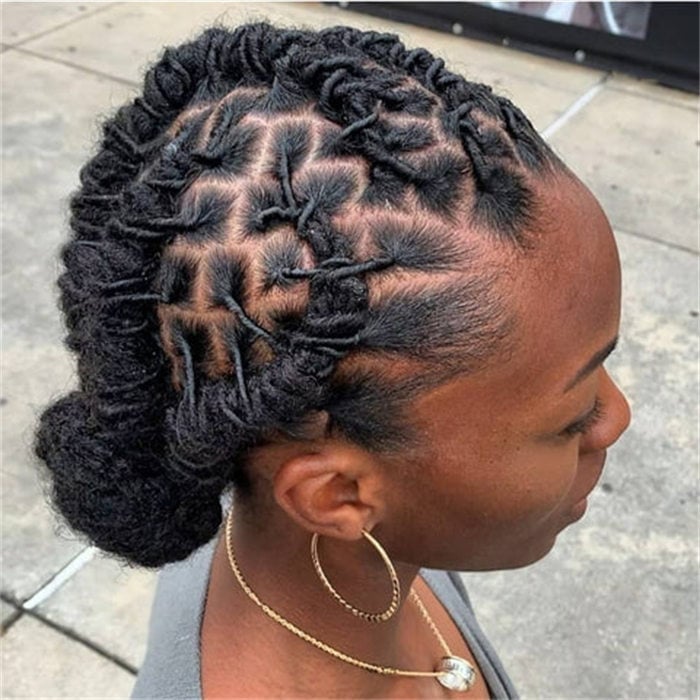
A mohawk-inspired design on thick, coily locs is a solid eight to ten hours in the salon chair, so plan accordingly. The sides are braided tightly against the scalp while the center locs are gathered into a low bun at the nape. The black color reads clean against the intricate parting. This style holds well for about two weeks before the edges need a refresh. Ask your stylist for: mohawk-inspired locs braids with a low bun. Secure the bun tightly with a satin scrunchie, and use a smoothing serum on the sides to keep flyaways at bay.
Ombre Braids With Geometric Scalp Parting
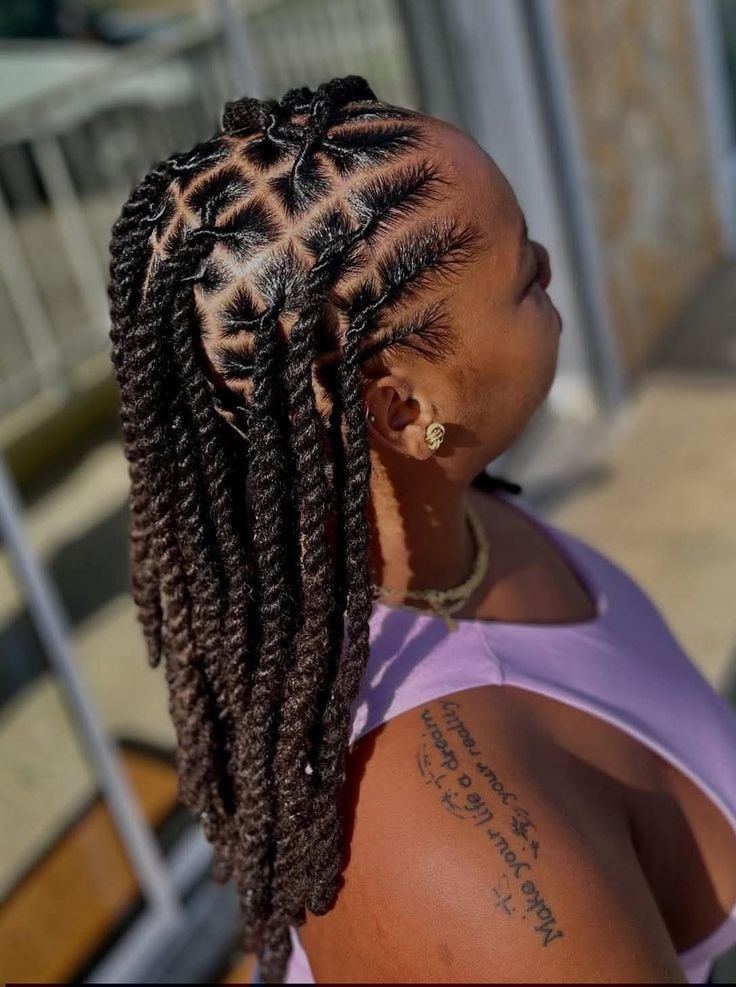
The ombre fade from black to brown is the first thing you notice here, but the geometric scalp parting is the part that actually requires the most skill. Those sharp lines on the scalp demand a steady hand and a fresh retouch every three to four weeks as the new growth comes in. The wavy texture of the braids softens the angular parting, which keeps the look from feeling too severe. Ask your colorist for: ombre locs braids with geometric scalp parting. The ombre effect fades faster with frequent washing, so a dry shampoo is your friend between washes.
Black Coily Locs Braids With Geometric Parting
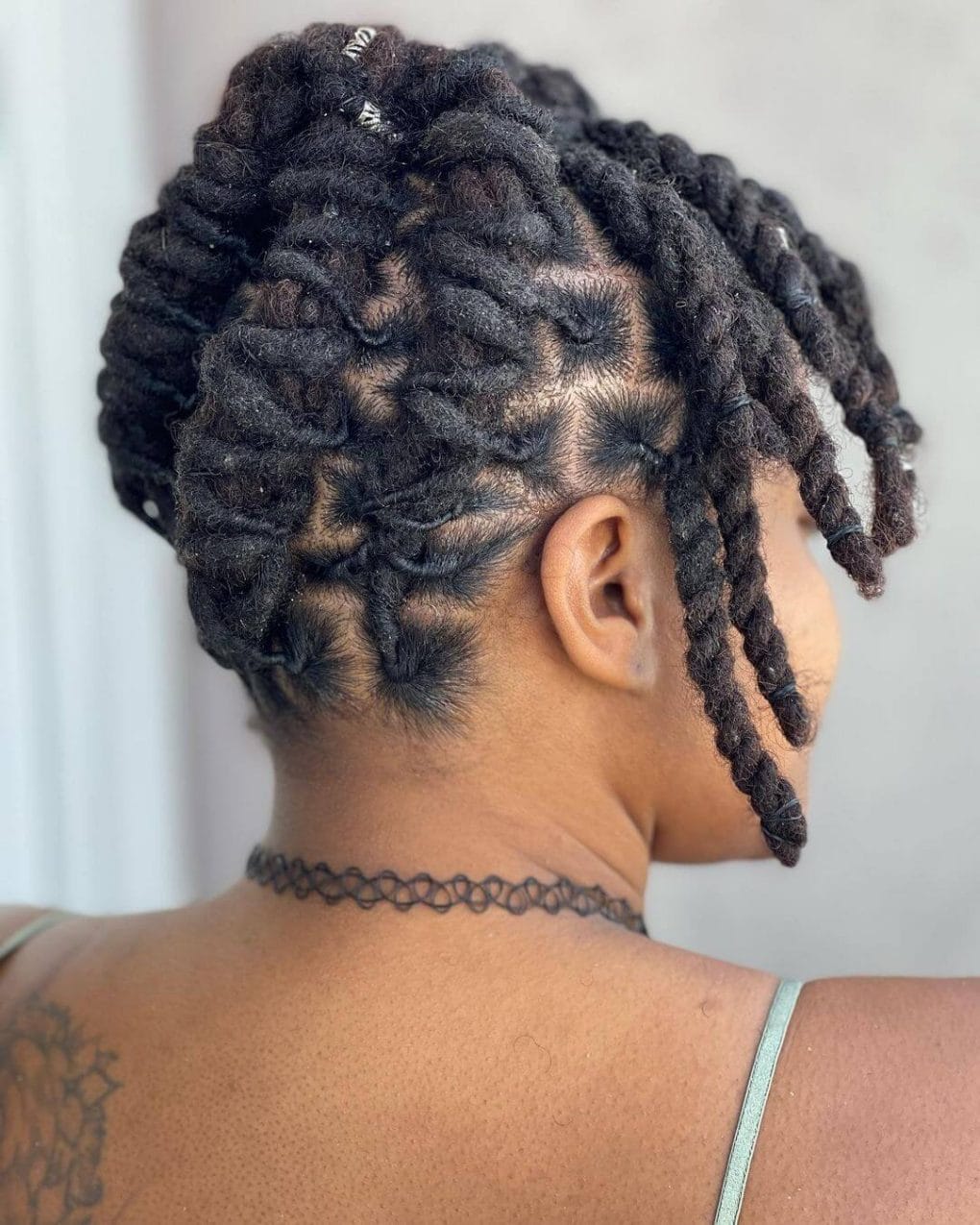
What makes this design work is the contrast between the coily texture of the locs and the sharp, precise lines of the geometric parting. The middle part runs cleanly down the center, while smaller sections create a grid-like pattern across the scalp. The black color lets the geometry do the talking without any color distraction. The style suits coily locs that have reached mid-back or longer, giving the pattern enough surface to read clearly. Ask your stylist for: black coily locs braids with geometric scalp parting. Edge control gel keeps those lines crisp between salon visits.
High Ponytail With Geometric Braids And Blonde Tips
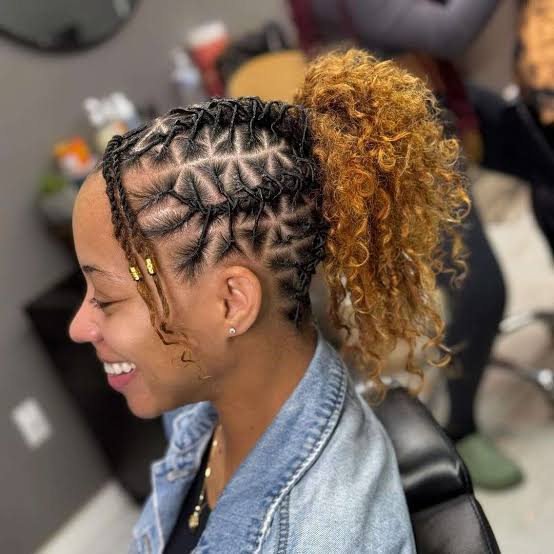
How do you ask for those tiny gold beads and the blonde tips without leaving the stylist guessing? Start with the base. Ask your colorist for: high ponytail with geometric scalp braids and blonde tips. The scalp braids form a geometric pattern that leads the eye up to the high ponytail, where the curly, blonde-tipped locs take over. The beads are added after the braids are finished, so they sit securely on the extensions. The blonde tips need a toning appointment every six to eight weeks to stay cool. Bring a reference photo of the bead placement to the appointment, because spacing them evenly is the difference between polished and thrown together.
Mid-Back Locs With Teal Braided Accents
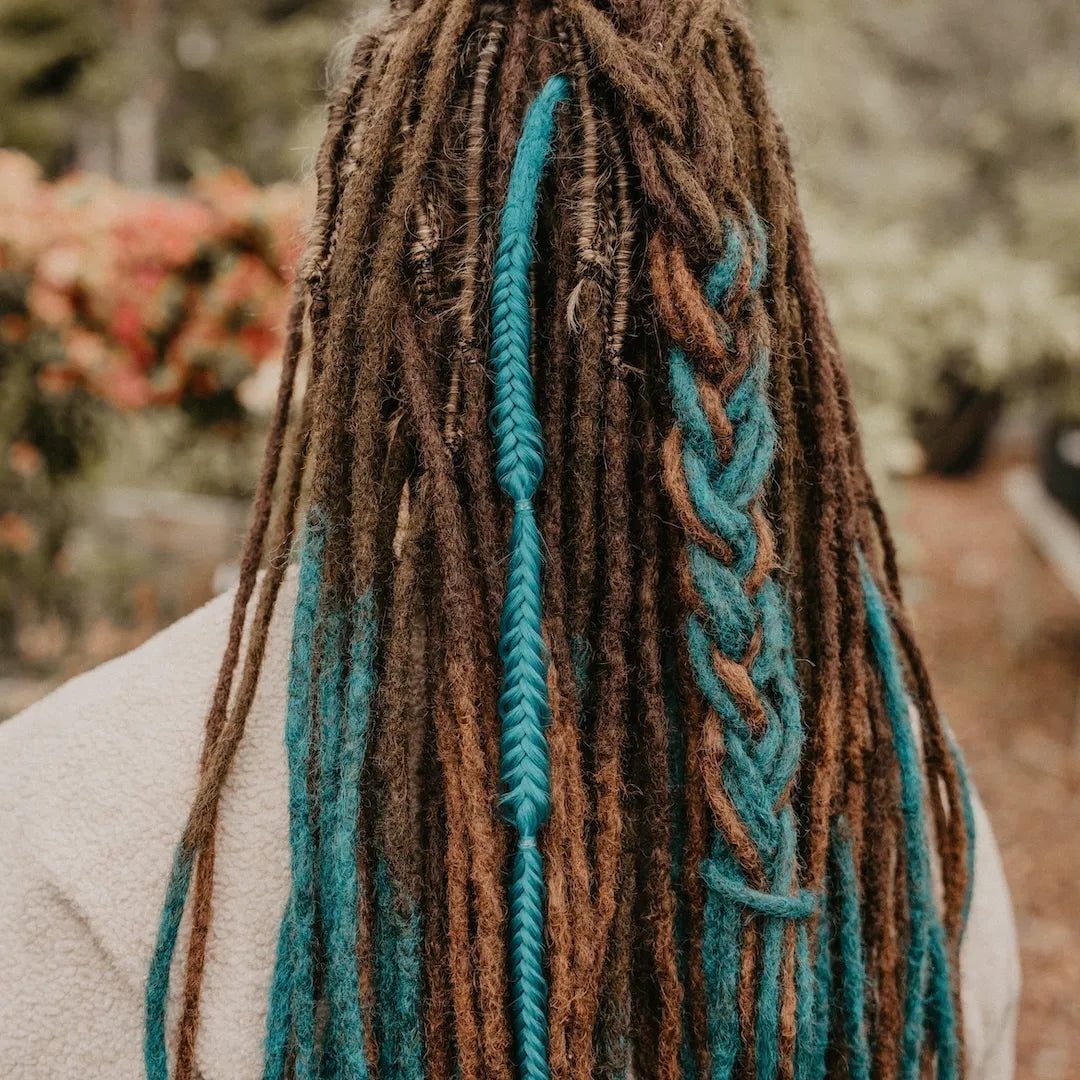
Unlike a full head of vivid color that demands constant upkeep, this style uses two teal braids woven into a brown base for a pop of contrast. The teal accents work best on medium to thick locs that reach mid-back, giving the braids enough length to show off their contrast. Ask your stylist for: mid-back locs with teal braided accents. To keep the teal from fading, use a color-depositing shampoo every few washes and sleep with a satin scarf to protect the braids from friction. The result is a subtle statement that blends texture and color without committing to an all-over dye.
Mid-Back Braided Locs Ponytail With Scalp Braids
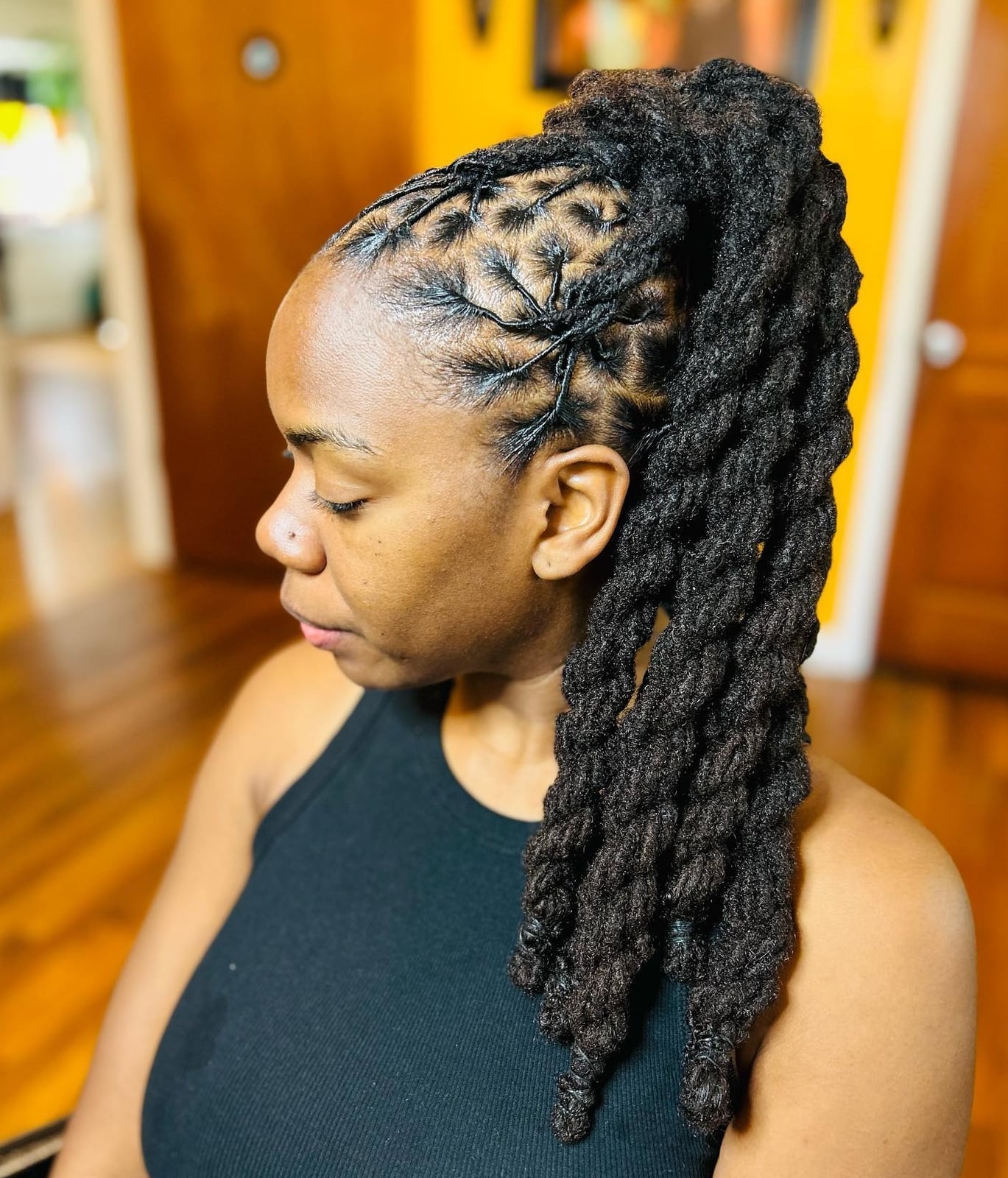
The scalp braids here form a starburst pattern that radiates from a middle part, anchoring a high ponytail of thick, coily locs that fall to mid-back. This is a technical design that requires a skilled hand to map the parting and keep each braid tight against the scalp. Ask your stylist for: high braided locs ponytail with intricate scalp braids. The base is dark brown with a few lighter highlights in the ponytail for subtle dimension. A light pomade along the scalp braids keeps flyaways in check and the pattern crisp. This is a statement style that holds its shape for days with minimal rework.
Final Thoughts
For a polished finish, start with clean parts and a defined hairline. If your locs are fine, keep the style blunt and skip heavy layers. For a round face, let the length fall past the chin to elongate the silhouette.
- Trim blunt styles every 6-8 weeks to maintain shape.
- Tone highlighted locs every 8-12 weeks to preserve color vibrancy.
- Use a silk or satin bonnet at night to protect intricate styles.
- Refresh braids with a light mist of water and styling spray as needed.
Braided locs offer a sophisticated and versatile styling option.