
Simple light highlights add dimension and brightness to any base color without a full commitment. The shift toward lived-in color means softer regrowth lines and more time between salon visits, which is exactly what most schedules need.
These 26 ideas range from collarbone to mid-back lengths, covering every base from ash blonde to light brown. Simple Light Highlights work best for fine hair that needs a lift without weight, or for anyone who wants a grow-out that looks intentional. Each option pairs a low-maintenance tone with a technique that keeps the color fresh for weeks.
Chin Length Bob With Blunt Bangs Platinum Blonde
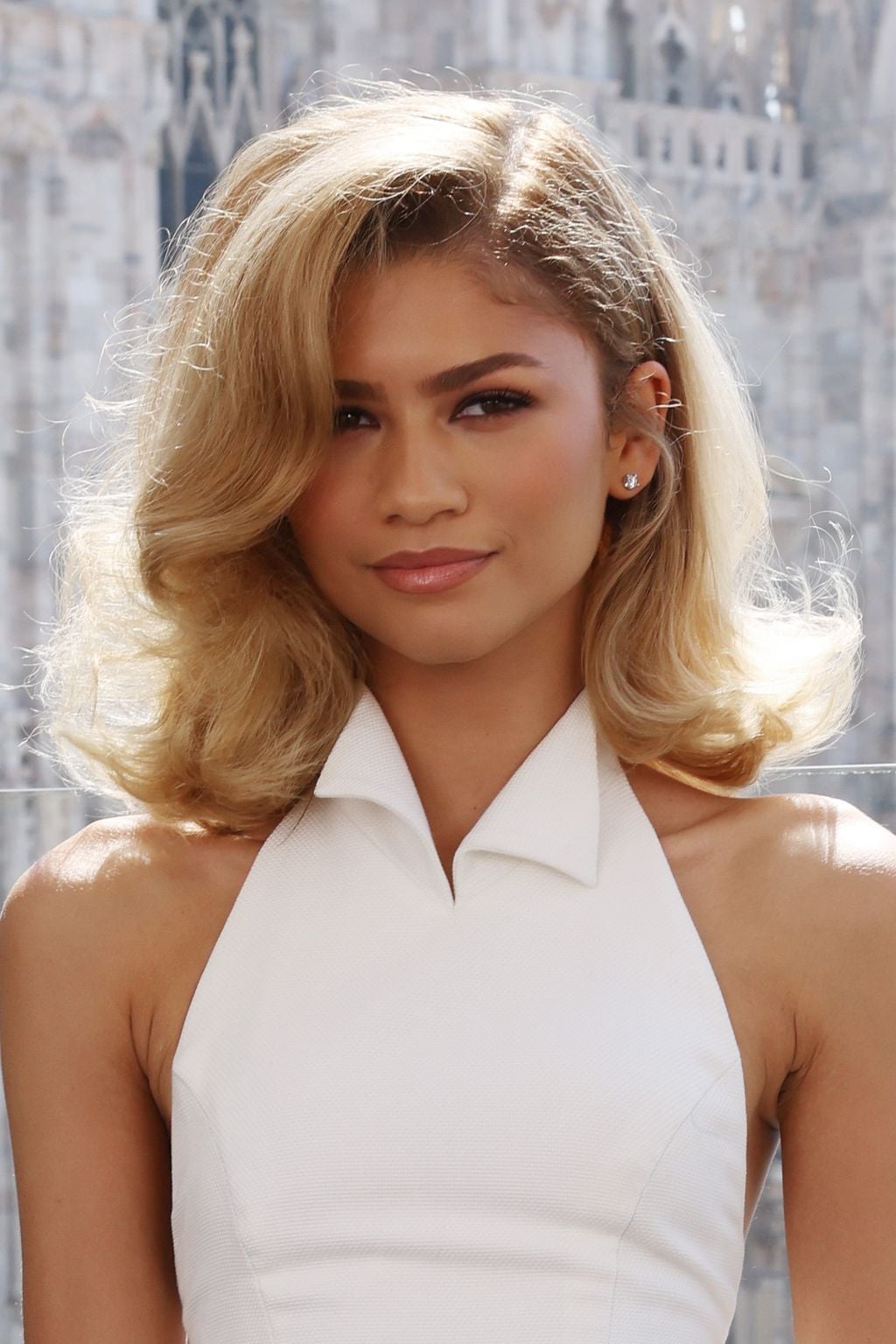
Is a chin-length bob with blunt bangs as high-maintenance as it looks? Yes, but the payoff is a sharp, striking silhouette. Fine, wavy hair starting at the chin holds this shape best, and the blunt bangs suit oval and square face shapes. Ask your colorist for: chin length bob, blunt bangs, platinum blonde with subtle lighter highlights. Use a round brush to smooth and curl the ends during a blowout, and plan for a bang trim every four to six weeks.
Shoulder Length Layers With Curtain Bangs Dishwater Blonde
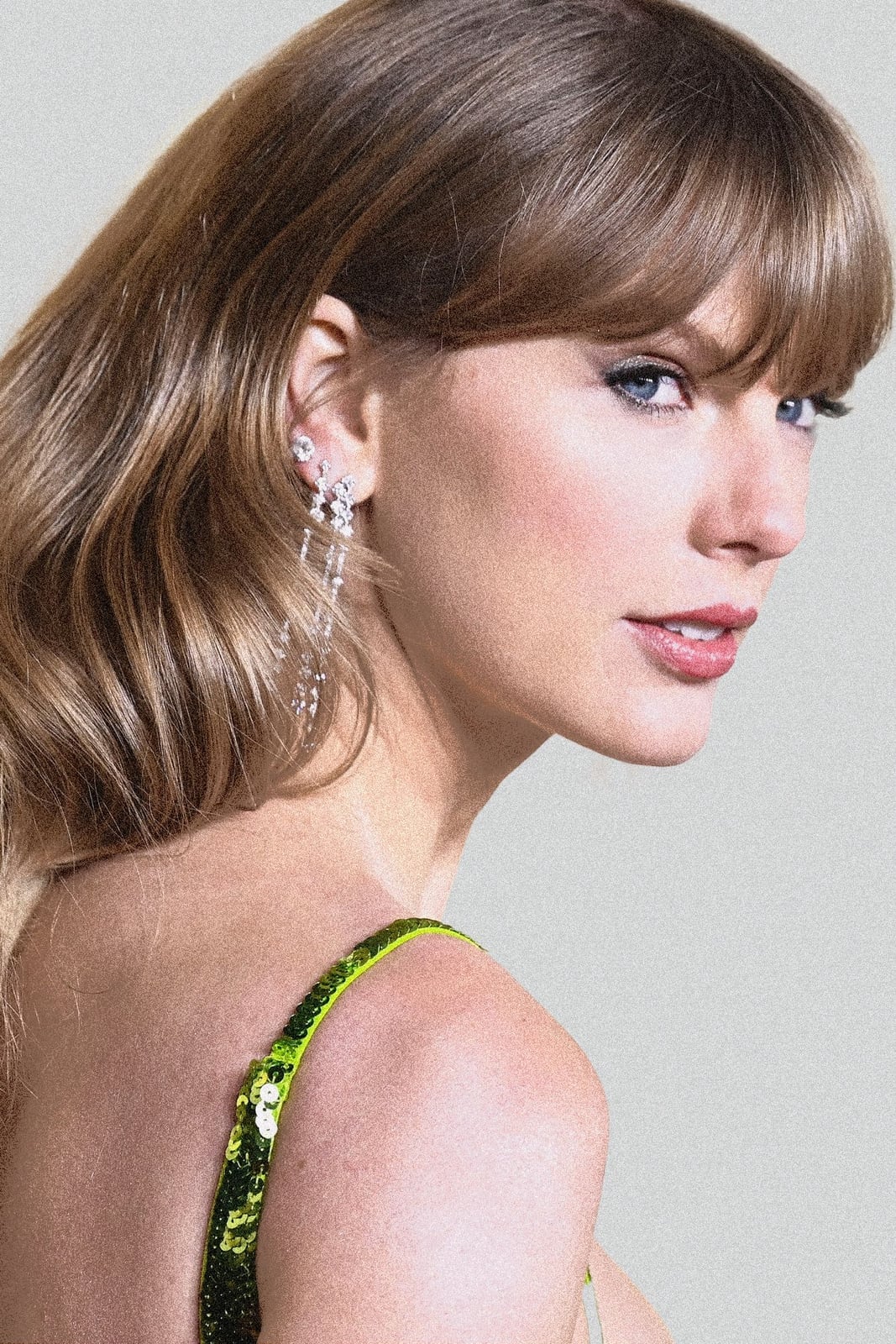
The design here hinges on the contrast between a muted dishwater blonde base and fine, subtle light blonde highlights. The curtain bangs are cut to blend into the shoulder-length layers, so they swing open rather than sitting heavy. Fine, wavy texture starting at the shoulder lets the highlights read as natural depth, not streaks. Ask your colorist for: shoulder length layered cut, curtain bangs, dishwater blonde with subtle light blonde highlights. This is a solid work-week colour that stays polished through a busy schedule.
Shoulder Length Straight Cut Muted Blonde
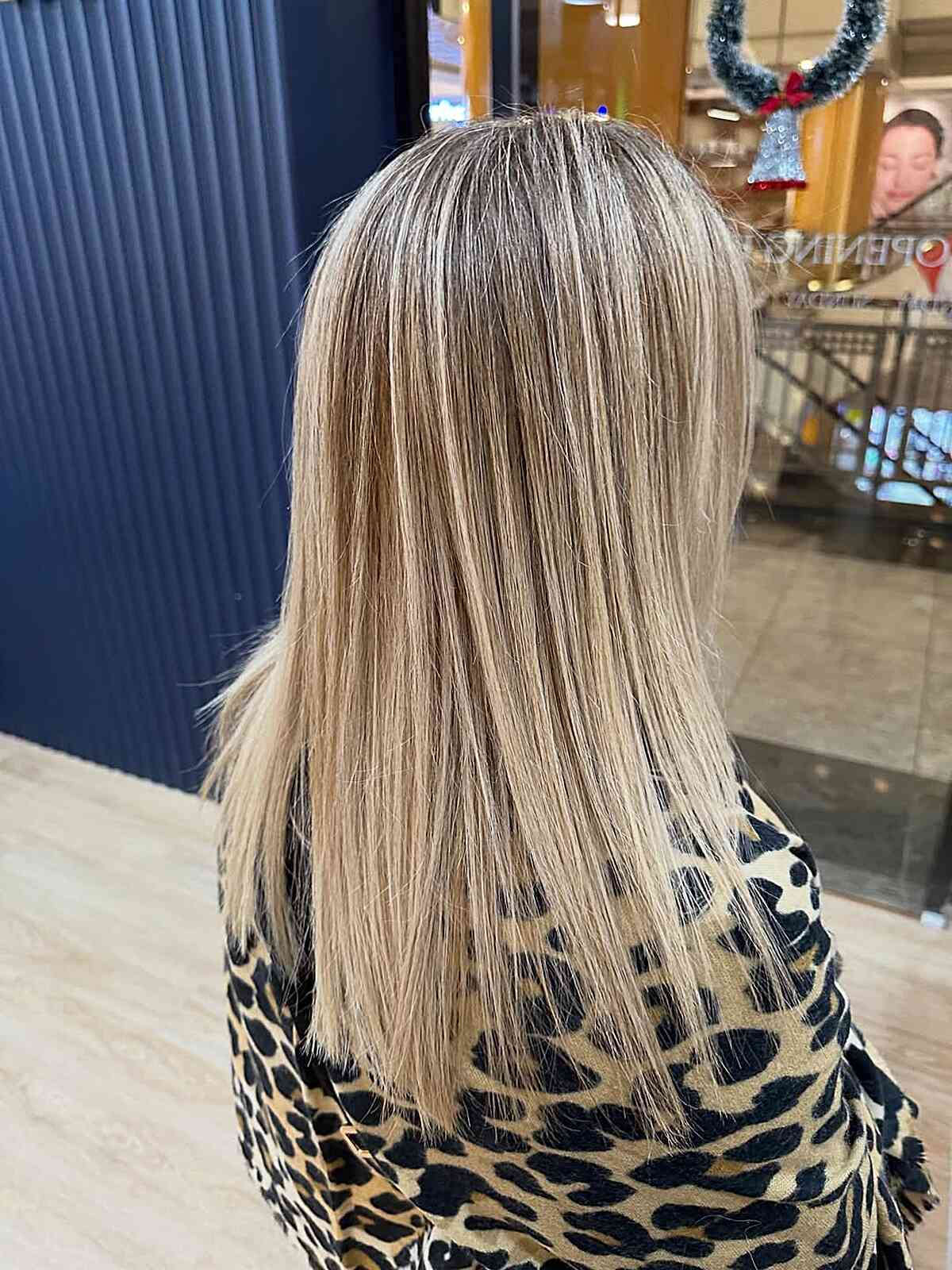
A shoulder-length straight cut with a muted blonde base and subtle light blonde highlights works because the highlights are woven fine enough to catch light without looking stripey. Fine, straight hair starting at the shoulder needs that delicacy. Ask your colorist for: shoulder length straight cut, muted blonde with subtle light blonde highlights. The middle part elongates the face, so it suits longer face shapes best. This is a salon-only job: getting the highlight placement right on a blunt cut requires a practiced hand, not a box at home.
Collarbone Layers With Curtain Bangs Light Brown
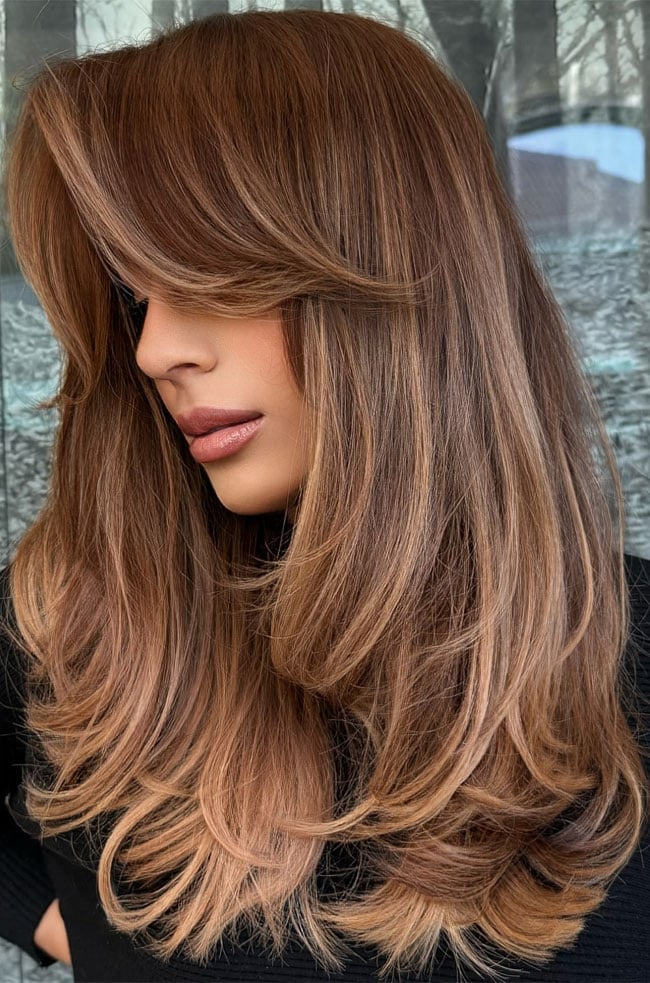
Blonde highlights on a light brown base can read as brassy or beachy depending on placement. Here, the highlights stay subtle and concentrated around the face, so the effect is soft rather than high-contrast. Medium-density, wavy hair starting at the collarbone takes this well, and curtain bangs soften round faces. Ask your colorist for: collarbone length layers, curtain bangs, light brown base with subtle blonde highlights.
Blow-dry the fringe with a round brush to set the bend, and trim the baseline every six to eight weeks. The grow-out is gentle, which is the whole point of keeping the highlights close to the face.
Collarbone Layers With Side Part Light Brown
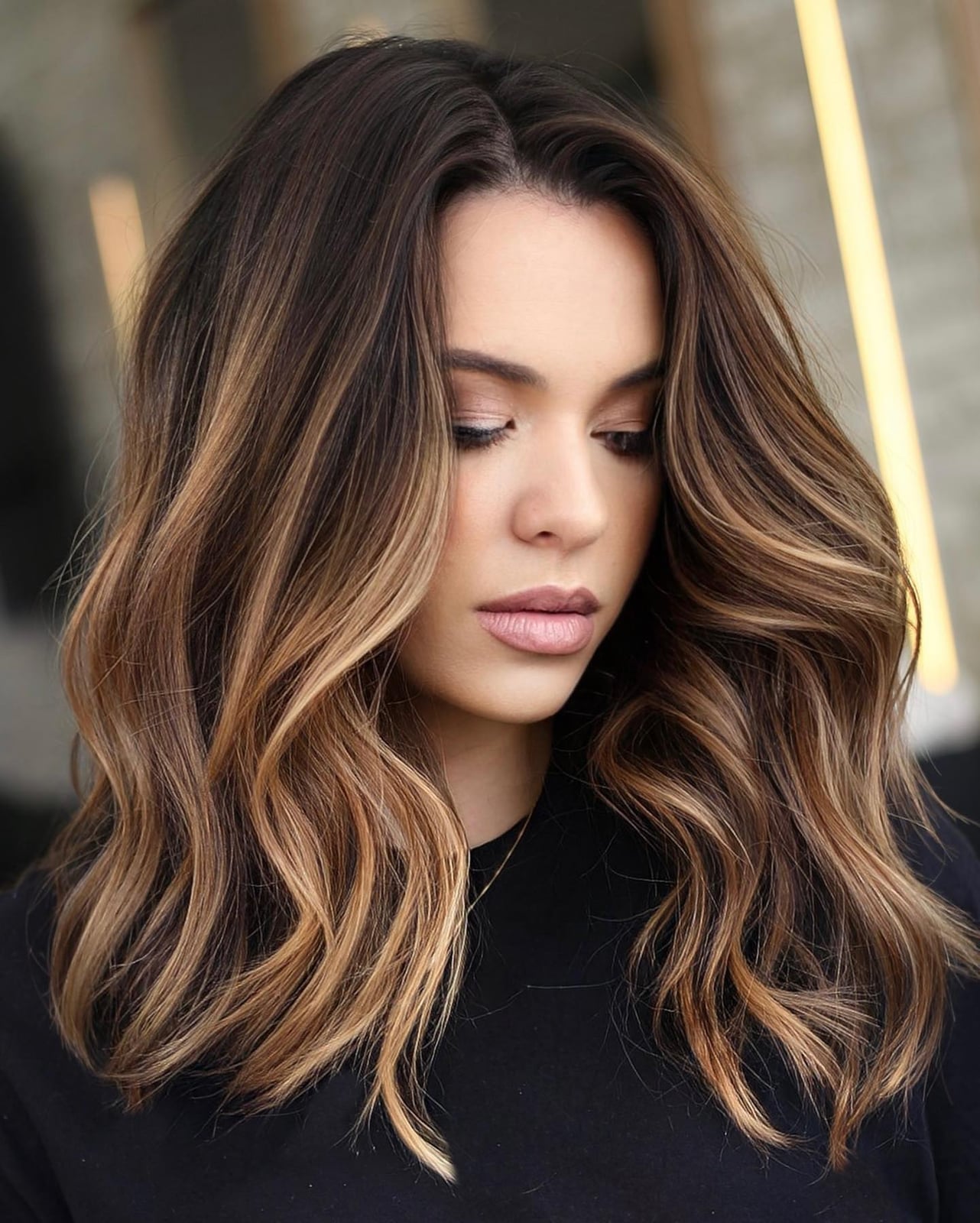
Does dimensional colour on thick, wavy hair actually stay dimensional past week two? It can, if the highlights are placed with enough spacing. This collarbone-length cut uses a light brown base with numerous light blonde highlights woven through, creating a rich, layered effect. Thick, wavy hair starting at the collarbone has the volume to carry that many highlights without looking busy. Ask your colorist for: collarbone length layers, side part, light brown base with dimensional blonde highlights.
The side part adds volume at the root, so finer hair benefits here too. The real drawback: those highlights need a toning appointment every eight to ten weeks to keep the blonde from warming up into a brassier shade than intended.
Collarbone Layers Warm Blonde Highlights
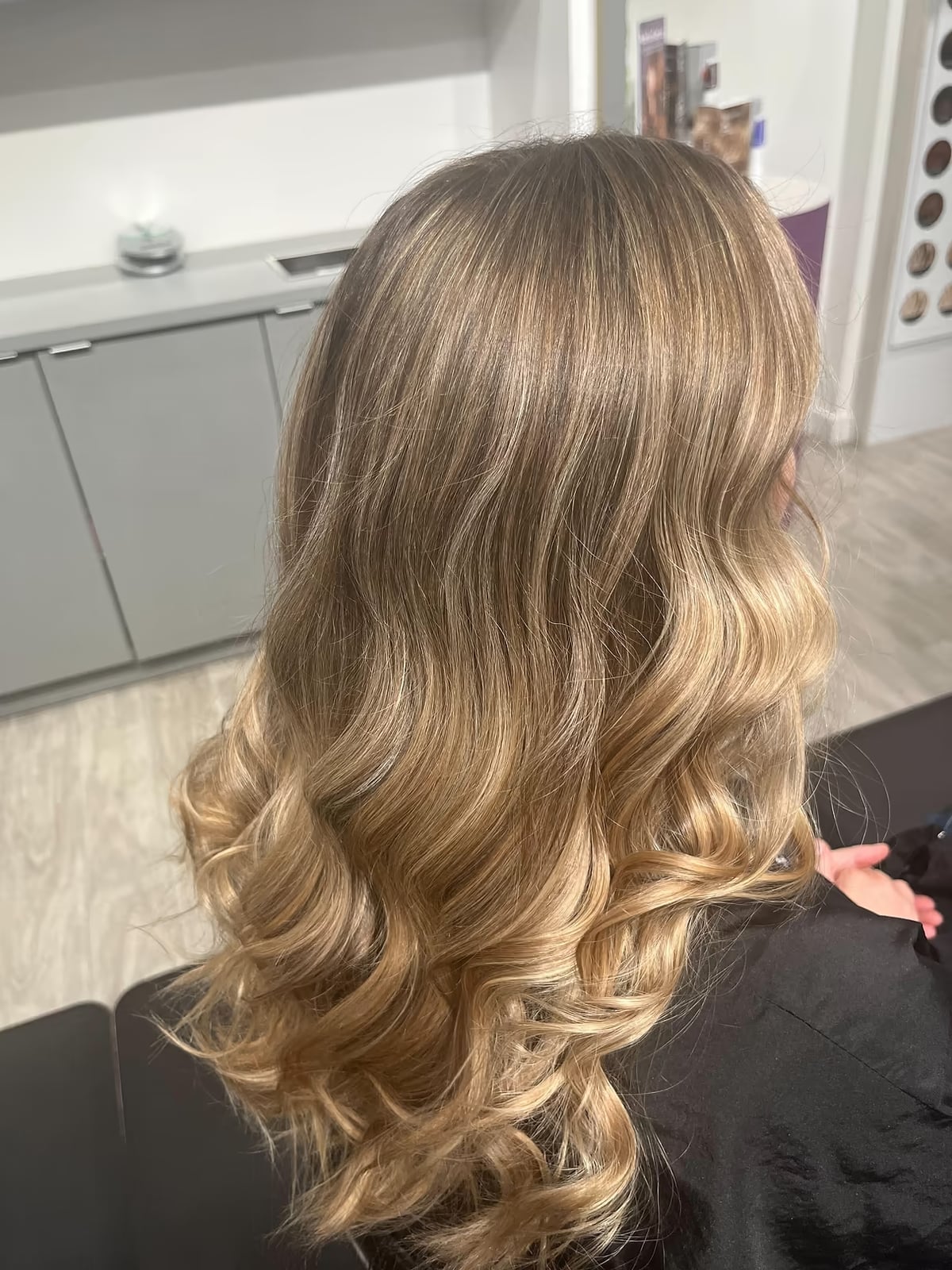
The placement is the quiet trick here: warm blonde highlights concentrated around the face and through the mid-lengths, not scattered evenly from root to tip. On fine, wavy hair at collarbone length, that distribution keeps the color from looking flat without weighing down the ends. Ask your colorist for: collarbone length layered cut, warm blonde sun-kissed highlights. The fine texture actually helps the highlights read softer than they would on thicker hair. A middle part and loose blowout let the warmth sit where the light naturally hits, which is the whole point of a seasonal transition shade. Trim every six to eight weeks to keep the layers from losing their shape.
Collarbone Layers Light Brown With Lighter Brown
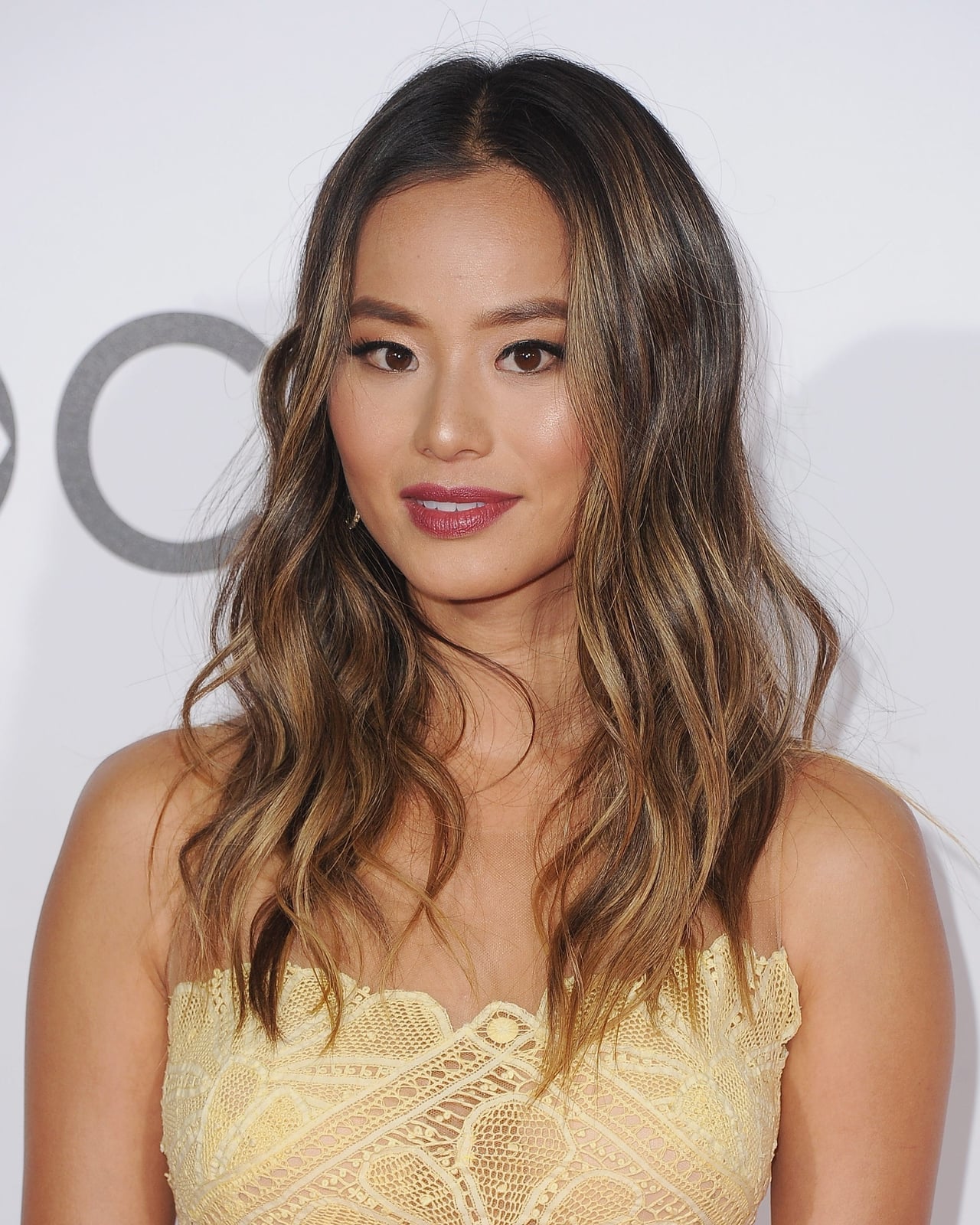
The mistake people make with a light brown base and lighter brown highlights is asking for too much contrast. The highlights here sit only one or two shades above the base, which means they add dimension without creating a stripe effect. On thick, wavy hair at collarbone length, that subtle lift gives a natural texture that doesn’t look like salon work. Ask your colorist for: collarbone length cut, light brown base with subtle lighter brown highlights. A smoothing serum on damp hair keeps the waves defined and the color looking glossy. Trim every six to eight weeks; the grow-out on this one is forgiving, but the shape needs maintenance.
Collarbone Layers Ash Blonde With Lighter Ash
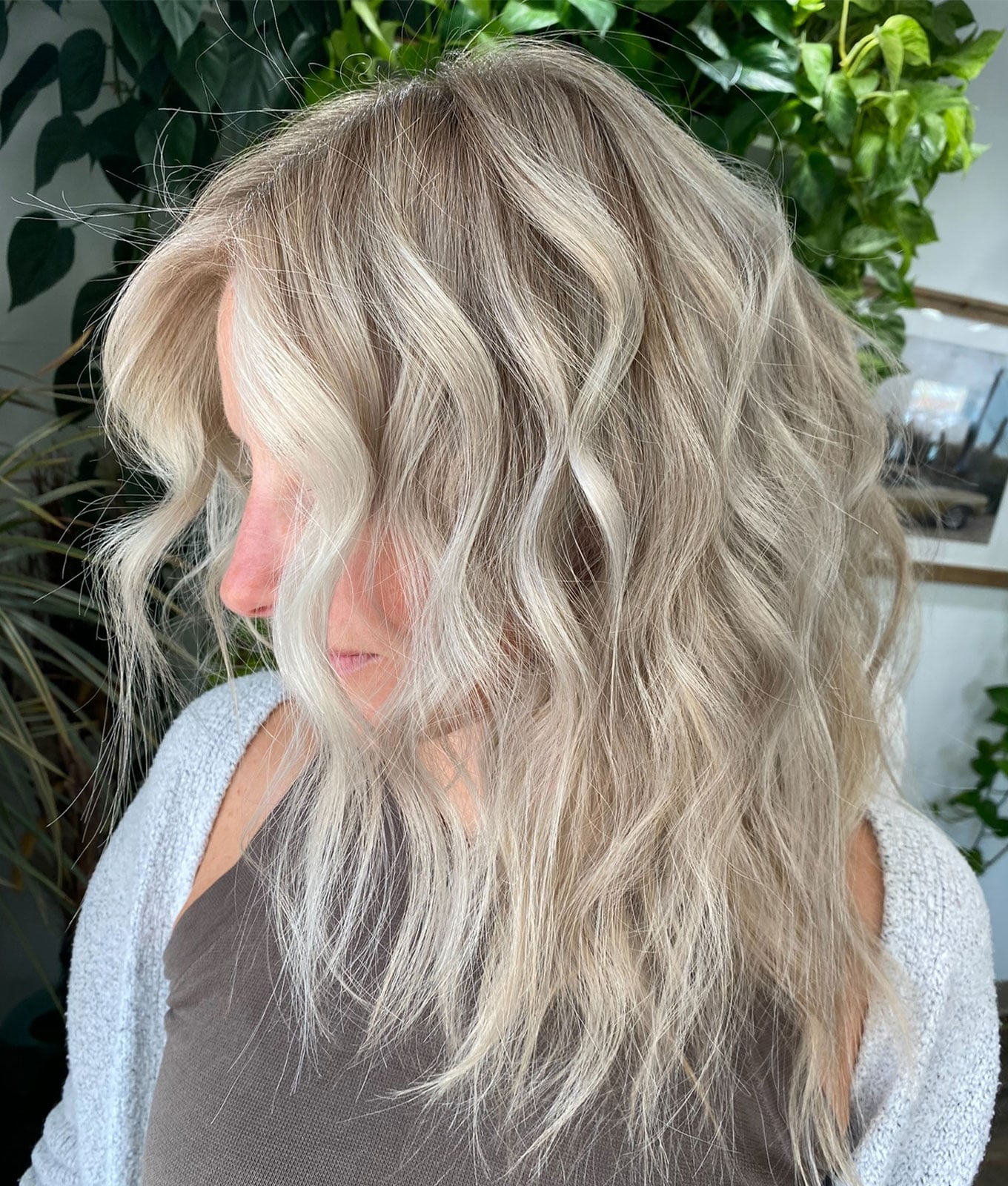
Ash blonde on fine, wavy hair is a gamble worth taking, but only if you know what you are signing up for. The cool, muted tone here works because the lighter ash highlights are subtle enough to keep the base from looking flat. On collarbone-length hair with a side part and air-dried texture, the dimension comes from the fine waves catching light at different angles. Ask your colorist for: collarbone length layered cut, ash blonde base with subtle lighter ash blonde highlights.
Ash tones can pull muddy if your water has mineral buildup or if you use the wrong shampoo. A purple shampoo once a week helps, but skip it if you want warmth to peek through. This is not a set-it-and-forget-it color. A toning appointment every four to six weeks keeps the cool tone from drifting greenish.
Collarbone Layers Dark Blonde With Ash Blonde, Wavy
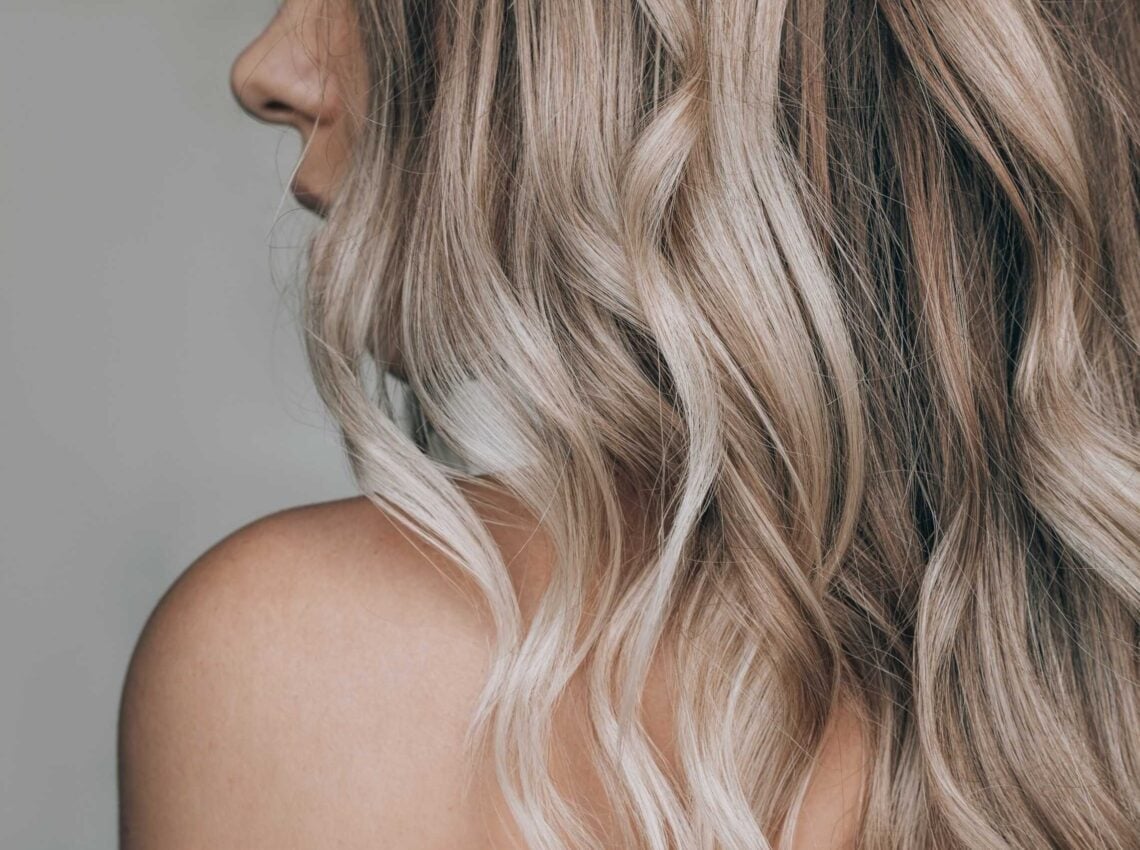
Does this one work for you? It depends on your texture. Ash blonde highlights on a dark blonde base look best on thick, wavy hair at collarbone length, where the waves break up the color and prevent the ash from reading as a solid block. The middle part and loose blowout here let the highlights sit evenly through the mid-lengths. Ask your colorist for: collarbone length layered cut, dark blonde base with subtle ash blonde highlights. This is a salon-only application; ash tones on a dark base need precise placement to avoid looking brassy within two washes. A volumizing mousse at the roots helps the waves hold their shape without heat damage.
Collarbone Layers Light Blonde With Simple Highlights, Close-Up Take
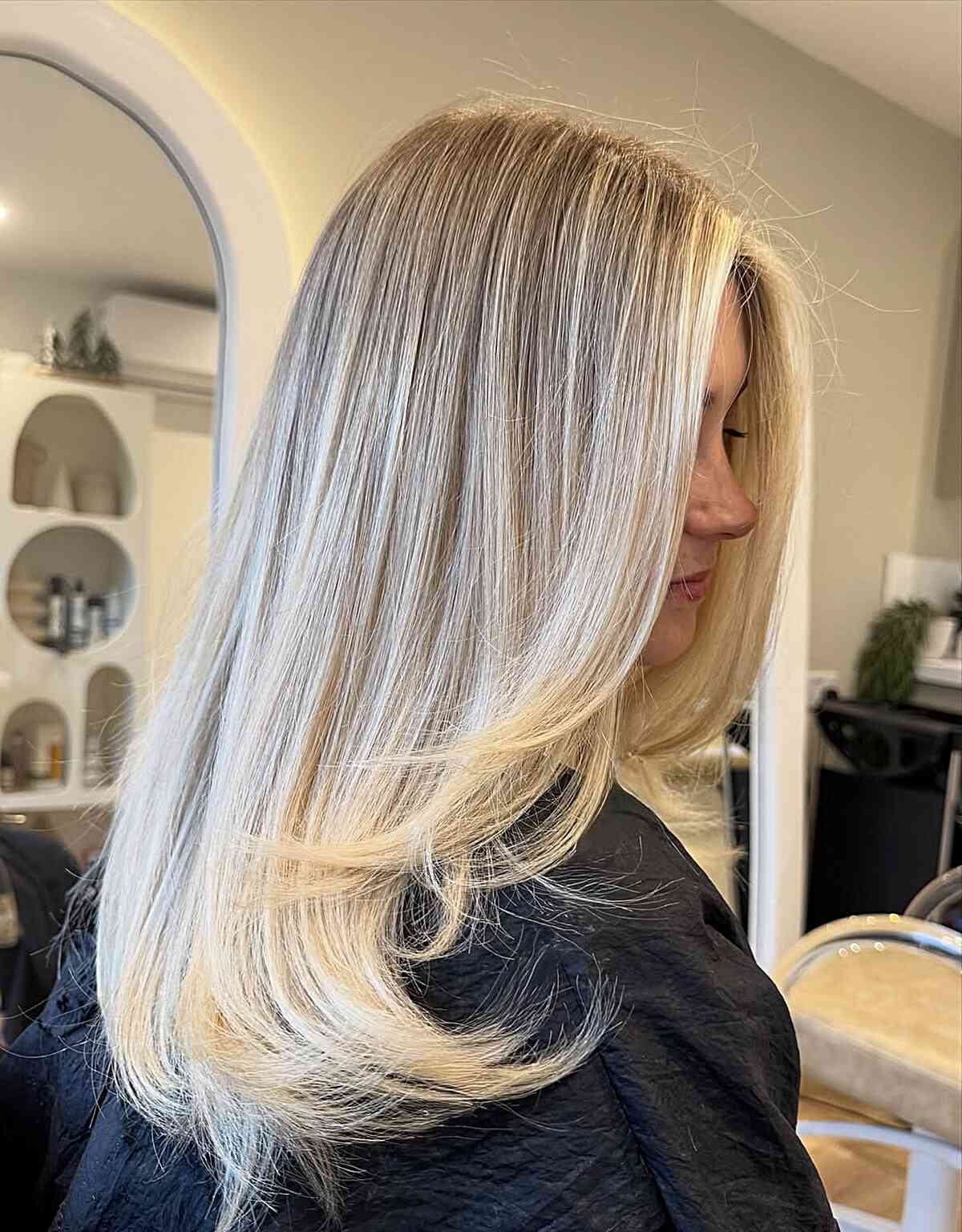
The technique here is straightforward: fine sections, close to the root, with a slightly wider spacing than a full foil. On collarbone-length, thick, wavy hair, that spacing prevents the highlights from clumping together and creating a solid blonde block. The blowout finish smooths the cuticle, so the light blonde highlights reflect evenly rather than catching in random kinks. Ask your colorist for: collarbone length layered cut, light blonde with simple highlights. Styling steps are minimal: a heat protectant before the blow-dry, then a texturizing spray on the mid-lengths for separation. The layers do the work of distributing the color through the waves.
Collarbone Layers Blonde With Light Blonde Highlights and Wavy Blowout
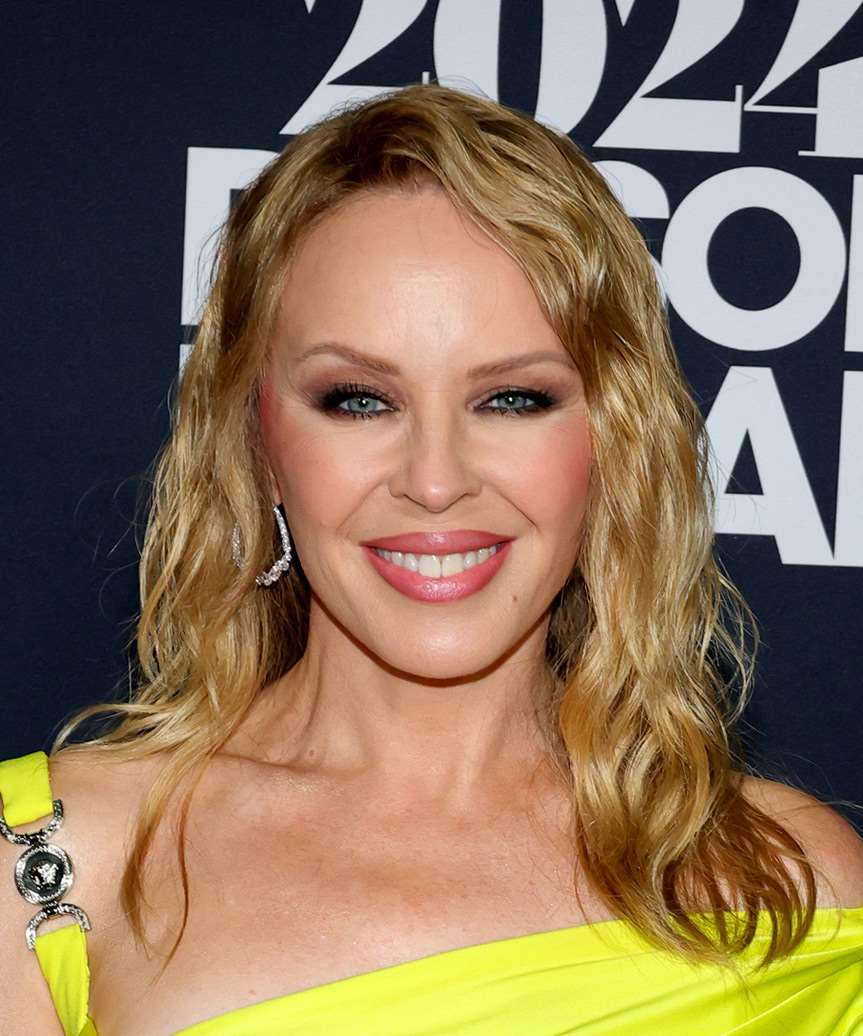
Curtain bangs can be the difference between a haircut you like and one you get stopped about. Here the collarbone-length layers frame the face without stealing the show, while light blonde highlights on a blonde base keep the color cohesive rather than stripy. The middle part and wavy blowout add volume without looking like you tried too hard. Ask your colorist for: collarbone length layered cut, curtain bangs, blonde base with light blonde highlights. Thick, wavy hair at collarbone length is the ideal starting point. Curtain bangs also help soften round faces without committing to full fringe upkeep. A root-lifting spray at the crown keeps the shape from falling flat, and a trim every six to eight weeks preserves the bang length.
Collarbone Layers Golden Blonde With Lighter Blonde, Wavy
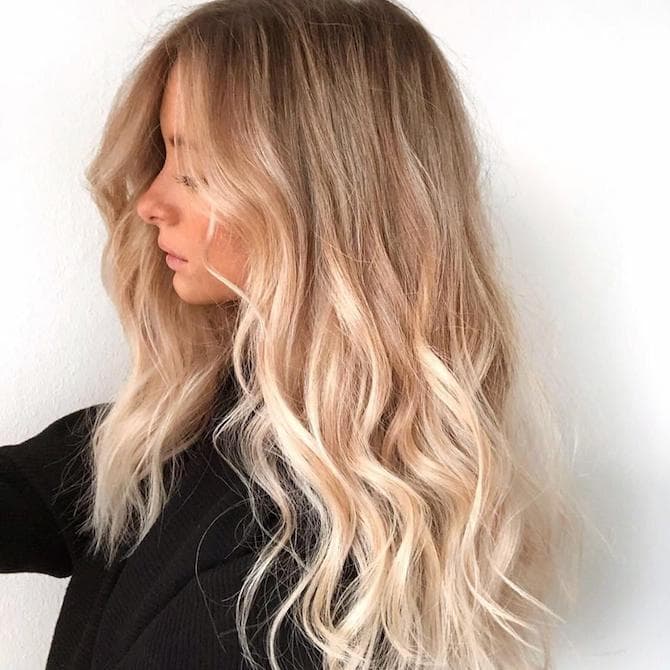
Golden blonde can turn brassy, but lighter blonde highlights woven through the ends create intentional contrast. The collarbone layers and side view show off the contrast without the highlights feeling chunky. Medium density hair benefits from the lighter pieces, which fake the volume you would otherwise need a curling iron for. Ask your colorist for: collarbone length layered cut, golden blonde base with prominent lighter blonde highlights. This is a salon project. The toner application alone takes a steady hand. The lighter pieces show regrowth faster than a single-process blonde would, so expect a toning appointment around week six.
Collarbone Layers Light Brown With Blonde Highlights, Middle
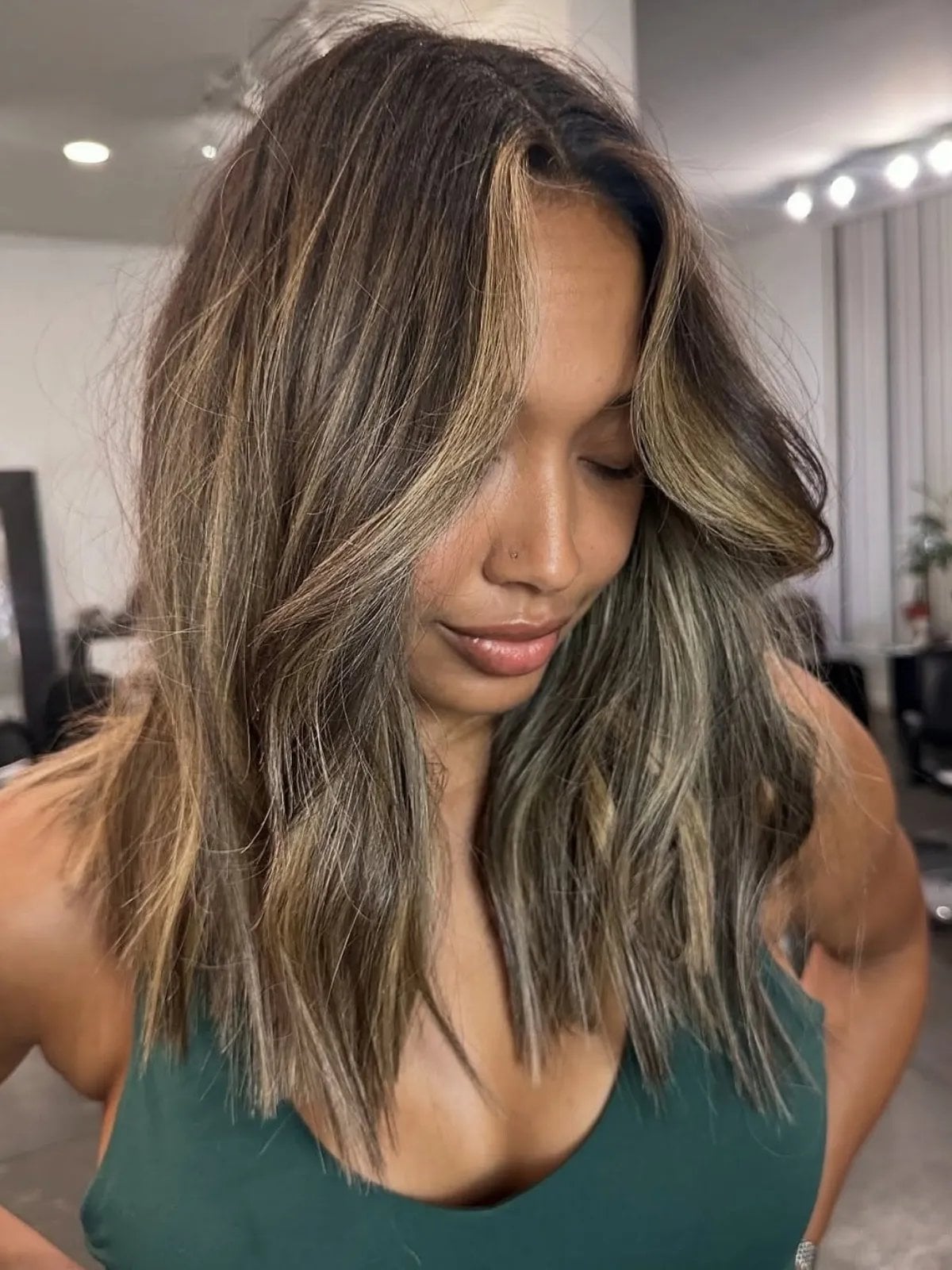
Does adding blonde highlights to light brown hair actually look different from a full bleach? Yes, and that difference is what makes this a solid everyday option. The face-framing layers and curtain bangs frame the face, while the middle part keeps the blonde pieces balanced on both sides. Thick, wavy texture at collarbone length holds the shape without constant re-curling. Ask your colorist for: collarbone length layered cut, curtain bangs, light brown base with blonde highlights. This is a strong candidate for the office-to-weekend transition. It works under a work blazer and still appears polished at brunch. The softness around the jaw also makes it a good match for anyone wanting to balance a round face shape.
Mid-Back Layers Dark Brown With Light Brown
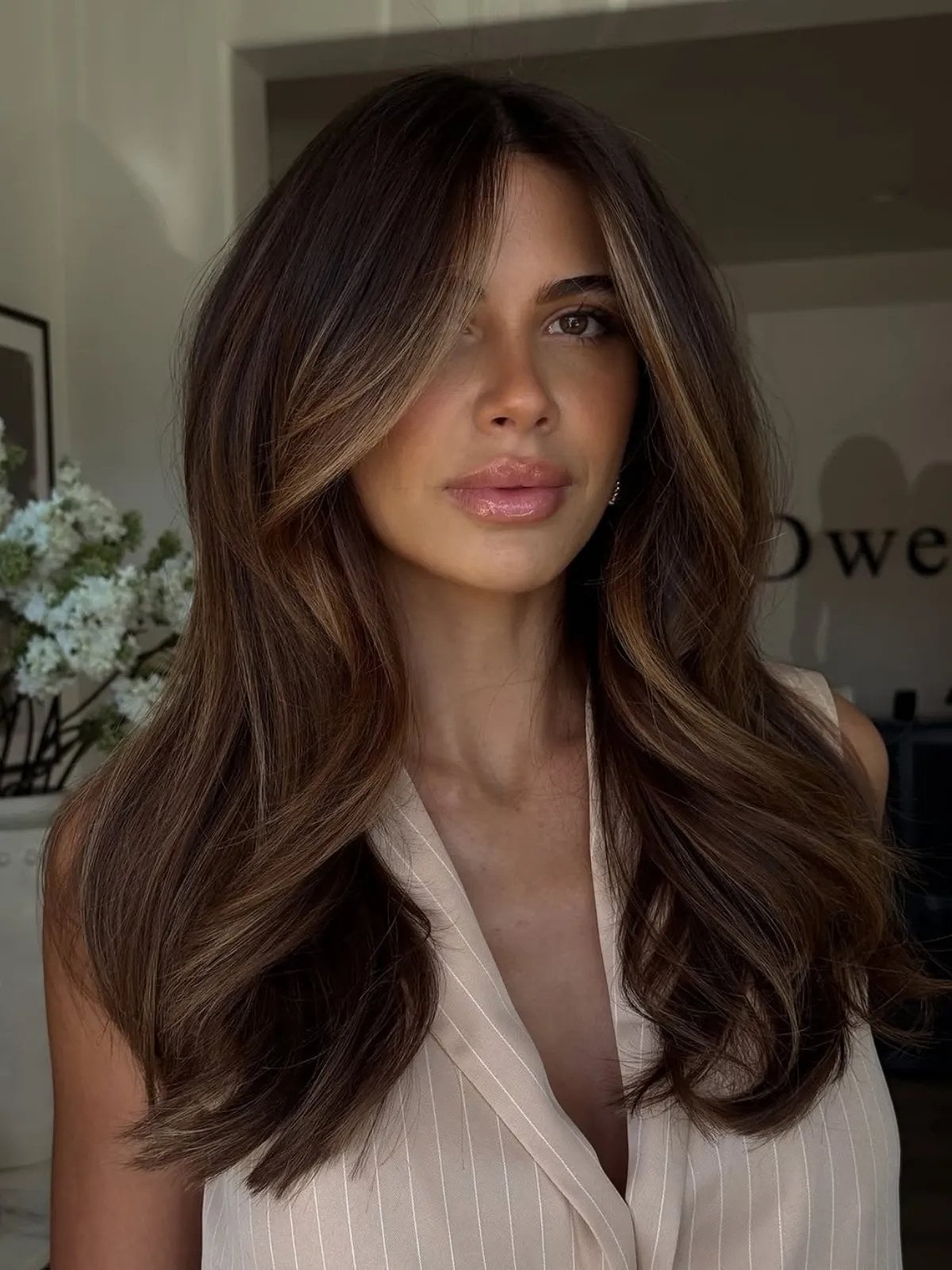
Dark brown hair in winter can look flat; light brown highlights are the easiest way to add depth without a full color change. The mid-back length and soft waves give the highlights room to travel, and the curtain bangs frame the face without shortening the overall length. Thick, wavy hair at this length benefits from the layers, which prevent the weight from pulling the wave out. Ask your colorist for: mid-back length layered cut, curtain bangs, dark brown base with subtle light brown highlights. This is a seasonal shift that works for fall and winter, when richer tones feel more natural than platinum. The lighter pieces sit close to the base shade, so grow-out is gradual rather than obvious.
Mid-Back Layers Brown With Blonde Highlights, Wavy
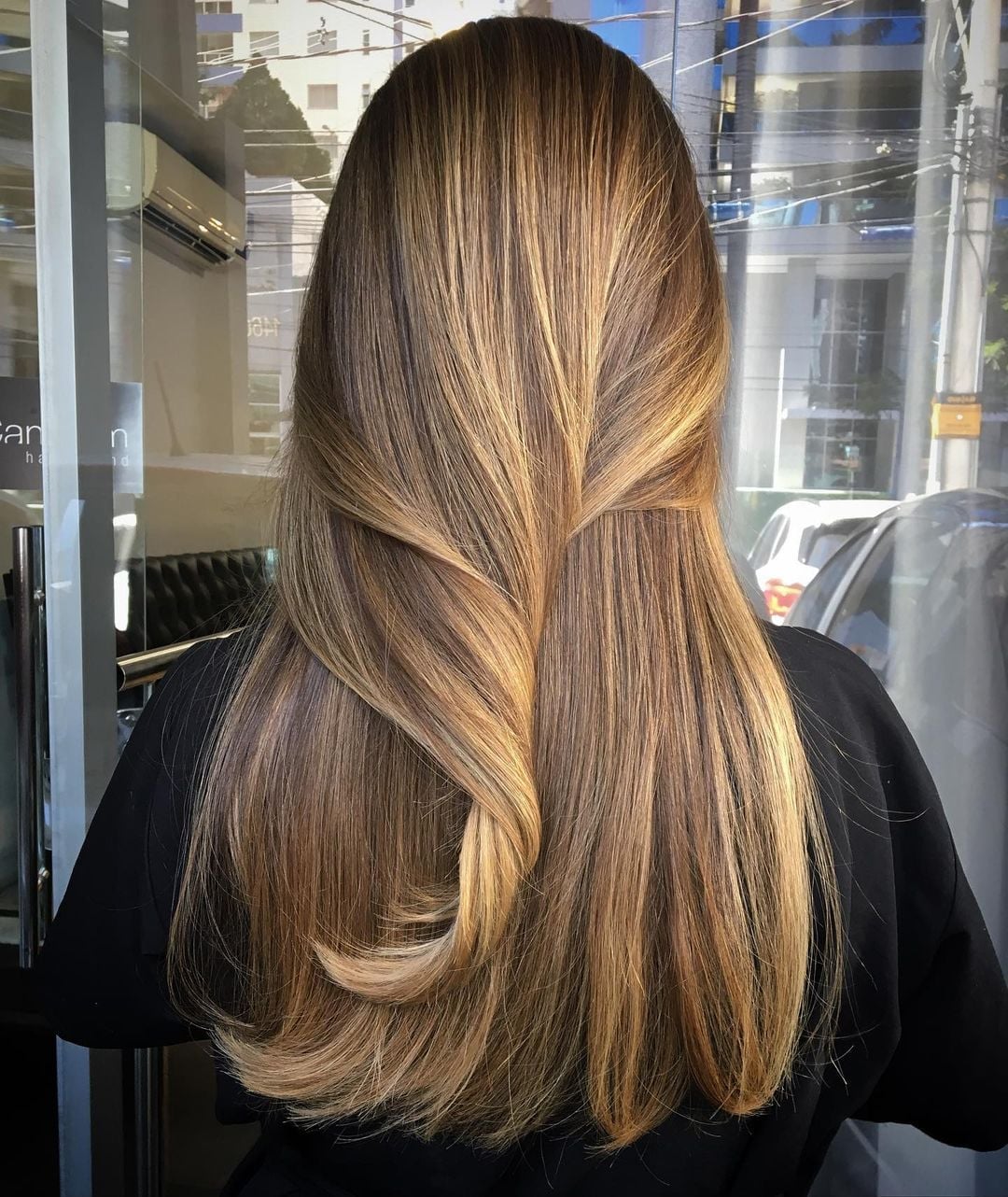
The mistake most people make with brown and blonde is placing the highlights too high, which creates a harsh root line. Here the blonde pieces start below the crown and run through the mid-back length, so the color looks dimensional without being stripey. Thick, wavy hair needs that strategic placement to avoid looking chunky. Ask your colorist for: mid-back length layered cut, brown base with numerous blonde highlights. A texturizing spray on the lengths gives the waves a lived-in finish without extra heat. Trim every eight to ten weeks to keep the ends healthy, since the lighter pieces are more porous and prone to dryness. The middle part helps the highlights fall evenly on both sides.
Mid-Back Layers Blonde With Golden Blonde
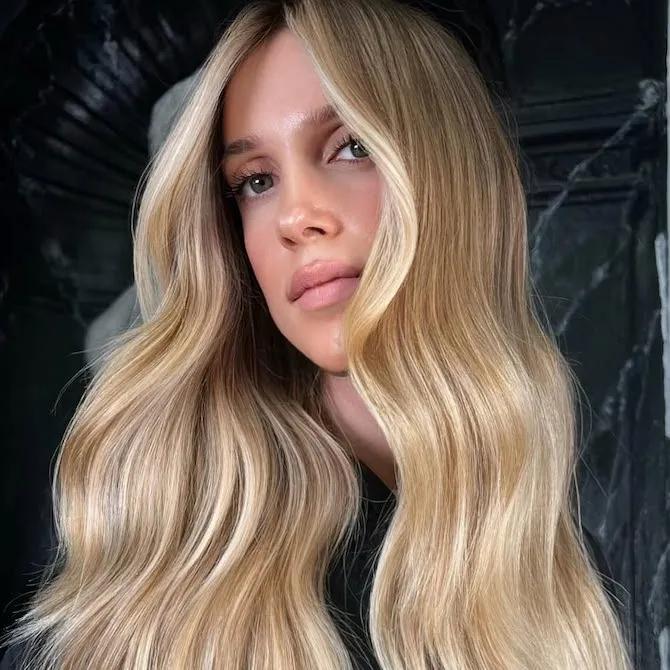
Golden blonde highlights on a blonde base are a reliable way to add warmth without going full brass. The mid-back length and wavy layers give the color room to breathe, and the thick texture keeps the highlights from looking sparse. It’s a look that works best on hair that already has some natural wave, because the movement is what shows off the dimension.
The honest trade-off here is upkeep. Golden tones fade faster than cooler ones, and they need a toning appointment every six to eight weeks to stay luminous rather than yellow. Ask your colorist for: mid-back length layered cut, blonde base with golden blonde highlights. A trim every ten weeks keeps the ends healthy and the waves defined.
Mid-Back Layers Golden Blonde With Lighter Blonde and Curtain Bangs
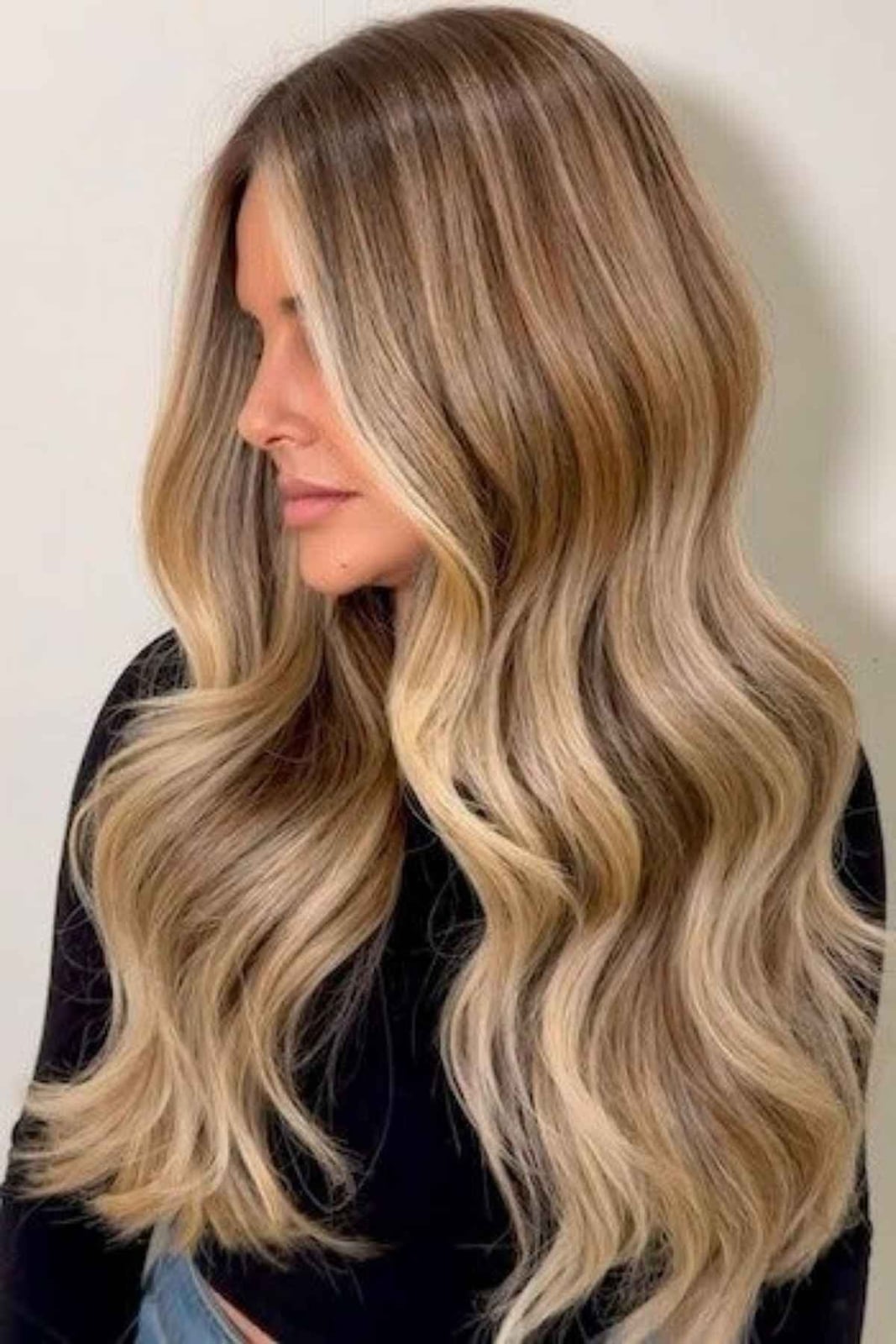
Can curtain bangs and golden blonde highlights coexist without looking like two different ideas? Yes, when the layers are built to work together. The face-framing pieces catch the lighter blonde highlights first, drawing attention upward, while the mid-back length carries the golden base. The thick, wavy texture is what keeps the curtain bangs from flopping flat.
This is a salon-only project. The highlights need precise placement around the bangs so the grow-out doesn’t create a harsh line, and the curtain bangs themselves need a dry cut after the color is done. Ask your colorist for: mid-back length layered cut, face-framing layers, curtain bangs, golden blonde base with lighter blonde highlights. It suits medium to thick hair with natural wave, and the face-framing layers soften round face shapes. A trim every eight weeks keeps the fringe from grazing your eyes.
Mid-Back Layers Light Brown With Fine Blonde and Flowing Waves
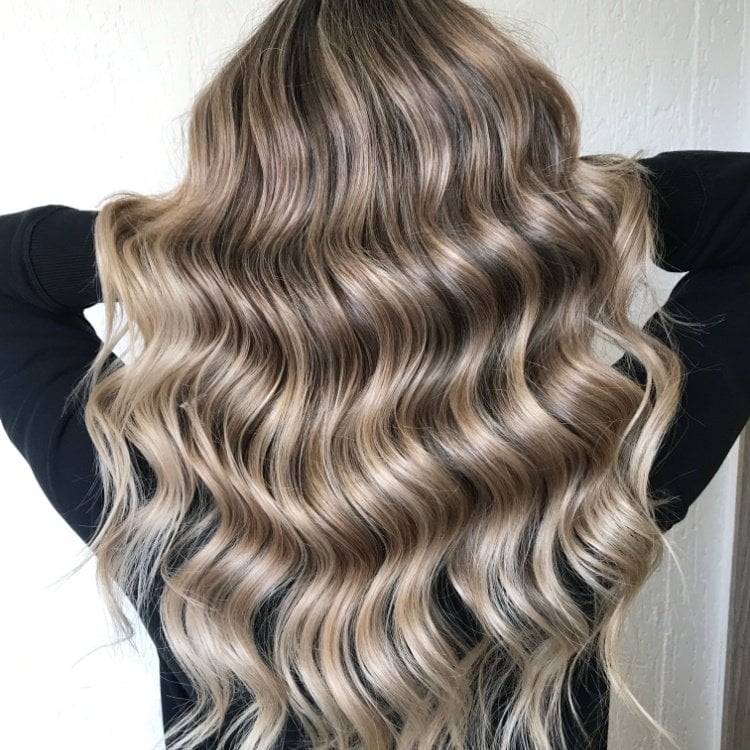
The design uses a light brown base with numerous fine blonde highlights. The thin sections of blonde run through the entire mid-back length, so the color gives a soft, natural lift. The thick, wavy texture is essential because the waves break up the highlights and keep them from lining up in rows.
For styling, a wide-tooth comb on damp hair and a lightweight mousse at the roots are enough. The flowing waves do the rest. Ask your colorist for: mid-back length layered cut, light brown base with numerous fine blonde highlights. A trim every eight to ten weeks maintains the shape. The dimensional color grows out softly, which means longer stretches between salon visits.
Mid-Back Layers Light Brown With Subtle Blonde, Close-Up Take
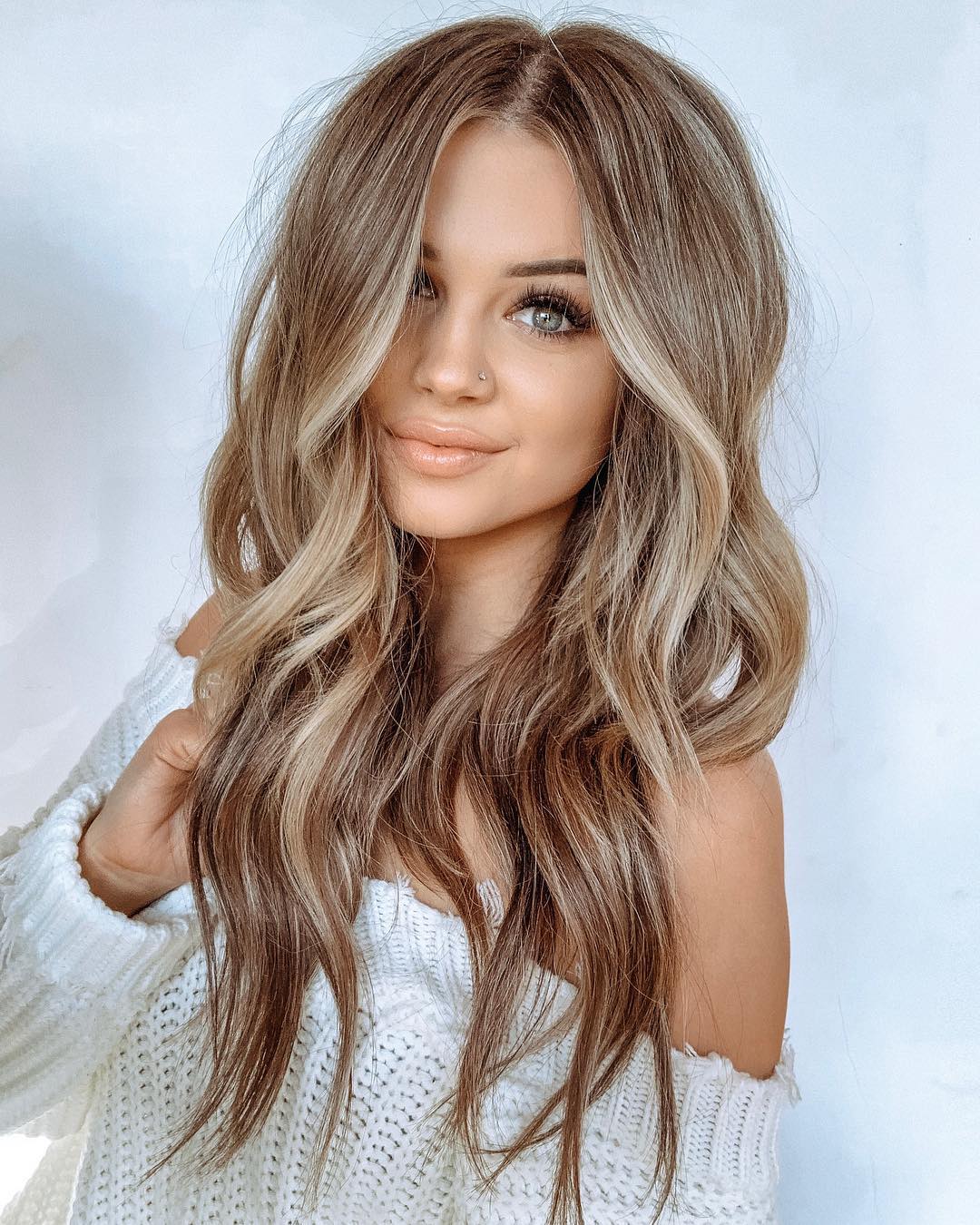
Compare this to a middle part version of the same color: the side part here shifts the highlight placement so that the lighter pieces fall asymmetrically. The loose waves on a mid-back length layered cut allow the subtle blonde highlights to catch light at different angles, creating more depth on one side than the other. It’s a small change in parting that changes how the dimension reads. Ask your colorist for: mid-back length layered cut, side part, light brown base with subtle blonde highlights. A trim every eight to ten weeks and a texturizing spray on the ends are all it needs.
Mid-Back Layers Dark Blonde With Ash Blonde
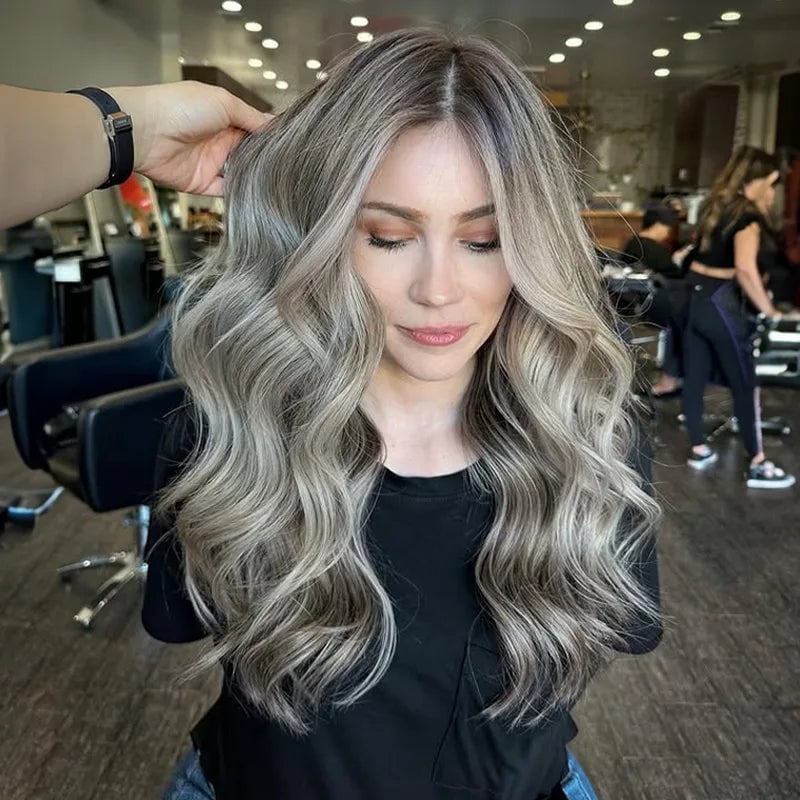
The ash blonde highlights here sit on a dark blonde base, which creates a cooler overall tone than a golden or warm blonde would. The curtain bangs and wavy blowout give the color a lived-in feel rather than a flat, all-over ash effect. The thick texture is key because it keeps the ash from looking muddy.
This is a salon-only color, and there is one real drawback: ash tones can pull gray or dull if the base is too dark or the highlights are too fine. Ask your colorist for: mid-back length layered cut, curtain bangs, dark blonde base with ash blonde highlights. A toning appointment every six weeks prevents the ash from shifting brassy. A trim every eight weeks keeps the curtain bangs at the right length.
Mid-Back Layers Light Brown With Blonde Contrast, Everyday Version
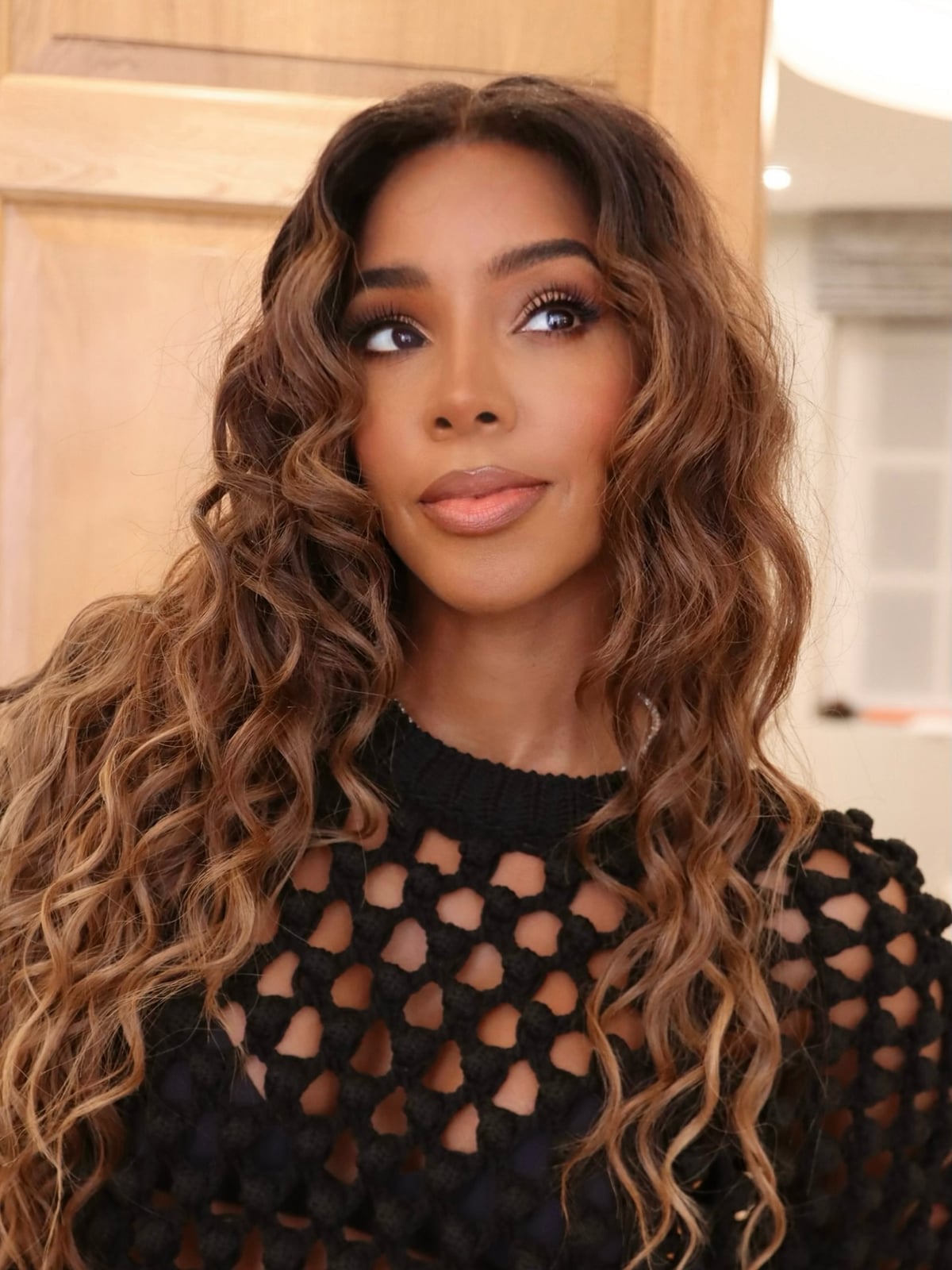
Does the contrast between a light brown base and blonde highlights actually hold up past day one? In this case, yes. The middle part and front-facing layers keep the blonde pieces visible even when the waves relax, so the dimension does not disappear by noon. Thick, wavy hair starting at mid-back carries the shape well, and the layers prevent it from feeling heavy.
Ask your colorist for: mid-back length layered cut, light brown base with visible blonde highlights. A texturizing spray helps the waves hold their shape without looking stiff. Plan on a trim every eight to ten weeks, and a toning appointment around the same interval to keep the blonde from pulling warm against the brown base.
Mid-Back Layers Golden Blonde With Lighter Blonde, Office-Safe Version
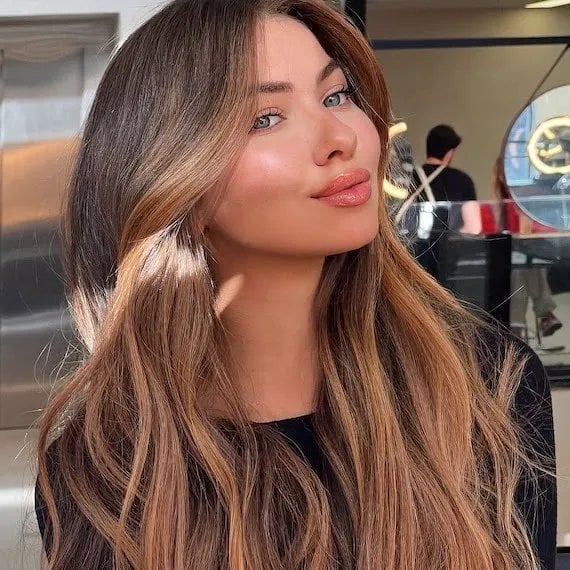
The design relies on a golden blonde base with lighter blonde highlights placed to catch overhead light. Side view shows the face-framing layers softening the overall shape. Thick, wavy hair at mid-back gives the waves enough weight to fall smoothly. Ask your colorist for: mid-back length layered cut, golden blonde base with lighter blonde highlights. The warmth in the base makes this a natural fit for spring and summer, when brighter hair does not feel out of place under fluorescent lights.
Mid-Back Layers Light Brown With Lighter Brown, Side
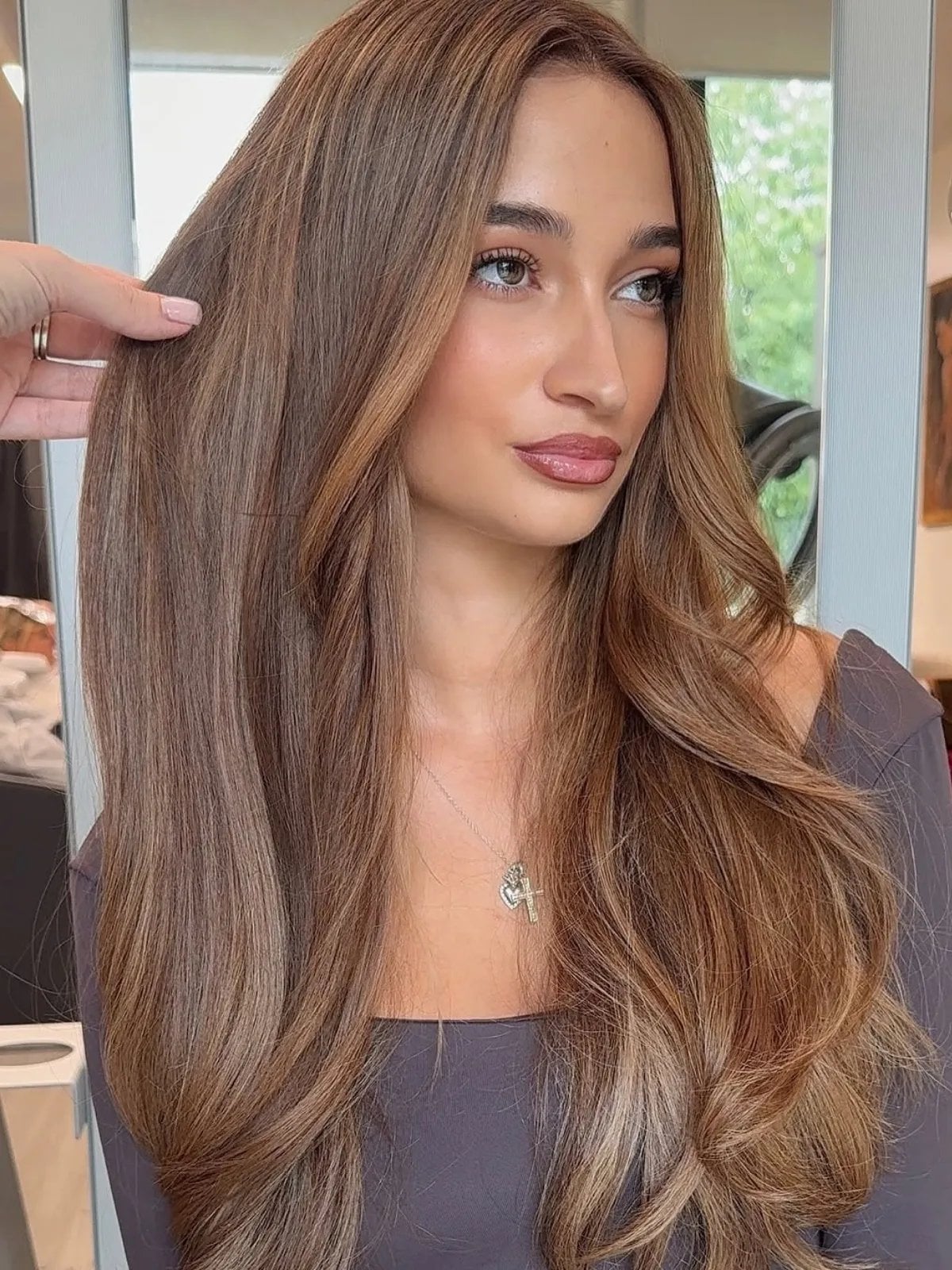
The mistake most people make with dimensional color on a light brown base is going too light, too fast. The side view here shows the smarter approach: lighter brown highlights that sit close to the base shade, so the contrast reads as depth rather than stripes. Thick, wavy hair at mid-back benefits from the subtle lift because it prevents the color from looking flat when the waves settle.
Ask your colorist for: mid-back length layered cut, light brown base with subtle lighter brown highlights. The trick is keeping the highlight sections fine and spacing them unevenly. That avoids the uniform stripe effect that happens when foils are placed too evenly. A smoothing serum finishes the look without weighing down the waves.
Mid-Back Layers Dirty Blonde With Light Highlights, Softer Variation
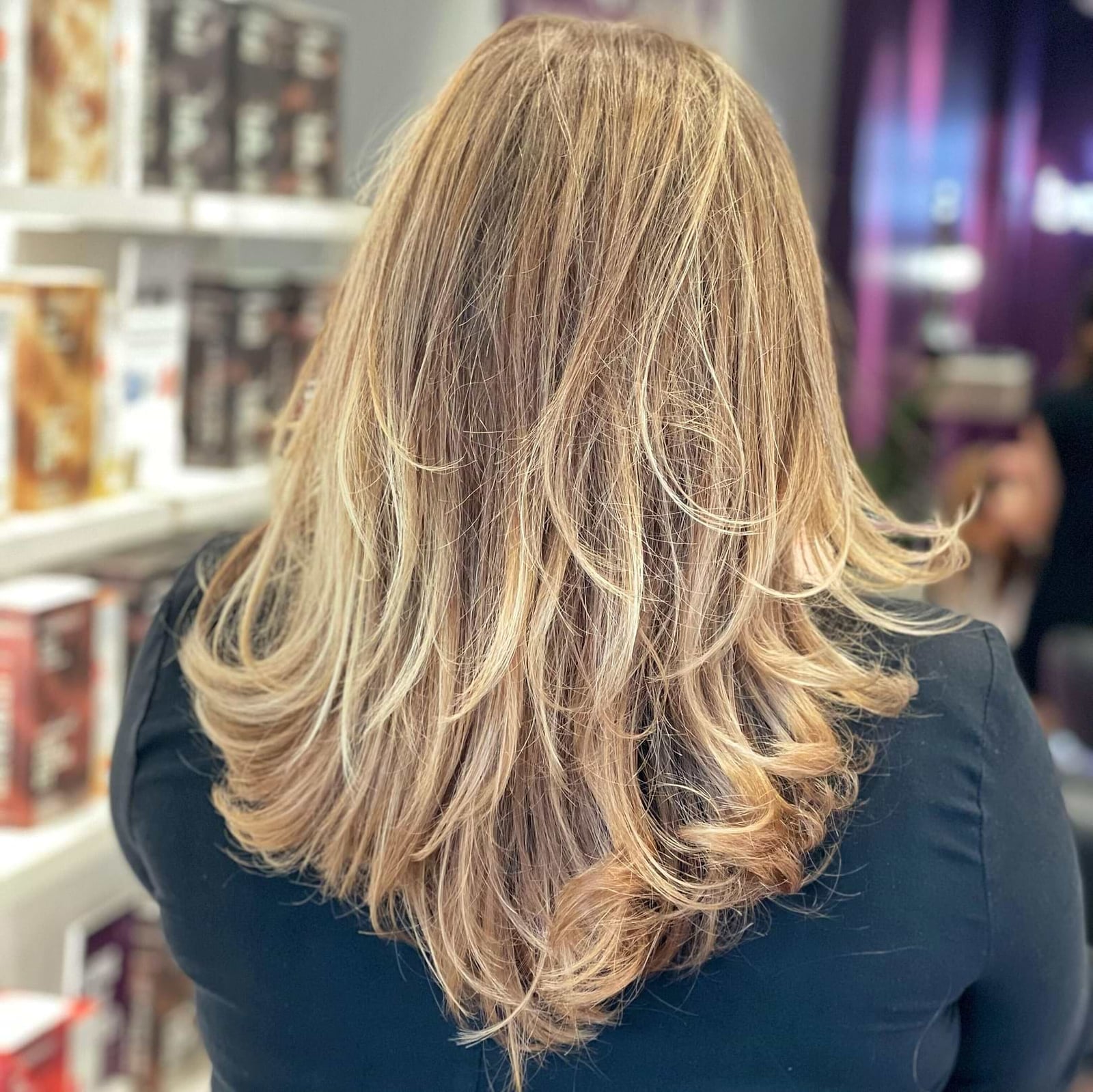
This is a fair trade-off: the back view shows a layered cut that gives dirty blonde hair real movement, but the light highlights woven through it require more maintenance than you might expect. The dirty blonde base means the highlights need to lift enough to register, which can mean a stronger developer and more frequent toning.
Ask your colorist for: mid-back length layered cut, dirty blonde base with subtle light blonde highlights. If you prefer to stretch salon visits, skip this one. The grow-out on dirty blonde with light highlights tends to look muddy rather than lived-in after about six weeks. For anyone who does commit, a texturizing spray adds definition to the layers and keeps the soft waves from falling flat.
Mid-Back Layers Medium Brown With Blonde Highlights, Bolder Variation
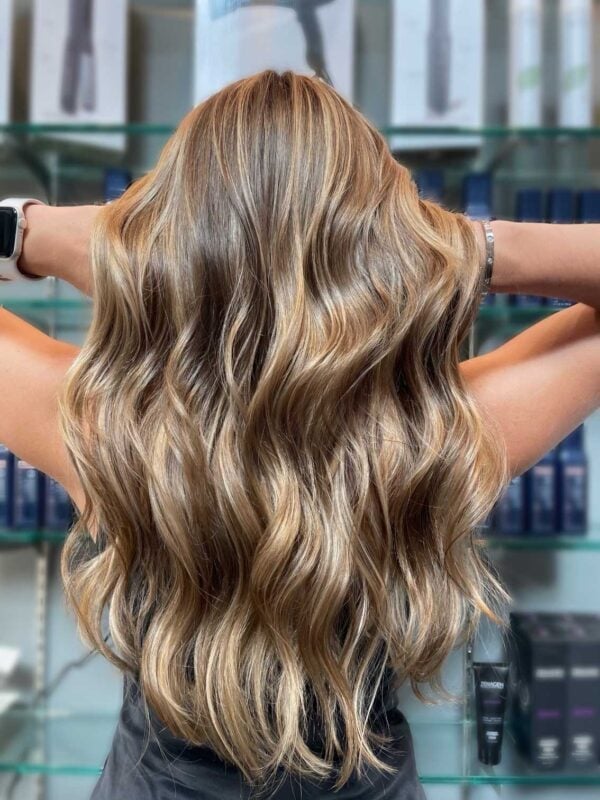
Can a medium brown base handle noticeable blonde highlights without looking like two separate colors? Yes, when the blonde pieces are kept fine and distributed through the mid-back length. The middle part and loose waves let the highlights peek through at different angles, so the contrast has a soft, blended effect. Thick, wavy hair is ideal here because the texture softens the transition between shades. Ask your colorist for: mid-back length layered cut, medium brown base with subtle light blonde highlights. This is strictly a salon job. The lift required to go from medium brown to light blonde is significant, and the placement needs to stay fine to avoid chunky results.
Mid-Back Layers Natural Blonde With Light Highlights, Middle
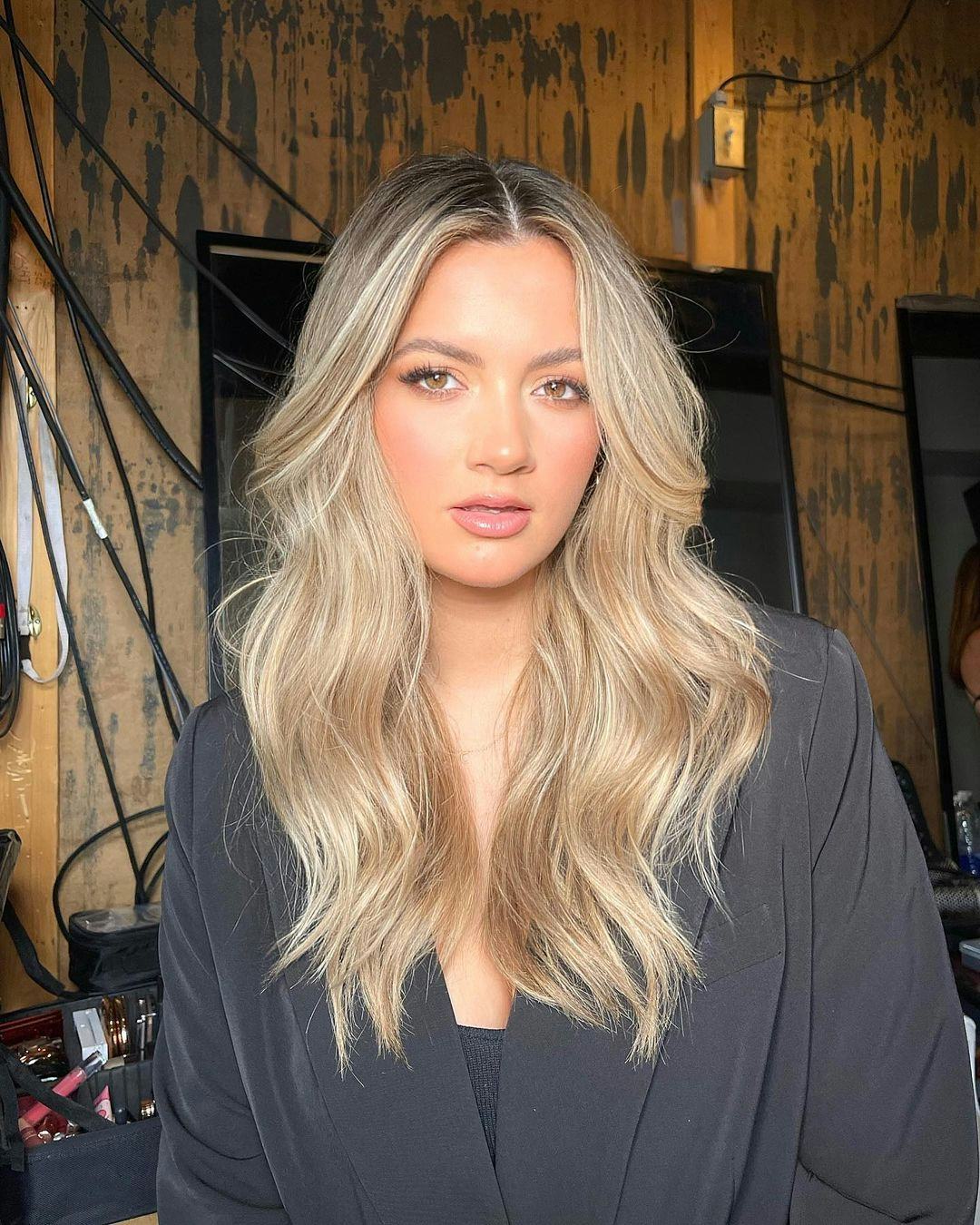
The design relies on a middle part to let the natural blonde base and subtle light blonde highlights appear as two distinct tones. Thick, wavy hair starting at mid-back needs that deliberate layering to keep the shape from widening, and the loose waves in the front view confirm the cut has enough internal weight removed to move freely. The glossy finish is the result of a clear gloss over the highlights, which also softens the contrast between the base and the lighter pieces.
Ask your colorist for: mid-back length layered cut, natural blonde base with subtle light blonde highlights. The technique involves painting the light pieces through the ends only, leaving the root area untouched for a grown-in feel that extends the time between appointments. A volumizing mousse applied to damp waves before air-drying or diffusing preserves the body without weighing down the layers. Trim every eight to ten weeks to maintain the shape through the ends.
Final Thoughts
For fine hair, keep the highlights fine and blended close to the root so the color looks natural as it grows. For thicker hair, slightly bolder, more spaced-out highlights create better dimension without looking heavy.
- Schedule salon toning touch-ups every 8-12 weeks to maintain highlight vibrancy.
- Use a color-safe shampoo and conditioner to preserve the color’s freshness.
- Incorporate a weekly deep conditioning treatment to keep highlighted hair hydrated.
- Minimize heat styling; when necessary, use a heat protectant spray.
Subtle highlights offer endless possibilities for enhancing your natural beauty.