
The pixie bob sits right where short hair meets practical, borrowing the bob’s weight line and the pixie’s easy attitude. Right now, lived-in color and soft face-framing layers are replacing the old one-length blunt crop, which means more movement and less time with a flat iron.
These 33 versions of the Simple Pixie Bob Haircut span everything from air-dried waves to sleek evening shapes, so you can find your match whether your hair is fine or thick, your face round or square, and your schedule full or flexible. No more guessing if a fringe will cooperate or if a short cut will fall flat by noon.
Wavy Reddish-Brown Textured Pixie

This wavy pixie haircut leans on its texture to do the talking, with tousled layers that stop at the ear and short, textured bangs that keep the whole thing from feeling precious. The side part gives fine, wavy hair a natural lift at the root, which is exactly what this cut needs to avoid falling flat. If your hair is on the fine side and you’re starting from ear length or shorter, this is a shape that works with your texture instead of fighting it. Ask your stylist for: short, textured pixie with wavy finish. A dab of texture paste through damp hair and an air dry keeps the tousle honest, and a trim every six weeks preserves the shape.
Chic Ash Blonde Pixie Bob

Ever look at a short cut and wonder how it stays so polished without looking stiff? This ash blonde pixie bob answers that with a smooth, layered finish and a side-swept fringe that softens the chin-length line. The root shadow does the heavy lifting here: it gives the blonde depth and keeps the grow-out from feeling stark. Fine, straight hair starting at chin length can pull off this look, especially if your face is more oval than round. Ask your stylist for: ash blonde pixie bob with root shadow and side-swept fringe. A smoothing serum and a round brush blow dry get you there, and a trim every six to eight weeks keeps the line crisp.
Textured Light Blonde Pixie Cut
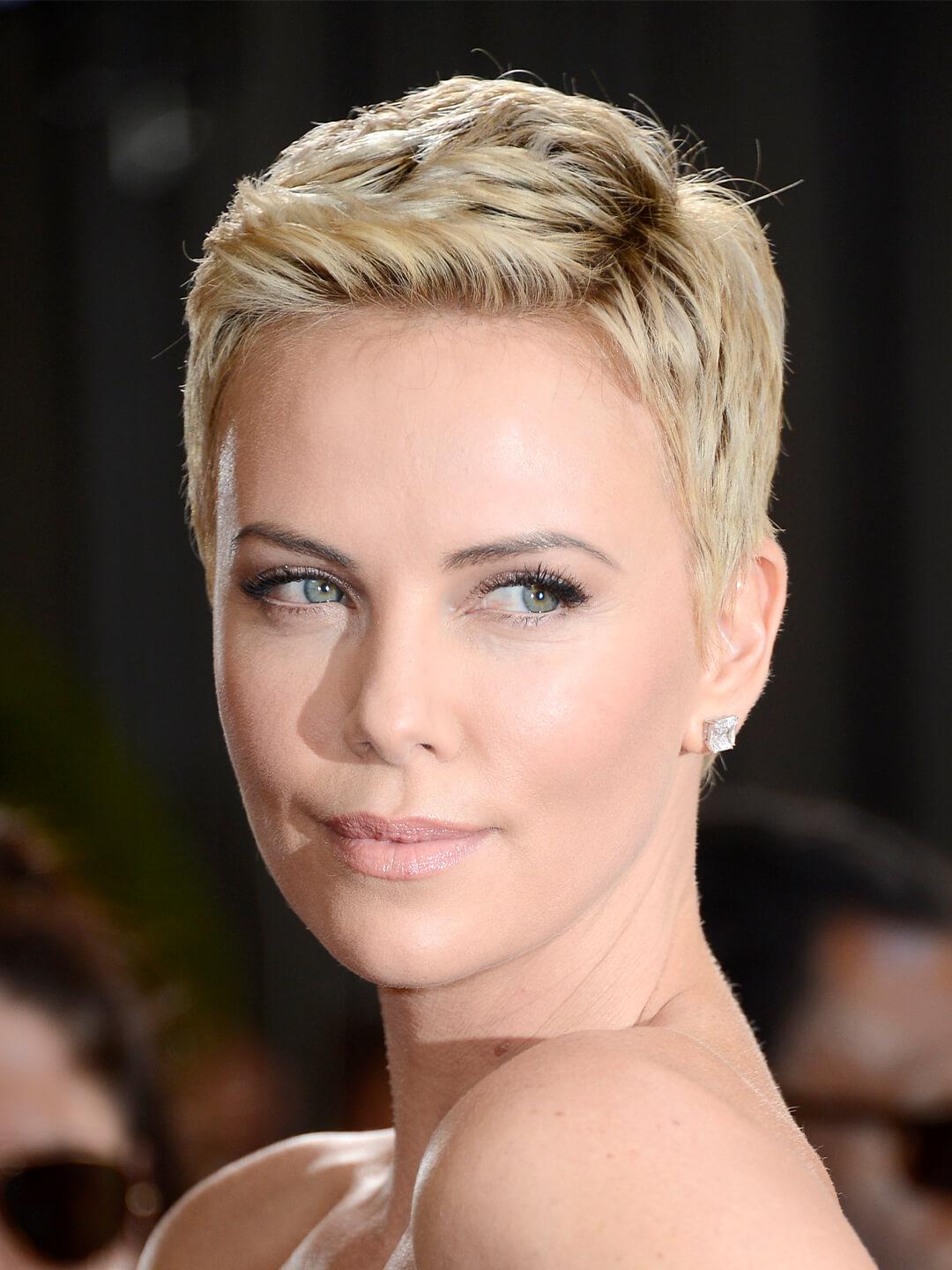
The trick to this light blonde pixie cut is in the choppy layers on top, which are cut short enough to hold their own on fine, straight hair. Swept forward over shorter sides, the fringe lands just above the brow, and the whole shape is styled with a slight forward motion that gives the crown some actual volume. If your hair is fine and you’ve got it at ear length or shorter, this cut reads as fuller than it is, which is a nice trick. Ask your stylist for: light blonde pixie with choppy layers and swept-forward fringe. A texturizing spray at the roots and a quick tousle with fingertips is all the styling it needs, though a trim every four to six weeks is non-negotiable to keep the layers from merging.
Air-Dried Brown Pixie With Short Bangs
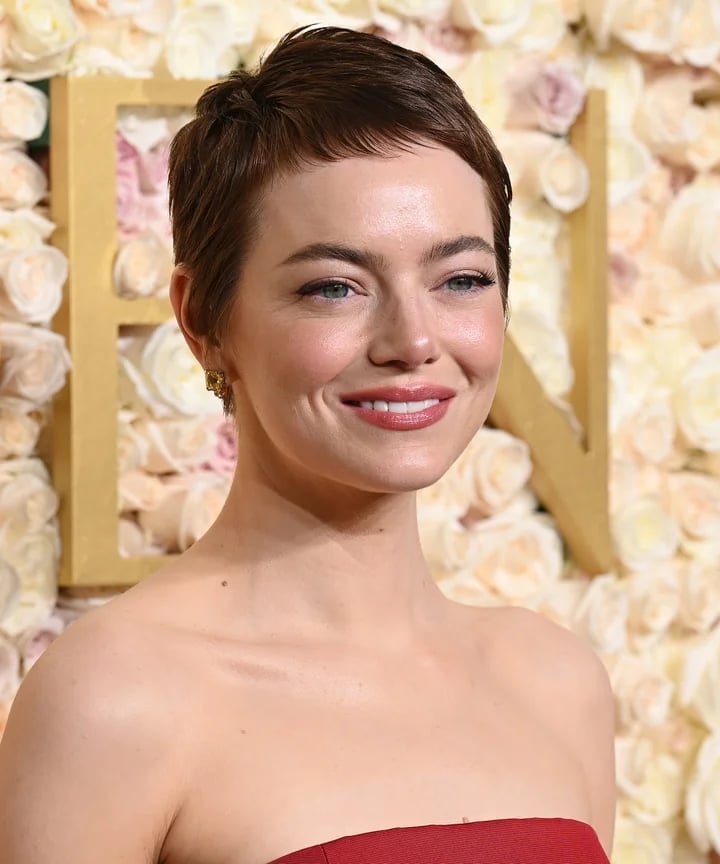
Where other pixies demand a round brush and patience, this one is the exception that air dries into something wearable. The brown wavy texture with short bangs and a middle parting lands at the ear, and the textured top does the work of styling itself. It’s the kind of cut you can wash, shake, and walk out the door with, though the reality is that the middle part needs your natural wave to cooperate. If your hair is fine and wavy, this is about as low-maintenance as short hair gets. Ask your stylist for: short, air-dried brown pixie with short bangs. A leave-in conditioner on damp hair helps the wave clump, and a trim every six to eight weeks keeps the ends from looking straggly. It’s a DIY-friendly cut, but the initial shape has to be right for the air-dry finish to work.
Slicked Black Pixie With Short Bangs
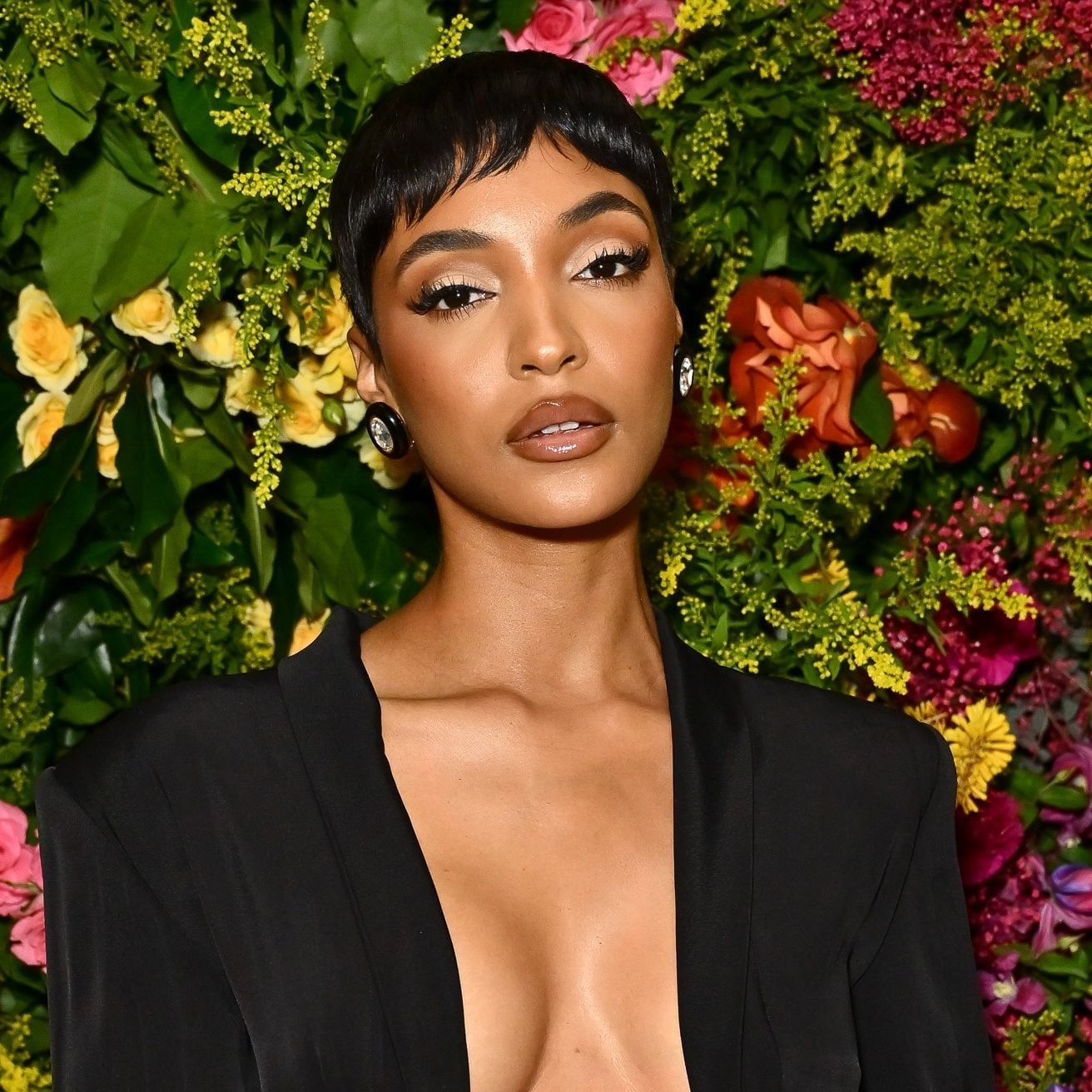
The sharp contrast of a slicked black pixie is its whole point, with straight, fine hair combed back from a middle parting and short bangs that keep the look from feeling severe. It’s precise, almost architectural, and it does not compromise. The trade-off is that this style shows every bit of regrowth and requires a strong-hold gel or pomade to stay put, so it’s a high-maintenance look in a small package. Fine, straight hair at ear length or shorter can carry it, especially on oval or long faces where the sleek lines add a little width. Ask your stylist for: slicked back black pixie with short bangs. A trim every four to six weeks is essential, since even a week of growth blurs the clean lines that make this cut work.
Dark Brown Pixie Bob With Finger Waves
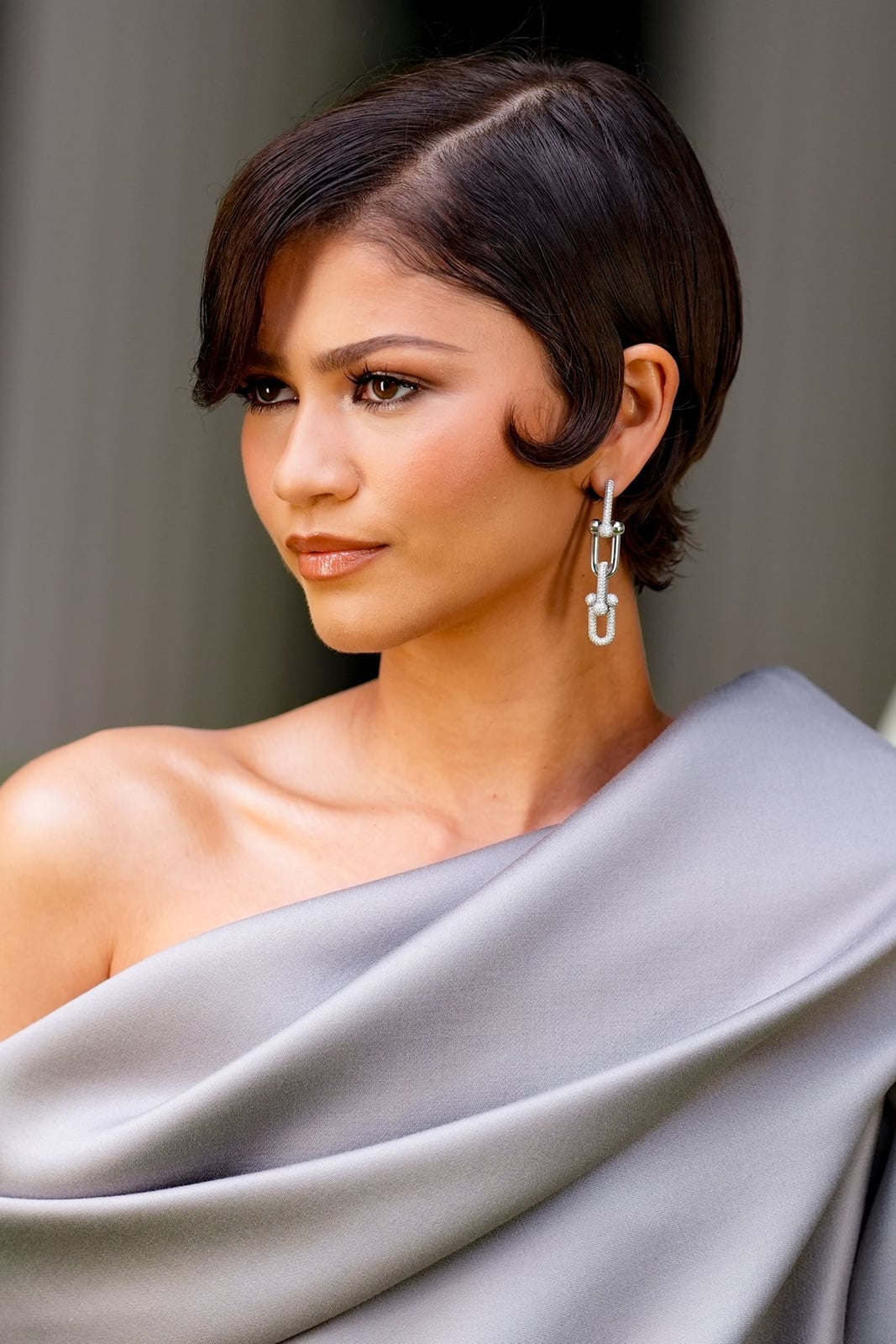
Finger waves require a specific technique: the stylist uses a comb and setting lotion to mold fine, straight hair into S-shaped ridges, then dries it with a diffuser to lock the pattern in place. The result is a dark brown pixie bob with a side parting and smooth, sculpted waves around the temples and ears. Ask your stylist for: dark brown pixie bob with finger waves. This vintage approach works best on fine, straight hair of ear length or shorter, adding a touch of structure to oval faces.
Textured Dark Brown Pixie With Straight Bangs
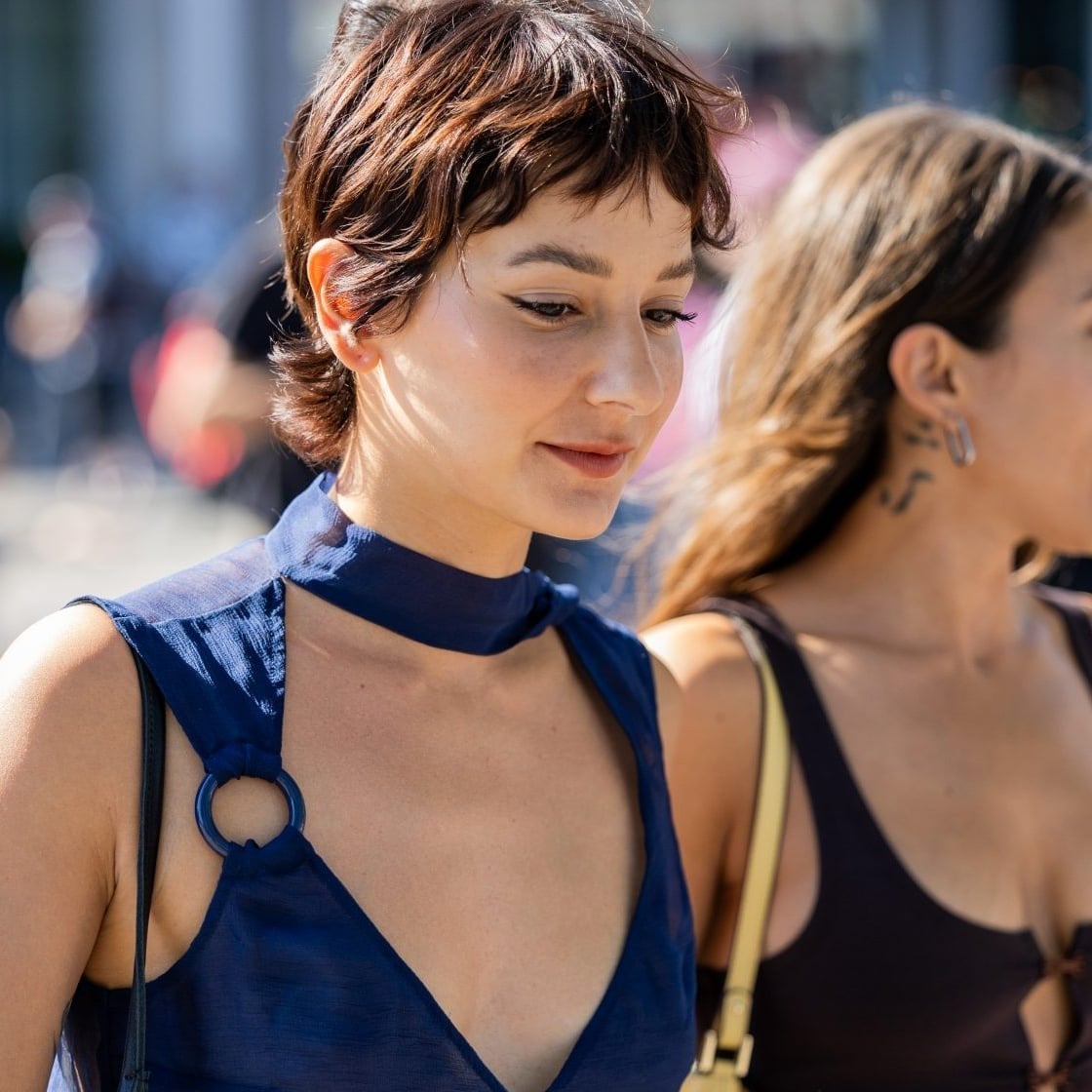
Can a textured pixie with straight bangs work for your hair type? It suits fine, wavy hair starting at cheekbone length, with the bangs doing double duty to soften square and round faces. The cut itself is a dark brown pixie with a middle parting and straight, textured bangs that frame the face. Ask your stylist for: dark brown pixie with textured straight bangs to cheekbones. To keep the definition, apply a texturizing spray and scrunch. Plan to trim those bangs every three to four weeks, because they grow fast and lose their line.
Voluminous Ash Blonde Pixie Bob
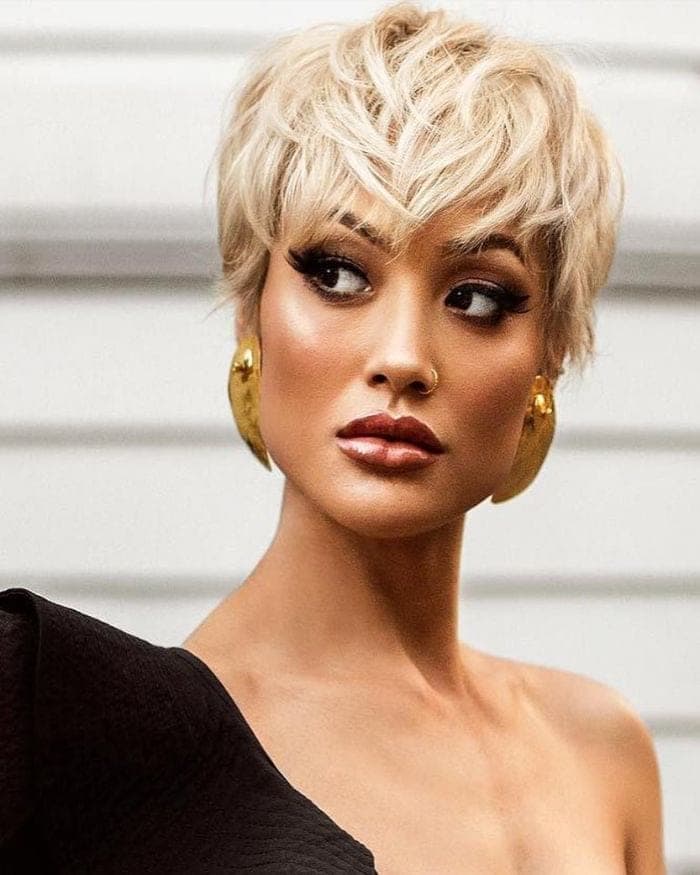
Where a standard pixie bob relies on clean lines, this version goes all in on volume at the crown. The ash blonde pixie bob uses short, choppy layers to lift fine, wavy hair from the root, creating a full, dynamic shape. Ask your stylist for: ash blonde pixie bob with crown volume and choppy layers. The textured bangs blend into the sides, keeping the silhouette soft. One real drawback: on fine hair, that crown volume can fall flat by midday without a strong mousse and a blow-dry upside down.
Sleek Dark Brown Angled Pixie Bob
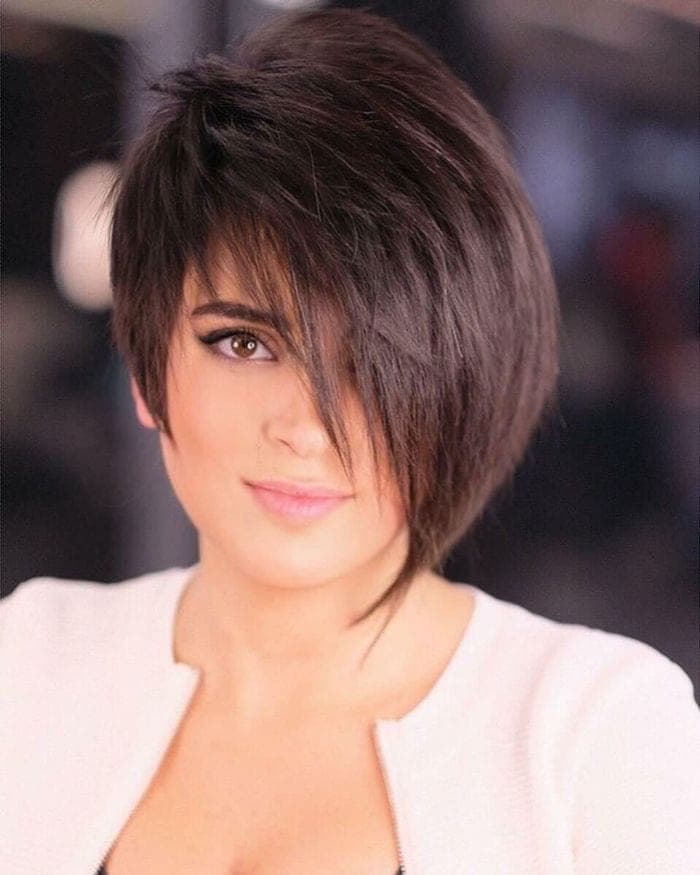
The sharp angle here is the whole point: the front sections hit chin length while the back stays short and layered, creating a distinct diagonal line. This sleek dark brown pixie bob uses a side-swept fringe that partially covers one eye, adding asymmetry. Ask your stylist for: sleek dark brown angled pixie bob, longer front. Fine, straight hair holds that clean edge best, and a smoothing cream plus a paddle brush during blow-drying keeps it polished. Expect a trim every six to eight weeks to maintain the precision.
Air-Dried Dark Brown Shag With Curtain Bangs
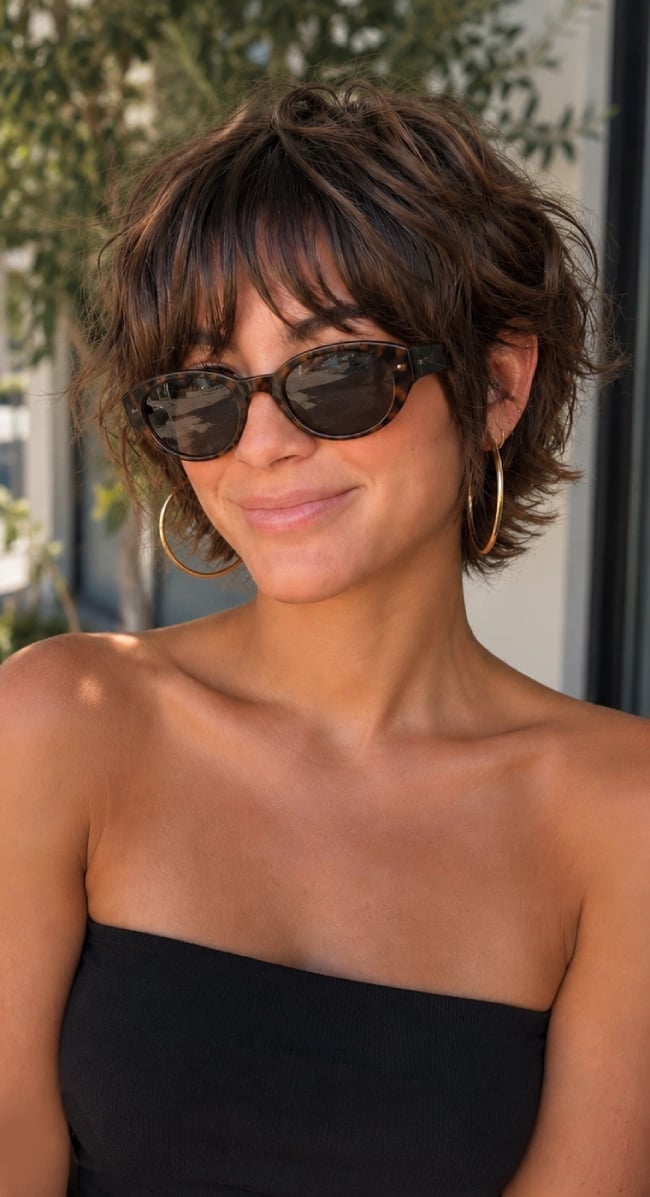
How do you get that lived-in shag look at home? Start with damp, thick, wavy hair of ear length or longer, then apply a sea salt spray and scrunch. Let it air dry for a soft, textured finish. This dark brown shag features wispy curtain bangs and a middle parting, with layers that end around the ear. Ask your stylist for: ear-length shag with wispy curtain bangs. The DIY approach is straightforward, though the initial cut requires a salon visit to get the layering right. The curtain bangs soften round and square faces without much daily effort.
Textured Blonde Pixie With Side Fringe
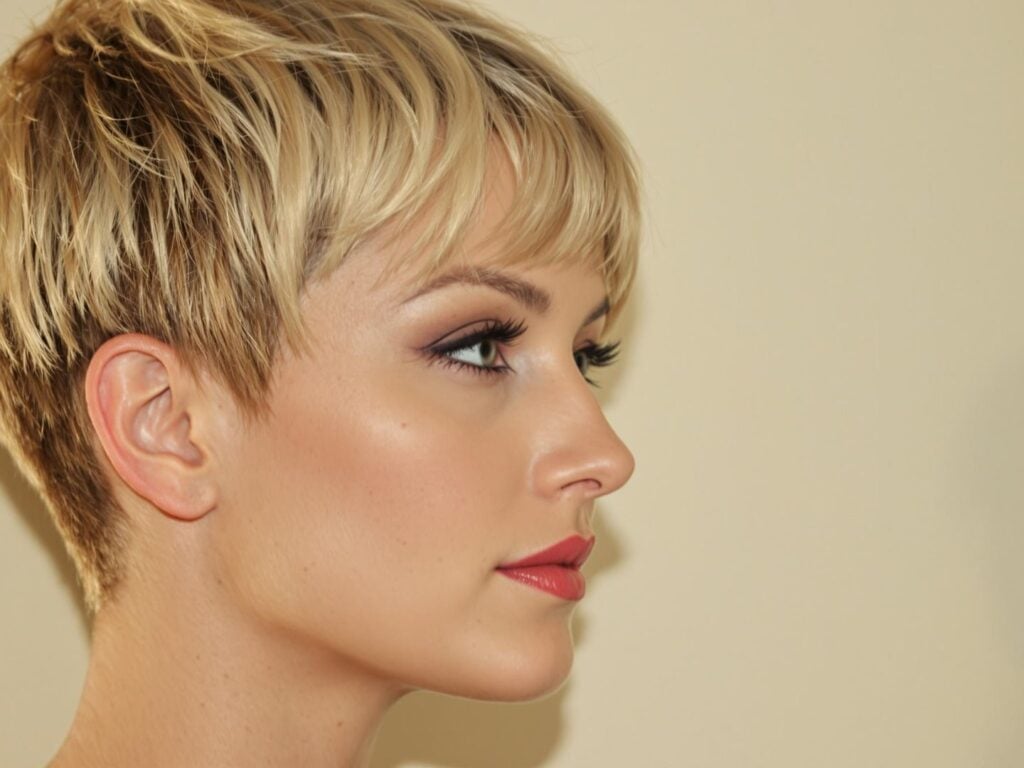
A short fringe on a pixie cut is a design decision, not a casual add-on. This ear-length blonde version uses a side part to sweep the fringe across the forehead, softening the overall shape for fine, straight hair. The trade-off is that a short fringe requires precise trimming every four to six weeks, and it shows every bit of oil or product buildup. Ask your stylist for: ear-length blonde pixie with a short side fringe. Use a texturizing spray and a blow dryer with a nozzle to direct the fringe, and accept that this is a salon-maintained look, not a grow-out-friendly one.
Ash Blonde Shag Bob With Curtain Bangs
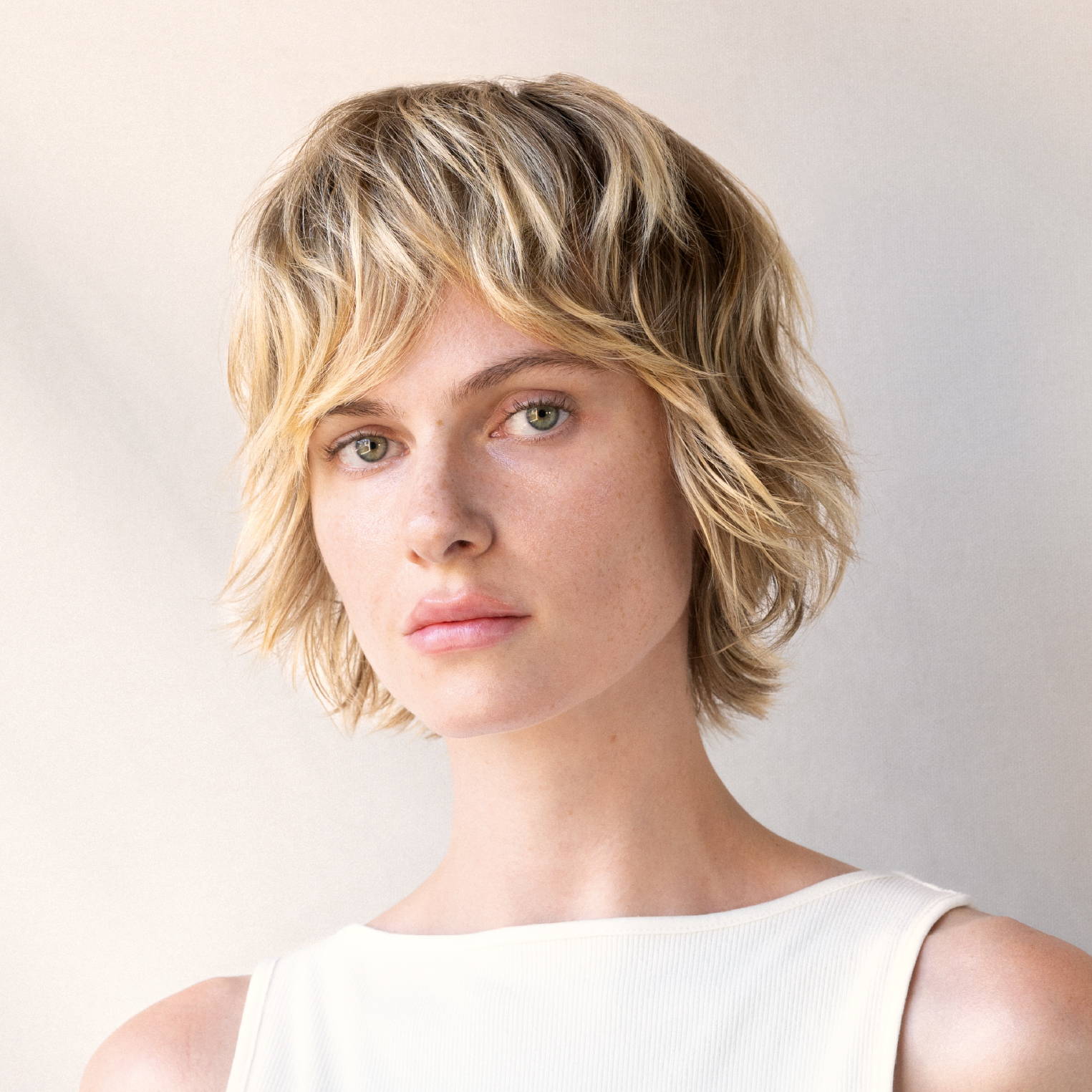
A chin-length shag bob with curtain bangs works best on fine, wavy hair that air-dries into texture rather than fighting it. The ash blonde base with subtle highlights adds dimension without high contrast, and the middle part lets the bangs frame the face evenly. This cut suits most face shapes, but it truly shines on oval and heart shapes where the bangs can soften the forehead. It’s a modern everyday look that reads as intentional rather than overstyled. Ask your stylist for: chin-length shag bob with curtain bangs, ash blonde. Apply a texturizing spray or mousse to damp hair and scrunch, then let air dry or diffuse. A trim every eight to ten weeks keeps the shape from turning into a shapeless blob.
Platinum Blonde Pixie Bob With Curtain Bangs
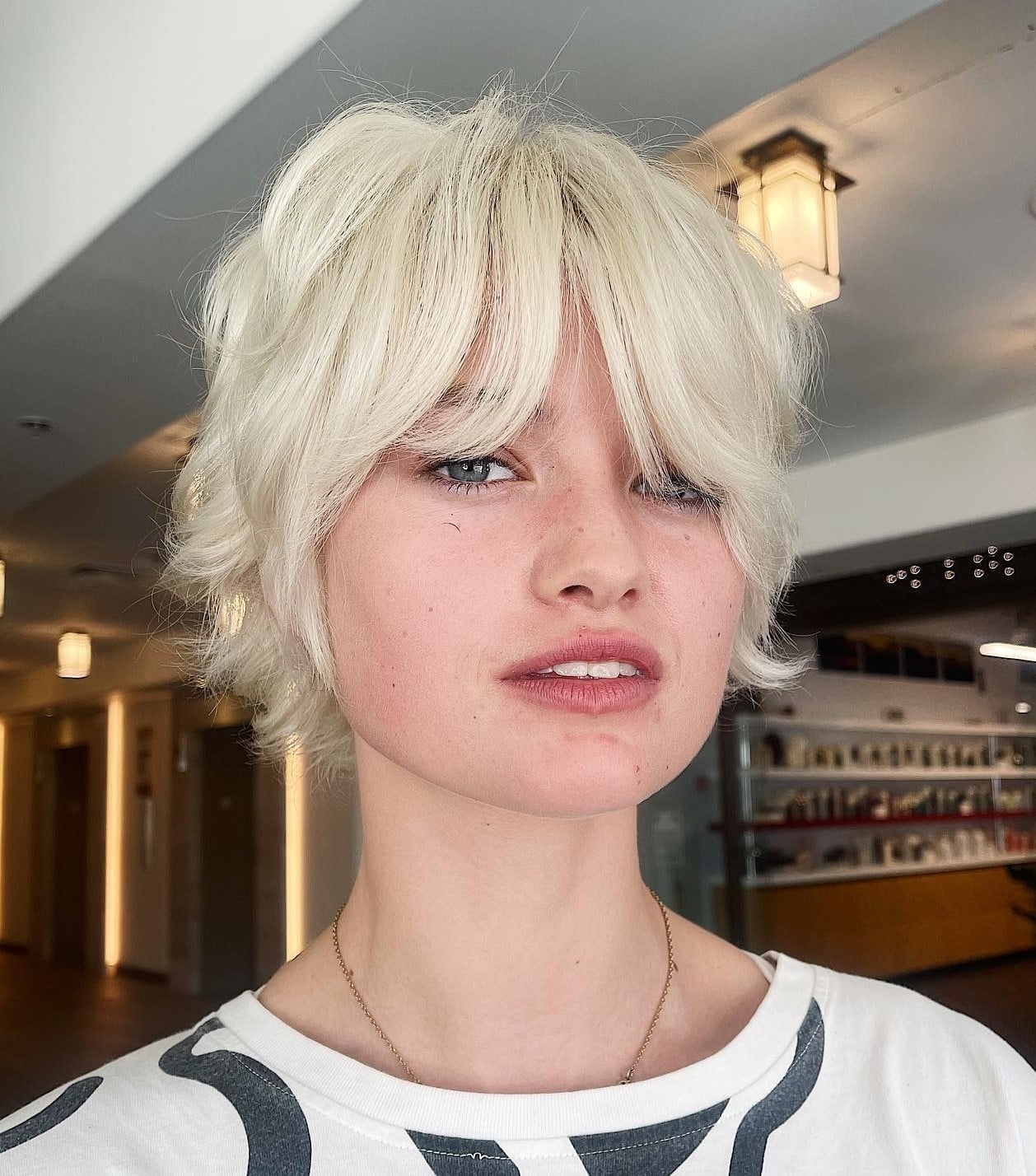
Is a platinum blonde pixie bob with curtain bangs actually easier than a full pixie? Yes and no. The ear-length cut with soft curtain bangs has more length to play with than a traditional crop, so the wavy texture can be scrunched into place without precision. But platinum requires a toning appointment every four to six weeks to stay cool, and the bangs still need a trim every four weeks. Ask your stylist for: platinum blonde pixie bob with soft curtain bangs. The drawback is that the color and fringe combination means two separate upkeep schedules, not one.
Light Blonde Pixie Bob With Swept-Over Bangs
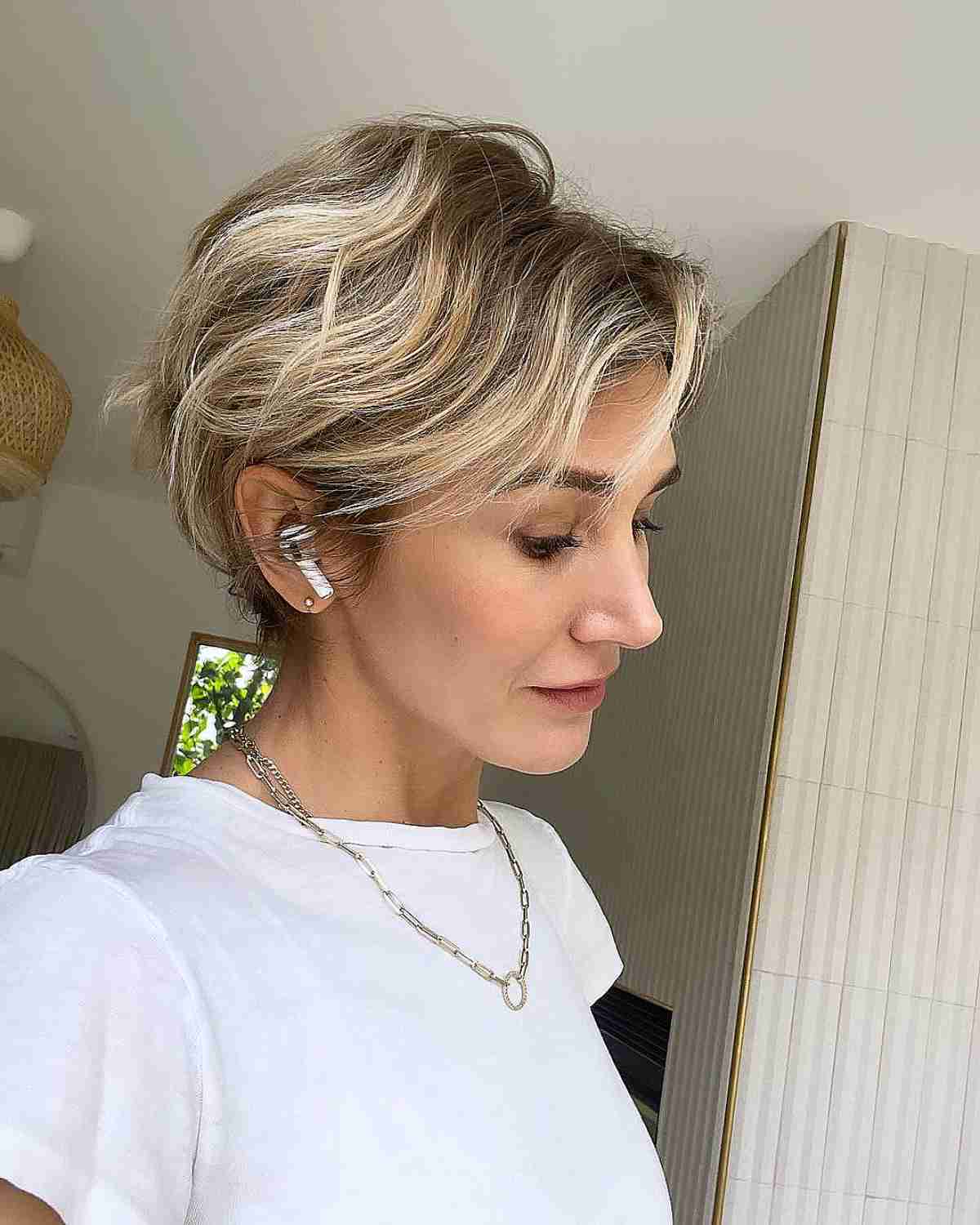
The voluminous swept-over bangs are the anchor of this light blonde pixie bob, and getting them right depends on the words you use in the chair. The cut sits just above the ear with a deep side part, and the bangs are blown across the forehead rather than cut straight across. This shape suits fine to medium straight hair and adds visual length to rounder face shapes. Ask your stylist for: light blonde pixie bob with voluminous swept-over bangs. Be specific about the direction of the sweep and the length of the bangs, since a few millimeters change the whole effect.
Thick Brown Bob With Stacked Layers
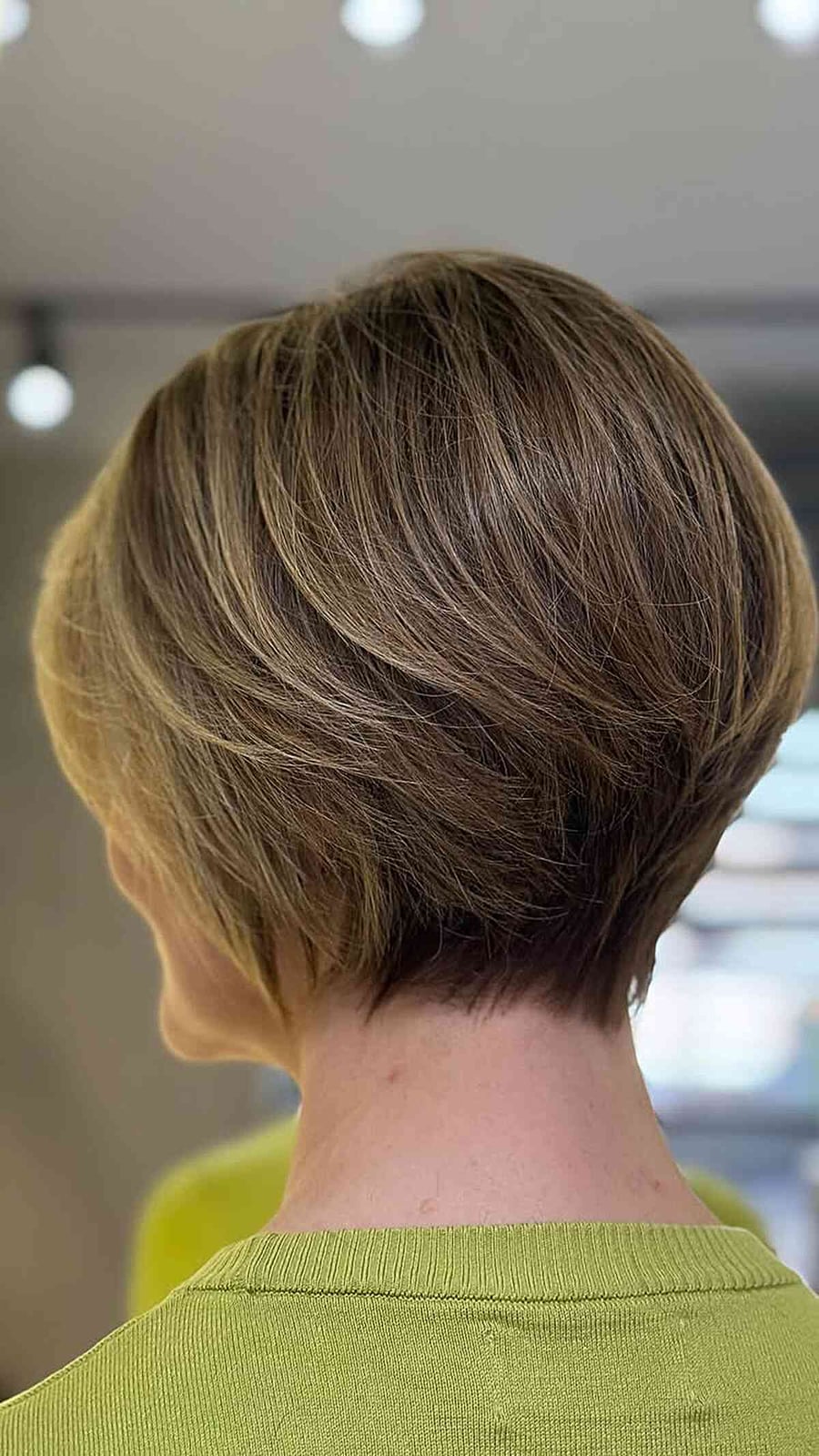
A back view tells you everything about a stacked bob. This nape-length cut uses stacked layers to remove weight from thick, straight hair, creating a rounded shape that tapers toward the neck. The brown base with subtle blonde highlights adds dimension without looking stripey. This cut genuinely flatters thick hair that tends to sit like a helmet when cut blunt, but it requires a smoothing balm and a round brush blow-dry to keep the layers from fluffing outward. Ask your stylist for: nape-length thick bob with stacked layers and highlights. A trim every six to eight weeks preserves the stacked shape, which loses its architecture fast.
Layered Brown Pixie Bob With Side-Swept Bangs

It looks like a standard pixie bob until you notice the weight: thick, wavy hair needs structure, not just length. This ear-length cut uses textured layers and side-swept bangs to reduce bulk without sacrificing volume. The brown base with blonde highlights adds dimension that keeps the shape from reading as one solid block. Ask your stylist for an ear-length layered brown pixie bob with side-swept bangs. Apply a texturizing spray and scrunch to enhance the natural wave. A trim every four to six weeks keeps the layers from turning into a shapeless blob.
Blonde Bob With Textured Layers and Root Shadow
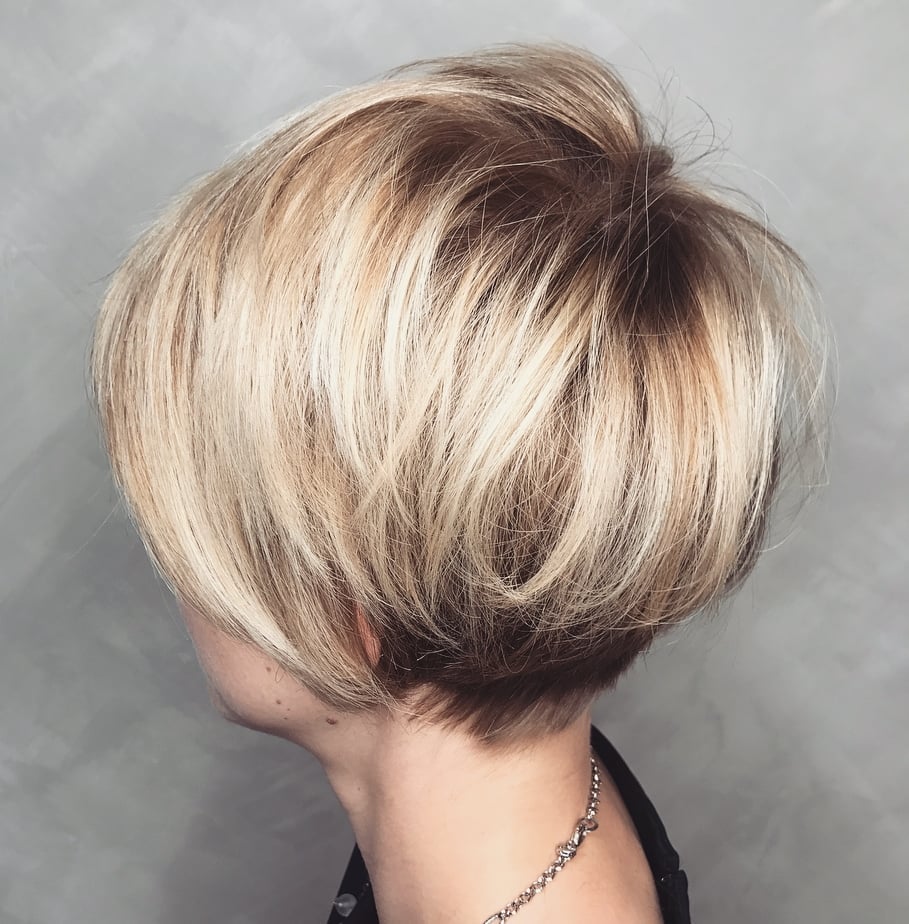
How do you get a bob that moves like it has more hair than it actually does? Start with textured layers cut into fine, wavy hair at collarbone length. The root shadow does double duty: it adds depth to the blonde base and softens the grow-out line between appointments. Side-swept bangs complete the shape, blending into the longer lengths rather than stopping abruptly.
The blowout is the key. Work a volumizing mousse through damp hair, then dry with a round brush, lifting at the roots for body. For a quicker version, use a large-barrel curling wand on dry sections and brush through. This is a salon cut, not a kitchen-scissors project. Ask your stylist for a collarbone blonde bob with textured layers and side-swept bangs.
Glossy Dark Brown Bob With Subtle Highlights
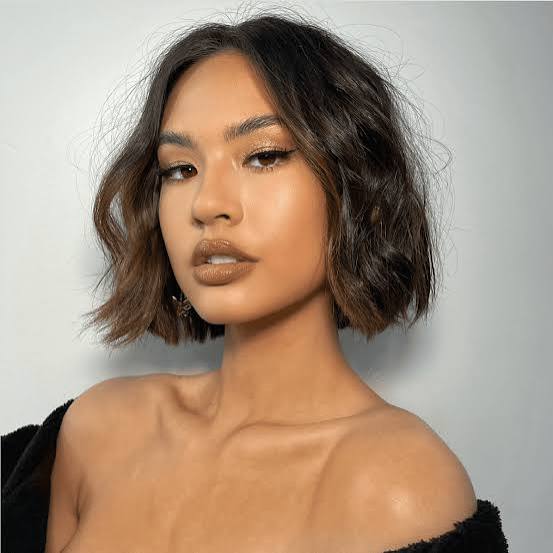
The glossy finish is the whole point of this chin-length bob. Dark brown hair naturally reflects light, but subtle highlights prevent it from looking flat. The middle parting and wavy texture keep the shape soft rather than severe. The trade-off is that a high-shine finish shows every flyaway and split end, so it demands regular trims every six to eight weeks. Medium-density hair holds the wave best; very fine hair may need a lightweight mousse to keep the body without weighing the gloss down. Ask your stylist for a chin-length dark brown bob with subtle highlights and glossy finish. Skip this one if you prefer a matte or lived-in texture.
Textured Dark Brown Bob With Soft Blowout
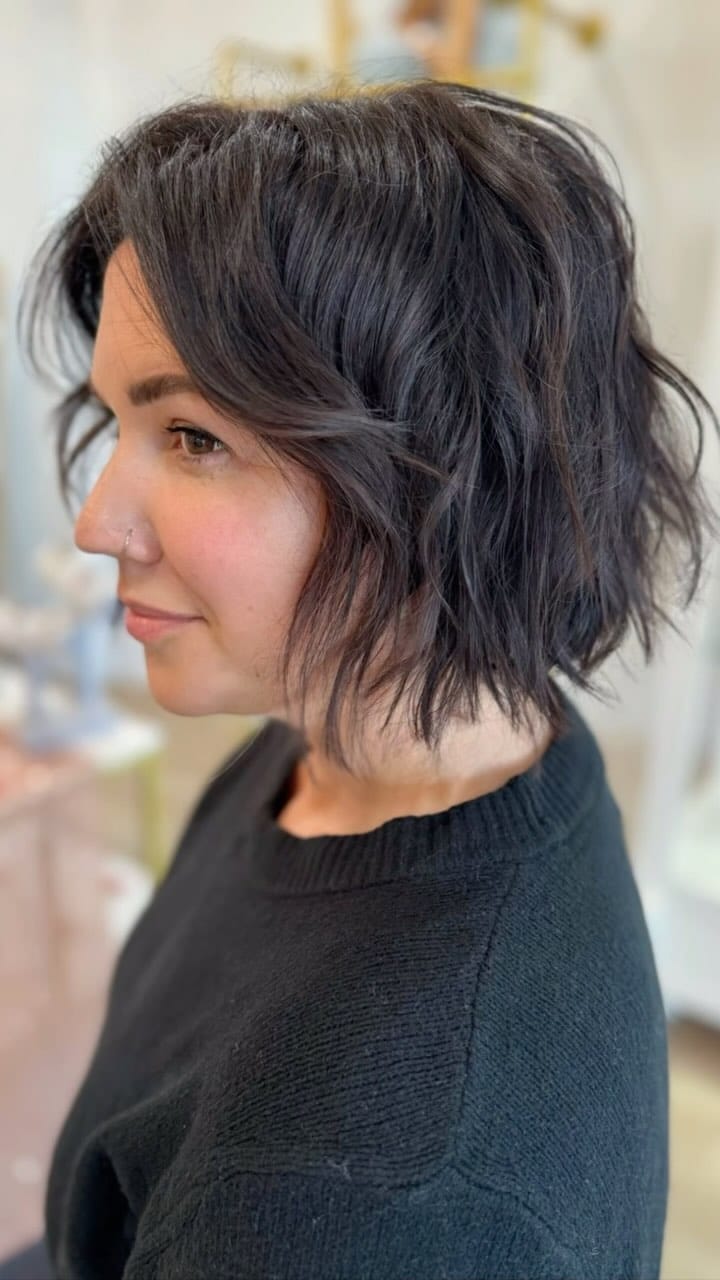
A collarbone-length bob with a soft blowout works best on fine, wavy hair that needs movement without extra weight. The textured ends prevent the cut from looking too blunt, and the side parting adds asymmetry that elongates round and square face shapes. Dark brown keeps the look low-maintenance in terms of color, with no root touch-ups needed for at least eight weeks.
Styling is straightforward: apply a volumizing spray at the roots, then blow-dry with a round brush, directing the hair away from the face. The result is a soft, bouncy shape that holds for about two days before needing a refresh. Trim every six to eight weeks to keep the textured ends from looking ragged. Ask your stylist for a collarbone dark brown bob with textured ends and soft blowout.
Textured Dark Brown Pixie With Side Fringe
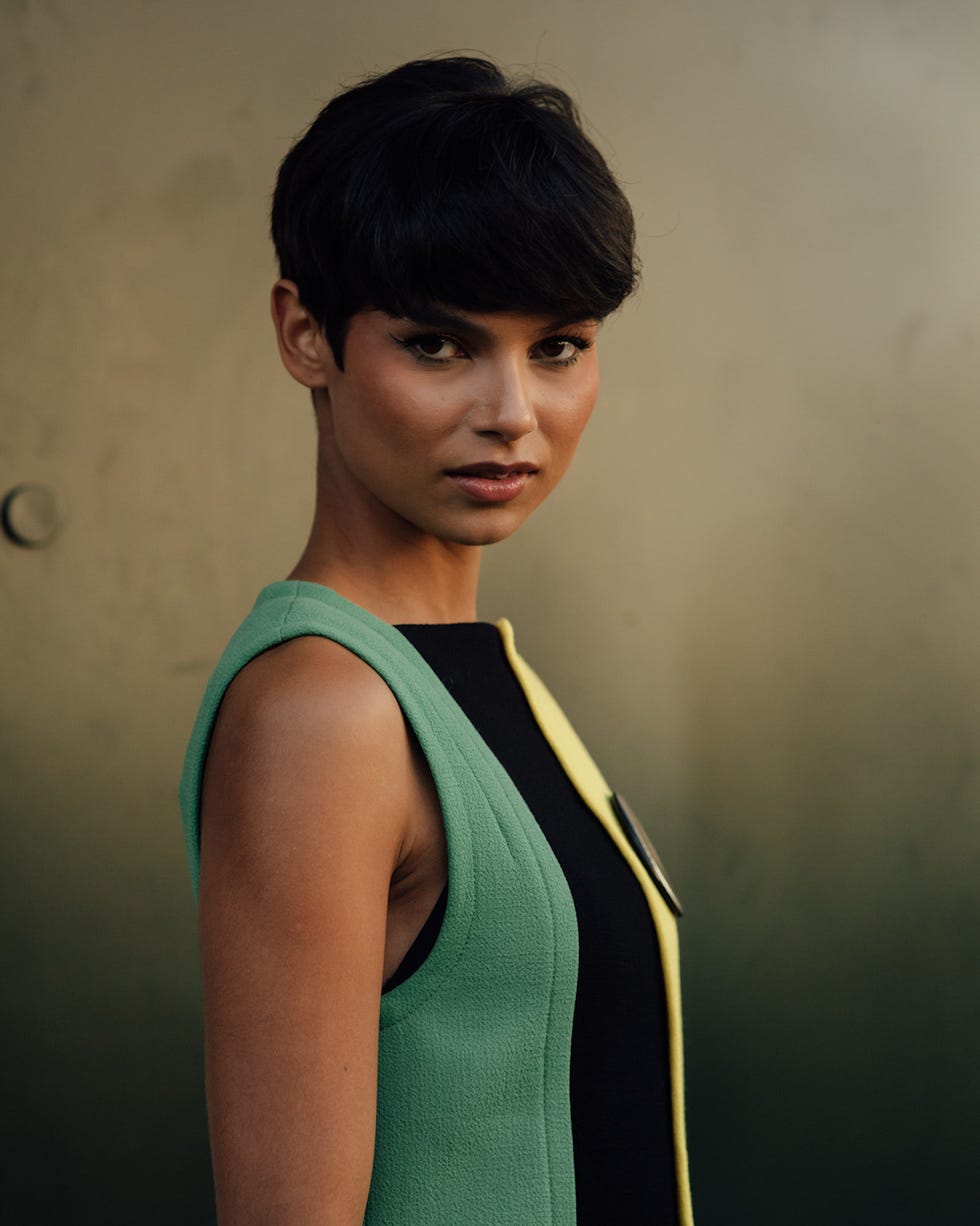
How do you ask for a pixie that doesn’t look like a helmet? Start with the texture. This ear-length cut relies on choppy layers and textured ends to create separation, so the hair moves rather than sits. The side fringe is cut short enough to blend into the overall shape, not hang separately. Fine, straight hair benefits most from the choppy layers, which add the illusion of density and movement. Ask your stylist for an ear-length dark brown pixie with choppy layers and side fringe. A texturizing paste worked through dry hair keeps the ends piecey without stiffness.
Light Blonde Pixie Bob With Textured Bangs, ухо
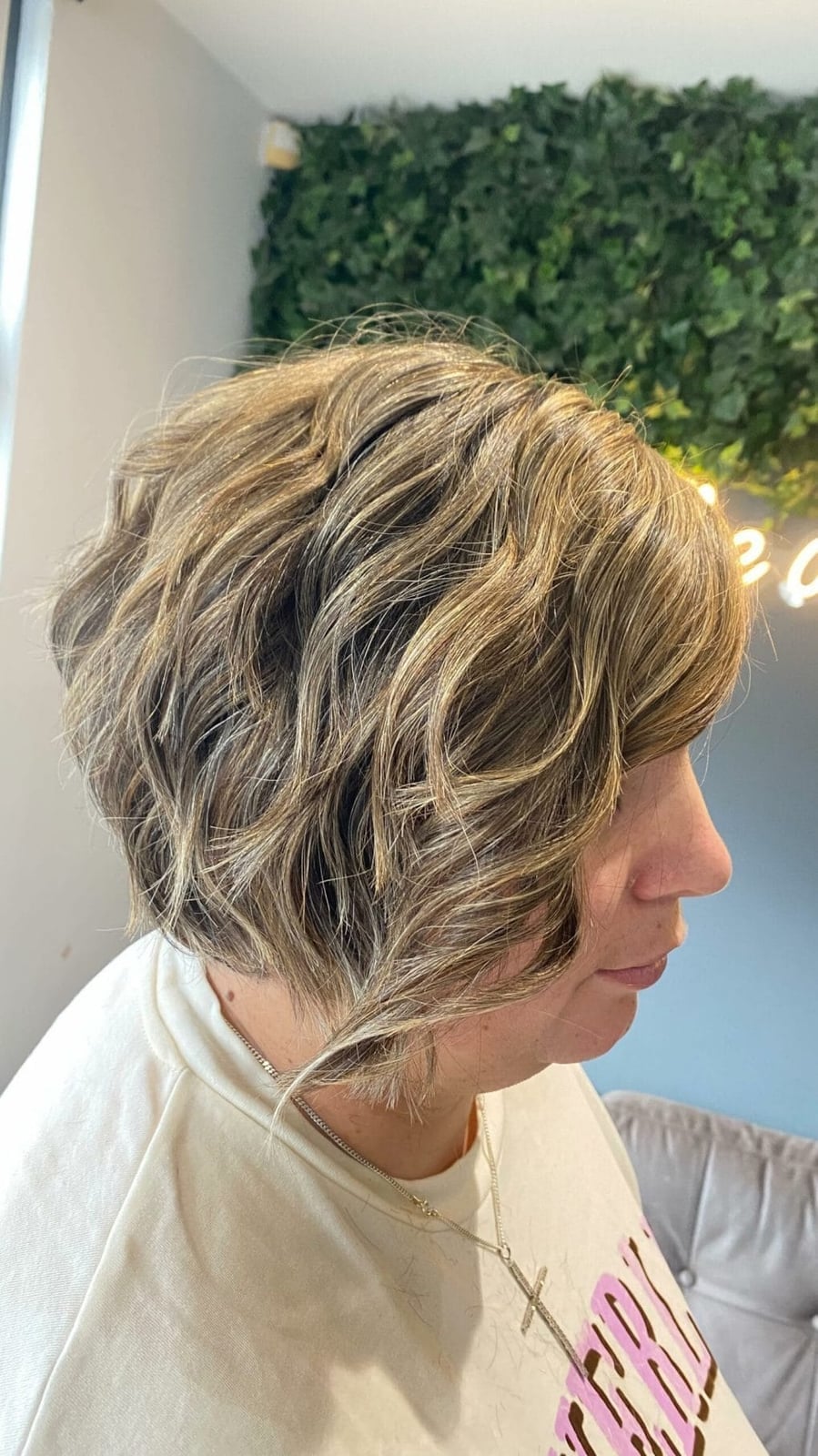
Textured bangs on a pixie bob are a shortcut to looking put together without trying too hard. The light blonde color and straight, medium density texture make this ear-length cut ideal for fine hair that needs volume on top. Ask your stylist for: light blonde pixie bob with textured side bangs. Use a texturizing spray on the fringe and style with your fingers rather than a brush to keep the softness intact. This is a salon cut for sure, but the daily styling takes about five minutes once the bangs know where they are going.
Dark Brown Bob With Loose Waves, подбородок
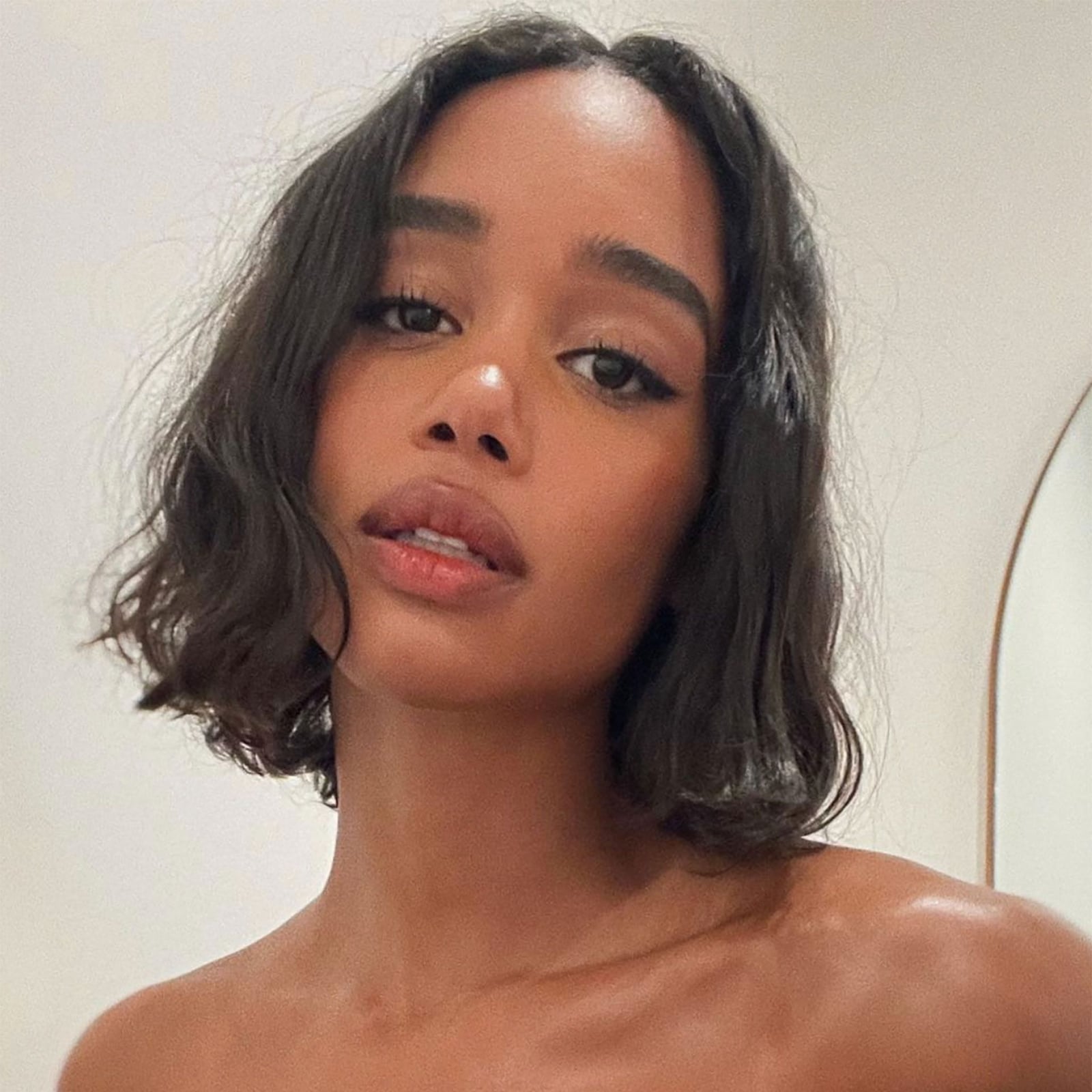
Loose waves on a chin-length bob are the definition of low-effort polish. The dark brown color and medium density wavy texture mean this cut air-dries well with a wave-enhancing mousse scrunched in. Ask your stylist for: chin-length dark brown bob with loose waves. A middle parting keeps the look relaxed, and the waves add movement without needing a curling iron. Expect to trim every six to eight weeks to maintain the shape, because a bob that hits the chin shows every stray millimeter of growth.
Ash Blonde Stacked Pixie Bob
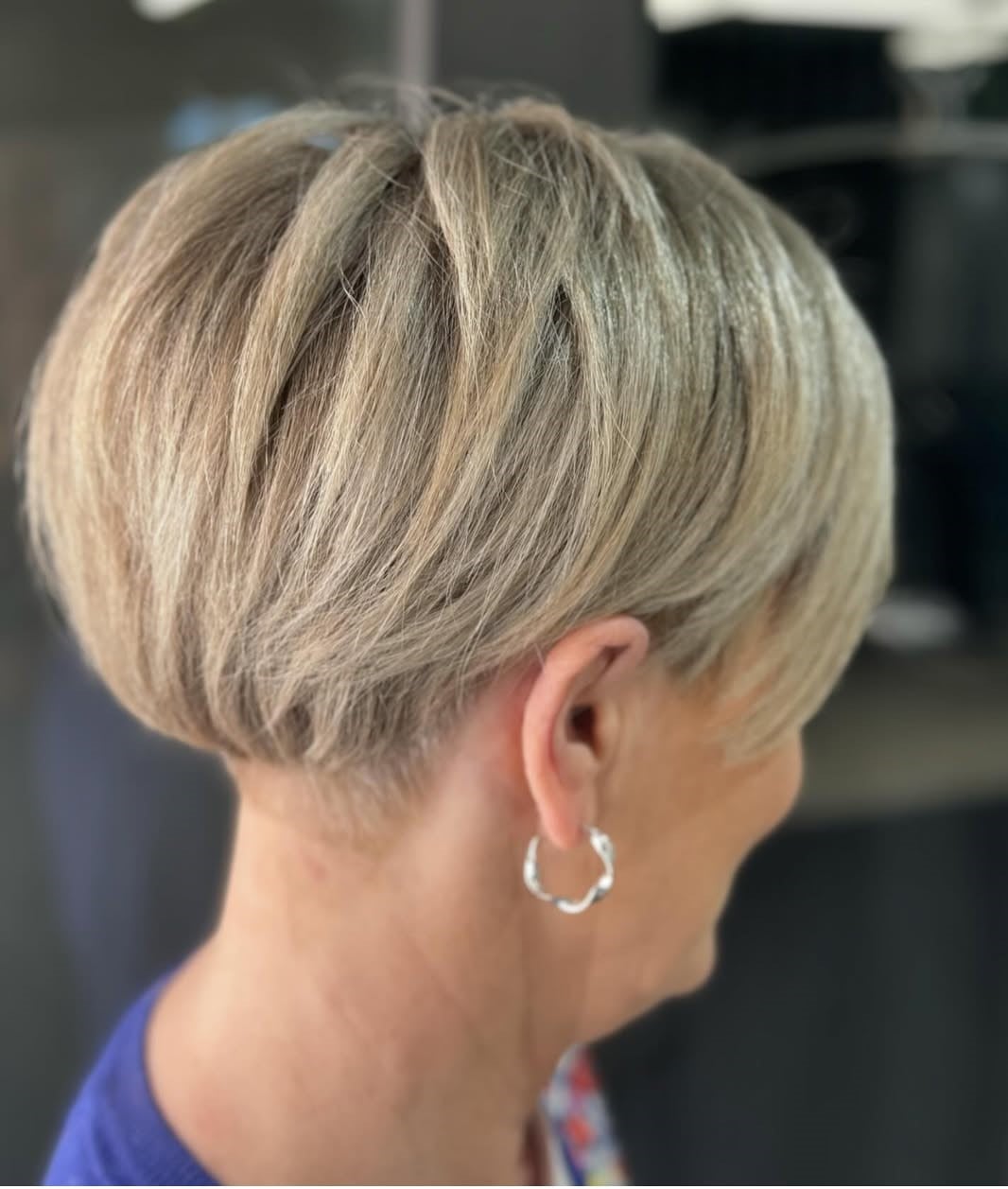
This stacked pixie bob is not your standard bob. The back is cut shorter and builds length toward the collarbone, creating a silhouette that holds its shape even on thick, straight hair. The ash blonde color with subtle highlights adds dimension without looking busy. Ask your stylist for: collarbone ash blonde pixie bob with stacked back. The trade-off is that a stacked shape needs precision cutting to avoid looking like a helmet, and the layers at the nape grow out faster than the rest. A trim every six to eight weeks keeps the graduation clean.
For straight, thick hair, this cut removes bulk while keeping density at the front. The smooth finish requires a paddle brush and a smoothing cream during blow-drying. It works best for those who prefer a polished, work-ready look rather than a tousled one.
Asymmetrical Light Blonde Pixie Bob

An asymmetrical cut on a pixie bob is a geometry lesson in hair form. The light blonde color and fine, straight texture show off the sharp lines: shorter on one side, with longer side-swept bangs that sweep past one eye. Ask your stylist for: ear-length light blonde pixie bob with asymmetrical cut and side-swept bangs. The precision cutting means this is strictly a salon job, and the bangs need a trim every four to six weeks to keep the asymmetry intentional rather than accidental. A texturizing spray helps the fine texture hold the shape without falling flat.
Textured Dark Brown Stacked Bob
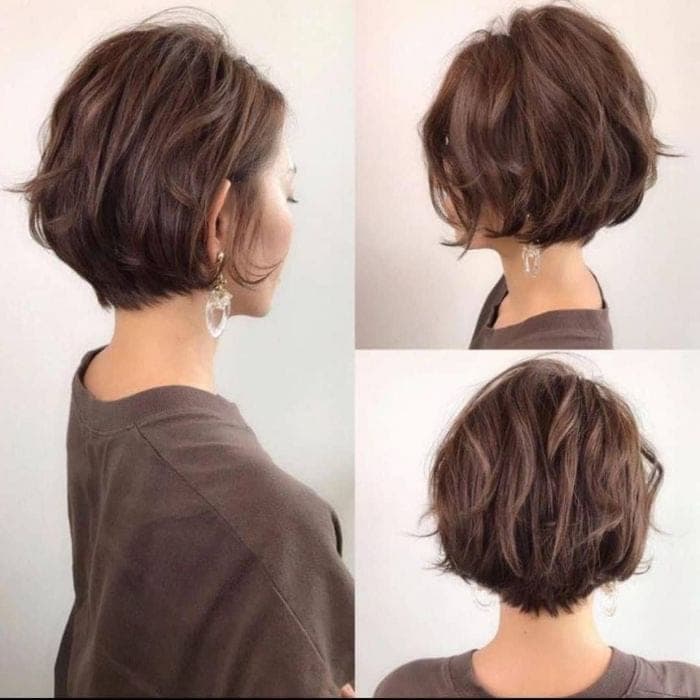
Does a stacked bob on thick, wavy hair take more time than a blunt cut? Yes, but the payoff is shape that actually holds. The dark brown color with subtle highlights adds depth, and the ear-length cut with a stacked back reduces bulk where thick hair tends to puff. Ask your stylist for: ear-length stacked bob with textured blowout. A volumizing mousse and a round brush during blow-drying create the lift, and a texturizing spray at the end keeps the waves from falling into each other. Expect a trim every six to eight weeks to preserve the stack’s clean lines.
Sleek Black Blunt Bob
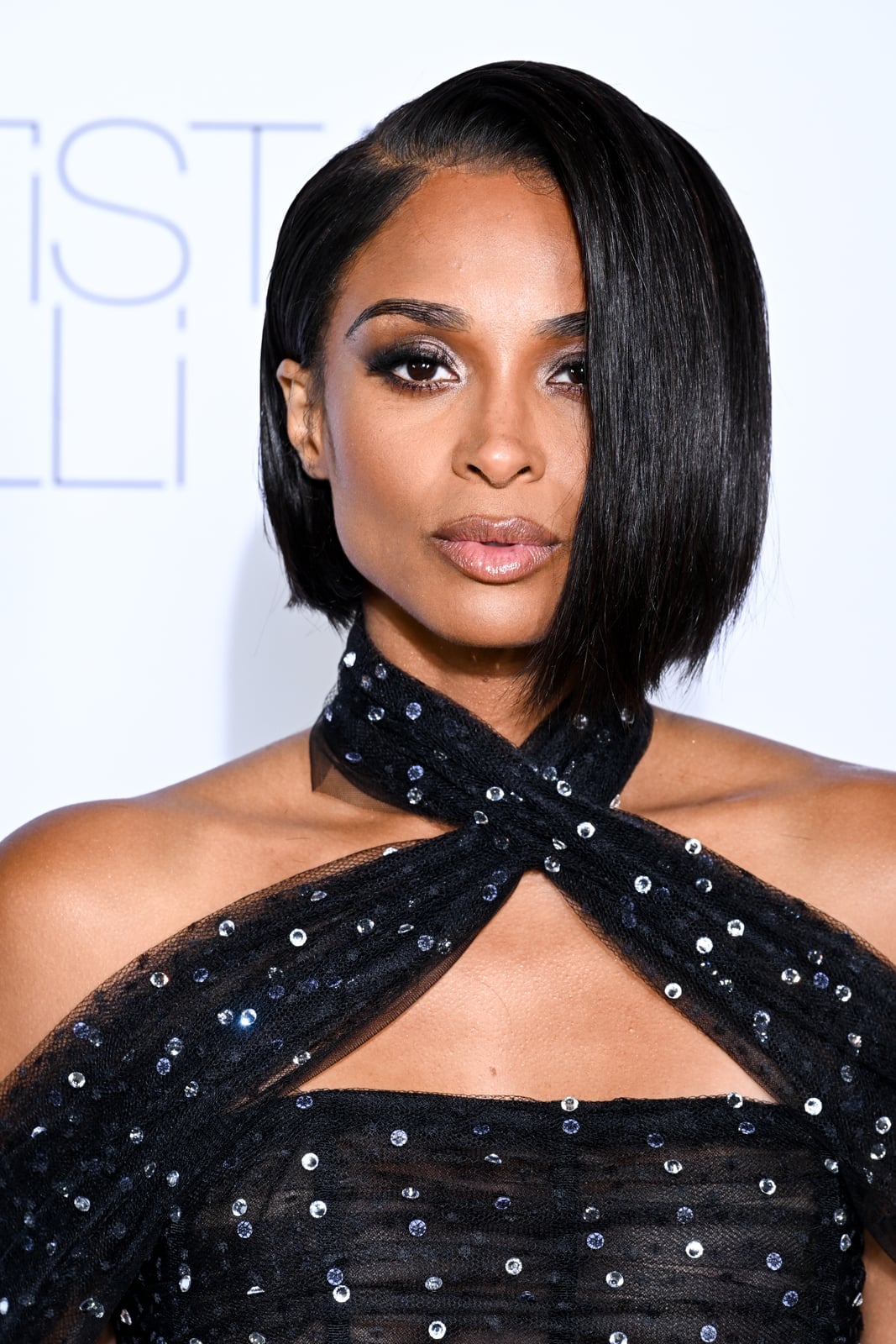
A blunt bob at the collarbone with no layers and no bangs is a statement of pure geometry. The side part and high-gloss finish on thick, straight hair create a graphic line that leaves no room for compromise. This cut works best on hair that is already thick and straight, anything less and the blunt edge can look sparse rather than sharp.
Ask your stylist for: collarbone black blunt bob, sleek and straight. A smoothing serum and flat iron are your daily tools. The trade-off is visible: every stray hair and split end is on display, so plan on a trim every six to eight weeks to keep the edge precise. This is a salon cut through and through, and skipping a trim appointment shows fast.
Layered Light Brown Bob With Balayage
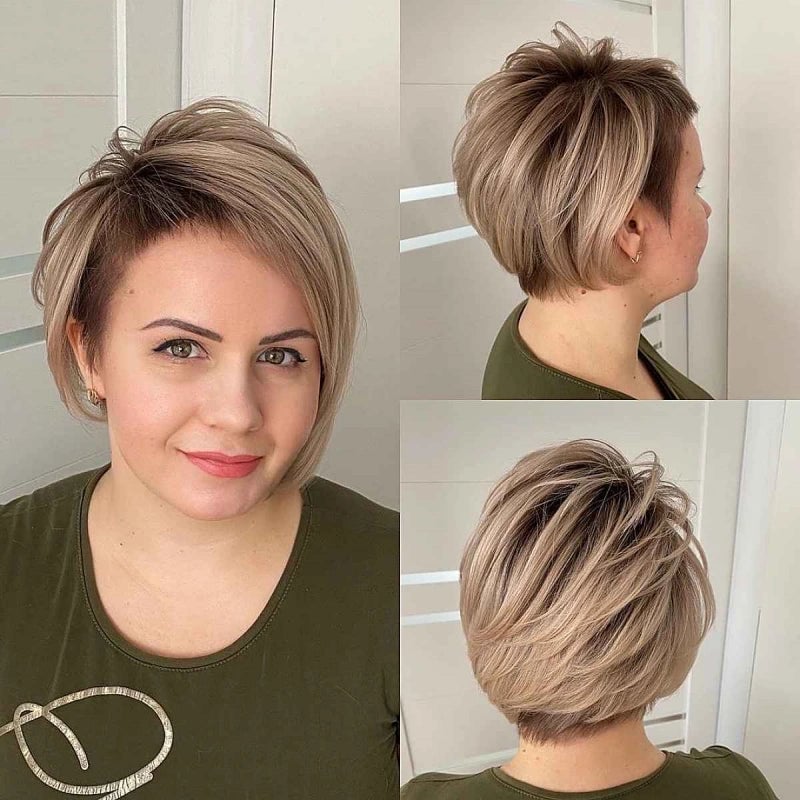
Chin-length sides meet a stacked back in this layered bob, and the side parting leads into a smooth blowout. The light brown base with blonde balayage adds dimension that keeps the shape from reading as one solid block. This cut genuinely flatters thick, wavy hair, the stacked layers remove bulk where you need it and add lift at the crown.
Ask your stylist for: chin-length layered bob with stacked back and balayage. A volumizing spray at the roots and a round brush during blow-drying give the shape its structure. A trim every six to eight weeks maintains the stacked silhouette, and the balayage grows out without a harsh line, so you can stretch color appointments to ten or twelve weeks.
Light Blonde Bixie With Choppy Layers
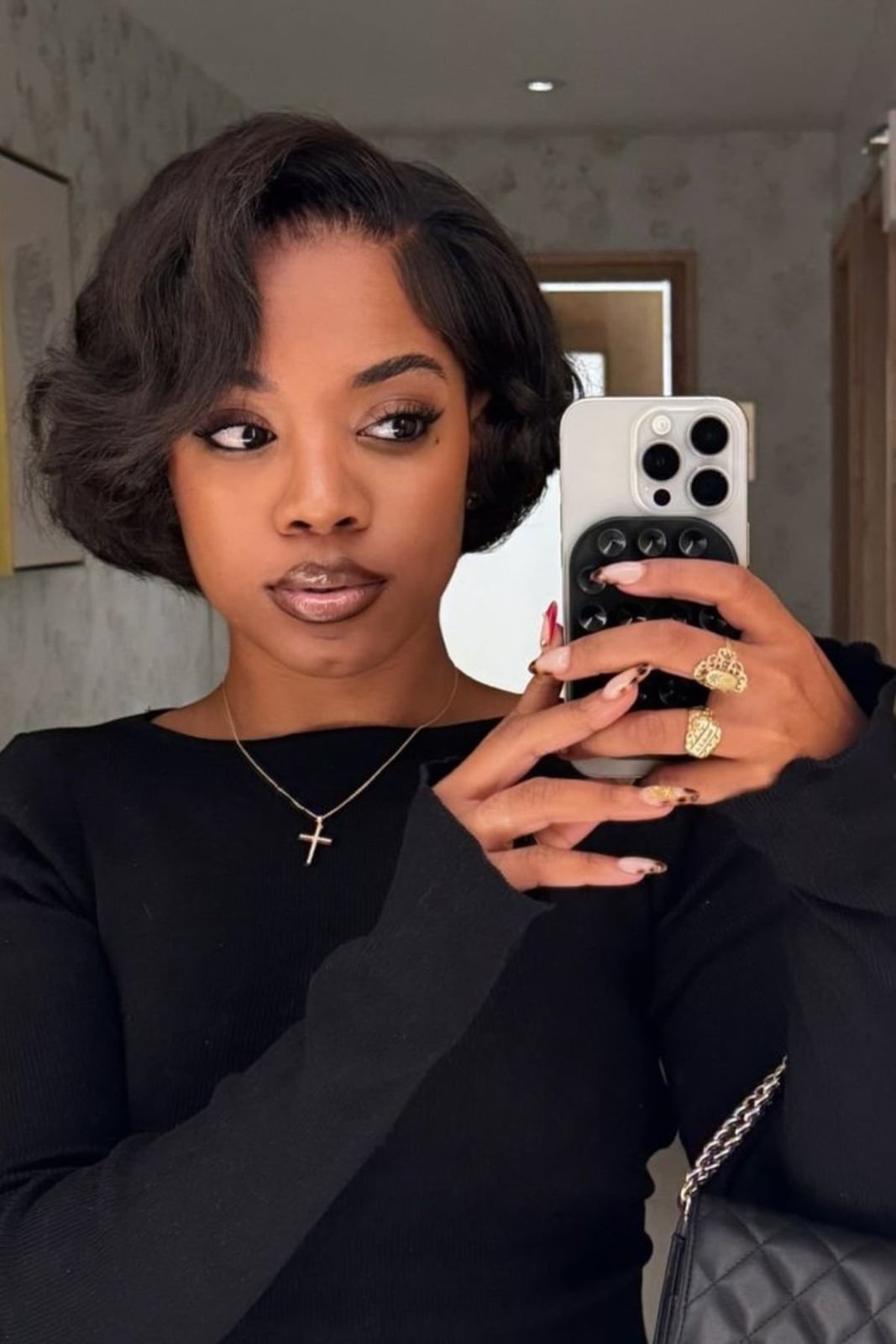
Is it a pixie or a bob? The bixie lands somewhere between, and the choppy layers in this light blonde version make the distinction deliberately unclear. Fine, straight hair of above-ear length benefits from the piecey texture. It adds volume where there is not much to work with. Ask your stylist for: ear-length light blonde bixie with choppy layers. The honest drawback is that those textured pieces can turn into flyaways on a humid day, and the shape needs a trim every four to six weeks to keep the choppiness intentional rather than accidental.
Ash Blonde Pixie Bob With Volume

Volume and texture are the technical anchors of this ash blonde pixie bob. The collarbone length and side-swept bangs frame the cut, but it is the lift at the roots and the tousled wave pattern that give it presence. Fine, wavy hair is the ideal candidate here, the cut builds fullness that the natural texture alone cannot deliver.
Ask your stylist for: collarbone ash blonde pixie bob with volume and texture. A volumizing spray applied to damp roots and a scrunching motion as you air-dry or diffuse creates the shape. The ash tone needs a purple shampoo once a week to stay cool, and a trim every six to eight weeks keeps the volume from collapsing at the ends.
Dark Brown Pixie Bob With Straight Bangs and до бровей

A dark brown pixie bob with short, straight bang that hit the eyebrows is a cut that asks for precision. The fine, straight texture and center part let the bang read as a deliberate design element rather than an afterthought. Ask your stylist for: dark brown pixie bob with short straight bangs to eyebrows. The bang length is the key detail, too long and they fall into your eyes, too short and they read as a mistake. A texturizing paste worked through the bangs with your fingertips gives the slightly messy finish some control. Plan on a trim every three to four weeks to keep the bang line clean.
Asymmetrical Dark Brown Pixie Bob
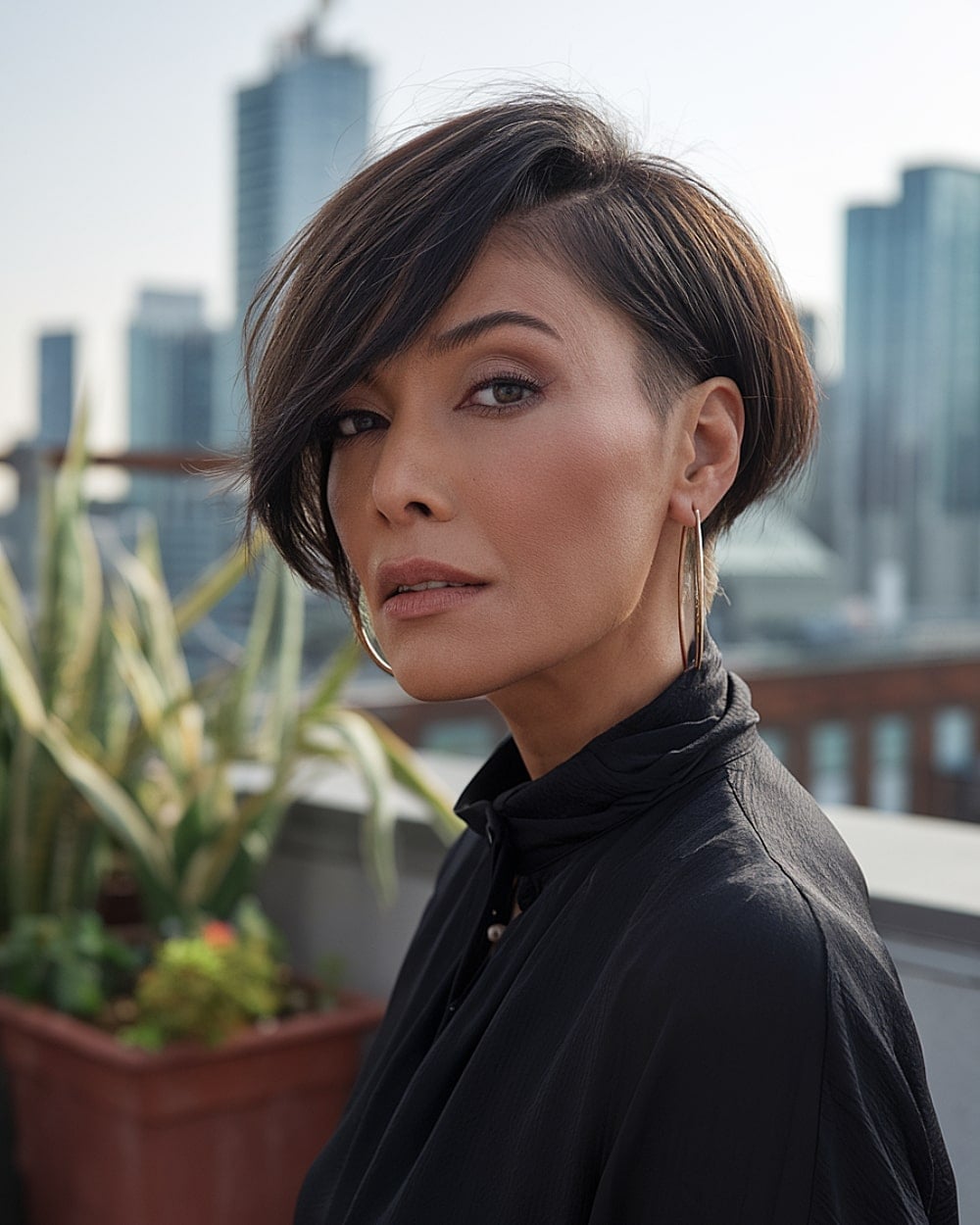
A symmetrical pixie bob is a classic, but this dark brown version proves that breaking the balance works even better. The fine, straight hair is cut to ear length on one side and swept across with a deep side part, creating an intentionally uneven shape that reads as modern, not lopsided. Ask your stylist for: ear-length dark brown pixie bob with asymmetrical styling. The upkeep is the catch: that deliberate imbalance needs a trim every four to six weeks, or the longer side starts looking more accidental than architectural. A dab of texturizing spray and a blow-dry aimed to one side keeps the silhouette sharp between appointments.
Blonde Wavy Pixie Bob With Textured Layers
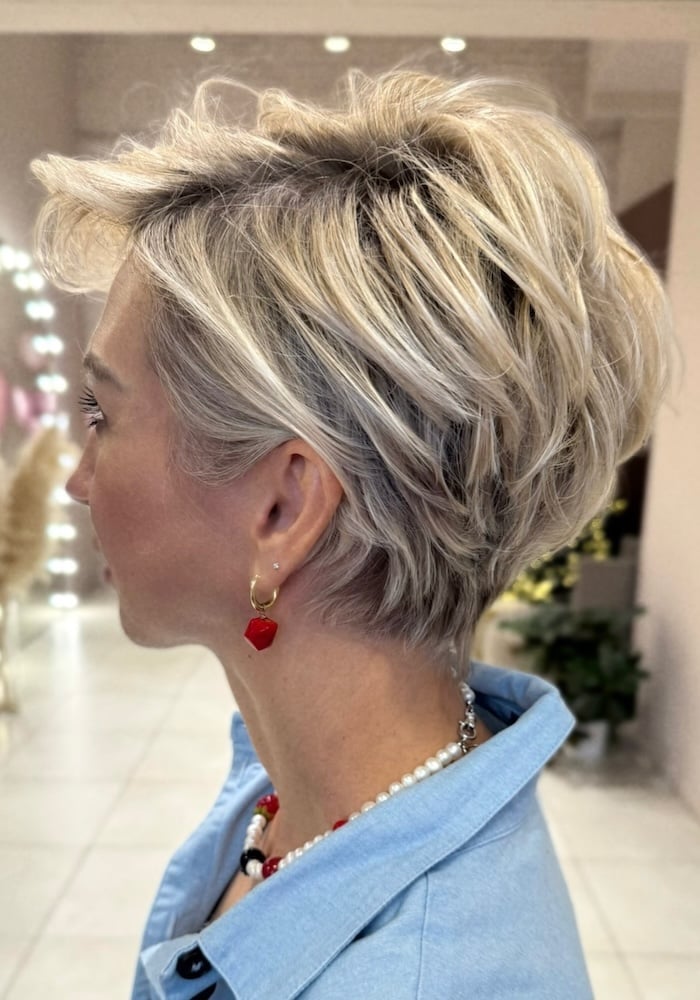
The design of this blonde wavy pixie bob is built on contrast: thick, wavy hair cut to ear length, with textured layers that carve out shape rather than piling on bulk. A middle parting and a soft blowout keep the volume at the crown from turning into a triangle, which is the usual risk with this much texture. The trade-off is that those same layers, left to air-dry, can read as frizzy rather than intentionally undone. Thick, wavy hair needs a diffuser and a wave-enhancing mousse to land this polished version, not the scrunched-and-hope approach. Ask your stylist for: ear-length blonde wavy pixie bob with textured layers. Who should skip it? Anyone who wants a wash-and-go finish, because this cut demands styling effort to look deliberate rather than windswept.
Strawberry Blonde Pixie With Straight Bangs

Wondering if a vibrant shade like strawberry blonde works on fine, straight hair? This pixie proves it does, especially when the cut keeps things simple. Short, straight bangs hit the eyebrows, and the rest of the hair stays smooth and close to the head, letting the color do the work. Ask your colorist for: strawberry blonde pixie with short straight bangs to eyebrows. At home, a smoothing cream on the bangs and a flat iron on low heat keeps the fringe straight and precise. A salon handles the initial cut and color, but the weekly toning to maintain that peachy-pink tone is a DIY job with a color-depositing conditioner.
Final Thoughts
Fine hair benefits from blunt ends with light texturizing at the surface, while thick hair handles stacked layers that remove bulk without losing shape. Let your density and daily routine steer the choice.
- Trim every 4-6 weeks to maintain the precise shape of shorter styles.
- Use a texturizing spray or paste to enhance choppy layers, especially on fine hair.
- For colored pixie bobs, refresh tone every 6-8 weeks to keep brassiness at bay.
- Apply a heat protectant spray before blow-drying or using hot tools.
Find your perfect pixie bob and embrace the ease.