
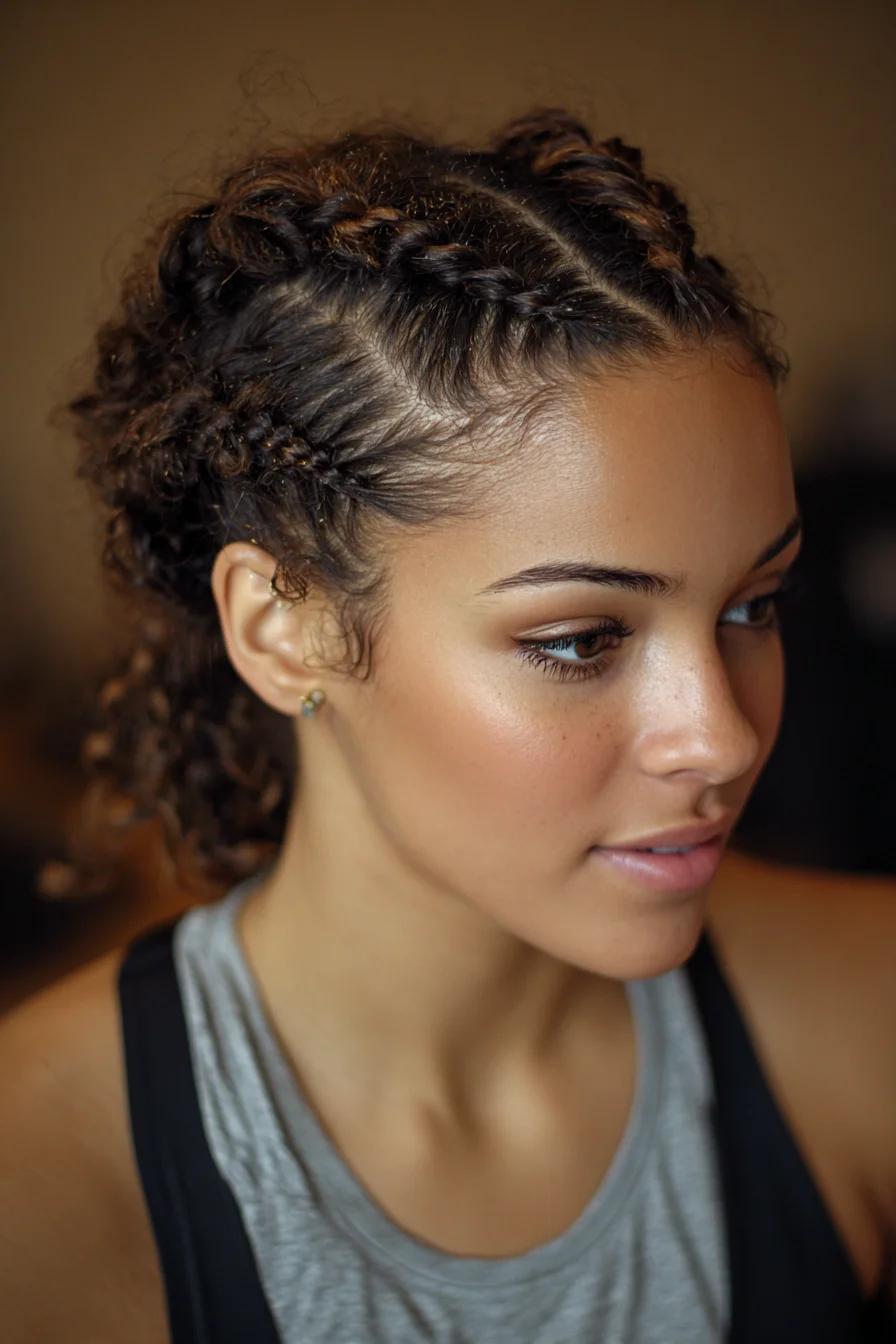
Hi, I’m Lena — a professional hairstylist with over a decade of salon experience. In this post I share 24 easy basketball hairstyles for women, illustrated with step-by-step images to help you pick the best look for game day, practice, or an active lifestyle. These styles suit a wide range of hair types and lengths — from fine to thick, straight to curly — and are built to stay secure while you move. I’ll show protective buns, sporty braids, slicked-back ponytails, cornrows, half-up looks, and quick updos that reduce breakage and keep hair out of your face. My styling tips focus on simple tools, quick prep (detangling, lightweight styling cream, and a firm elastic), and sweat-proof finishing techniques. Whether you want low-maintenance daily options or a polished court-ready look, these 24 images and pro pointers will streamline your routine and protect your hair.
Textured Double Dutch Braids — Boho Twin Braids for Medium to Thick Hair
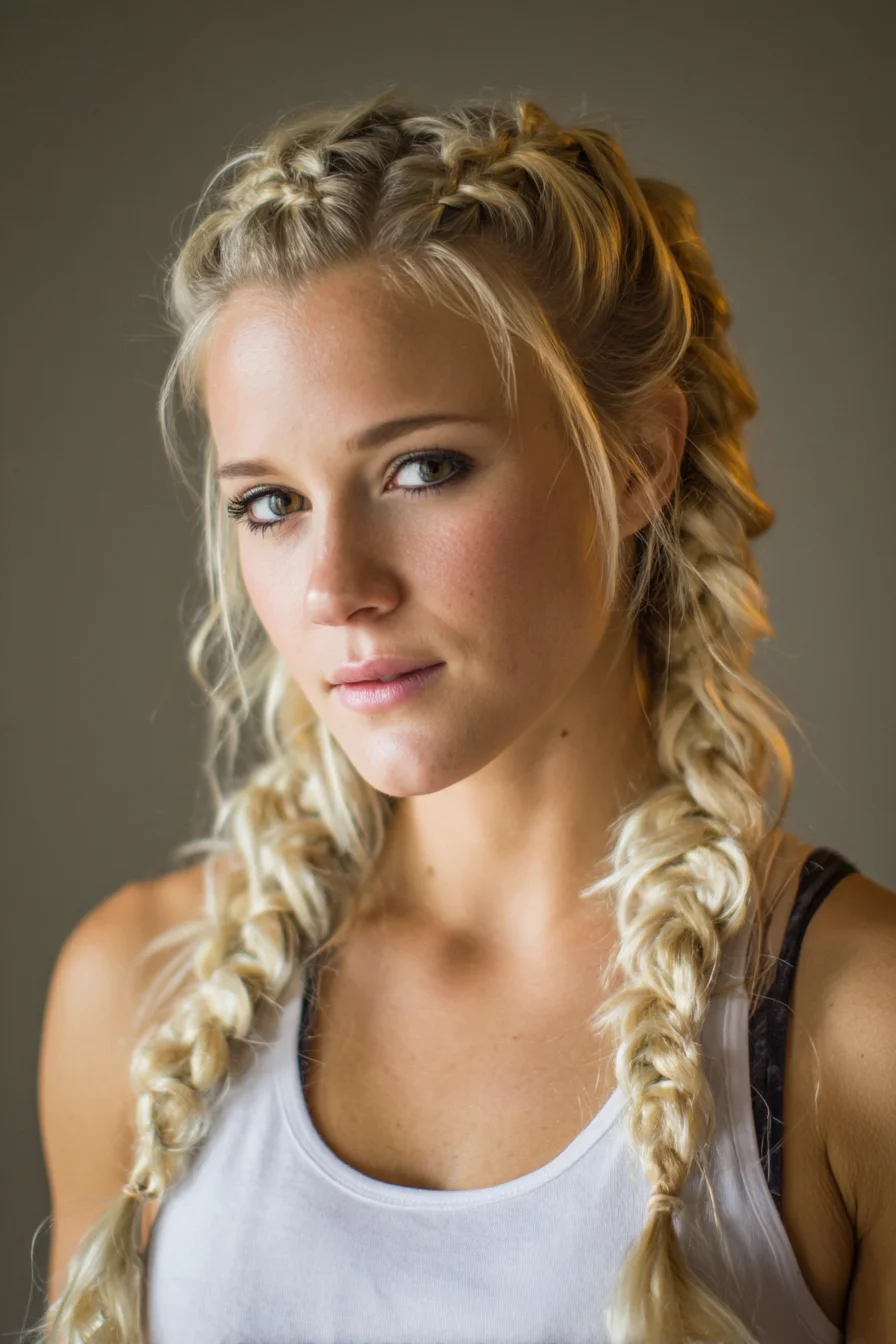
A polished yet relaxed take on classic Dutch braids, this textured double-braid style works best on medium to thick hair and on fine hair with light clip-in extensions for fullness. Start on damp or day-two hair for grip: create a clean center part, section a 1–2 inch front panel and begin a Dutch (inside‑out) three‑strand braid along the scalp on each side, adding hair as you move toward the nape. Finish with standard three‑strand braids and secure with small elastics. Gently pancake the braids by tugging at outer loops for volume and soft face‑framing pieces. Tools needed: tail comb, sectioning clips, small clear elastics, brush, optional clip‑in extensions. Products required: light texturizing spray or sea‑salt spray, smoothing serum or lightweight oil for ends, and a flexible-hold hairspray. Difficulty: intermediate — about 25–35 minutes depending on experience. Maintenance tips: sleep on a silk pillowcase or wrap in a silk scarf, refresh texture with dry shampoo or mist of water and texturizer, re-pancake and tighten elastics as needed; expect 2–4 days of wear before a refresh or re-braid.
Textured High Ponytail with Rope Twist and Voluminous Curls
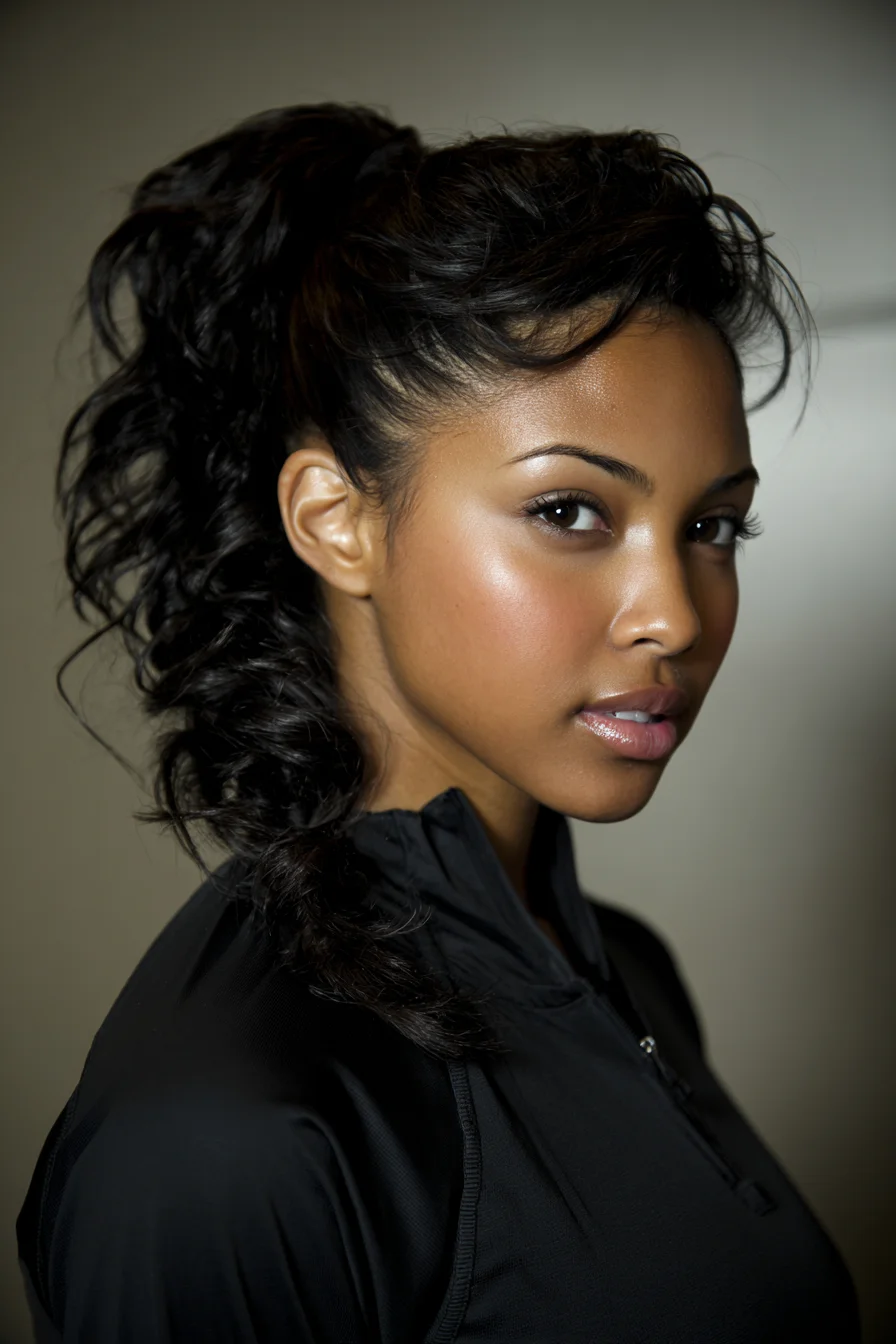
Suitable for hair types: medium to thick, wavy to curly (3A–4A). Straight hair can achieve similar texture with pre-curling. Technique: start on clean, detangled hair; blow-dry with a diffuser or rough-dry for body, then smooth the sides back into a high ponytail leaving a little height at the crown. Use a 1–1.25 curling wand to add loose curls through the lengths, then create a rope twist or segmented (bubble) braid down the ponytail, pulling each section gently to pancake for extra volume. Secure with clear elastics and discreet bobby pins; wrap a small strand around the base to conceal the band and soften the hairline with a smoothing gel. Tools needed: paddle brush, rat-tail comb, curling wand, elastics, bobby pins, diffuser (optional). Products required: heat protectant, lightweight styling cream or curl-defining mousse, texturizing spray, flexible-hold hairspray, smoothing gel for edges, light shine serum. Difficulty: Medium — needs sectioning and secure banding but is salon-achievable. Maintenance: sleep on a silk scarf, refresh with water + curl refresher or mousse, re-tighten elastics after 1–2 days, and use dry shampoo at the roots to maintain lift.
Sleek Feed‑In Cornrows into Voluminous Curly High Ponytail
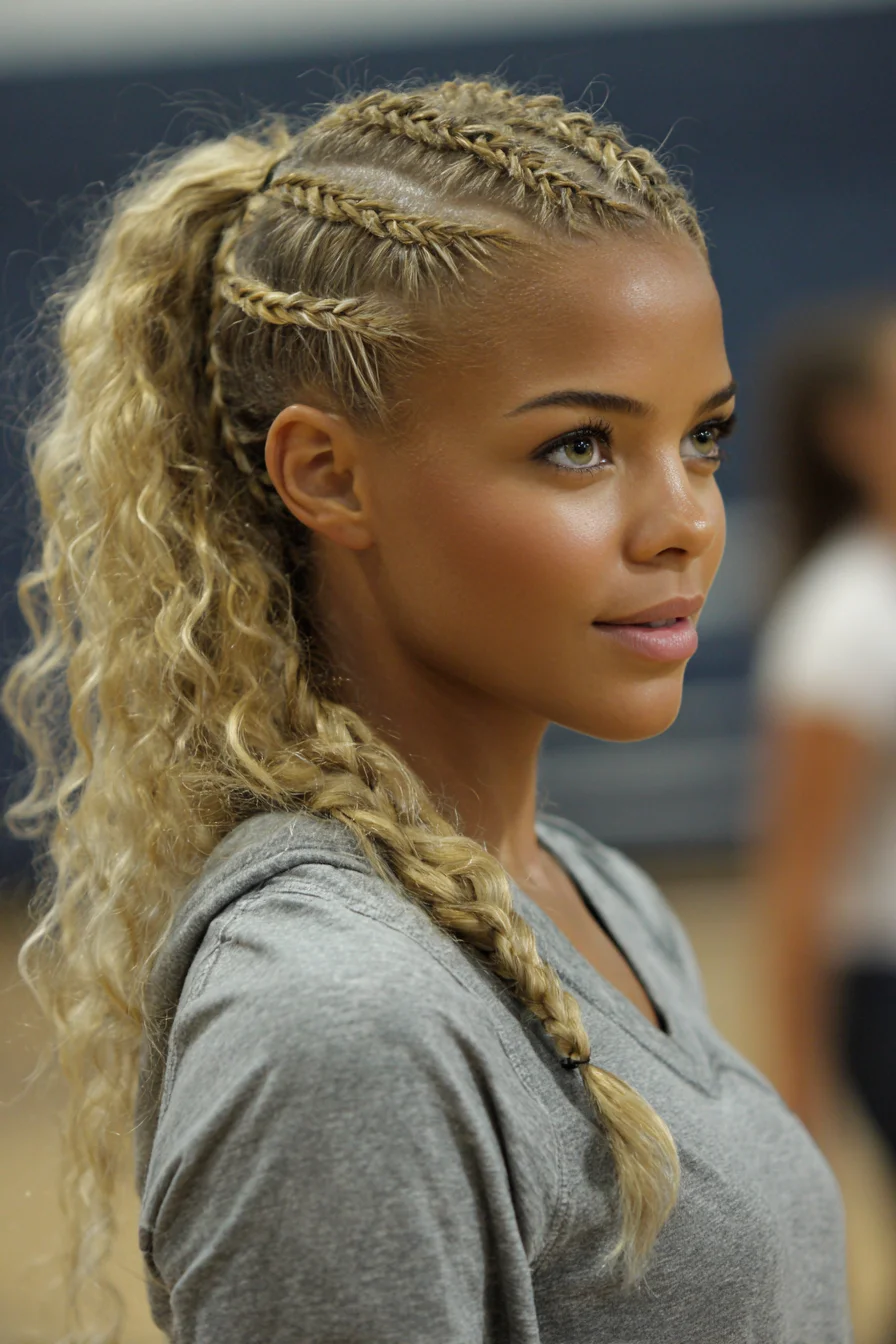
This style works best on medium to thick, textured hair — natural curls, wavy hair, and relaxed hair with body all hold the look well. Fine hair can still achieve it with added feed‑in extensions for fullness and length. Technique: start with clean, detangled hair and use a rat‑tail comb to section parallel rows; create tight feed‑in or Dutch cornrows working from the hairline back and gather into a high pony. Leave the remaining length loose for a textured cascade or finish with a single long braid. Tools needed: rat‑tail comb, sectioning clips, snag‑free elastics, small clear bands, bobby pins, and a brush for edges. Products required: lightweight leave‑in conditioner, frizz‑control cream or gel for neat parts, edge control, and a light holding spray or serum for shine. Difficulty: intermediate — expect 45–75 minutes depending on row count and density; practice and consistent tension are key. Maintenance tips: avoid excessive tightness to protect the hairline, sleep on a satin bonnet or pillowcase, refresh with water and leave‑in spray, reapply edge control as needed, and plan to redo or tighten rows every 2–3 weeks to prevent breakage and scalp strain.
High Braided Bun with Crown Dutch Braids for Textured Hair
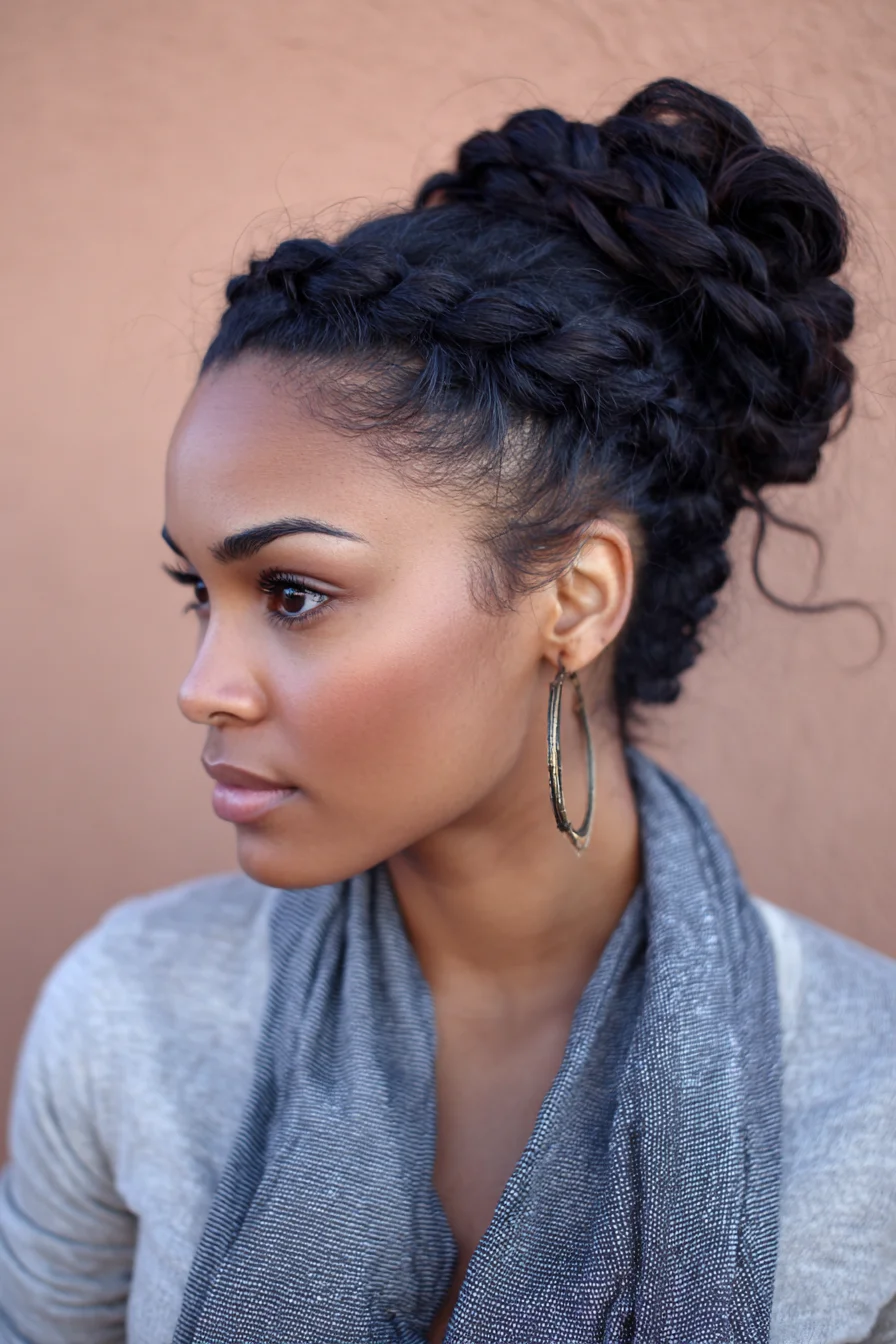
This polished updo pairs crown Dutch/French braids with a voluminous high bun and is especially suited to textured hair — wavy, curly and coily types (2A–4C). Fine hair can also wear this look with light padding or clip‑in extensions for body. Technique: section the hair into two or three front‑to‑back panels, create Dutch or French braids along the hairline, pancake each braid for width, then gather the remaining lengths at the crown and wrap into a secure bun. Tools needed: rat‑tail comb, wide‑tooth brush, sectioning clips, elastics, strong bobby pins, optional hair donut or clip‑in extensions and a fine edge brush. Products required: leave‑in conditioner or detangling cream, lightweight hold gel or edge control, a matte pomade for smoothing, hair oil or serum for shine, and a medium‑hold hairspray. Difficulty level: intermediate — basic braiding skills and patience required; allow 30–60 minutes. Maintenance tips: sleep with a silk scarf/bonnet, lightly mist and moisturize the scalp every few days, refresh edges with edge control, and avoid overly tight styling to prevent breakage. Rebuild or loosen the bun as volume settles.
Double Dutch (Boxer) Braids — Textured Two Dutch Braids for Medium to Thick Hair
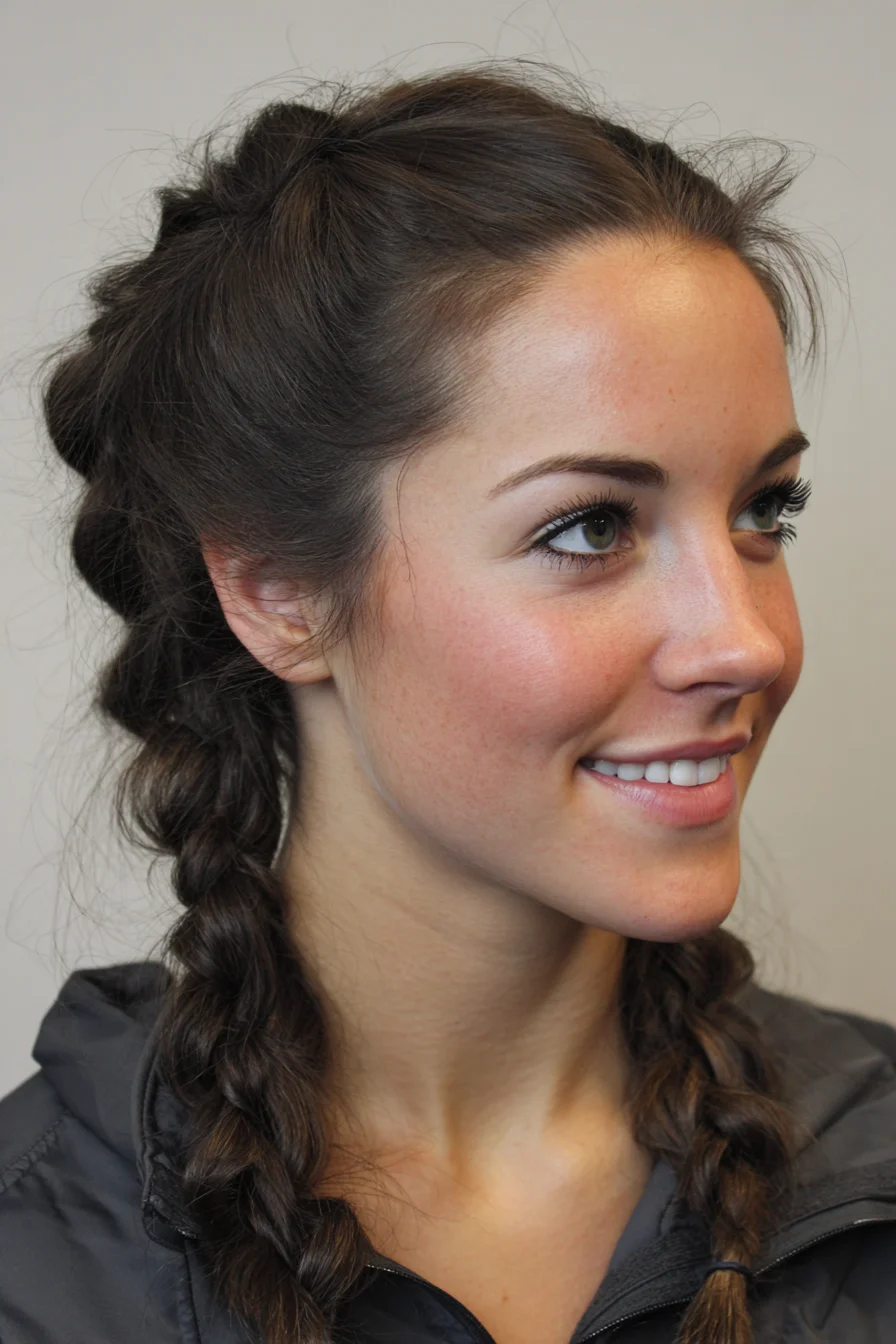
This polished yet sporty double Dutch (boxer) braid suits medium to thick, straight or wavy hair; fine hair can also work with added texture. Start on slightly damp or product‑ready hair: create a clean center part and clip one side away. Use the Dutch braiding technique (underhand cross) from the hairline, adding hair evenly as you work toward the nape. Finish both braids with small elastics and ‘pancake’ the braid loops for volume and softness. Tools: fine tooth comb, rat‑tail parting comb, sectioning clips, paddle brush, small clear elastics. Products: light mousse or texturizing spray for grip, smoothing serum for flyaways, and a flexible hold hairspray to set. Difficulty: intermediate — expect 15–30 minutes depending on practice. Salon tips: tension control is key — keep even pressure to prevent bumps; work on damp hair for cleaner parts or add dry shampoo for grip on freshly washed hair. Maintenance: refresh with dry shampoo and re‑pancake daily, sleep with a silk scarf to reduce frizz, and retie elastics after 2–3 days; redo entirely if braids loosen significantly.
Short Natural Curly Mohawk — Tapered Undercut with Defined Curls
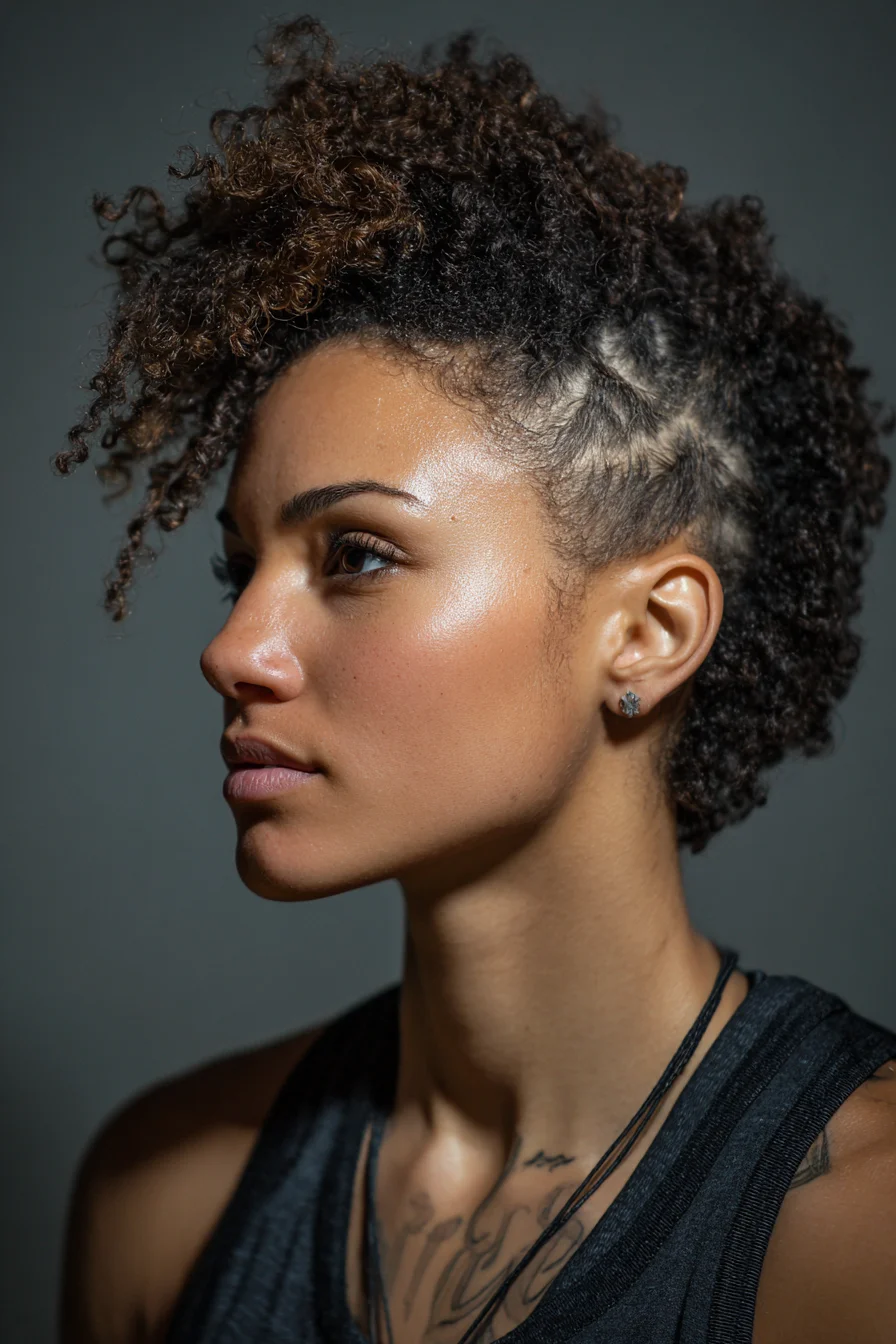
Suitable for 3A–4C natural textures and short-to-medium lengths, this tapered curly mohawk emphasizes volume on top with a clean undercut or soft braid detail at the sides. Start with a clarifying shampoo and a deep conditioning treatment, detangling gently while damp. Have a professional barber or stylist create the taper/undercut (clipper guards 1–4) and any precise parting or flat-twist work. For styling, apply a water-based leave-in, then a curl-defining cream or light custard and use finger-coiling or a Denman brush in small sections to encourage curl clumping. Diffuse on low heat or air-dry to set shape. Tools: clippers, rat-tail comb for parting, wide-tooth comb, Denman or styling brush, diffuser and clips. Products: sulfate-free shampoo, rich deep conditioner, lightweight leave-in, curl cream or gel, and a small amount of lightweight oil for shine. Difficulty: moderate — professional cut recommended for clean lines; routine styling is manageable at home. Maintenance: refresh with a water/leave-in mist, re-twist or finger-coil as needed, sleep on a satin bonnet, and book a shape-up every 2–4 weeks to keep the taper neat and edges tidy.
Double Dutch Braids — Tight Center-Parted Braids for Medium–Long Hair
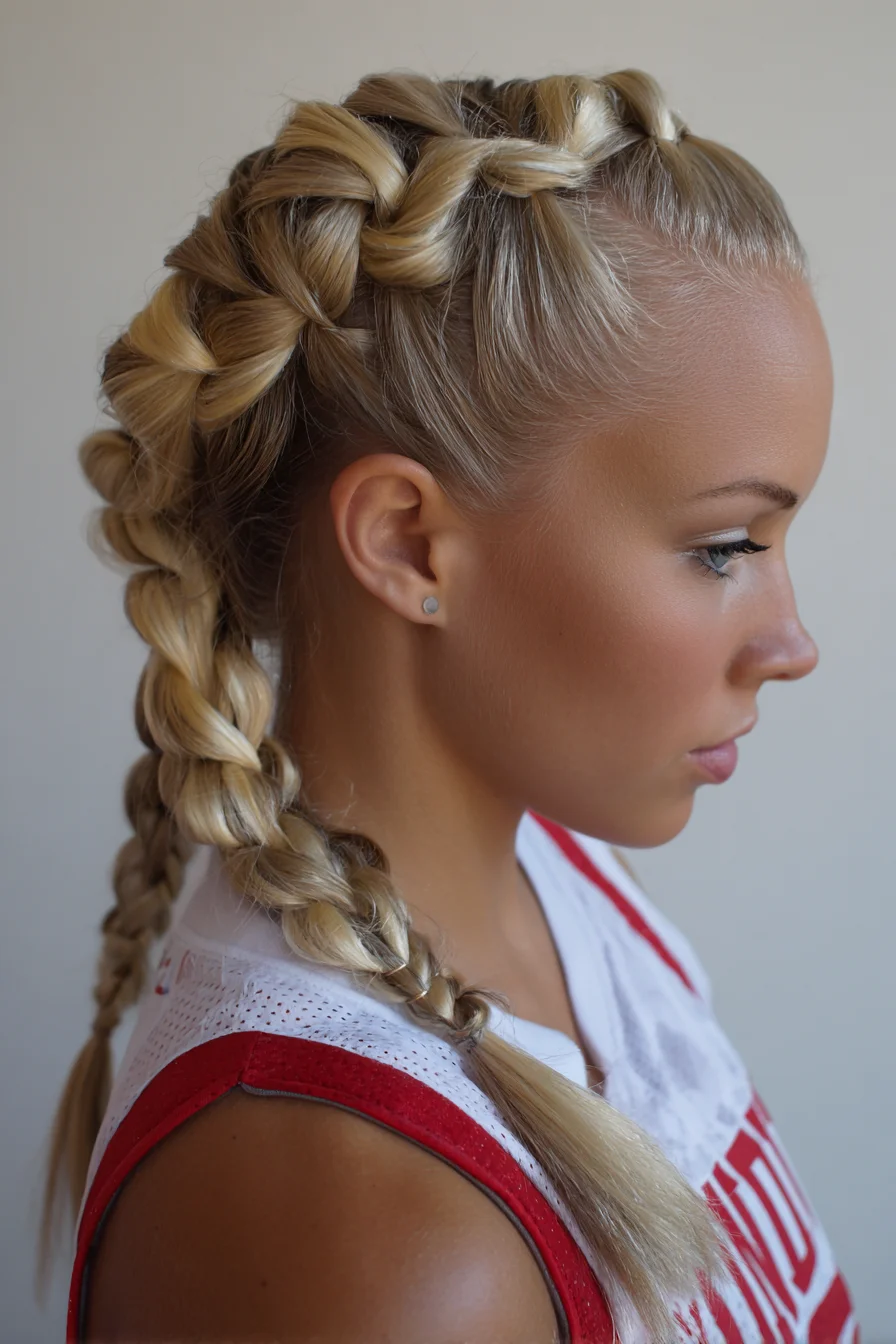
This polished double Dutch braid look works best on medium to long hair and medium to thick textures; straight or slightly wavy hair gives the clean, defined braid seen here. Start on dry, detangled hair with a precise center part. For each side, take a small front section and create a Dutch (inside-out) three-strand braid, adding hair from the hairline as you move toward the nape. Continue a regular three-strand braid down the length and secure with a small elastic. Gently pancake the braid loops for fuller volume if desired. Tools: rat-tail comb, paddle brush, small clear elastics, sectioning clips and a handheld mirror. Products: light hold gel or smoothing cream for flyaways at the roots, texturizing spray for grip, and a flexible-hold hairspray to lock shape. Difficulty: intermediate — requires comfort with Dutch braiding and even tension (allow 20–40 minutes). Maintenance: sleep with a silk scarf or pillowcase, refresh with dry shampoo and a quick re-tighten of elastics after 1–2 days, and avoid excessive tension to prevent breakage at the hairline.
Double Dutch (Boxer) Braids with Braided Fringe — Sleek Sporty Braided Hairstyle
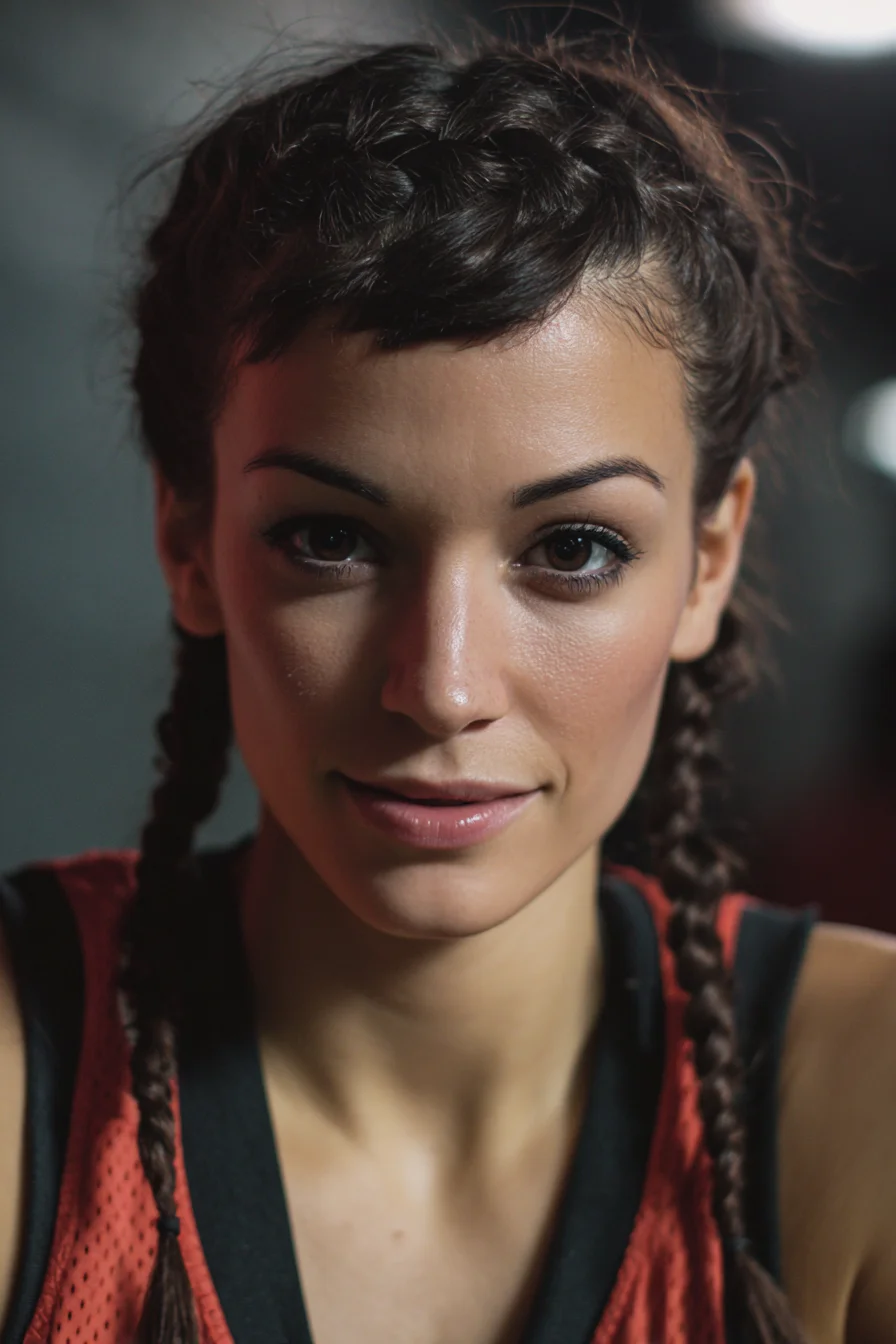
Suitable for straight to wavy hair in medium to long lengths, this double Dutch (boxer) braid look with a small braided fringe gives a sporty yet polished finish. Technique: create a clean center part, divide the hair into two sections, and Dutch-braid each side starting at the hairline, feeding in hair as you go; add a small 3-strand braid across the front or braid the front sections and pin them to create the braided fringe. Secure ends with snag-free elastics and gently pancake the braids for width if desired. Tools: rat-tail comb, sectioning clips, fine-tooth comb, elastic bands, bobby pins. Products: texturizing spray or light mousse for grip, smoothing cream for flyaways, edge control for baby hairs, and light-hold hairspray. Difficulty: intermediate — requires confident braiding and even tension; expect 20–35 minutes. Maintenance: sleep on a silk pillowcase, refresh with dry shampoo and light mist of hairspray, moisturize the scalp between wears, and avoid over-tightening to prevent breakage. For fine hair, add a little volume at the roots before braiding.
Double Dutch Braids into High Textured Buns with Face‑Framing Braids
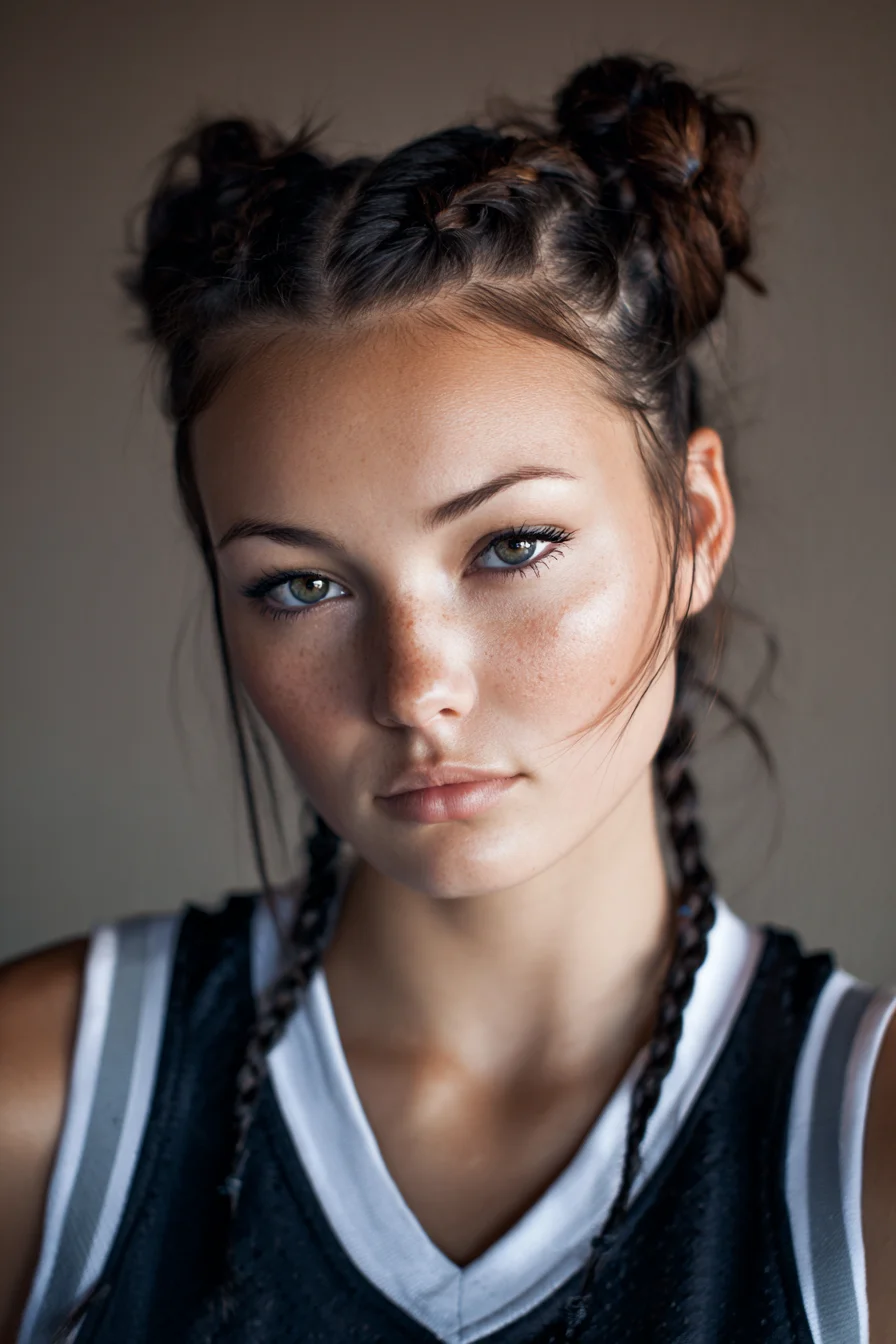
This look combines two Dutch (inverted) braids pulled into high textured buns with two thinner face‑framing braids for a sporty yet polished finish. Suitable for medium to thick hair and straight to wavy textures; curly hair works well if smoothed first. Start with detangled, slightly dry hair. Section down the middle, apply a lightweight smoothing cream at the roots, then use a rat‑tail comb to create clean parts. Dutch braid each side tightly from the hairline to the crown, secure with small elastics, then wrap the remaining braid into a bun and pin. Leave or braid two front strands for the face‑framing detail. Tools: fine tooth comb, rat‑tail comb, hair clips, small elastics, bobby pins. Products: smoothing cream or gel for edges, texturizing spray for grip, lightweight hairspray to set, dry shampoo to refresh. Difficulty: intermediate — expect 25–45 minutes depending on length and skill. Maintenance: sleep on a silk pillow or wrap with a silk scarf, refresh with dry shampoo and edge control, avoid overly tight tension to prevent breakage, and redo every 2–4 days for best scalp health.
Sleek Double Dutch Braids (Two Dutch/Boxer Braids) for Medium–Long Hair
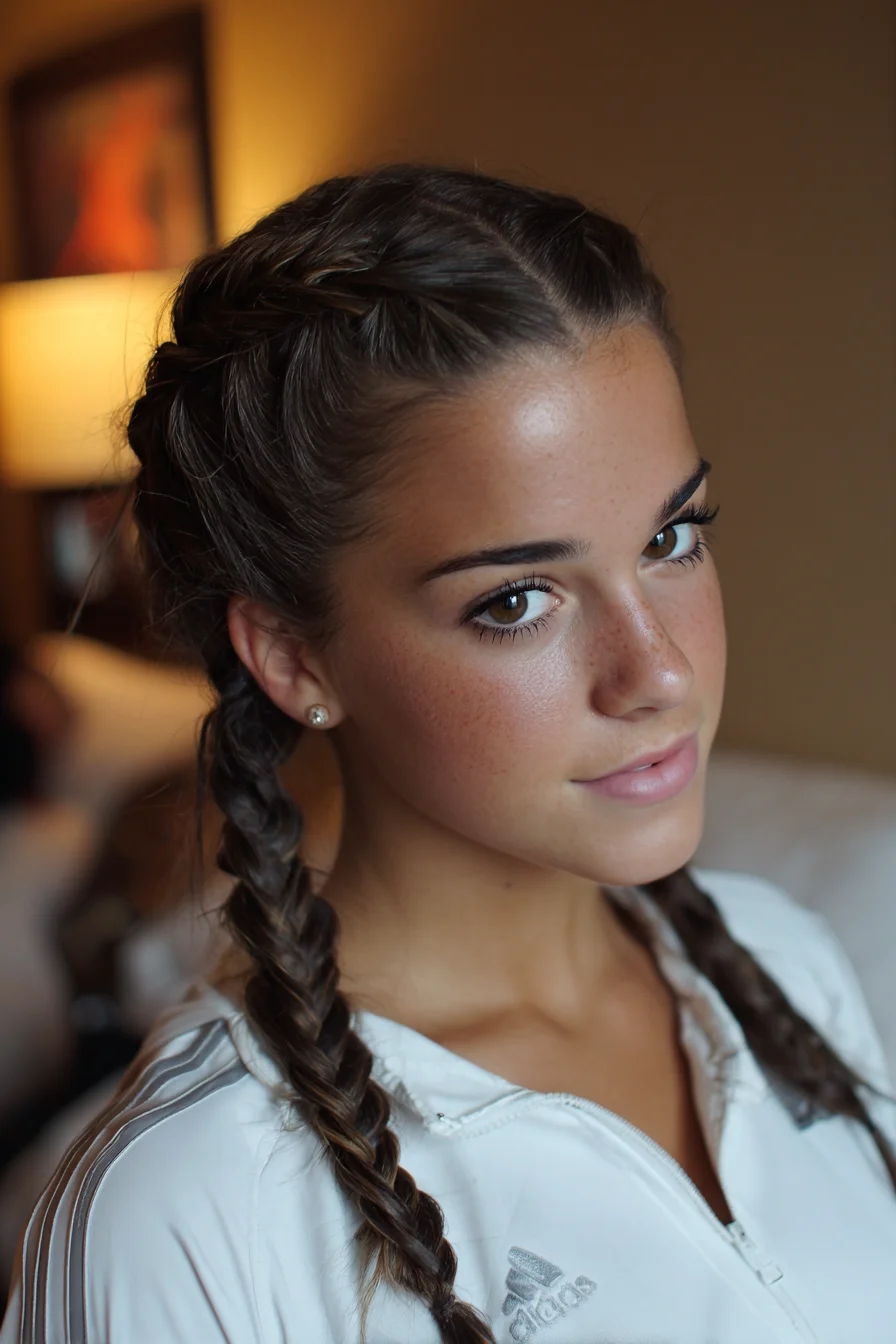
Style summary: A polished pair of Dutch (underhand) braids started at the hairline and carried down to two long three‑strand braids — ideal for active days or a neat everyday look. Hair type suitability: Best on medium to long lengths; works well on straight, wavy, or gently textured hair. Fine hair benefits from texturizing spray or dry shampoo for grip; thicker or curly hair may need smoothing cream or a light blowout for control. Styling technique: Create a clean center part, clip one side away. Starting at the hairline, take three small sections and braid underhand, adding hair to each strand as you follow the scalp to the nape; continue as a regular three‑strand braid to the ends and secure. Repeat on the other side. Tools needed: rat‑tail comb, sectioning clips, small elastics, detangling brush, and optional double mirrors. Products required: texturizer or dry shampoo (for hold), smoothing cream or light pomade (for frizz control), light hairspray and a shine serum. Difficulty: Intermediate — practice with Dutch braiding recommended; expect 15–30 minutes. Maintenance tips: Sleep on a silk pillow or wrap with a scarf, refresh by misting and re‑tightening elastics, tame flyaways with a wax stick, and wash every 2–4 days to preserve grip and shape.
Curly Cornrow Updo with Defined Baby Braids and Textured Back
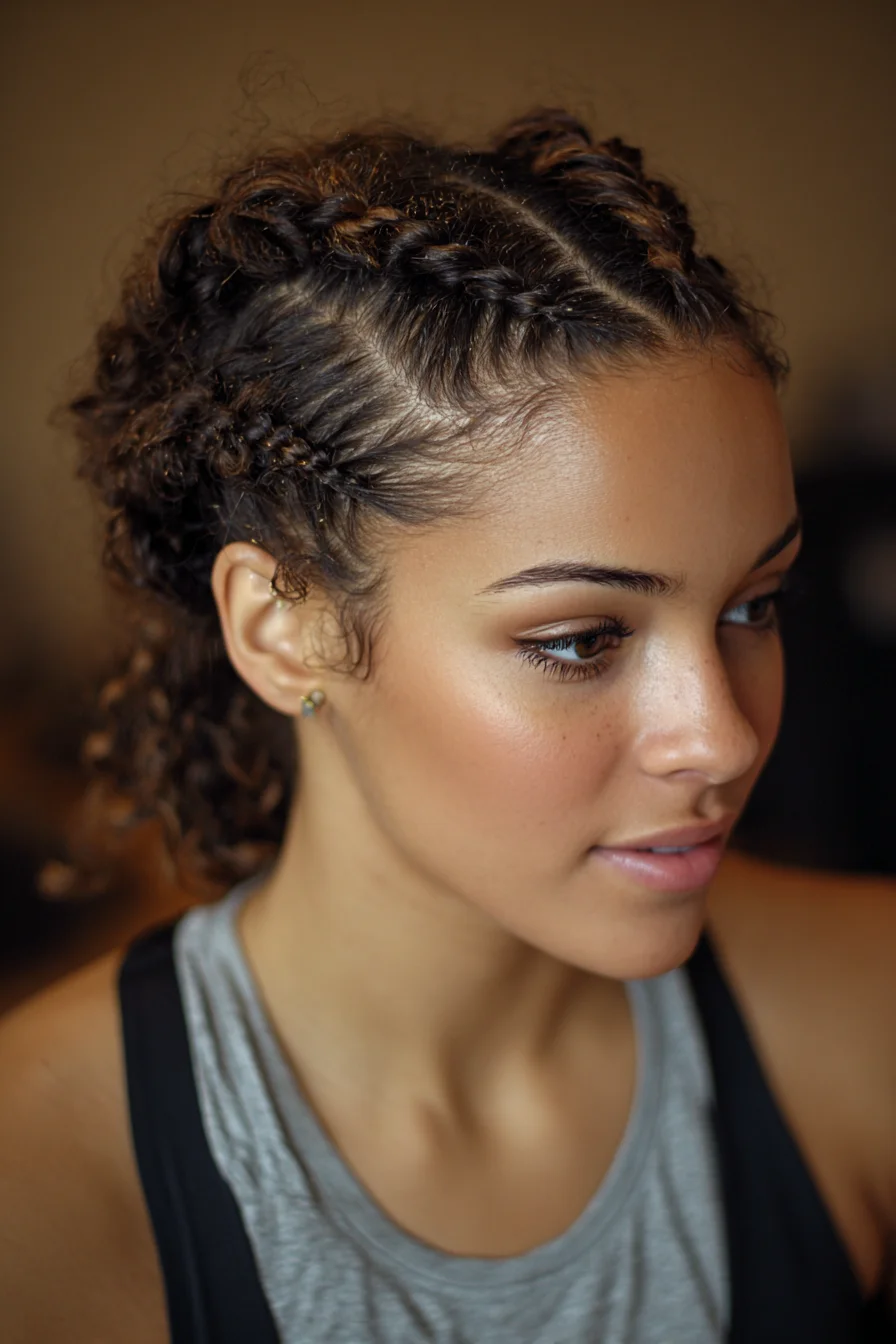
A versatile salon-ready style that pairs sleek cornrows and small baby braids across the crown with a textured, curly back. Best suited to type 3 (wavy/curly) and type 4 (coily) hair and medium to thick density; fine hair can wear a variation with added texture or light extensions. Technique: section hair into clean panels using a rat-tail comb, feed-in (or Dutch) cornrows along the top and sides, secure ends into a low pony or small bun, then enhance the free curls with a curl-defining product. Tools needed: rat-tail comb, sectioning clips, small elastic bands, fine-tooth comb for edges, wide-tooth comb or fingers for curl separation, and an optional diffuser. Products required: lightweight leave-in conditioner, curl cream or defining custard, medium-hold styling gel or edge control for sleek parts, small amount of oil for shine, and a light-hold hairspray. Difficulty: intermediate — expect 30–60 minutes depending on size/number of braids. Maintenance tips: sleep on a silk scarf/bonnet, refresh curls with a water–leave-in mist and scrunch, reapply edge control as needed, moisturize scalp weekly, and redo cornrows after 2–3 weeks to prevent tension and breakage.
Messy Textured Double Dutch Braids with Voluminous Crown

This relaxed, textured double-braid is ideal for medium-to-long hair and suits straight, wavy, or loosely curly textures. Fine hair benefits from a salt or texturizing spray to add grip; thick hair may need smoothing and sectioning to keep the braids tidy. Technique: create a clean center part, mist roots with dry shampoo or texture spray, backcomb the crown lightly for lift, and leave face-framing pieces out. Begin two Dutch (inside-out) or three-strand braids at the temples, braid loosely to the ends and secure with small elastics. Pancake each braid by gently pulling at the edges for fullness and release a few wisps at the hairline for that lived-in finish. Tools & products: rat-tail comb, wide-tooth comb, sectioning clips, small elastics, texturizing/sea-salt spray, lightweight smoothing serum for ends, and a medium-hold hairspray. Difficulty: easy–medium — basic braiding skills and patience for pancaking. Maintenance tips: sleep on a silk pillow or tie hair loosely, refresh with dry shampoo or texture spray, retighten elastics if needed, and deep-condition weekly to prevent dryness and breakage.
High Curly Textured Bun with Laid Baby Hairs
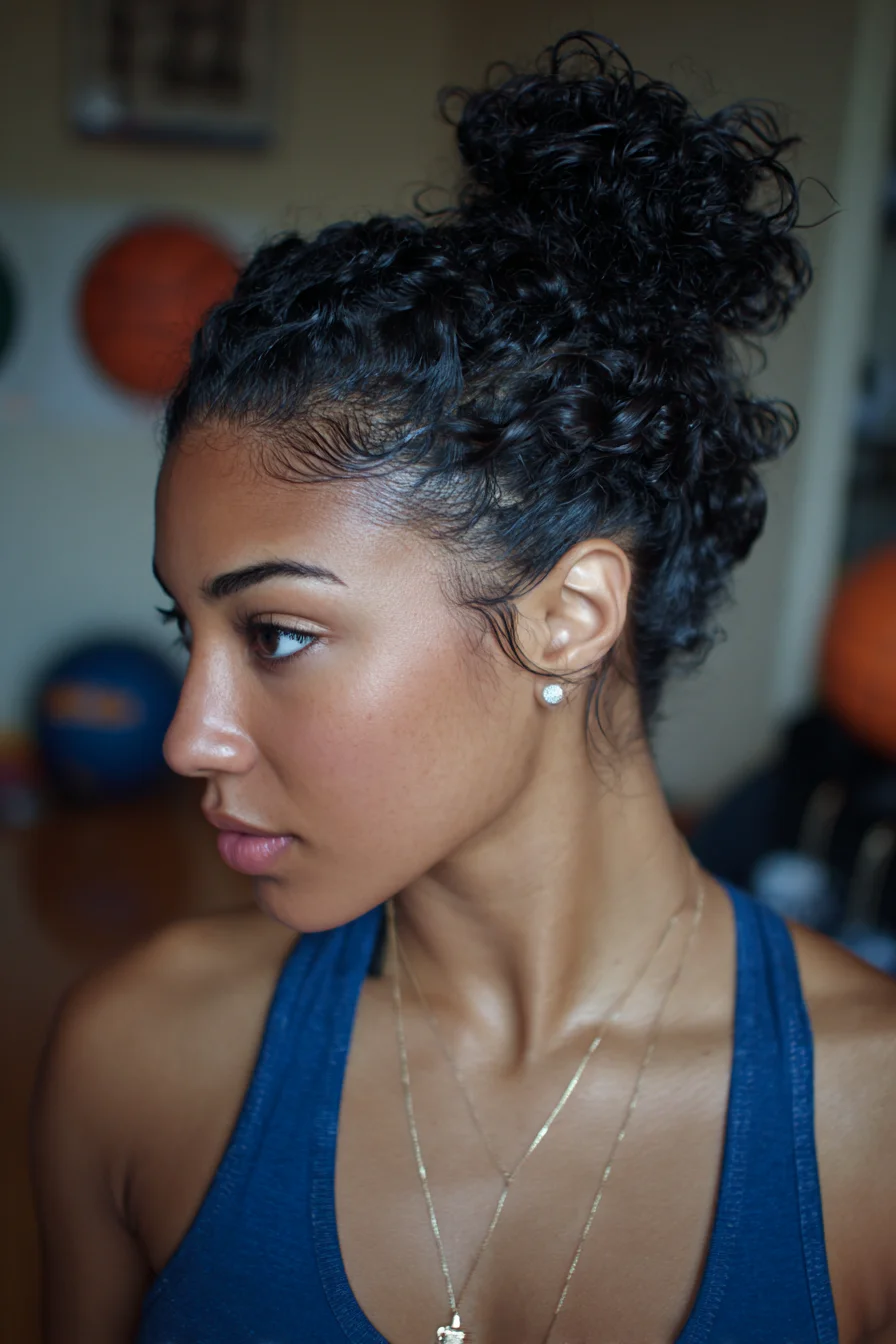
This high curly textured bun with laid baby hairs suits naturally curly, coily, or wavy hair (roughly 3A–4A) and works well for medium to dense density. Start on damp, detangled hair: apply a lightweight leave‑in conditioner and a curl cream or mousse through the lengths to define strands. Use a wide‑tooth comb or Denman brush to evenly distribute product, then gather hair into a high ponytail. Twist the pony loosely and wrap into a bun, securing volume with a snag‑free elastic and U‑pins or bobby pins so curls keep their shape. Smooth and sculpt baby hairs with a small soft brush or toothbrush and a lightweight edge control gel for a polished finish. Tools: wide‑tooth comb, Denman or curl brush, microfiber towel, elastic, bobby pins, edge brush. Products: leave‑in conditioner, curl cream/mousse, light gel for edges, small amount of oil/serum, optional flexible hairspray. Difficulty: easy–moderate (10–30 minutes depending on shrinkage). Maintenance: sleep with a silk bonnet or pillowcase, refresh with water + leave‑in or curl refresher spray, re‑slick edges as needed, and deep‑condition weekly to maintain elasticity and definition.
Boho Crown Braid with Loose Waves and Side Twist Braids
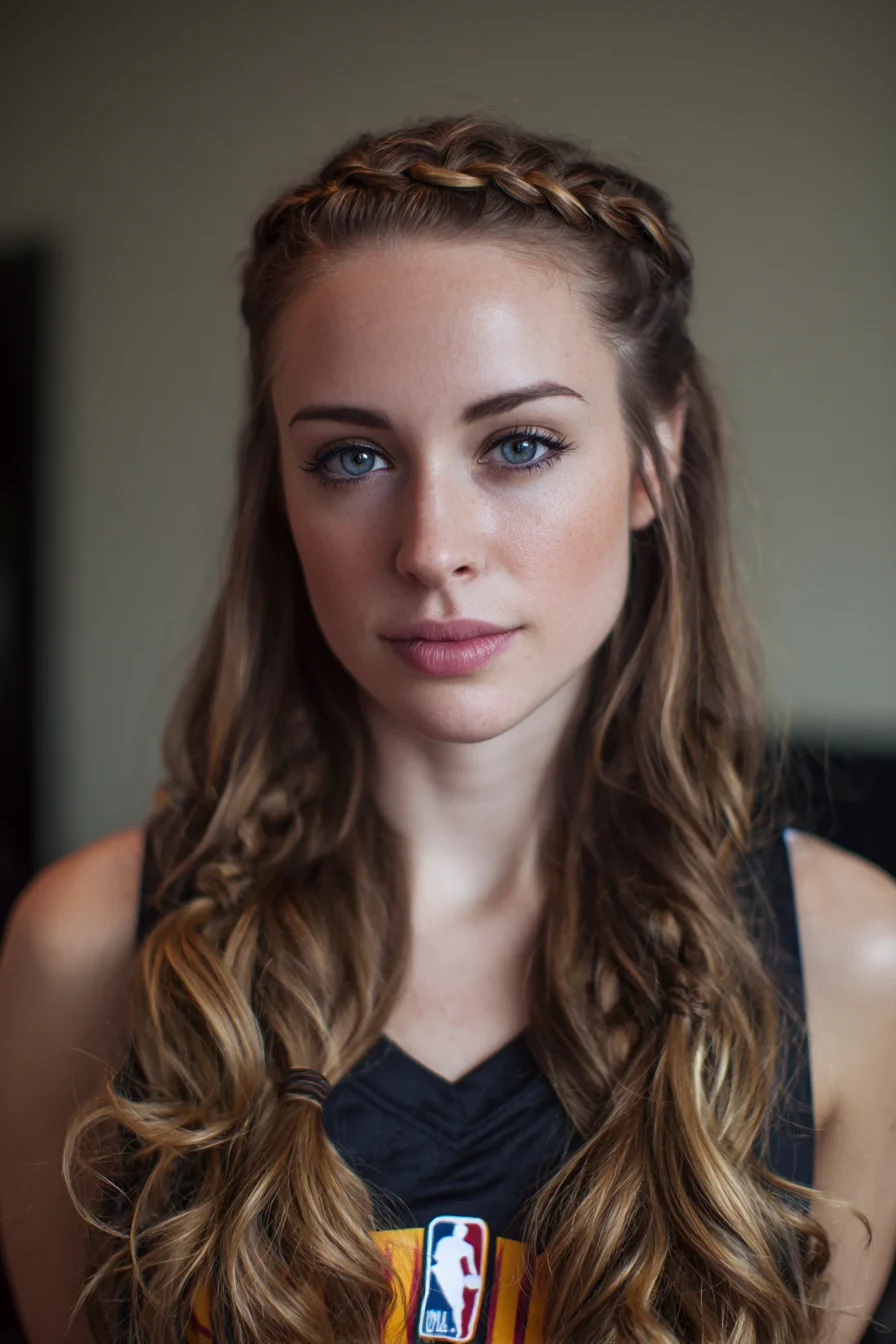
This romantic half-up boho crown works best on medium to long hair and suits fine through thick textures — add light extensions for added fullness. Start by creating a small Dutch/French braid along the hairline to form the crown, then gather two loose side sections and create relaxed three-strand or rope braids that blend into the lower lengths. Use a 1
Textured Braided Double Bun Updo with Loose Face‑Framing Pieces
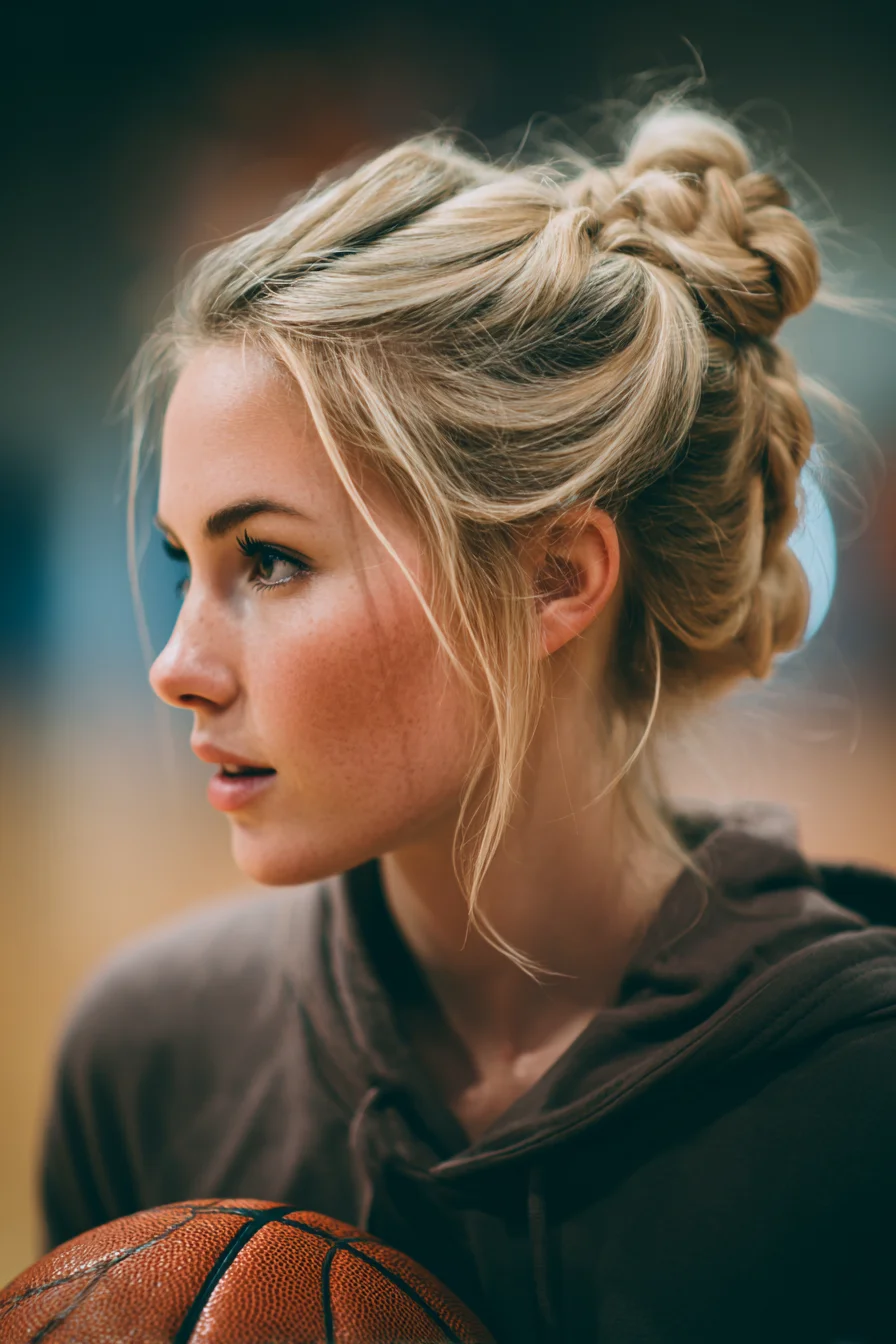
This polished-but-relaxed braided double bun suits medium to thick hair from shoulder length to long; fine hair will benefit from pre-texturizing, while naturally curly hair can be smoothed slightly or left tousled for extra volume. Technique: create a deep center or slightly off-center part, French/Dutch braid the top sections toward the crown, secure with small elastics, then twist each braid into low stacked buns and pin with bobby pins. Pull a few face‑framing strands loose and gently tug the braids for width and softness. Tools needed: tail comb, sectioning clips, small clear elastics, bobby pins, and a light curling iron for shaping face pieces if desired. Products: texturizing spray or dry shampoo for grip, lightweight smoothing serum on ends, and a flexible-hold hairspray to set without stiffness. Difficulty level: intermediate — expect 20–35 minutes depending on practice. Maintenance tips: refresh texture with dry shampoo, re-pin any loose loops, dampen and reshape front tendrils with a curling iron, and sleep on a silk pillowcase or wrap to preserve shape between wearings.
Double Dutch Braids into Low Braided Pony — Sporty Cornrow-Style Finish
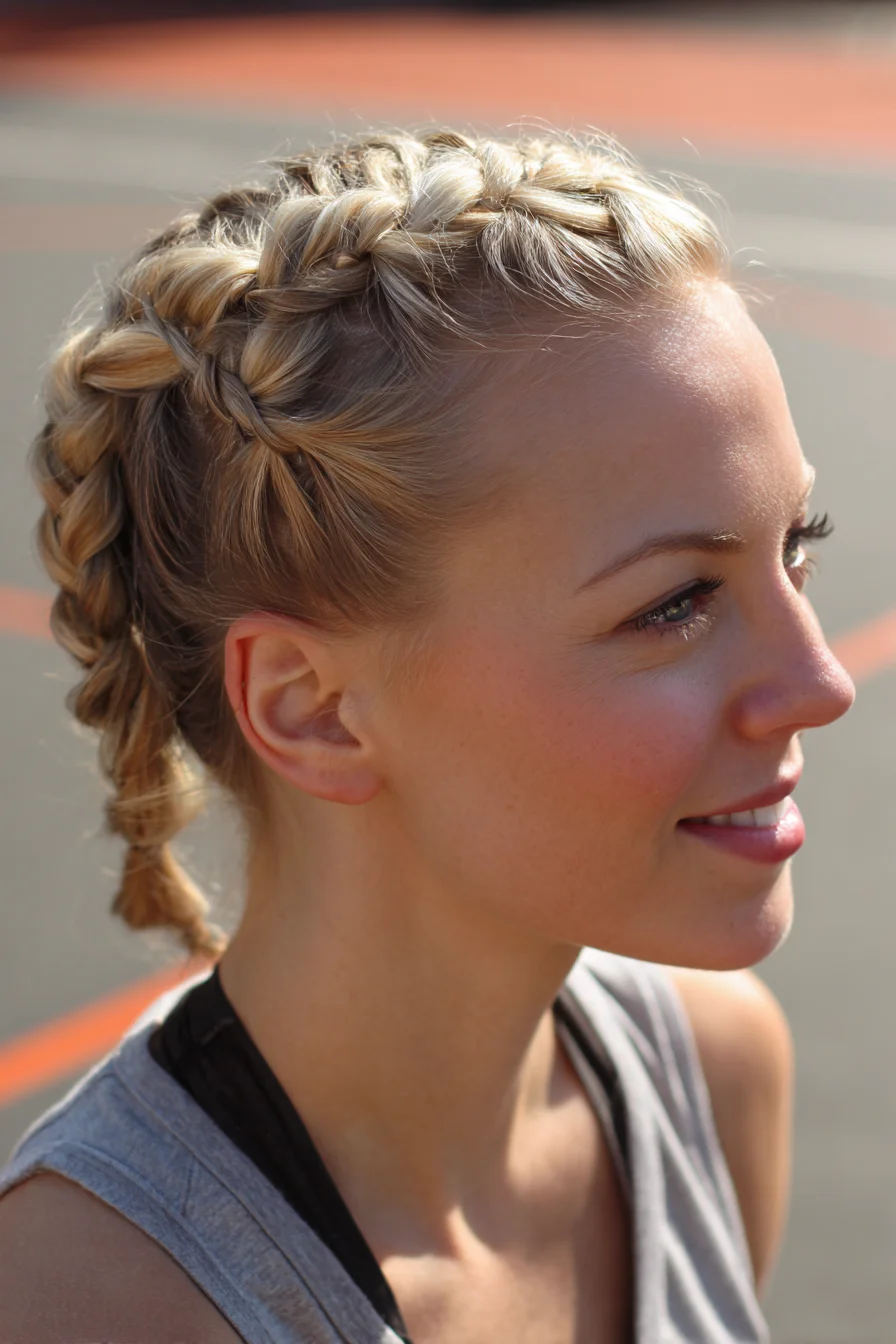
This clean, sporty style uses two Dutch (underhand) braids that run along the scalp and join into a low braided pony — ideal for active clients and polished everyday wear. Best suited to straight or slightly wavy hair at shoulder length or longer and medium-to-thick density; fine hair will benefit from texture spray or lightweight clip-in pieces for added substance, and very curly hair can be smoothed before braiding. Technique: create a centered part, clip sections, then Dutch-braid each side by adding hair into the underhand sections; continue tight to the nape and combine into a single three-strand braid. Tools needed: rat-tail comb, sectioning clips, medium bristle brush, small clear elastics, and bobby pins. Recommended products: texturizing spray or dry shampoo for grip, lightweight smoothing cream or serum to tame flyaways, and a flexible-hold hairspray to lock the look. Difficulty: intermediate — requires confident, consistent tension and neat parting; expect 15–30 minutes. Maintenance: sleep on a silk pillow or wrap with a scarf, refresh with dry shampoo, re-tighten elastics as needed, and touch up edges with a small brush and light gel.
Textured Dutch Double Braids with Loose Face‑Framing Tendrils
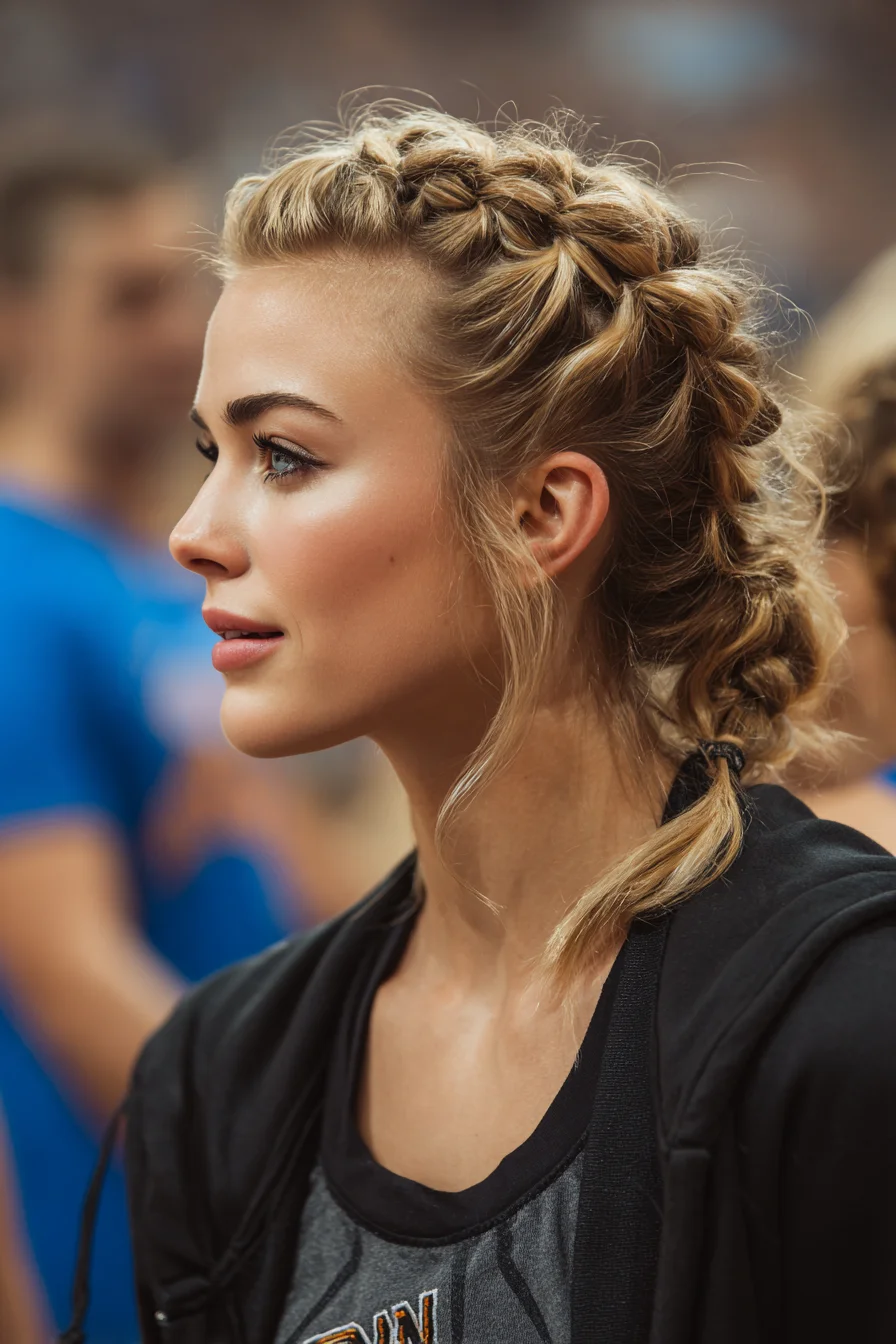
Suitable for medium to thick hair and adaptable for fine or curly textures with prep. This look is created by two Dutch (inside‑out) braids started at the hairline and braided toward the nape, then gathered into a low braided pony or combined into a single plait. Slightly pancake each braid to widen the braid and pull out a few face‑framing tendrils for softness. Start with detangled, towel‑dried hair; apply a texturizing spray or mousse for grip, and smooth the top with a light‑hold gel if needed. Tools: tail comb for clean parts, paddle brush, sectioning clips, small clear elastics, bobby pins, and a wide‑tooth comb. Products: dry shampoo or salt spray to add texture, lightweight cream or pomade for flyaways, and flexible hairspray to set. Difficulty: intermediate — requires confident braiding and even tension; allow 15–30 minutes. Maintenance: sleep on a silk pillowcase or wrap with a scarf to limit frizz, refresh with dry shampoo and re‑pancaking if the braid flattens, replace elastics every few days, and trim ends regularly to prevent split ends. For a polished salon finish, anchor ends with a small elastic and conceal with bobby pins.
Textured High Messy Bun with Face-Framing Tendrils
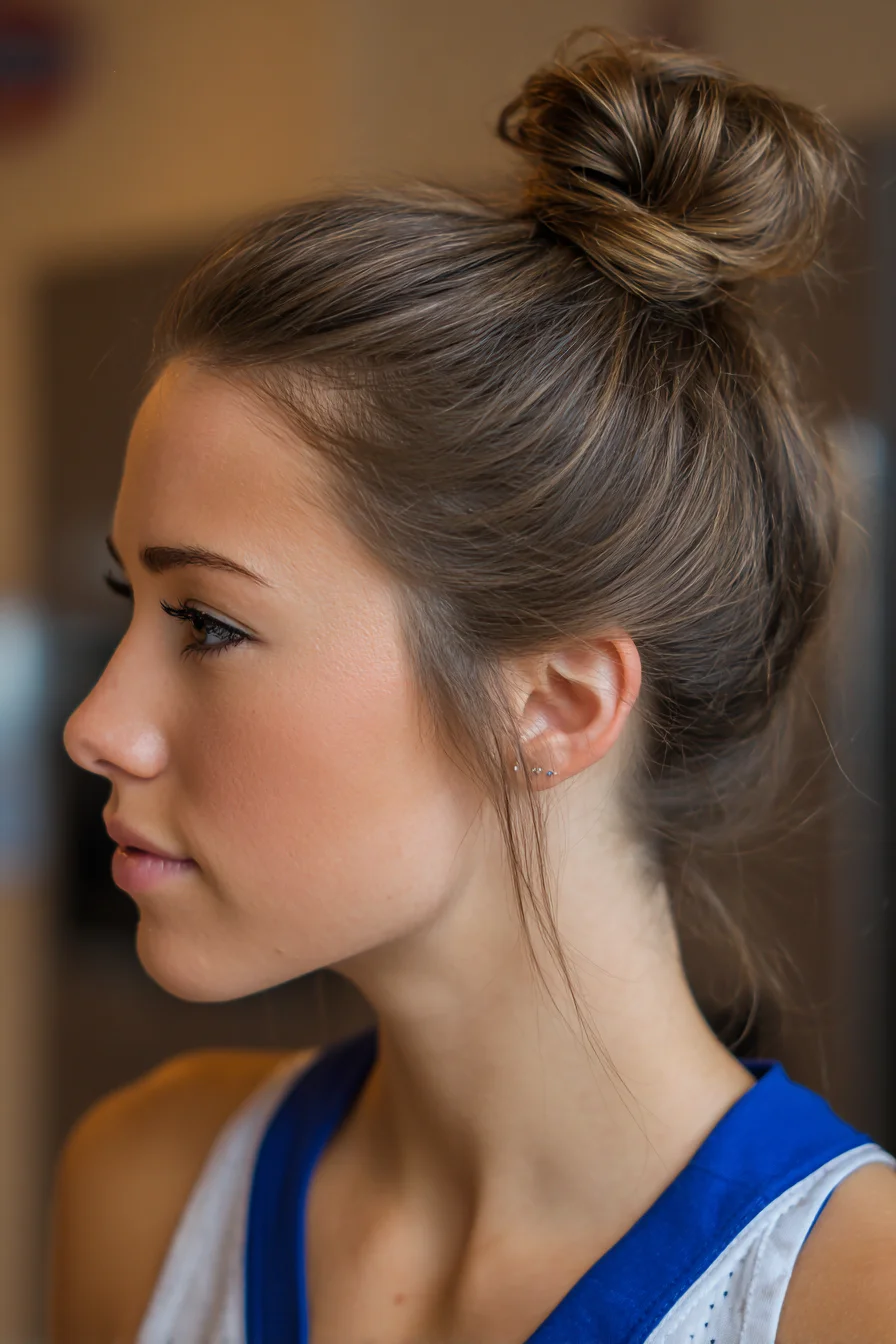
This textured high messy bun with face-framing tendrils works well on medium-to-long hair and suits fine, medium, and thick textures — fine hair benefits from volume products, while thick hair may need smoothing or sectioning. Begin by applying a light volumizing mousse or dry shampoo at the roots and blow-dry or air-dry for natural texture. Gather hair into a high pony, backcomb the crown lightly for lift if desired, then twist the lengths loosely and wrap into a bun, securing with an elastic and 3–5 bobby pins placed diagonally for hold. Pull out two or three small face-framing pieces and soften them with a 1
Double Dutch Braids with Pancaked Texture — Sporty Two-Braid Hairstyle
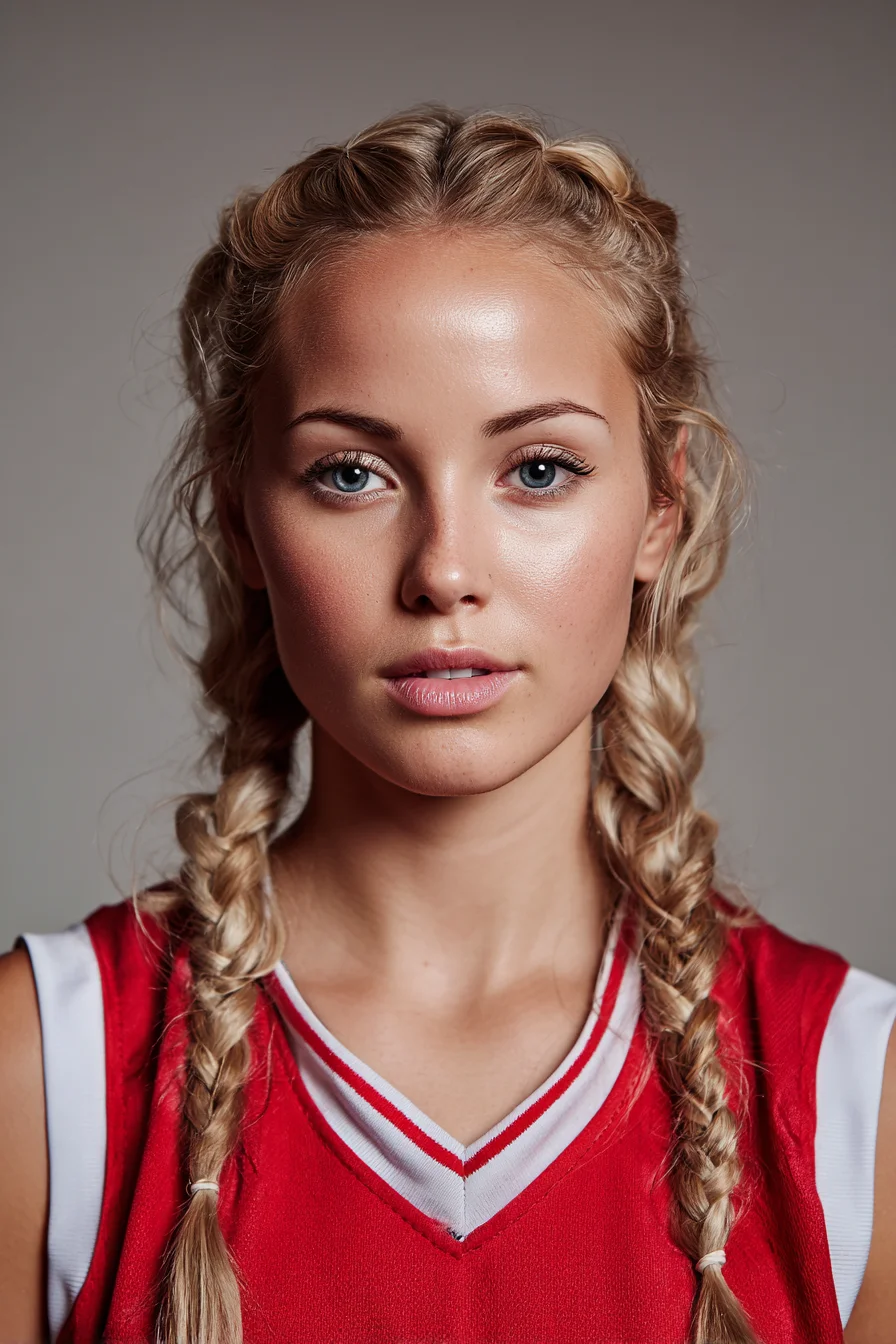
This professional double Dutch braid is ideal for medium to thick straight or wavy hair and can be adapted for fine hair with added texture. Start with clean, slightly damp or day-two hair; create a precise center part and work one side at a time. Pick a small front section and braid using the Dutch (inside-out) three-strand technique, adding hair as you move toward the crown and continuing down the length; secure with a small elastic and repeat on the other side. For the salon-finished look, gently pancake each braid by pulling the outer loops for width and softness. Tools needed: rat-tail comb for parting, sectioning clips, fine-tooth comb, paddle brush, small clear elastics. Recommended products: light mousse or salt spray for grip, texturizing powder for fine strands, smoothing cream or light oil for ends, and flexible-hold hairspray to set. Difficulty: Intermediate — 20–35 minutes with practice. Maintenance tips: sleep on a silk pillowcase or use a silk scarf, refresh roots with dry shampoo, retighten or redo elastics as needed, and deep-condition weekly if you braid frequently to prevent breakage.
Double Top-Knot Space Buns with Long Side Braid for Curly/Coily Hair
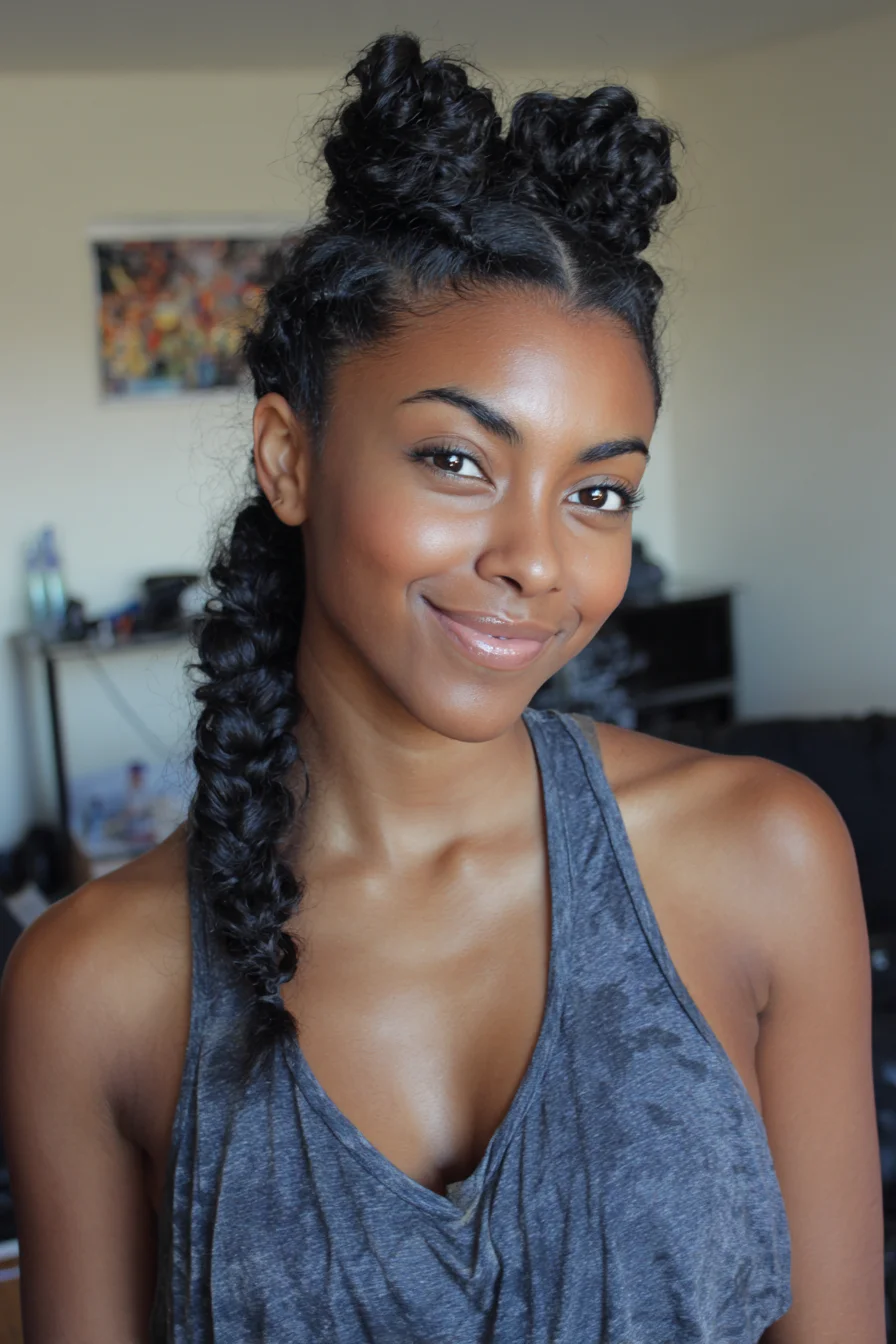
This style works best on Type 3–4 textured hair or naturally curly strands with medium to long length. Start on detangled, lightly damp hair. Create a clean centre part and section two high front panels for the space buns; secure each into a small ponytail, twist and pin into loose buns for volume. Smooth the remaining hair back with a lightweight gel or edge control and begin a Dutch or three-strand braid down one side, keeping the braid chunky for texture and fastening with a small elastic. Tools: rat-tail comb for parting, small elastics, bobby pins, sectioning clips, and an edge brush. Products: leave-in detangler, curl cream or defining custard, light-hold gel for sleek edges, nourishing oil for shine, and a flexible hairspray to set. Difficulty: intermediate — expect 20–40 minutes depending on practice. Maintenance tips: sleep on a satin pillow or wrap in a silk scarf, refresh edges with a dab of gel and a toothbrush, lightly mist braid with water and leave-in to reactivate curl cream, and re-twist or redo buns after 2–4 days to avoid frizz and maintain scalp health.
Sleek Double Cornrow (Boxer) Braids with Feed-In Ends
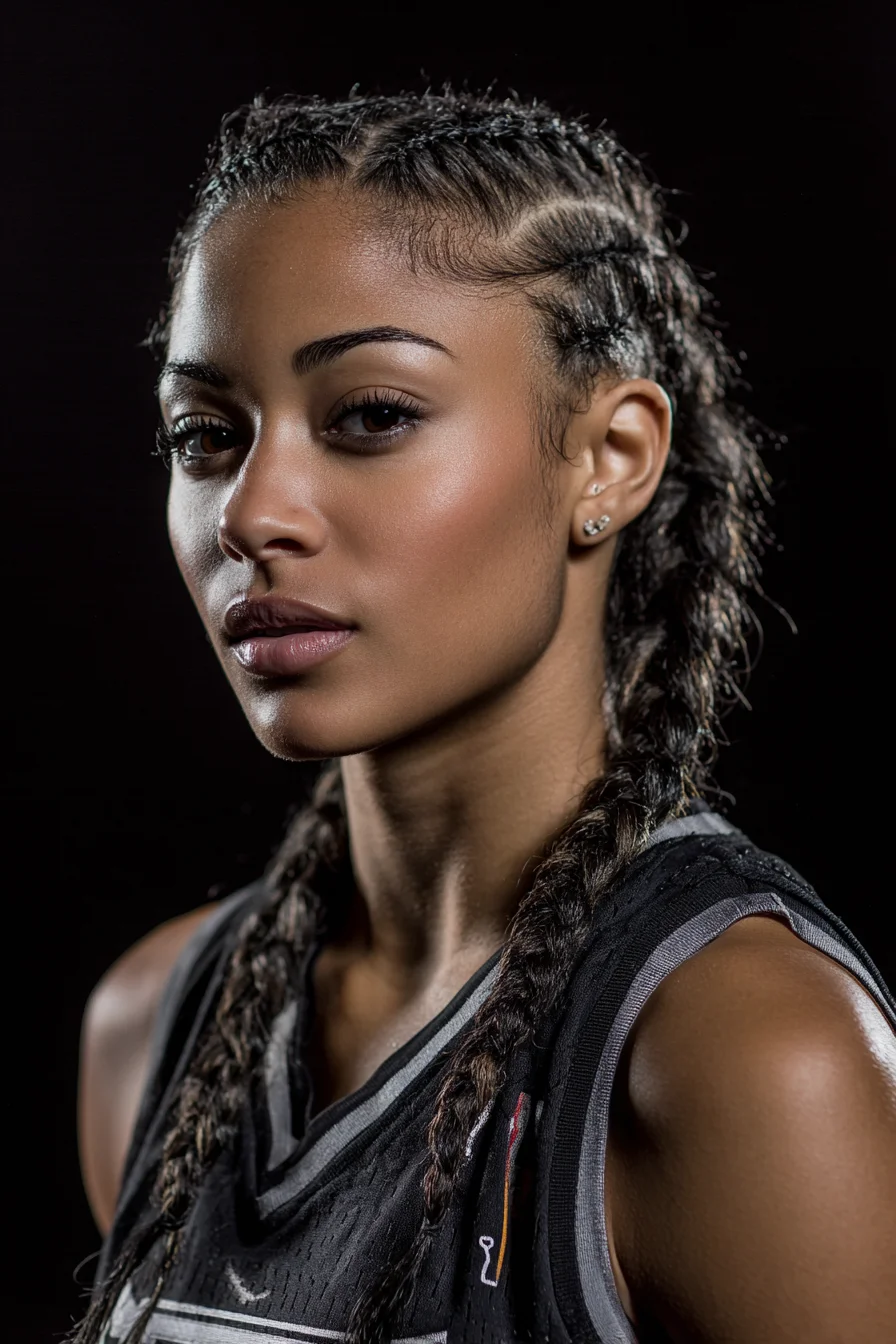
This athletic, low-profile style suits medium to thick hair and works well on textured or curly hair; fine hair will benefit from feed-in extensions for added thickness and length. Technique: create a precise center part, then cornrow each side from the hairline to the nape using a feed-in method to gradually add extension hair if desired. Keep tension even and finish with small clear elastics or knot and tuck ends. Tools needed: rat-tail comb for clean parts, sectioning clips, edge brush, small elastics, and optional synthetic or human hair extensions. Products required: lightweight leave-in conditioner, firm-hold edge control or gel for smooth parts, braid spray or light oil for scalp moisture, and a light shine serum for finish. Difficulty level: intermediate — requires steady hands and consistent tension; book a stylist if you want very tight, uniform rows. Maintenance tips: sleep with a silk/satin scarf or bonnet, refresh edges with minimal gel, mist scalp with braid spray every 3–4 days, cleanse gently with diluted shampoo or dry-cleanse, and avoid excessive tension or frequent re-braiding to prevent breakage and traction.
Double Dutch (Boxer) Braids — Sporty Two-Strand Style for Medium-Long Hair
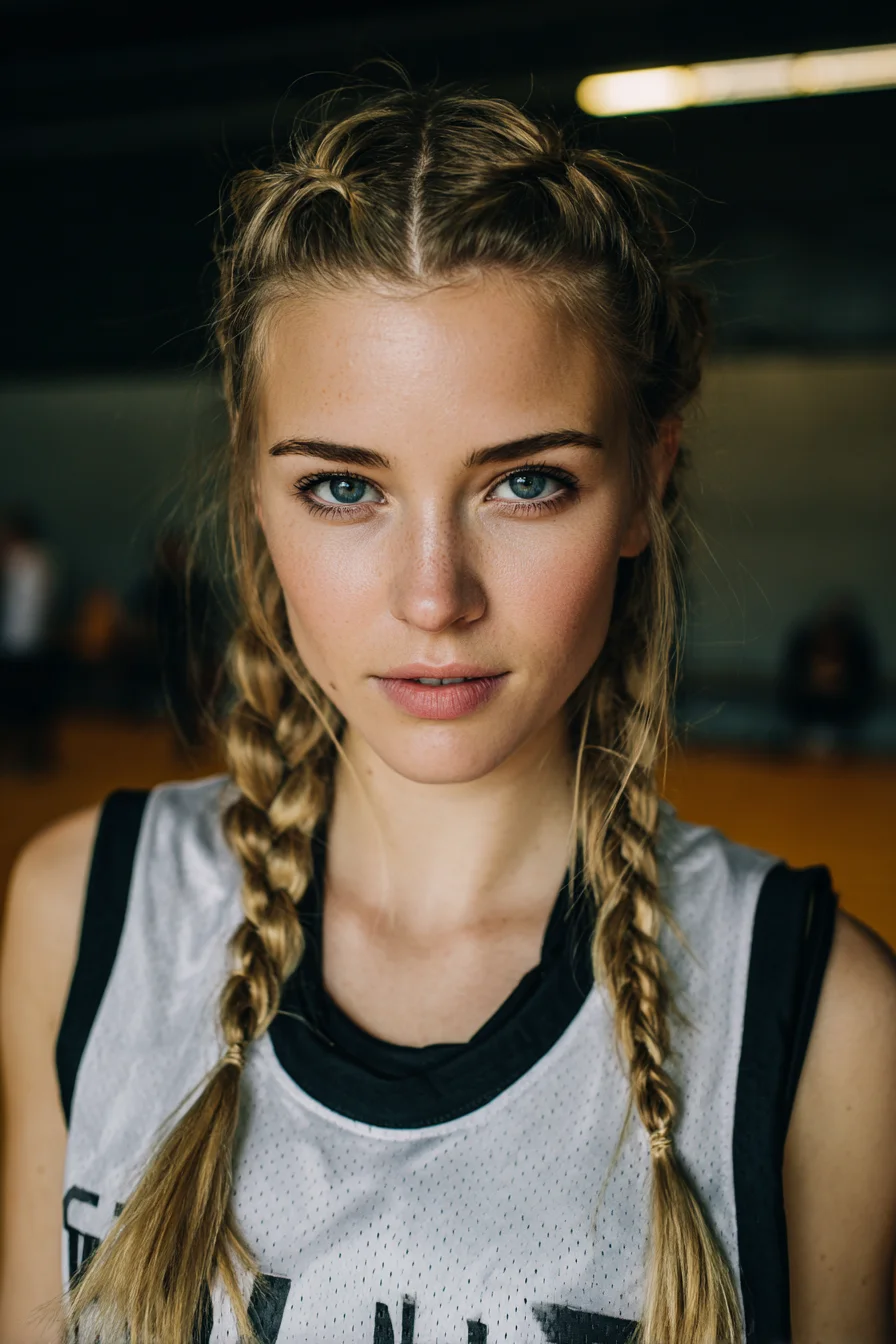
These clean double Dutch (boxer) braids are ideal for medium-to-long hair and work well on straight, wavy, or relaxed curly textures. To create them, start on damp or second-day hair: make a precise center part, clip one side out of the way, then begin a Dutch braid at the hairline—crossing sections under rather than over—and add thin sections as you move toward the nape. Repeat on the opposite side and secure with low snag-free elastics. For a fuller, softer look, gently pancake each braid by pulling the outer loops apart. Tools: tail comb, paddle brush, small snag-free elastics, sectioning clips, and a fine-tooth comb for edges. Products: leave-in detangler or light styling cream, sea-salt or texture spray for grip, smoothing serum for flyaways, and light-hold hairspray. Difficulty: beginner–intermediate; expect 10–25 minutes depending on practice. Maintenance: sleep on a satin pillowcase or wrap with a silk scarf, refresh texture with dry shampoo or sea-salt spray, and redo front sections if they loosen. For fine hair, add volumizing powder at the roots; for thick hair, braid smaller subsections for neatness and stronger hold.
Double Dutch Cornrow Braids for Curly Hair
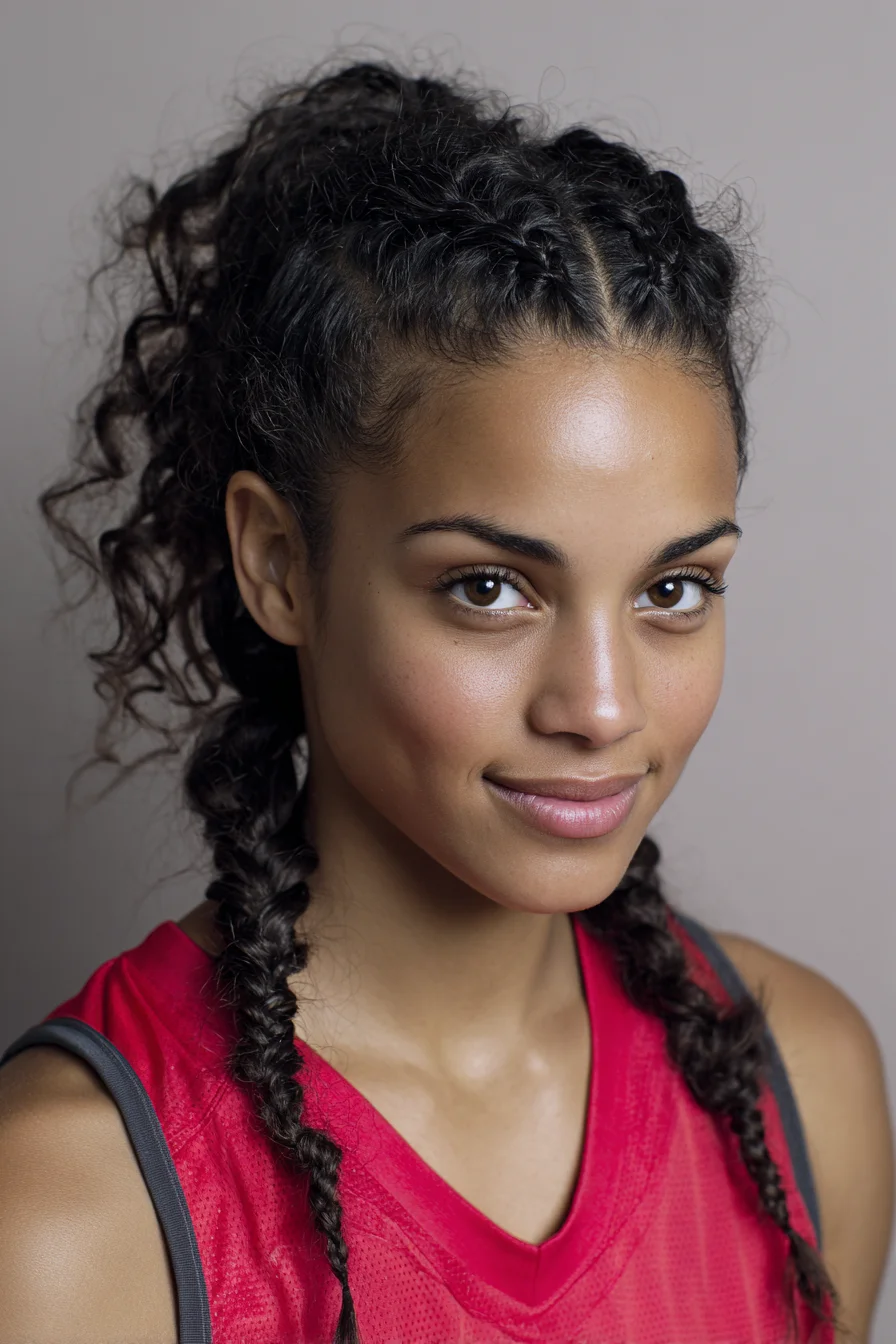
A practical, salon-ready style for medium to long curly and textured hair (3A–4A). This look uses two Dutch/cornrow braids started at the hairline and fed back into regular three-strand braids, creating a secure, low-maintenance finish while keeping hair away from the face. Technique: detangle damp hair, create a clean center part, apply a lightweight leave-in and small amount of styling gel at the roots for grip, then Dutch-braid each side using the feed-in method and finish with elastic bands. Tools needed: rat-tail comb, wide-tooth comb, sectioning clips, fine-tooth edge brush, elastic bands, and a spray bottle. Products required: leave-in conditioner, curl cream or light gel for hold, lightweight oil or serum for shine, and a moisturizing mist for upkeep. Difficulty level: intermediate — requires comfort with Dutch braiding; allow 25–45 minutes. Maintenance tips: sleep with a silk scarf or bonnet, mist braids weekly with a water/leave-in mix, reapply edge control to smooth baby hairs, avoid heavy creams that cause buildup, and redo braids or touch up edges after 1–2 weeks to prevent breakage.
Centered Dutch (Boxer) Braid with Pancaked Volume to Low Pony
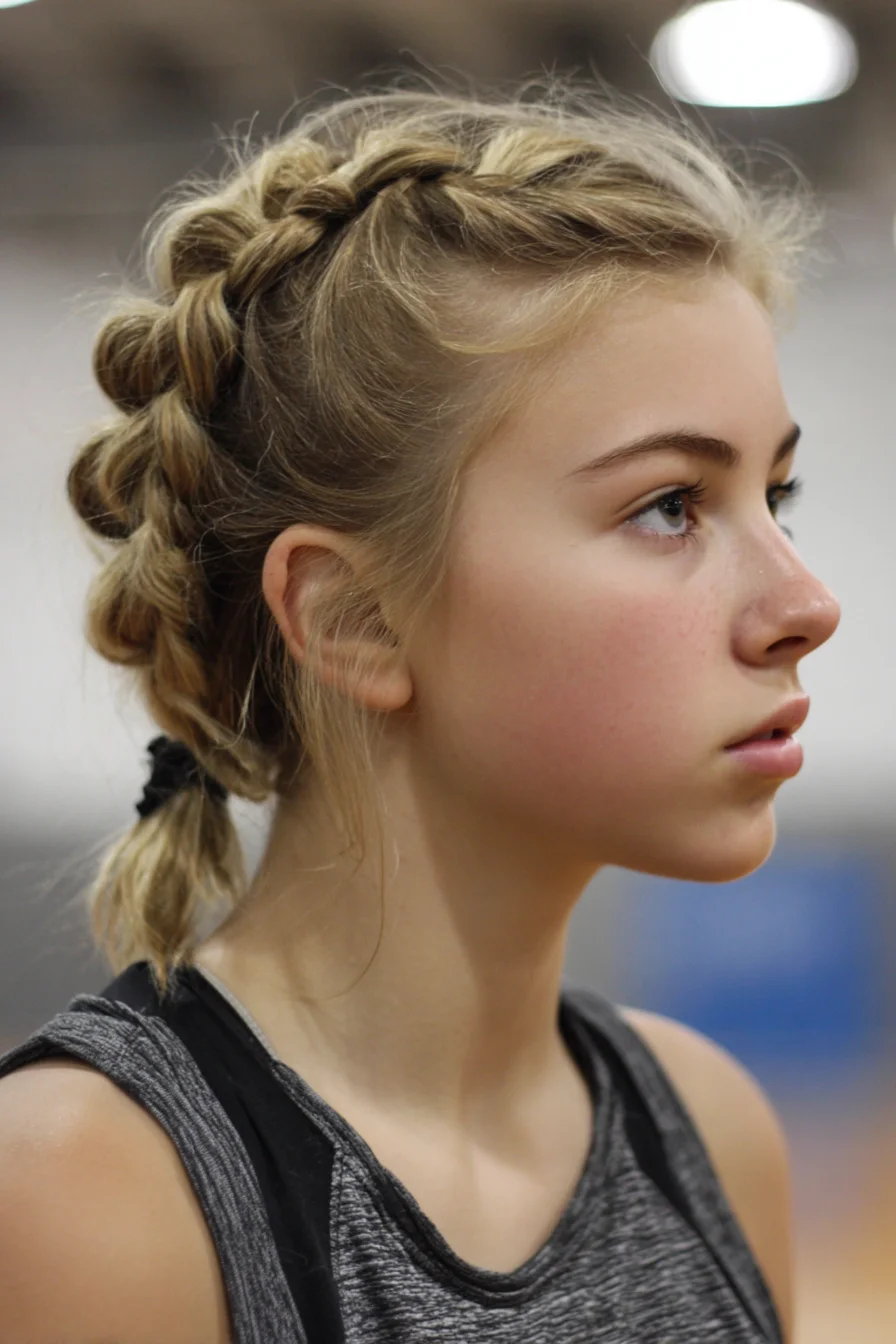
This look is a centered Dutch (inside-out) braid worked from the hairline to the nape, pancaked for fuller, textured volume and finished into a small low pony. Suitable for straight to wavy hair and medium to long lengths; fine hair benefits from texturizing spray for grip, while thicker hair will create a chunkier pancake effect. Technique: start on dry, detangled hair with a clean center part; pick up three sections and braid by crossing strands under while adding hair on each side (Dutch method). Braid tightly down the crown, secure with an elastic, then gently pancake each braid segment outward for width. Tools needed: tail comb, hair elastics, small bobby pins, sectioning clips. Products required: lightweight texturizing spray or sea-salt spray, smoothing cream or serum for flyaways, and a flexible-hold hairspray. Difficulty level: intermediate — 15–30 minutes with practice. Maintenance tips: refresh with dry shampoo and a little texturizer between washes, retighten end elastic if loosening, tuck stray pieces with pins, and sleep on a silk pillowcase or wrap to preserve shape.
As a salon professional, my final advice is to choose basketball hairstyles that prioritize hold and hair health. Rotate styles to avoid tension in the same spots, detangle gently before styling, and use a lightweight leave-in or gel to control flyaways without drying. For added protection, opt for braided or wrapped bases under buns and use snag-free elastics or fabric bands. After play, rinse or cleanse scalp if you sweat heavily and follow with a hydrating conditioner to preserve moisture. Practice a few of the 24 looks at home to learn timing and product amounts — most become effortless after a couple tries. If you need a custom variation for your hair texture or a long-lasting competition style, book a quick salon consult. I’m Lena, and I love helping active women find practical, damage-minimizing looks that feel as good as they perform.