
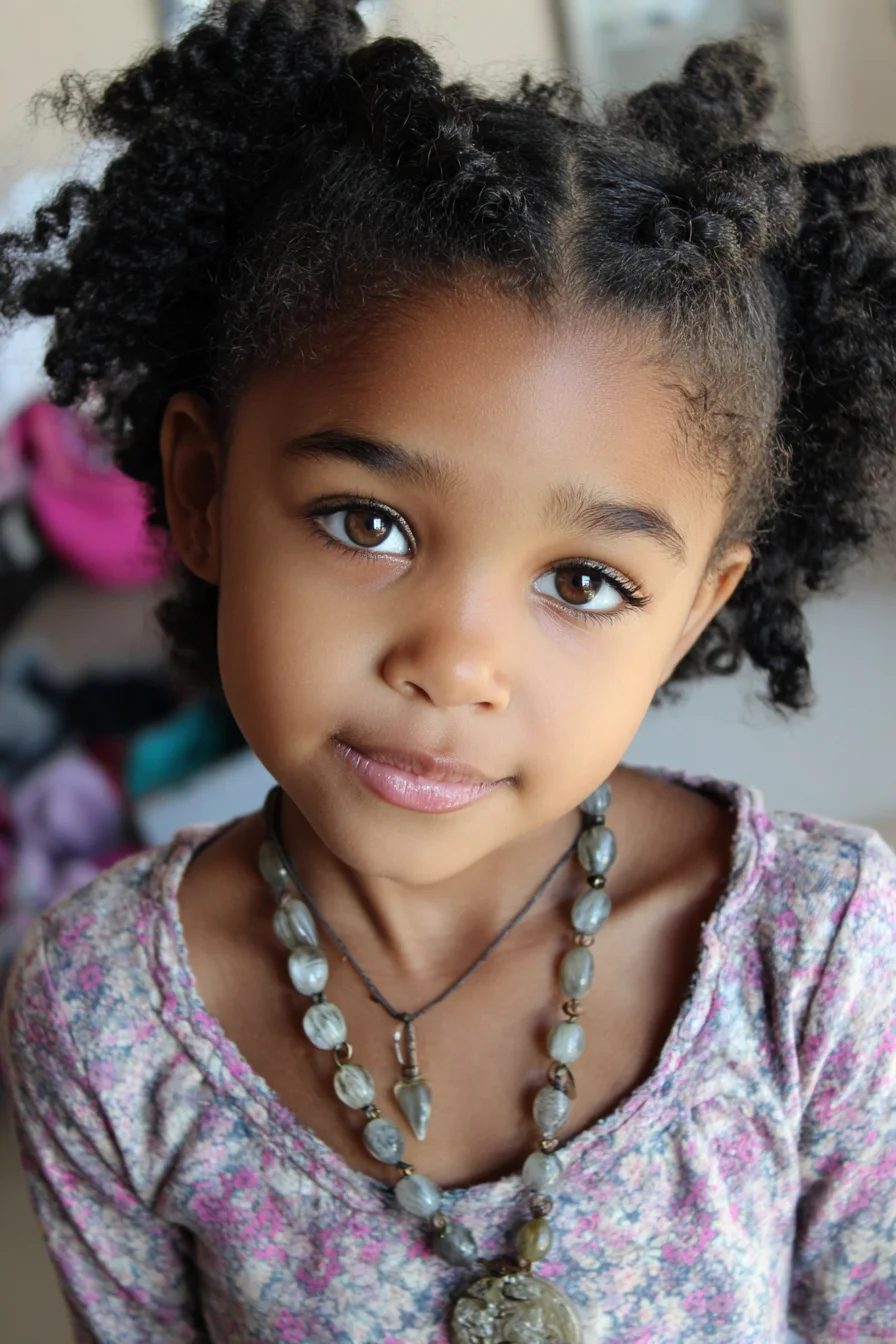
Hi, I’m Lena, a professional hairstylist with over 10 years of salon experience specializing in black natural hair. In this post I share 24 gorgeous, practical kids’ hairstyles for black natural hair — a gallery designed for parents, caregivers and stylists who want healthy, age-appropriate looks. The selections range from gentle protective styles like box braids, cornrows and two-strand twists to playful puff ponytails, bantu knots, frohawks and easy twist-outs that showcase texture. Each image includes quick styling tips and maintenance notes so you can re-create the look at home or book it in-salon. I emphasize detangling with conditioner, using sulfate-free cleansers, a lightweight leave-in, and satin-lined sleep protection to preserve moisture and prevent breakage. Whether you’re styling toddlers, school-age kids, or prepping for special occasions, these 24 images offer step-by-step inspiration that balances style, scalp health and daily manageability.
Sectioned Mini Puffs for Natural Coily/Kinky Hair
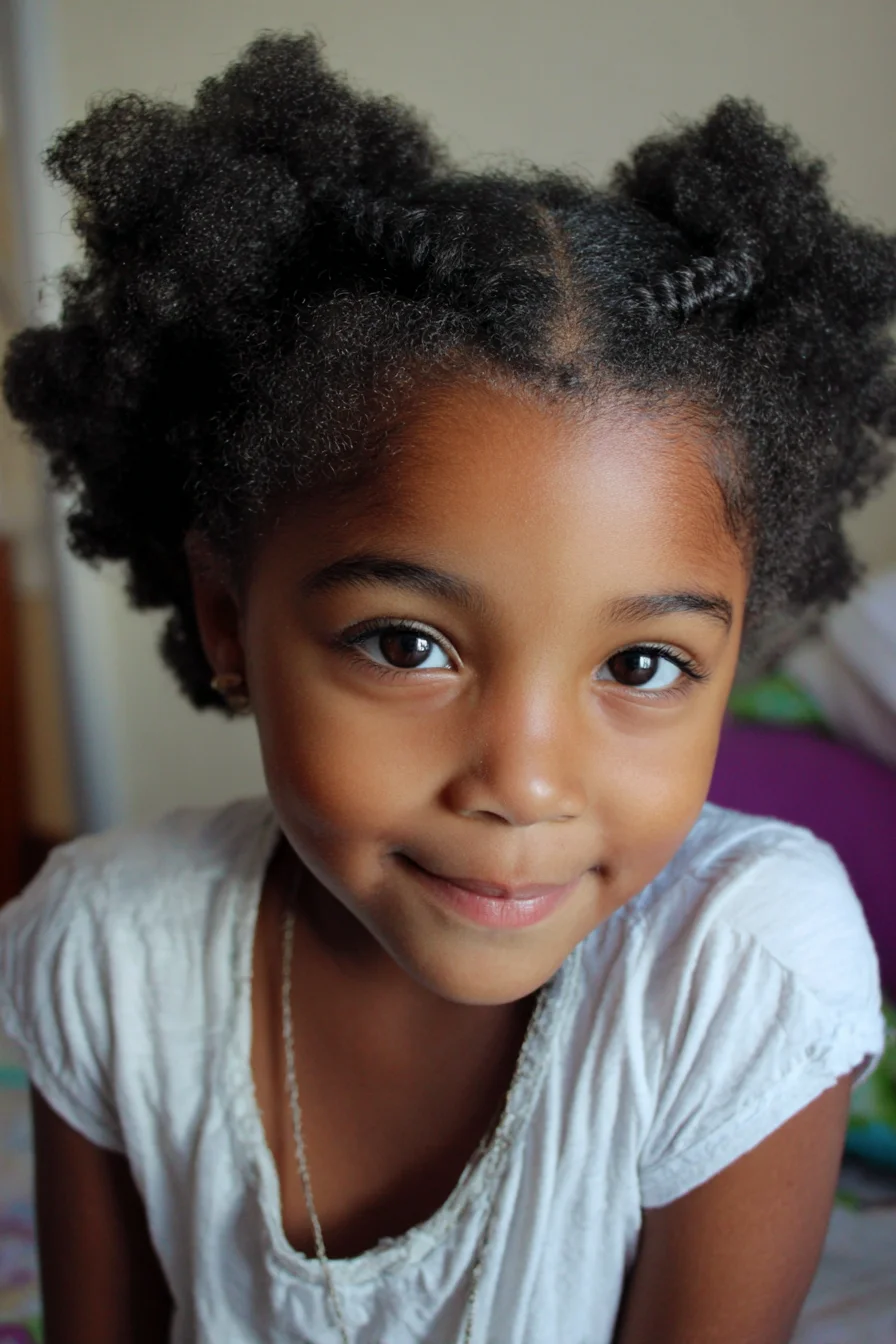
Perfect for tightly coiled, kinky and natural 3B–4C hair textures, this sectioned mini-puff style delivers a neat, playful look that’s gentle enough for children and adults seeking low-manipulation styling. Start with clean, detangled hair: mist sections with water, apply a lightweight leave-in conditioner, then a cream-based moisturizer to each section. Use a wide-tooth comb or detangling brush to smooth roots, part into 6–8 even sections with a rat-tail comb, and secure each section into a puff with soft, no-slip elastics or fabric scrunchies. For a polished front, two-strand twist or gently twist the edges before securing. Tools: spray bottle, wide-tooth comb, detangling brush, rat-tail comb, soft elastics, hair clips. Products: leave-in conditioner, moisturizing curl cream, light oil (jojoba or coconut), edge control (optional). Difficulty: Easy — salon-friendly and typically 15–30 minutes depending on density. Maintenance: protect with a satin bonnet or pillowcase at night, refresh puffs every 2–4 days with water and cream, avoid overly tight bands to prevent breakage, and re-moisturize the scalp weekly for healthy, long-lasting results.
Two‑Strand Twist Updo for Type 3–4 Natural Hair
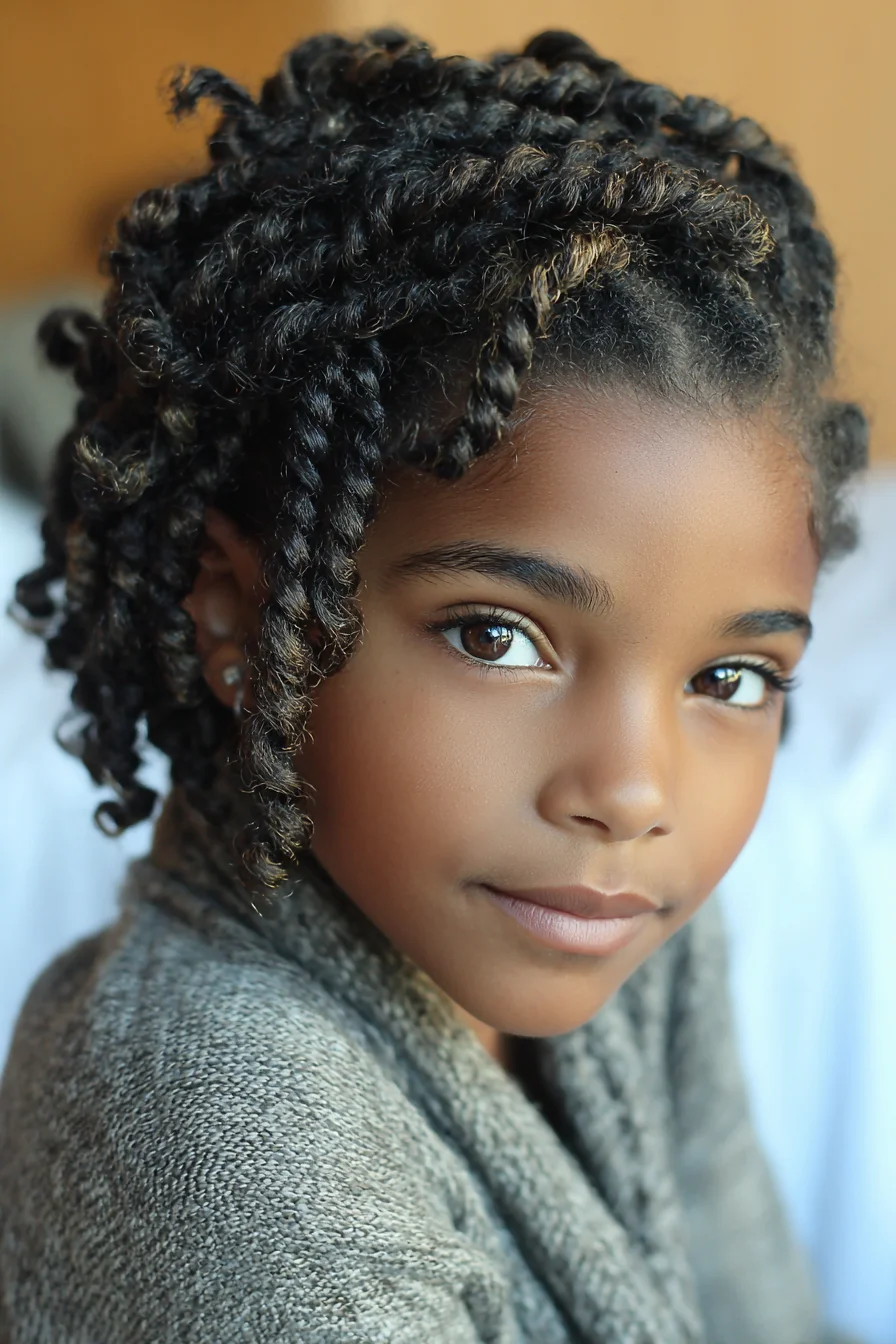
This two‑strand twist updo works best on textured hair (Type 3B–4C) in short to medium lengths. Start on clean, detangled hair: section into small-to-medium parts, apply a water‑based leave‑in, then a crease‑control twisting cream or butter for slip and hold. Create two‑strand twists by splitting each section and twisting away from the scalp, keeping tension gentle at the hairline. Gather finished twists into a loose updo and secure with snag‑free elastics and hairpins, leaving a few face‑frame twists for softness. Tools: rat‑tail comb for parting, wide‑tooth comb, hair clips, small elastics, bobby pins, and a hooded dryer or diffuser if you’ll set them. Products: hydrating shampoo/conditioner or co‑wash, leave‑in conditioner, twisting cream or gel (non‑crunch), lightweight oil for shine, and edge control for perimeter smoothing. Difficulty: moderate — expect 60–120 minutes depending on section size and length; smaller twists take longer. Maintenance: sleep on satin, mist weekly with a water/leave‑in mix, re‑twist any frizzy pieces as needed, and refresh edges lightly. Avoid overmanipulation and heavy product buildup to preserve definition and scalp health.
Defined Double Puff Ponytails for Type 3–4 Natural Hair
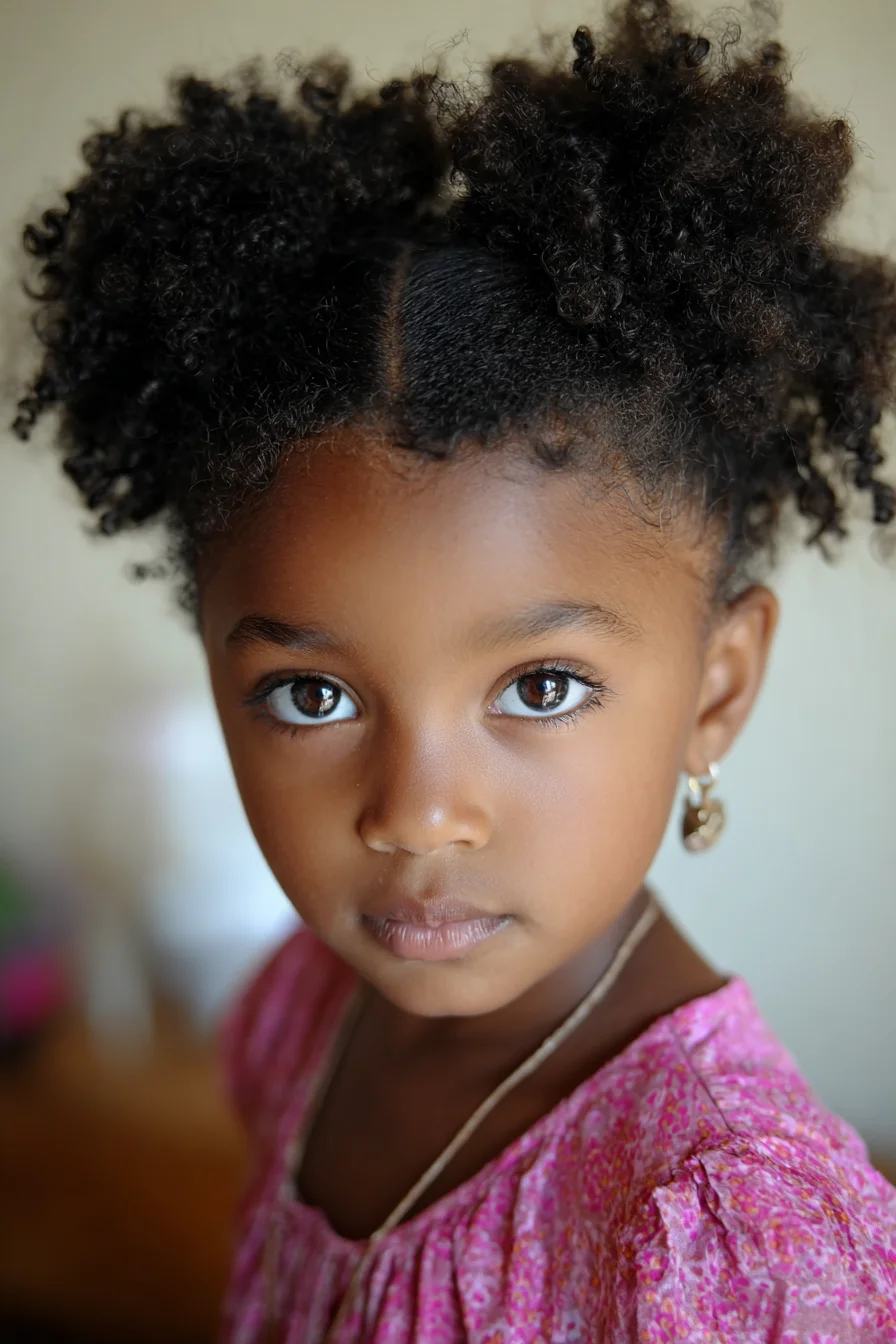
This playful double-puff style works best on type 3B–4C textures and short to medium lengths. Start on clean, detangled hair. Section a precise center part using a rattail comb, then mist each side with water and apply a lightweight leave-in conditioner to restore slip. Use a curl cream or defining butter to encourage curl pattern, smoothing roots with a soft-bristle brush or your hands. Secure each side into a high puff with snag-free elastic or hair ties—avoid excessive tension at the hairline. If you want more definition, finger-coil individual curls in the puff or use a diffuser on low heat to set shape. Finish with a small amount of edge control or gel for sleek baby hairs and a light oil sheen to lock in moisture. Tools needed: wide-tooth comb, rattail comb, soft brush, spray bottle, elastics, sectioning clips, optional diffuser. Difficulty: easy–moderate; 15–30 minutes depending on curl definition. Maintenance: sleep with a satin bonnet or pillowcase, refresh puffs with water + leave-in and finger fluffing, re-secure elastics as needed, and avoid over-manipulation to maintain curl integrity and scalp health.
Double High Puffs — Natural Curly Puff Ponytails for 3B–4C Hair
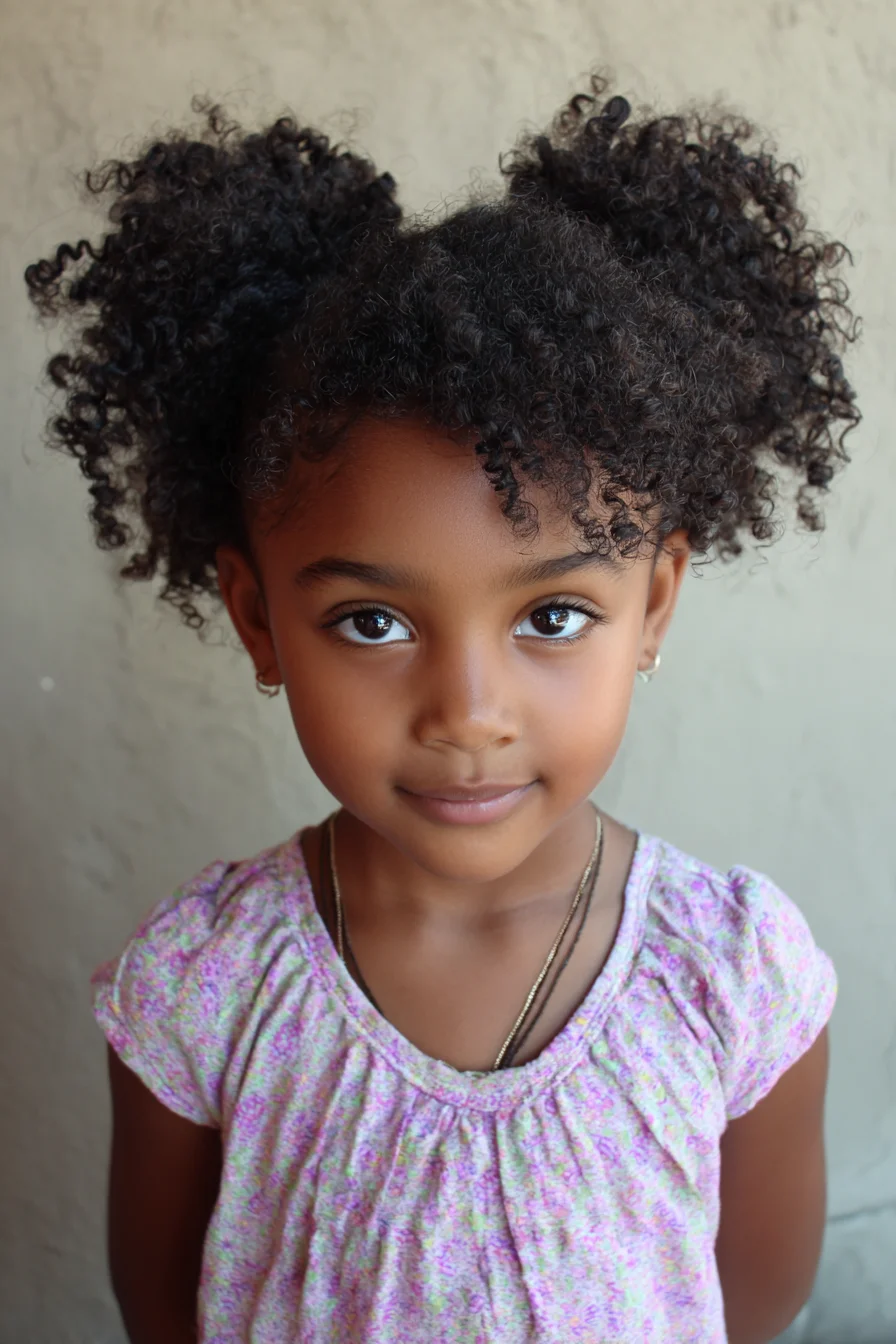
A practical, kid-friendly style for tight curls and coils (3B–4C). Start on detangled, damp hair: apply a leave-in conditioner and a lightweight curl cream to define and hydrate. Use a wide-tooth comb or Denman brush to gently smooth hair into two even sections with a clean center part, then gather each section high on either side and secure with soft, snag-free elastics or satin scrunchies. Use a small amount of gel or edge control to tame the hairline if desired, and finger-shape curls at the front for natural baby curl definition. Tools: wide-tooth comb, rat-tail comb, soft elastics/satin scrunchies, Denman brush (optional). Products: leave-in conditioner, curl cream, light oil/serum, gel for edges. Difficulty: easy — suitable for caregivers and stylists; allow extra time for younger children. Maintenance: sleep on a satin pillowcase or bonnet, refresh puffs with water or a spritz of leave-in mixed with a bit of curl cream, re-twist any frizzed sections by finger-twisting, and avoid overly tight elastics to protect the hairline. Regular trims keep shape and remove split ends.
Center-Parted Double Puff Buns for Tight Curls (3C–4C)
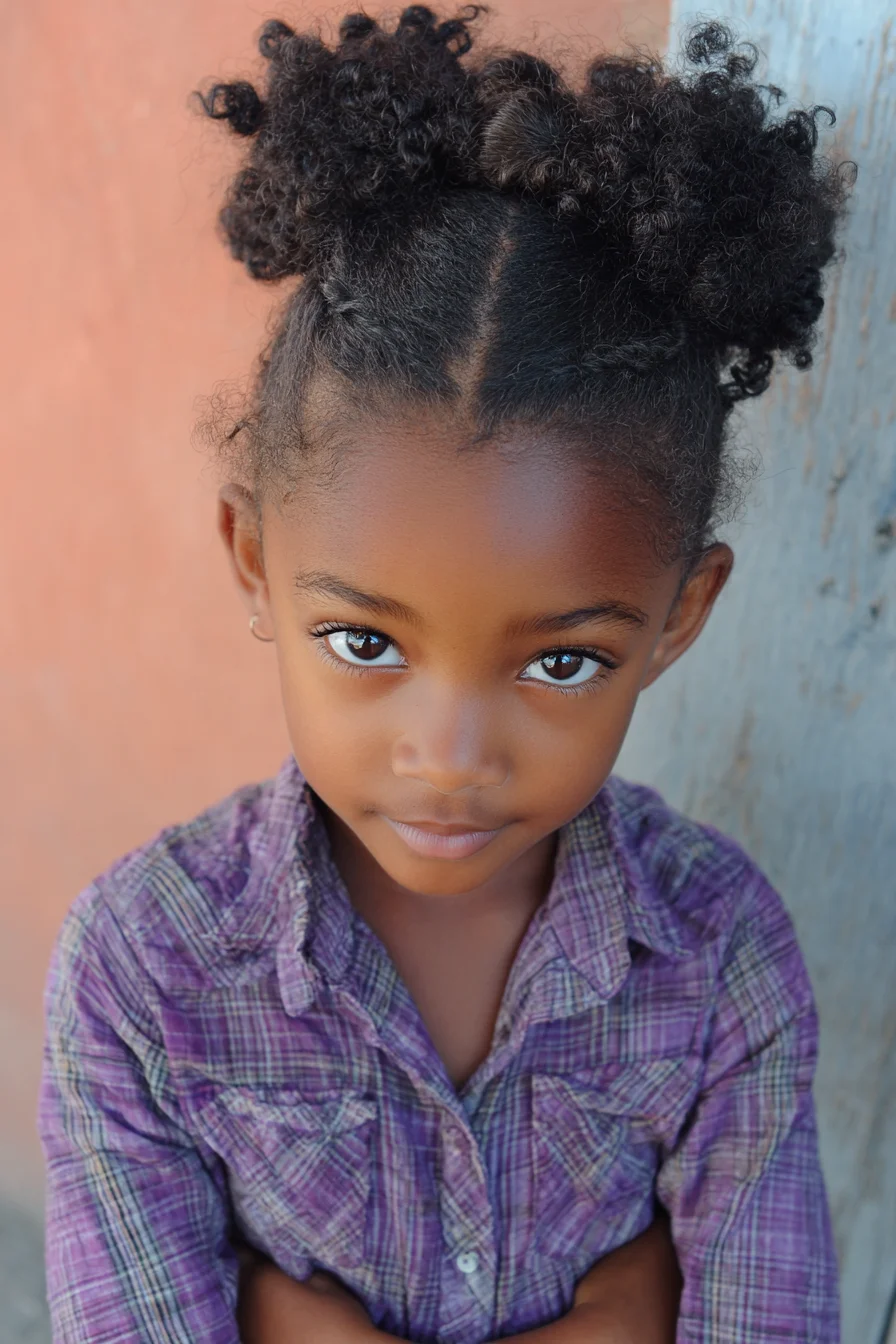
This polished center-parted double puff bun is ideal for tight curl patterns (3C–4C) and coarse, densely textured hair that benefits from moisture and definition. Start on detangled, damp hair: apply a lightweight leave-in conditioner and a cream-based styler to each side, then create a precise center part with a rattail comb. Smooth hair toward two high ponytails using a boar-bristle brush or soft toothbrush around the hairline, secure with snag-free elastic or satin scrunchies, and gently fluff or pick the puffs to shape volume without breaking the curl pattern. Tools: wide-tooth comb, rattail comb, boar-bristle brush, elastic bands/satin scrunchies, hair clips. Products: leave-in conditioner, moisturizing styling cream or curl custard, lightweight oil or serum for shine, edge control for baby hairs, and a water-based refresher spray. Difficulty level: easy–moderate — requires neat parting and gentle handling. Maintenance tips: sleep on a satin bonnet or pillowcase, refresh with mist and a small amount of cream, avoid overly tight bands to prevent tension at the edges, and redo or rehydrate every 4–7 days to preserve shape and scalp health.
Center-Part Twin Puffs with Front Flat Twists — Natural Curly/Coily Hair
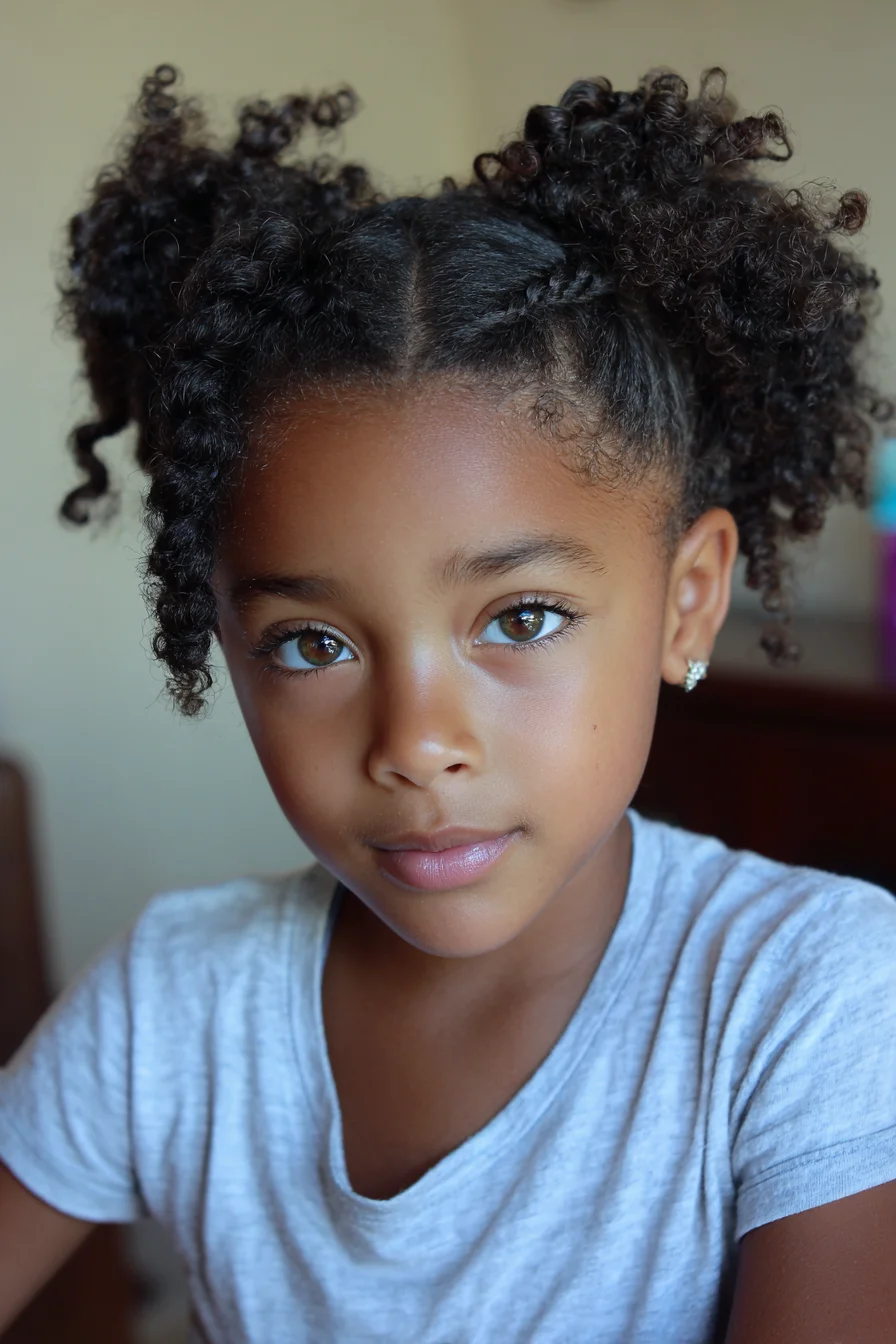
This polished twin-puff look uses a clean center part with two front flat twists that feed into voluminous textured puffs. It’s best suited to natural curly and coily textures (3A–4C) and hair with at least 3–4 inches of length for a full puff; it can be adapted for shorter hair by making smaller puffs. Start on freshly detangled, conditioned hair: create a precise center part with a rattail comb, apply a leave-in and a moisturizing styling cream, then flat-twist or cornrow each front section toward the crown. Secure with snag-free elastics and fluff the ends into rounded puffs by finger-separating or using a wide-tooth pick. Tools: wide-tooth comb, rattail comb, detangling brush, clips, small elastics, hair pick. Products: sulfate-free shampoo, moisturizing conditioner, leave-in, curl cream or light gel, and a lightweight oil or serum for shine. Difficulty: easy–medium (20–45 minutes). Maintenance: sleep on satin, refresh with water/leave-in spray, smooth edges lightly with edge-control, and re-twist or redo the front twists weekly to keep the style neat.
Natural Curly Double Puff Updo — Defined Puffs for Type 3–4 Hair
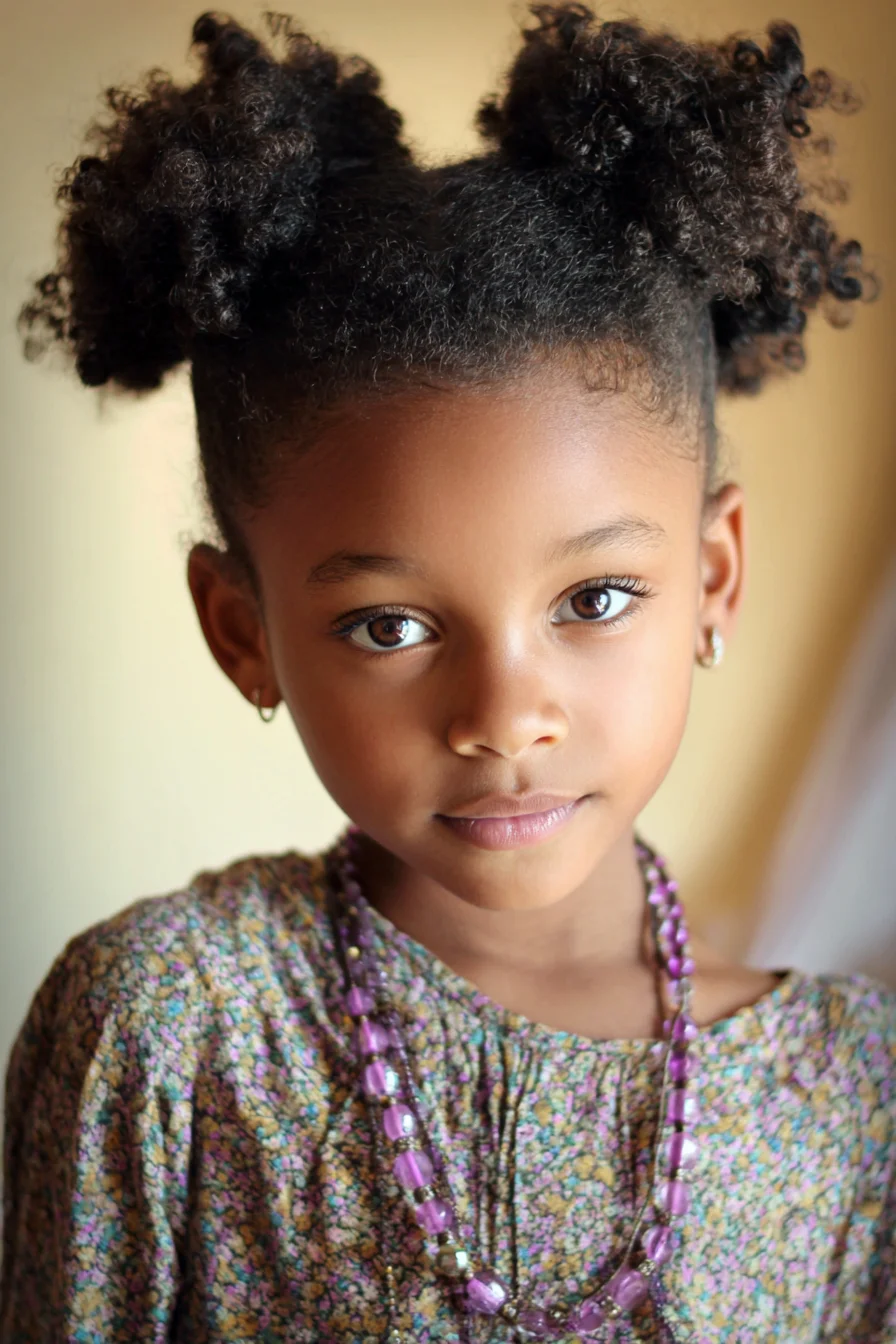
This clean double puff updo works best on natural, coily and curly textures (Type 3–4) with short to medium length growth. Start on detangled, slightly damp hair: section down the center with a rat-tail comb, apply a water-based leave-in conditioner and a styling custard or curl cream for definition, then smooth each side toward the crown. Use gentle, no-metal elastic bands or soft satin scrunchies to secure two high puffs, leaving the ends free; for extra definition, twist or finger-coil small subsections before gathering. Tools: wide-tooth comb, detangling brush, rat-tail comb, hair clips, spray bottle, and an afro pick to shape the puffs. Products: leave-in conditioner, curl-defining cream or gel, light oil or serum, and a mild edge control (optional). Difficulty: easy–moderate — basic technique is simple, but neat edges and even puffs take practice; expect 20–30 minutes in salon conditions. Maintenance: sleep on a satin bonnet or pillowcase, refresh with water + leave-in, re-fluff with an afro pick, avoid overly tight bands to prevent breakage, and clarify and deep-condition weekly for healthy growth.
Cornrow Sides with Twisted Pompadour Updo — Natural/Kinky Hair Styling
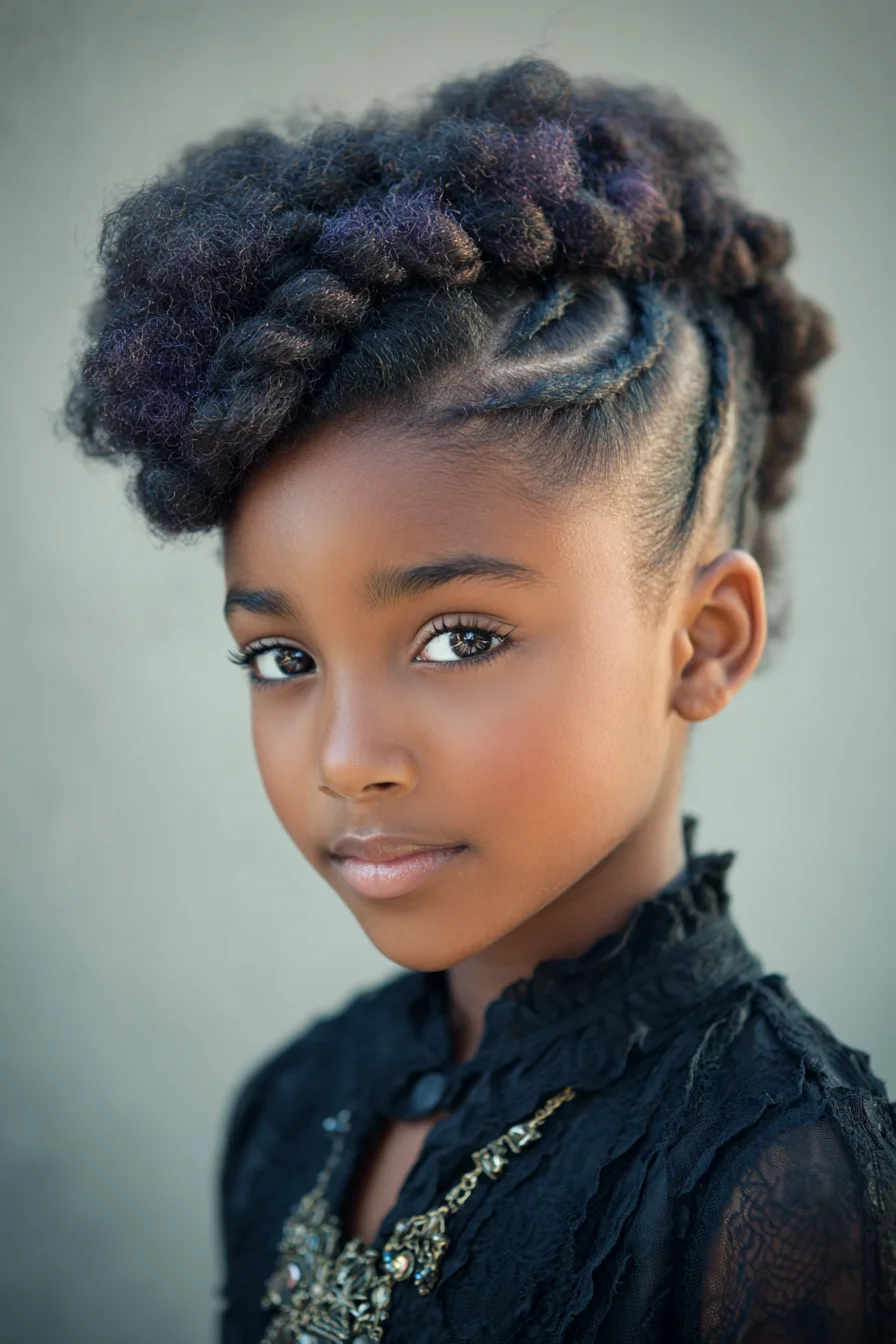
This polished updo pairs clean cornrows along the temples with a voluminous twisted pompadour at the crown — ideal for natural, coily textures (3B–4C) and medium to high hair density. Start on freshly detangled, lightly stretched hair. Create neat parallel parts on each side and cornrow toward the crown using feed‑in technique for a smooth scalp finish. Gather the remaining top section, create three or four large three‑strand twists or flat twists, then roll and pin them forward into a pompadour shape, securing with long bobby pins. Tools: rat‑tail comb, wide‑tooth comb, duckbill clips, elastic bands, long bobby pins, edge brush, spray bottle. Products: lightweight leave‑in, twisting cream or butter, medium hold gel/edge control, light oil sheen, and a setting mousse if extra hold is needed. Difficulty: intermediate — requires basic cornrowing and twisting skills; expect 45–90 minutes depending on length. Maintenance: sleep on a satin bonnet, refresh edges with water + gel, reapply oil to scalp weekly, and redo cornrows after 2–3 weeks to avoid tension. For children or fragile hair, use gentle tension and consult a stylist if unsure.
Natural Afro Puff with Twisted Front Accents — Kids Textured Hair Style
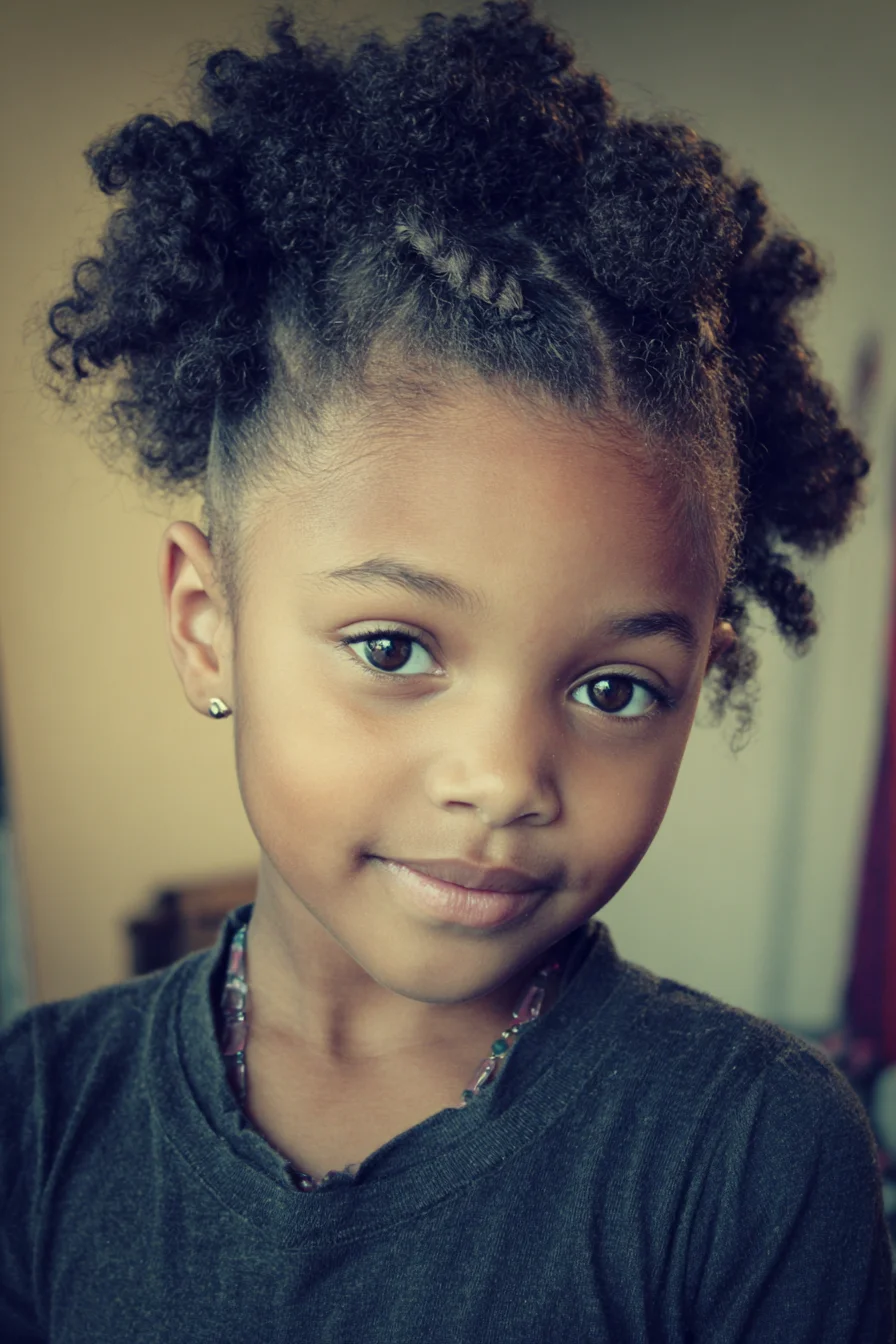
Suitable for 3C–4C textured hair, this polished puff with small twisted front accents works well on fine-to-coarse curls and is ideal for children and adults who want low-manageability, high-impact styling. Technique: start on freshly cleansed, detangled, damp hair. Section two small front pieces, apply a light leave-in, and two-strand twist each section. Smooth remaining hair back with a creamy styler and gather into a high or mid puff using a soft elastic or puff band. Tidy edges with a small amount of edge control or smoothing gel and a soft brush. Tools needed: wide-tooth comb, detangling brush/fingers, rat-tail comb for parting, sectioning clips, soft elastics/puff band, and an optional diffuser for drying. Products required: pre-poo or light oil, moisturizing leave-in conditioner, curl-defining cream, light-hold gel for edges, and a sealing oil or sheen spray. Difficulty: easy–moderate (2/5) — good for beginners with basic parting and smoothing skills. Maintenance tips: sleep on a satin bonnet or pillowcase, refresh with water + leave-in mist and re-twist front accents as needed, avoid overuse of heavy products to prevent buildup, and deep-condition weekly to keep curls hydrated and defined.
Sectioned Mini Bantu Knots for Natural Coily/Curly Hair
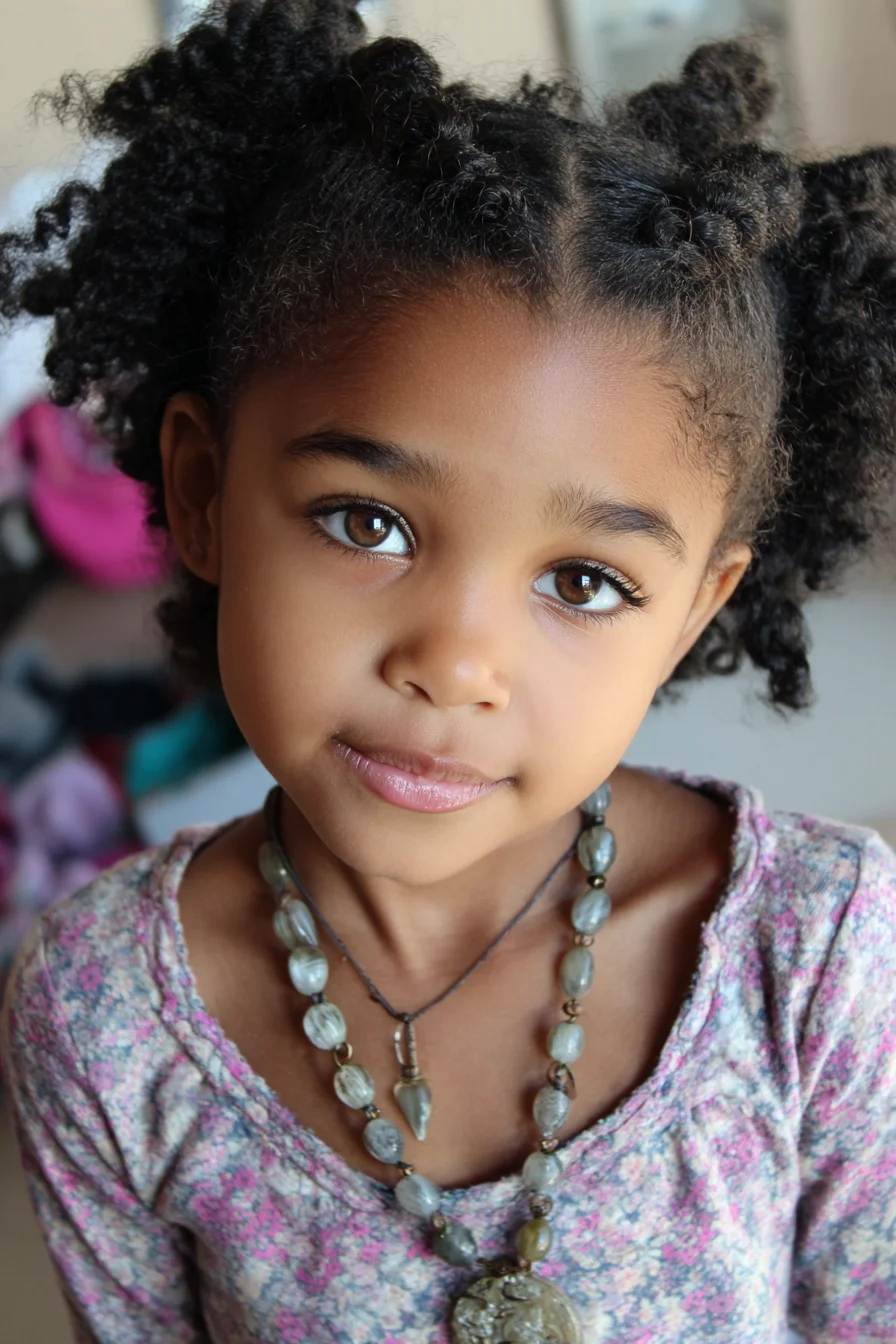
Suitable for 3B–4C coils and tighter curl patterns, this sectioned mini bantu-knot style gives defined texture and playful puffs while protecting ends. Begin on clean, detangled hair: mist with a water-based leave-in conditioner, then work a curl-defining cream or twist butter through each section and seal with a lightweight oil. Using a rat-tail comb, create even square or triangular sections, clip away finished areas, then twist each section into a small bantu knot or form a mini puff and secure with a small elastic or bobby pin. For a softer look, two-strand twists can replace knots before pinning. Tools needed: rat-tail comb, wide-tooth comb, sectioning clips, small elastics, bobby pins and a spray bottle. Products recommended: sulfate-free shampoo, moisturizing leave-in, curl cream/twist butter, light oil (jojoba or argan) and optional edge control. Difficulty: easy–moderate; sectioning precision helps but no advanced technique required. Maintenance: sleep on a satin bonnet or pillowcase, refresh with a water + leave-in spritz, re-twist loose knots as needed, avoid heavy oils that weigh hair down, and redo or wash every 7–14 days to protect scalp health.
Defined Natural Afro Puff with Finger-Coils — 4a–4c Curly Styling
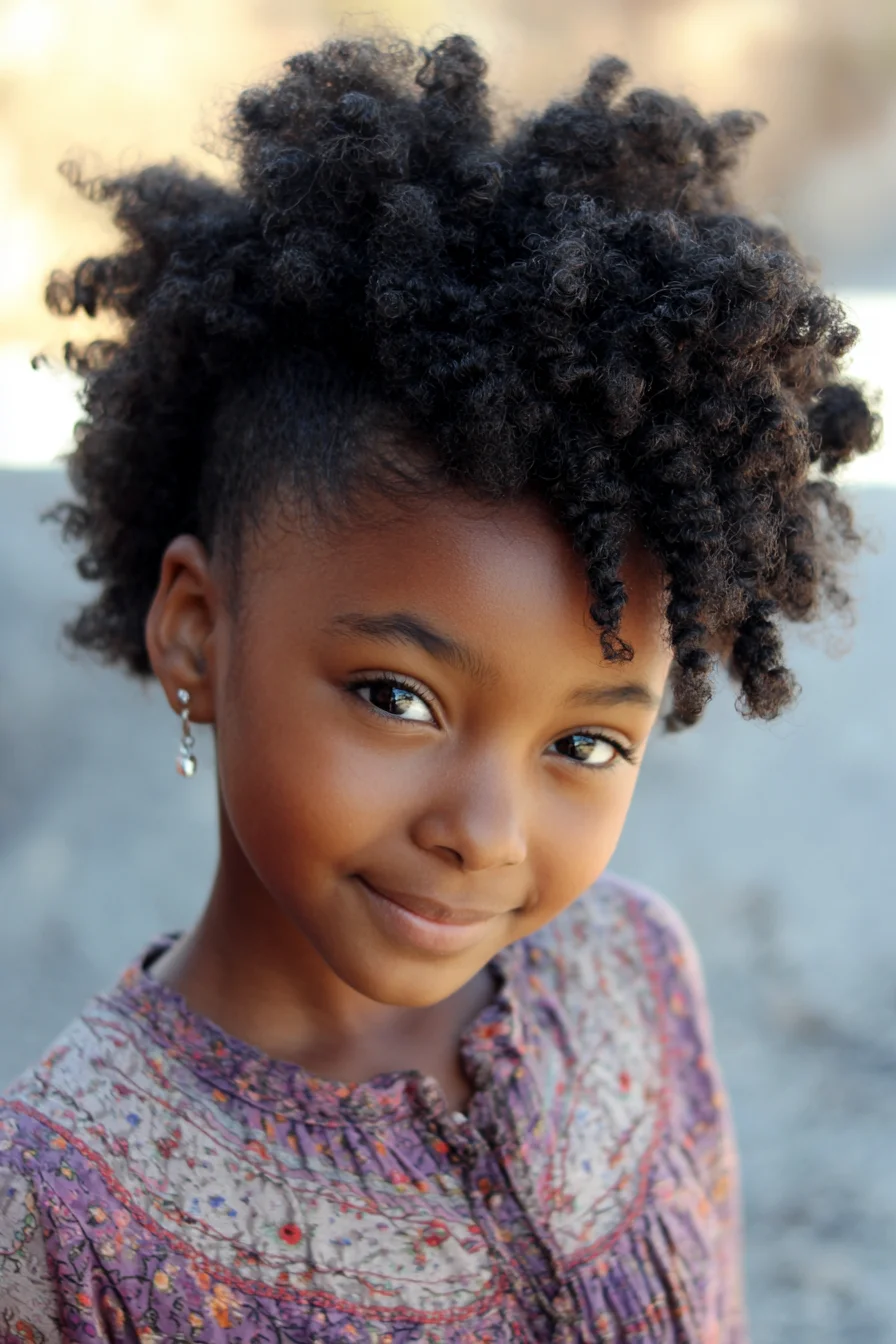
This style is ideal for 4a–4c textured hair and tight coil patterns that benefit from moisture and definition. Start with a clean, detangled base: sulfate-free shampoo, rich conditioner, and an in-shower slip to ease combing. On damp hair, apply a leave-in conditioner, a curl-defining cream, and a lightweight oil to seal. Section hair and create small finger-coils or two-strand twists for enhanced curl definition, then gently open the coils where needed for shape. Gather hair into a high or mid puff using a snag-free elastic or soft headband; use a wide-tooth pick to lift the roots for volume without disturbing curl pattern. Tools: wide-tooth comb, detangling brush, rat-tail comb, microfiber towel, elastic bands, and a pick or styling clips. Products: moisturizing shampoo/conditioner, deep conditioner, leave-in, curl cream or gel for hold, light oil, and optional edge control. Difficulty: moderate — simple for stylists and manageable at home with practice. Maintenance: sleep on a satin bonnet or pillow, refresh with water/leave-in spray, reshape with finger-coils or light cream every 2–4 days, and deep-condition weekly to prevent dryness and breakage.
Curly Double Puff Space Buns — High Center-Part Puffs for Natural Curls
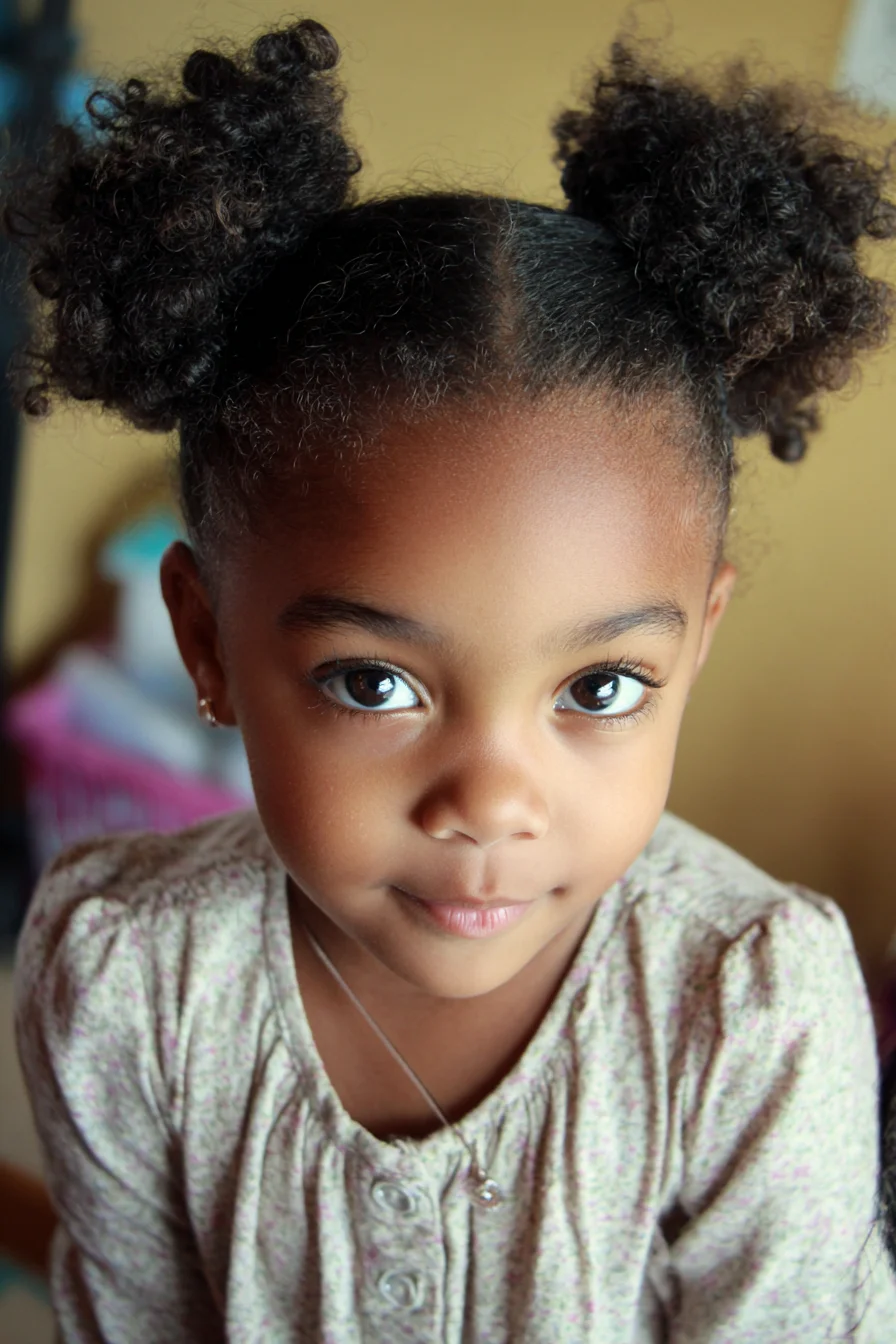
This classic double-puff style is ideal for Type 3–4 curly and coily textures and works beautifully for children and adults who want a low-manipulation, playful look. Start on clean, detangled, damp hair. Use a rat-tail comb to create a precise center part, clip one side out of the way, then apply a lightweight leave-in conditioner and a styling cream to add slip and moisture. Smooth each side into a high pony using a soft-bristle brush or your palms, secure with a gentle, non-metallic elastic, and then fluff the ends into a round puff; use finger-twisting or a pick to shape and define. Tools: spray bottle, wide-tooth comb, rat-tail comb, soft brush, elastic bands, bobby pins. Products: leave-in conditioner, curl cream or custard, light edge control (optional), hair oil for shine. Difficulty: easy — requires neat parting and gentle handling. Maintenance tips: sleep on a satin bonnet or pillowcase, refresh puffs with water + leave-in or curl refresher, avoid overly tight elastics to prevent breakage, and re-tie every 3–5 days while moisturizing the scalp regularly.
Mini Bantu Knots and Mini Puffs — Defined Style for Natural Type 4 Hair
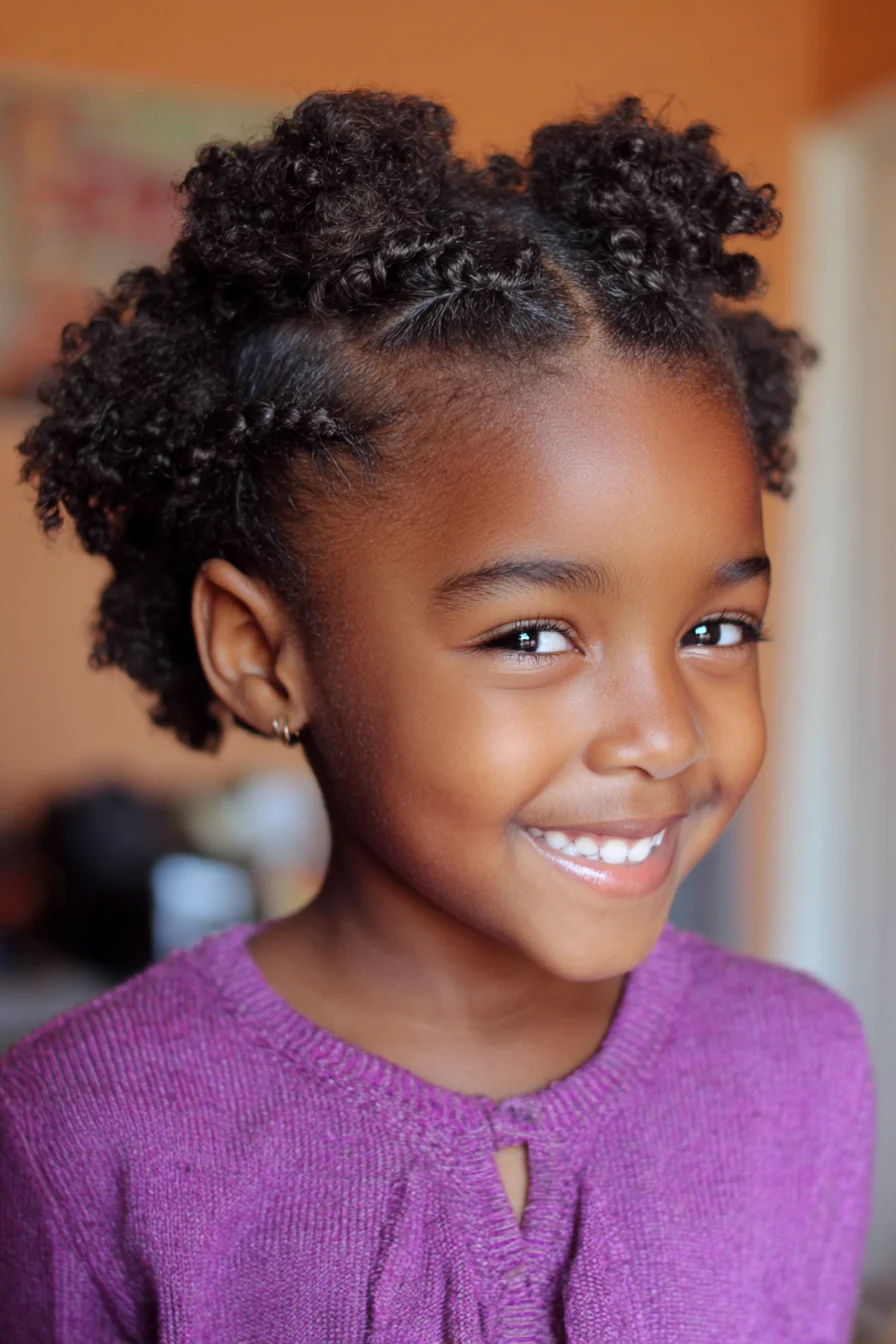
This playful, salon-friendly style works best on tightly coiled natural hair (Type 4A–4C) or textured 3C hair that holds definition. Start on detangled, damp hair: section into small, even parts with a rat-tail comb, then apply a water-based leave-in conditioner and a medium-hold curl cream. For each section, smooth the product through with a brush, create a two-strand twist or flat-twist toward the center, then coil the twist into a mini bantu knot or secure with a small elastic for a mini puff. Tools: rat-tail comb, wide-tooth comb, hair clips, small elastics or bobby pins, styling brush, and a diffuser (optional). Products: leave-in conditioner, curl cream or butter, light oil or sheen spray, and edge control for baby hairs. Difficulty: easy–moderate — straightforward technique but time-consuming for many small parts (allow 30–60 minutes). Maintenance: sleep on a satin bonnet or pillowcase, refresh with a spray bottle and a pea-sized amount of cream, re-twist any loose knots, avoid heavy buildup, and redo the style after 5–10 days depending on growth and scalp needs.
Center-Part Double Puffy Buns for Natural 3C–4C Hair
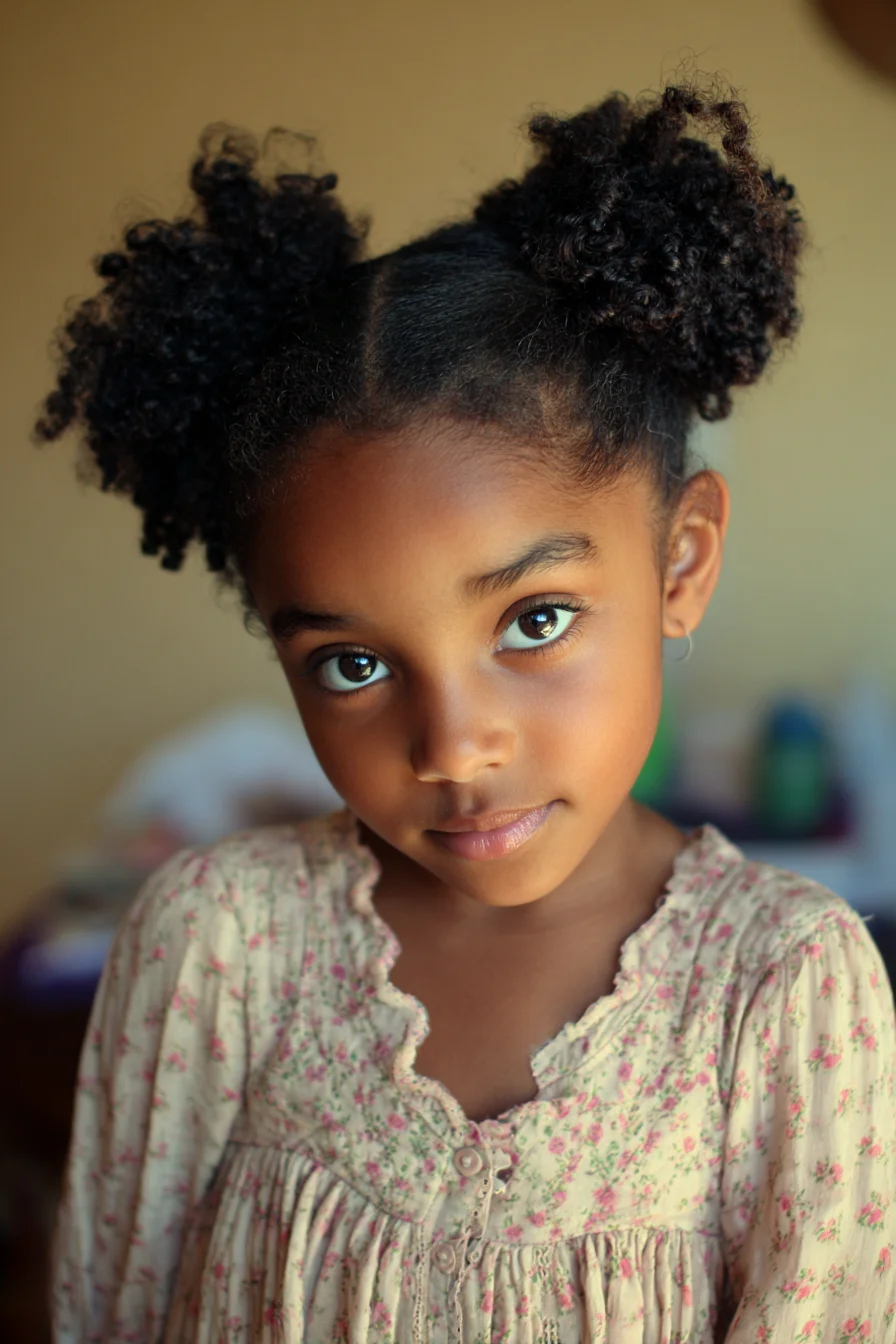
A versatile, kid-friendly style that highlights natural curl texture by creating two high puffs/buns on a clean center part. Best suited to 3C–4C hair types or tightly coiled 2C hair with enough length to form puffs; works on shoulder-length hair and longer. Technique: start on detangled, conditioned hair; create a precise center part with a rat-tail comb, apply a lightweight leave-in and curl cream to each section, then smooth roots with a soft brush and secure into two high ponytails using snag-free hair ties or satin scrunchies. Fluff each ponytail into a puff and if desired, gently wrap and pin portions to form compact buns. Tools needed: wide-tooth comb, detangling brush, rat-tail comb, soft-bristle brush, elastic bands/scrunchies, bobby pins. Products required: moisturizing leave-in, defining curl cream or butter, light gel or edge control for sleek roots, and a lightweight oil for shine. Difficulty: easy to moderate — quick with practice (15–30 minutes). Maintenance tips: sleep on a satin bonnet/pillowcase, refresh with a water + leave-in spray, re-fluff daily, avoid excessive tension at the hairline, and redo fully every 2–4 days to protect edges and prevent tangles.
Flat Twists into Mini Twists — Protective Natural Style for 3C–4C Hair
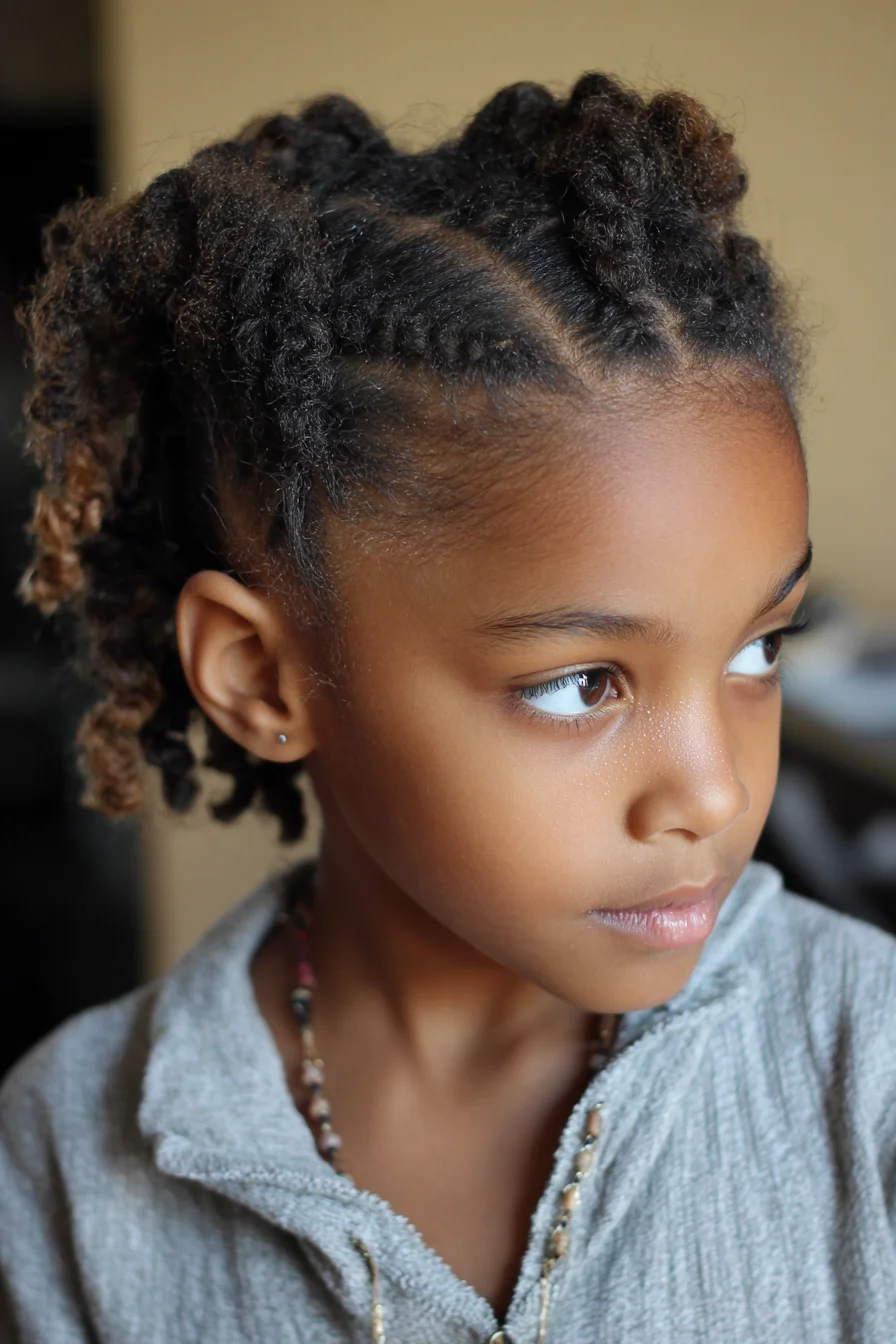
This flat-twist into mini-twist style is a low-manipulation protective look ideal for 3C–4C, coarse or tightly coiled hair and hair with medium to high density. Technique: start on clean, detangled hair and create even vertical or slightly diagonal sections with a rat-tail comb. Apply a water-based leave-in, then a creamy twisting butter or curl cream to each section. Smooth and create firm flat twists (or small cornrows) from the hairline toward the crown, finishing each section as a two-strand mini twist or small bantu knot. Light gel on the partings will keep edges neat and reduce flyaways. Tools needed: rat-tail comb, wide-tooth comb, sectioning clips, small elastics or hairpins, spray bottle and a soft brush for edges. Products required: detangling spray, leave-in conditioner, twisting cream or butter, lightweight styling gel/edge control, and a sealing oil. Difficulty: intermediate — expect 45–90 minutes depending on density and section size. Maintenance tips: sleep with a satin bonnet or pillowcase, refresh with water + cream and re-twist loose sections, avoid excessive tension at the hairline, gently cleanse scalp every 2–3 weeks and deep-condition to preserve elasticity and prevent breakage.
Mini Twist-Up Puff — Defined Twists for Natural 3C–4C Hair
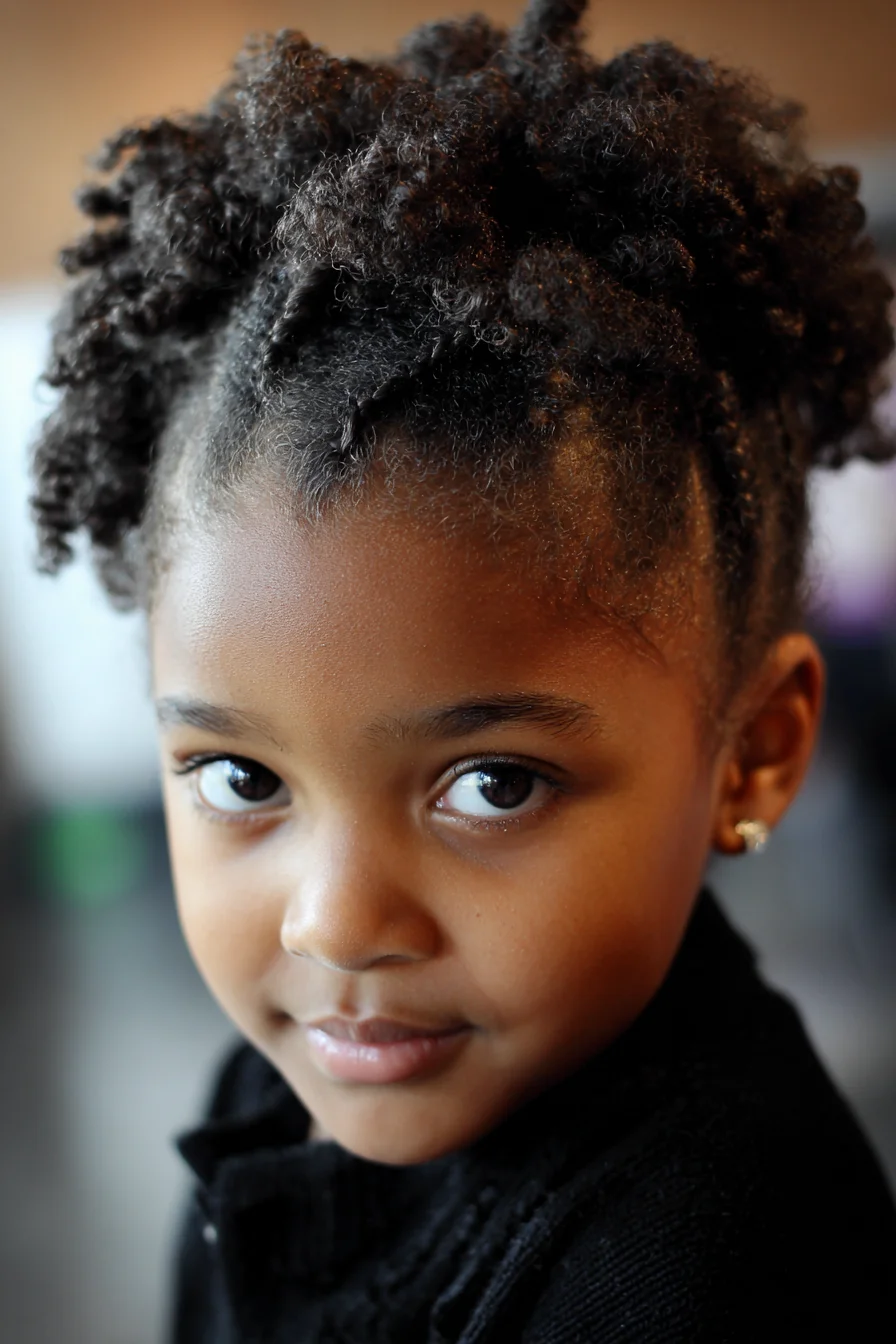
This mini twist-up puff is a practical, salon-friendly style for tight coils and dense natural hair (3C–4C), and works well on short to medium lengths. Start with freshly washed, conditioned, and detangled hair. On damp hair apply a lightweight leave-in conditioner, a cream-based curl enhancer or twisting butter, then section the hair into small, even parts. Create two-strand or mini twists from root to end, securing ends with a small band if needed. Gather the finished twists into a high or mid puff and secure with a soft hair tie or puff cuff; smooth edges with a light gel for a clean finish. Tools you’ll need: wide-tooth comb, detangling brush, rat-tail comb, sectioning clips, small rubber bands, and a soft elastic. Recommended products: hydrating leave-in, curl cream/twist butter, light styling gel or edge control, and a sealing oil. Difficulty: easy to moderate — technique is simple but time-consuming (45–90 minutes depending on density). Maintenance: sleep on a satin bonnet, refresh with water + leave-in spray, lightly re-twist perimeter as needed, and avoid heavy buildup by clarifying monthly.
Mini Twist-Puff Bantu Style for Natural 4A–4C Hair
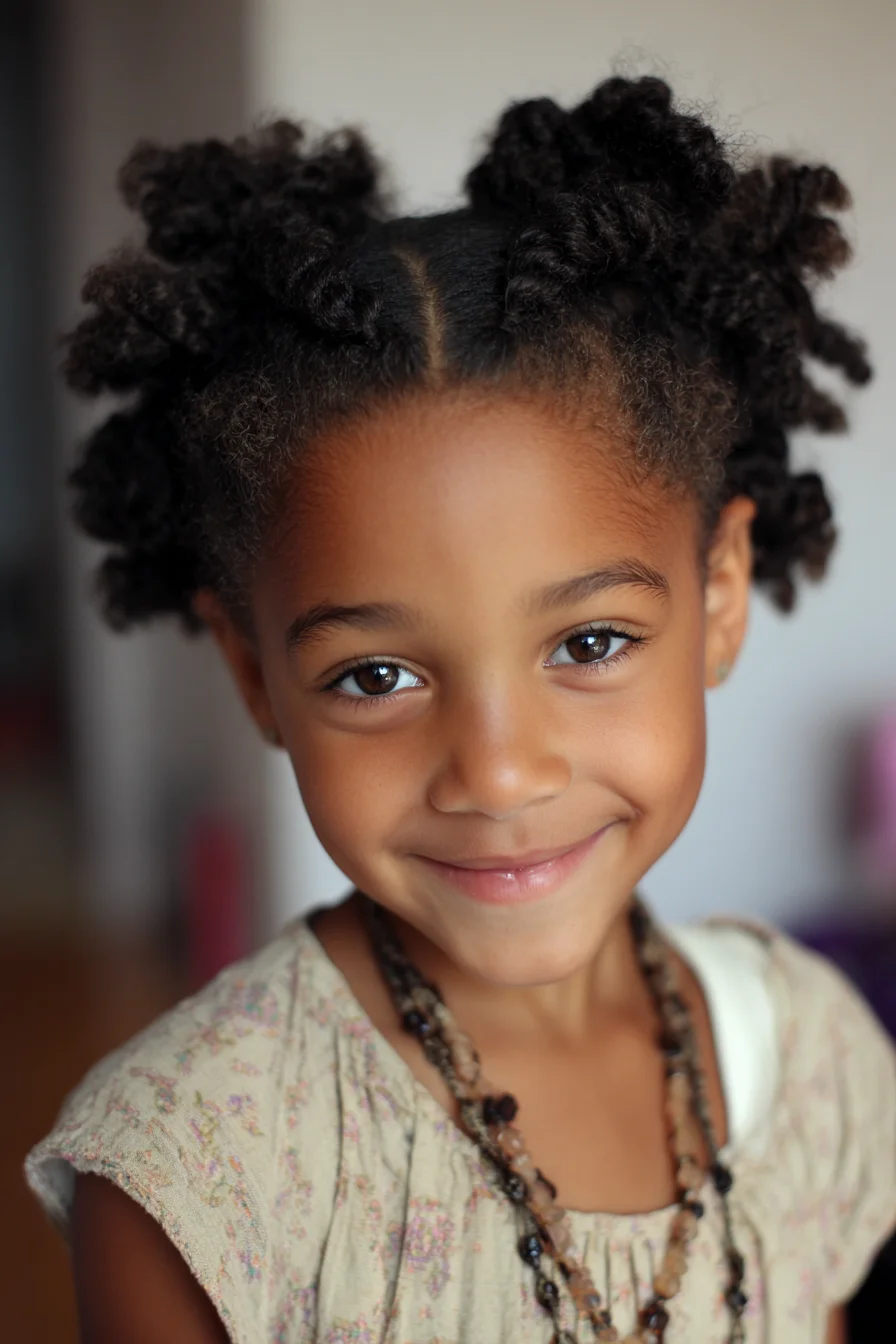
This playful mini twist-puff look suits tightly coiled textures (4A–4C) and finer kinky curls seeking defined, low-manipulation styling. Work on stretched, detangled hair: section into even parts with a rat-tail comb, lightly mist with a water-based leave-in, apply a cream styler or curl custard, then two-strand twist each section and coil or pin the ends into small puffs/Bantu knots. Tools: wide-tooth comb, rat-tail comb, spray bottle, detangling brush, sectioning clips, and bobby pins. Products: moisturizing leave-in conditioner, twisting cream or curl butter, a lightweight natural oil (jojoba or almond) to seal, and optional light-hold gel for edges. Difficulty: easy–moderate — basic twisting technique is straightforward but neat parting takes practice. Maintenance: sleep on a satin bonnet or pillowcase to reduce frizz, refresh with a water/leave-in spritz and smooth with a little oil, and re-twist any unraveling sections as needed. Keep scalp moisturized, avoid heavy buildup by using lightweight products, and redo the style every 7–10 days to protect growth and prevent tangles.
Mini Twist-Buns (Bantu Knot–Inspired) for Natural Textured Hair
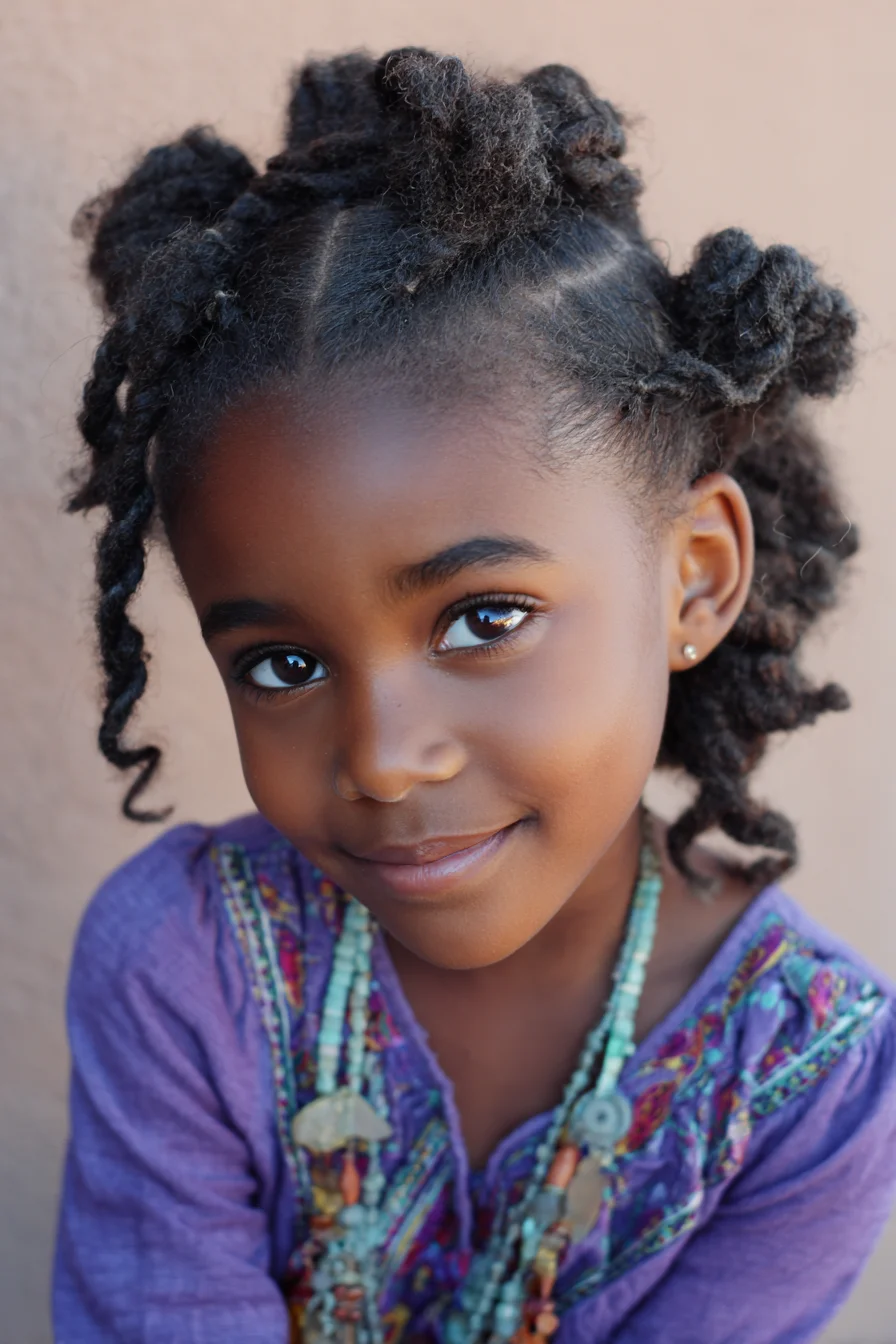
This playful mini twist-bun style suits natural textured hair from loose coils (3A) to tight coils (4C). Ideal for children and adults with medium to high density, it works on shoulder-length to shorter hair and on longer stretched hair when sections are reduced. Technique: work on clean, detangled hair. Section hair into small to medium parts, apply a leave-in detangler and a curl-defining cream. Create two-strand or flat twists and coil each twist into a small bun (Bantu knot) secured with a soft elastic or bobby pin. For defined tendrils, leave a few twist ends out or undo selected knots for a twist-out. Tools needed: wide-tooth comb, rat-tail comb for parting, sectioning clips, soft elastics, bobby pins, microfiber towel or T-shirt. Products required: leave-in conditioner, curl cream or styling butter, lightweight oil (jojoba or avocado), and a light-hold gel for edges if desired. Difficulty level: moderate — requires patience and neat parting; allow 30–75 minutes depending on section size. Maintenance: sleep on a satin bonnet or pillowcase, refresh with a water/leave-in spray and light oil, re-twist loose sections as needed, and avoid overly tight tension to protect the hairline. This style can last 5–10 days with gentle care.
Voluminous High Puff for Natural Curly & Coily Hair
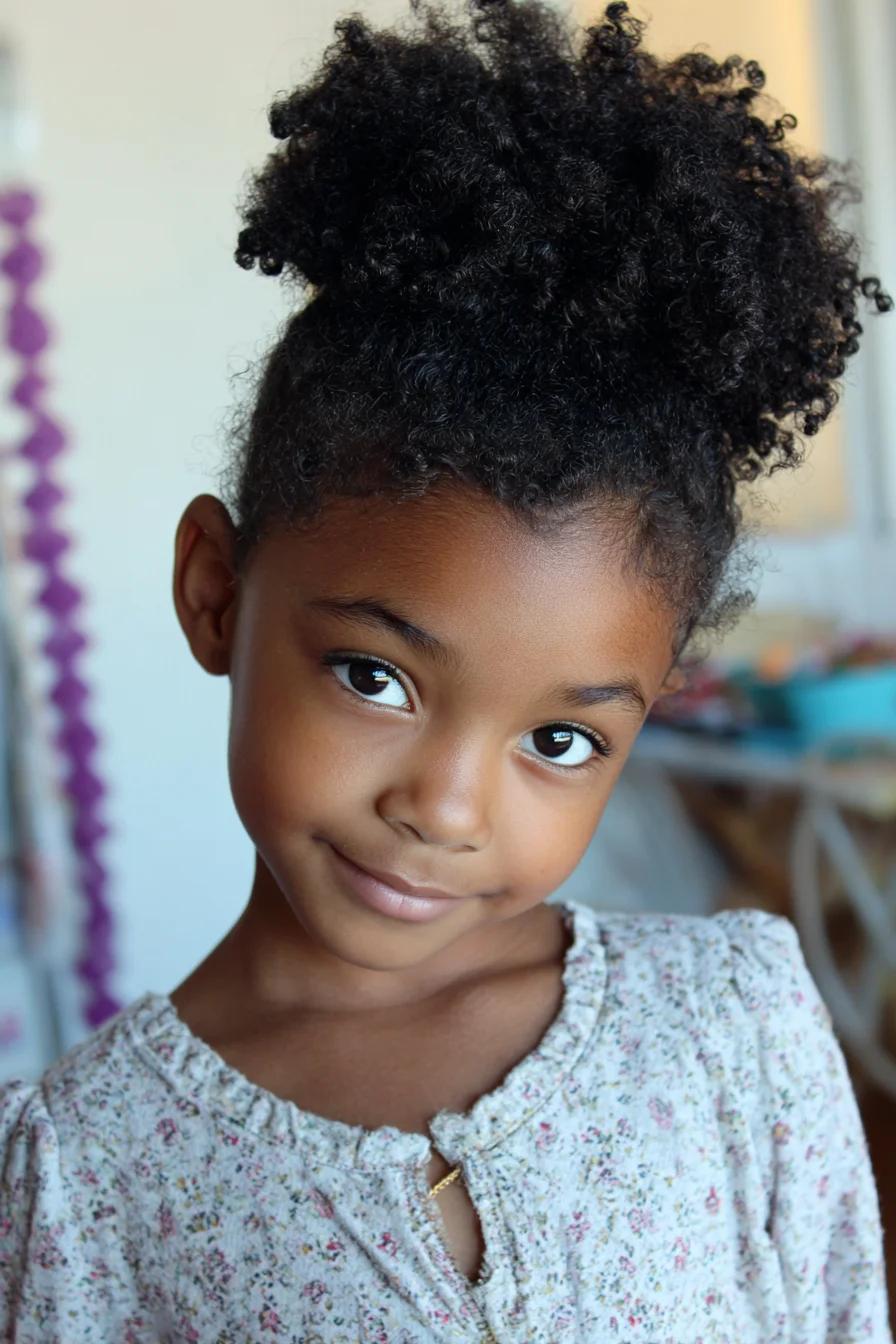
This high puff is ideal for 3B–4C textured hair and works well on medium to dense density curls that spring back when stretched. Start on clean, detangled hair: lightly spritz with water or a leave-in detangler, apply a cream-based moisturizer and a lightweight gel to control edges. Gather hair to the crown using a wide-tooth comb or your fingers to preserve curl pattern, then secure with a snag-free elastic or a drawstring puff band. Fluff the puff with a pick or your fingers to create volume and shape the silhouette with small twists at the base if needed for extra lift. Tools: wide-tooth comb, detangling brush or Denman, elastic/puff band, hair pick, small edge brush. Products: leave-in conditioner, curl cream/defining custard, light gel for hold, nourishing oil for shine, and a silk bonnet or scarf. Difficulty: easy–moderate — requires gentle handling to avoid breakage. Maintenance tips: sleep with a silk bonnet or pillowcase, refresh with water + leave-in between wears, avoid overly tight elastics, and deep condition weekly to maintain moisture and reduce stiffness at the roots.
High Gathered Mini Dreadlocks Ponytail — Kids Natural Locs Style
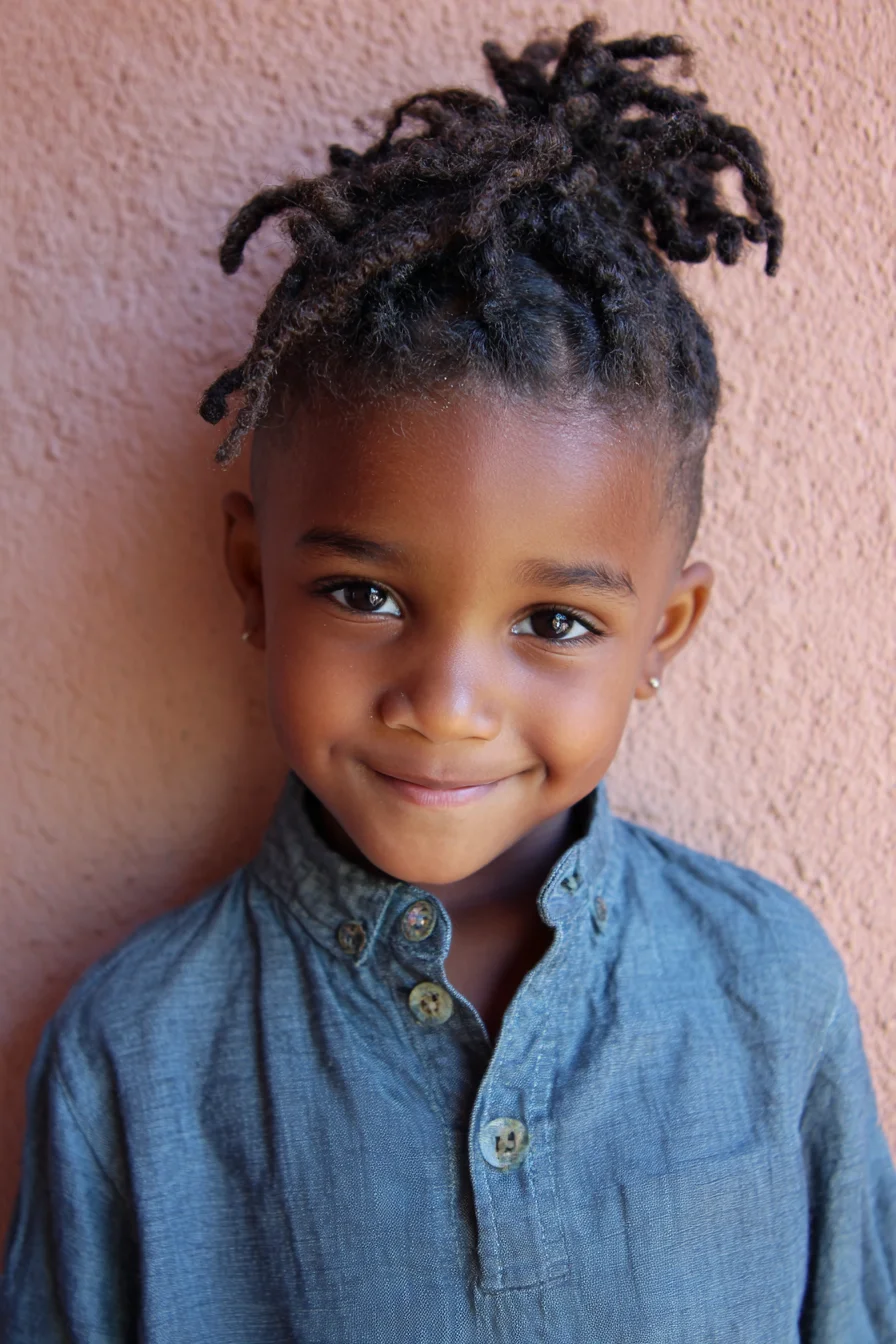
This high gathered mini dreadlocks ponytail is ideal for Type 4 and tight-coily hair textures, and works well for children or adults with small starter locs or two-strand-twist locs. Technique: part hair into clean sections, smooth roots with a light leave-in, gather locs into a high pony, secure with a soft elastic or spiral tie, and arrange the ends into a loose puff or bun. For neater locs, palm-roll or use a small crochet hook to tuck unruly hairs. Tools needed: wide-tooth comb, rat-tail comb for sectioning, soft elastics/spiral ties, hair clips, small crochet hook (optional), and a spray bottle. Products required: sulfate-free cleanser, lightweight leave-in conditioner, light oil (jojoba or coconut), small amount of locking balm or gel (alcohol-free) for flyaways. Difficulty: easy–moderate — straightforward once locs are established. Maintenance tips: avoid overly tight tension to prevent traction, sleep with a satin bonnet or pillowcase, moisturize scalp twice weekly, wash gently every 1–2 weeks, and retwist or palm-roll new growth every 4–8 weeks to keep the style tidy.
High Curly Puff Ponytail — Natural Tightly Coiled (4A–4C) Hair
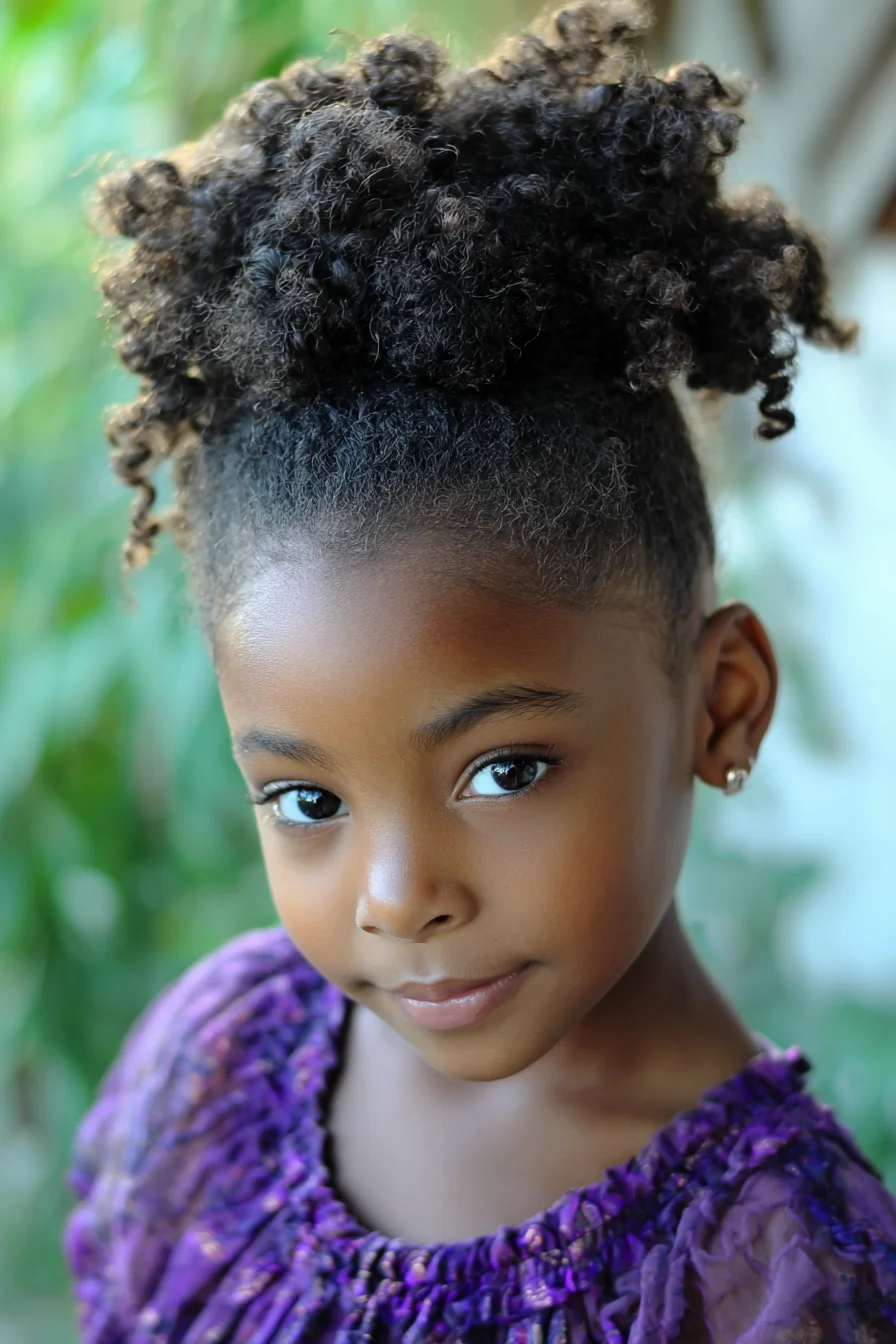
This high curly puff is ideal for tightly coiled natural hair (4A–4C) and works well on medium to dense textures. Start on clean, detangled hair: apply a hydrating leave-in conditioner and a curl-defining cream to evenly coat strands. Use a wide-tooth comb or detangling brush to remove knots, then gather hair to the crown using a soft boar-bristle brush for a smooth base. Secure with a snag-free elastic or a hair tie wrapped twice for support, avoiding over-tightening. Define a few front curls with a finger coil or small amount of styling gel for hold. Tools: wide-tooth comb, soft brush, edge brush (optional), elastic, hair clips. Products: sulfate-free shampoo/conditioner, leave-in moisturizer, curl cream or light gel, lightweight oil for sheen. Difficulty: easy–moderate — straightforward for a stylist or caregiver with basic technique. Maintenance tips: sleep on a satin bonnet or pillowcase, pineapple loosely at night, refresh with a water + leave-in mist and a small amount of cream as needed, and avoid heavy buildup by clarifying monthly. Trim ends regularly and protect edges from constant tension for healthy growth.
Twisted Crown Updo for Natural 4A–4C Hair — Protective, Child-Friendly Style
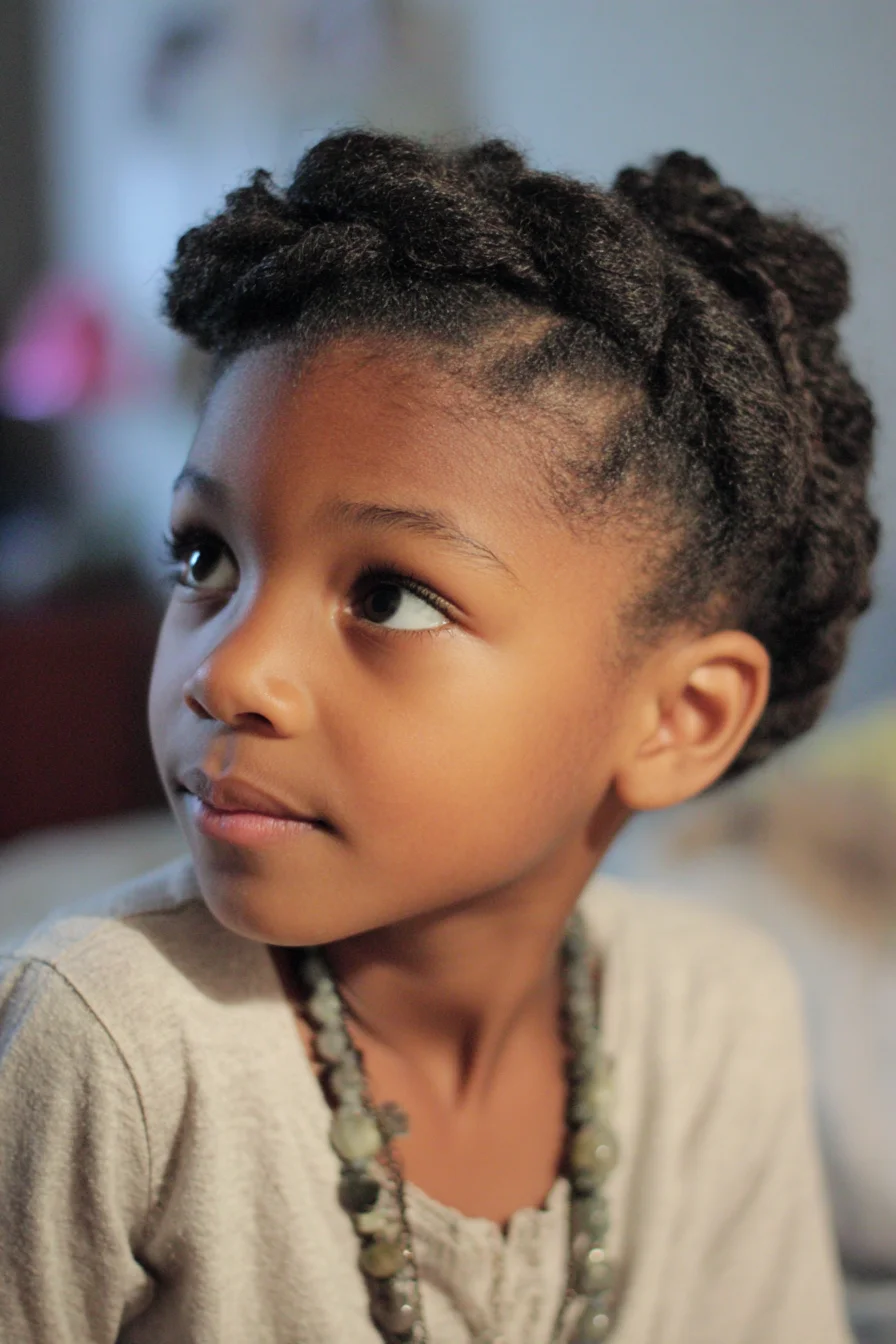
Suitable for 3A–4C natural textures — particularly tight 4A–4C coils — this twisted crown updo is a low-manipulation, protective style that looks neat on kids and adults. Technique: start with clean, detangled hair that is slightly damp. Section the perimeter and create flat two-strand or flat twists along the hairline, directing each twist toward the crown. Gather the remaining twists into a low bun or crown and secure ends with bobby pins for a smooth finish. Tools needed: wide-tooth comb, rat-tail comb, sectioning clips, spray bottle, hair elastics and plenty of bobby pins. Products required: lightweight leave-in conditioner, defining curl cream or butter, a light-hold gel for edges, and a small amount of natural oil (jojoba or coconut) to seal. Difficulty level: moderate — requires even tension and basic twisting skills to keep the style tidy. Maintenance tips: sleep on a satin bonnet or pillowcase, refresh by misting with water and reapplying a small amount of leave-in, re-twist any loosened sections as needed, moisturize the scalp weekly, and redo the style every 1–2 weeks to avoid build-up and breakage.
Chunky Flat Twists into Soft Puffs — Natural Coily Protective Style
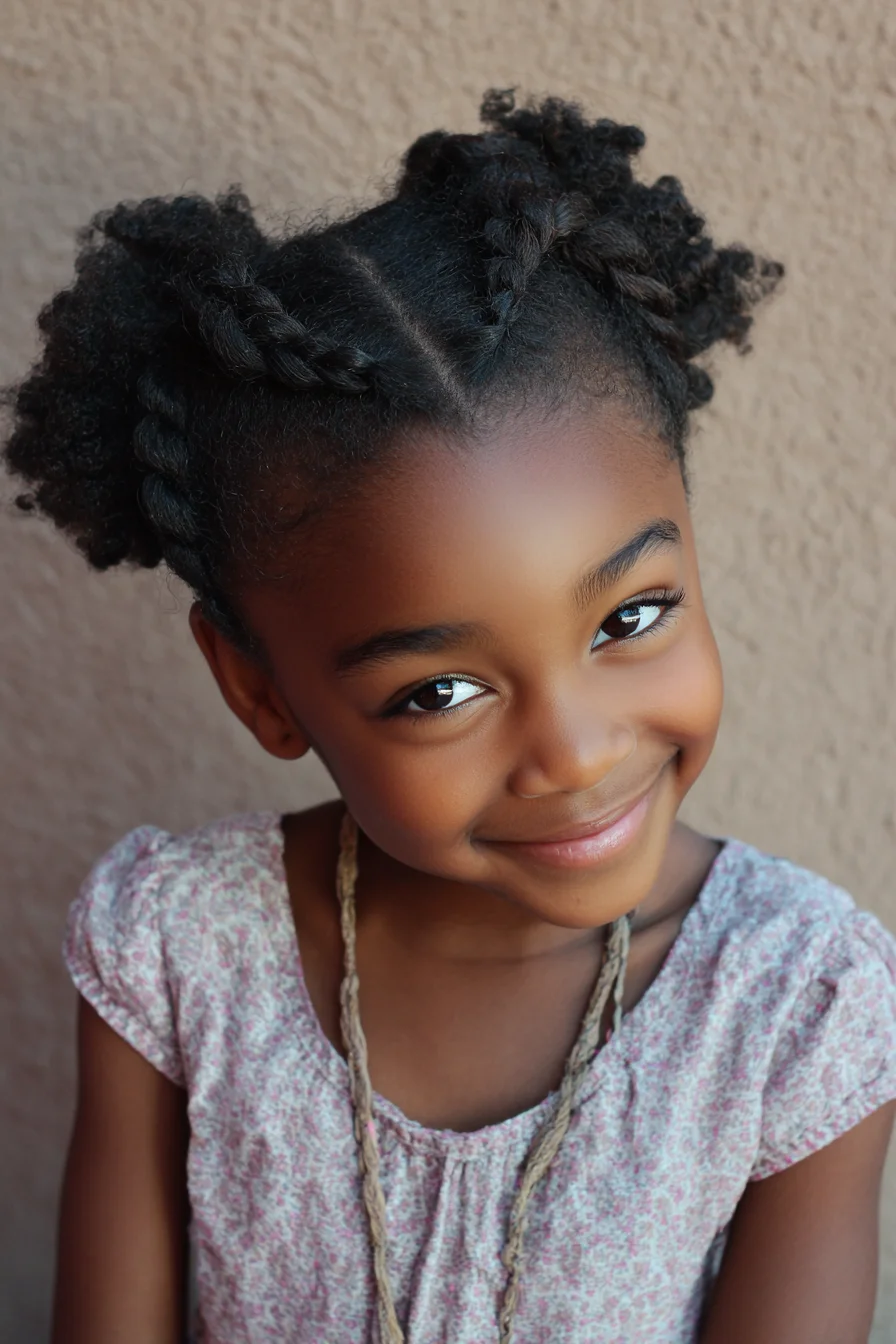
This playful protective style works best on natural coily hair (3C–4C) or tightly curled textures with medium to high density. Start on clean, detangled hair: section into even panels with a rat-tail comb, apply a lightweight leave-in conditioner and a cream-based moisturizer, then create chunky flat twists or two-strand flat twists along each section. Secure the ends into soft puffs or small buns using gentle elastic bands or hairpins. From salon experience, keep tension light at the hairline to avoid breakage and maintain a neat parting for a polished finish. Tools needed: wide-tooth comb, rat-tail comb, sectioning clips, soft bristle brush, small elastic bands or bobby pins. Products required: leave-in conditioner, hydrating cream or butter, light oil (argan or jojoba), edge control or gel for smoothing baby hairs, and a frizz-control serum if desired. Difficulty: easy–moderate; good for a beginner with basic parting and twisting skills. Maintenance tips: sleep on a satin bonnet or pillowcase, refresh twists with a water-based spray and oil every 3–4 days, avoid over-tightening, and retwist or redo puffs after washing to preserve shape and scalp health.
Mini Bantu Knots with Flat-Twist Parting — Defined Natural 3B–4C Styles
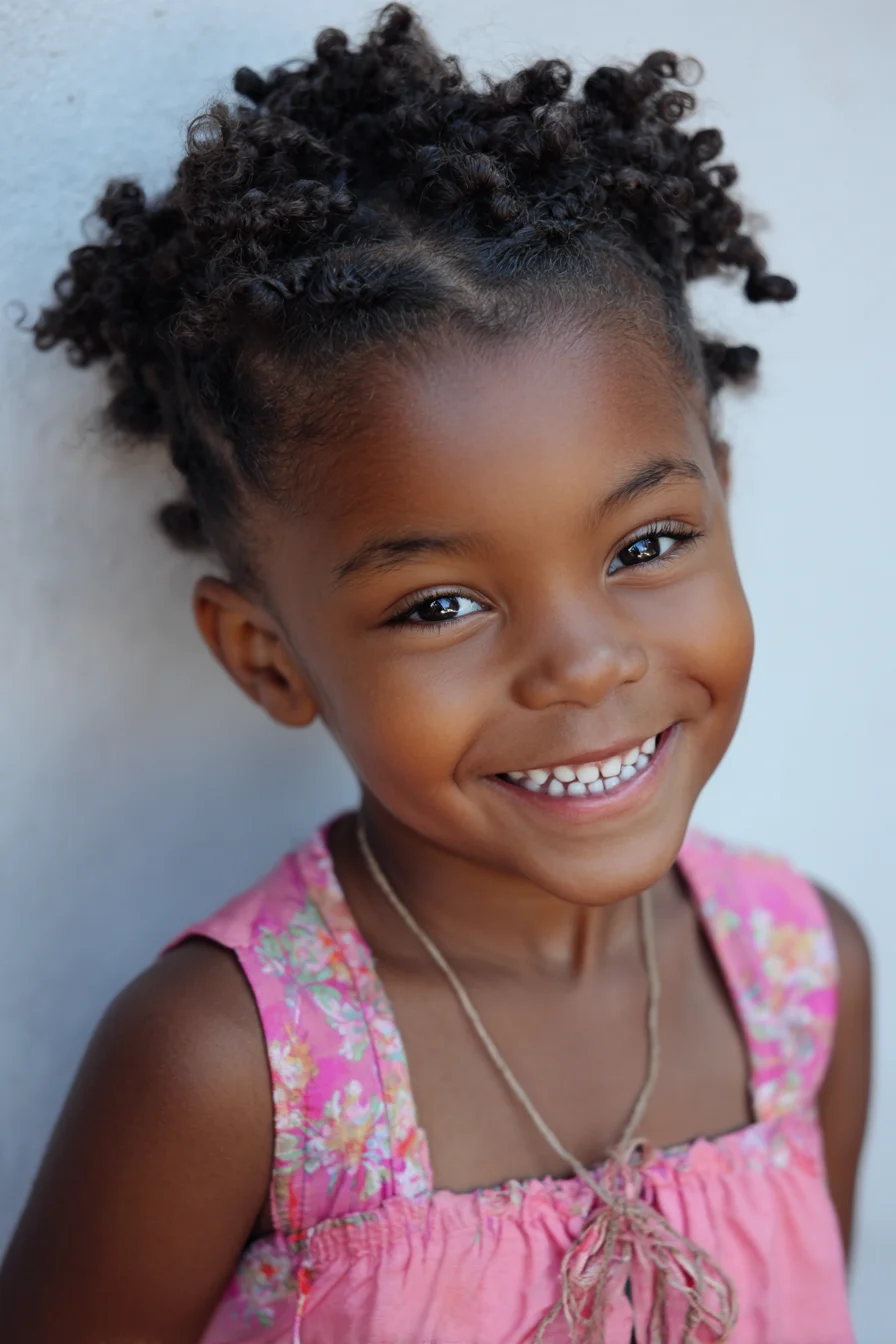
Suitable for 3B–4C natural hair (including fine to coarse textures), this playful mini Bantu knot style starts with clean, well-conditioned hair and flat-twist parting to create neat, long-lasting definition. Technique: detangle damp hair, divide into small even sections using a rattail comb, apply a leave-in conditioner and curl-defining cream, then flat-twist each section toward the scalp and coil the end into a small Bantu knot or secure into mini puffs. Tools needed: wide-tooth comb, rattail comb, sectioning clips, detangling brush, small snag-free hair ties or bobby pins, and a spray bottle. Products required: sulfate-free shampoo/conditioner, moisturizing leave-in, curl cream or butter, lightweight gel or edge control for smooth parts, and a light oil for shine and sealing. Difficulty level: moderate — requires patience for neat parting but is caregiver-friendly with practice. Maintenance tips: sleep on a satin bonnet/pillowcase, refresh with water + leave-in or light curl cream, re-twist any loose knots, avoid heavy buildup by clarifying every 2–3 weeks, and loosen knots gently to protect edges. Expect 7–14 days of wear with proper care.
As a stylist I always prioritize hair health when creating kids looks. For black natural hair, that means regular gentle detangling, moisturizing with water-based leave-ins and natural oils (like jojoba or grapeseed), and choosing protective styles that reduce manipulation. Avoid tight parts and excessive tension — especially on toddlers — and limit styles that stay in for more than 4–6 weeks. Night care is essential: use satin bonnets or pillowcases and reapply a light moisturizer mid-week when needed. Use a wide-tooth comb or finger-detangle on damp, conditioned hair and trim ends regularly to prevent snags. If you’re recreating any of the 24 styles at home, start with clean, conditioned hair, section methodically, and work with age-appropriate products. When in doubt, book a salon consultation so we can assess texture and scalp needs and customize a routine that keeps styles cute and healthy. — Lena, salon stylist.